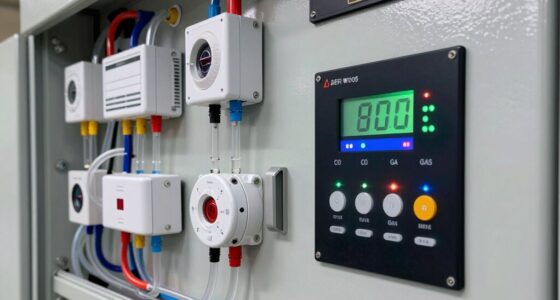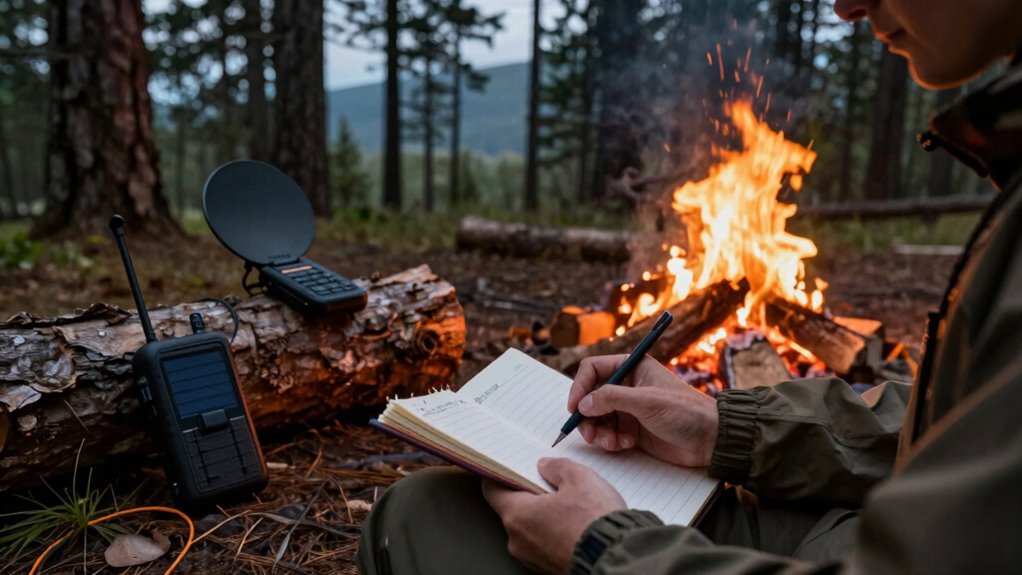

To plan communication when power and cell service fail, establish clear emergency protocols and designated meeting points. Invest in backup devices like battery-powered radios, satellite phones, and hand-crank flashlights, and make sure they’re charged and tested regularly. Create a multifaceted communication plan, including written instructions and visual signals, tailored to your environment. Familiarize yourself with device limitations and alternative signals. Keep exploring how you can develop an all-encompassing emergency plan that covers all scenarios.

Get the latest gadgets delivered free with Prime
- Fast, free delivery on millions of items
- Prime Video, Amazon Music and more included
- Member-only deals all year
Key Takeaways
- Establish and memorize emergency protocols for alternative communication methods when traditional channels fail.
- Invest in backup devices like battery-powered radios and satellite phones, regularly testing their functionality.
- Develop a multi-method communication plan using designated radio frequencies, written instructions, and offline storage.
- Use non-electronic signals such as whistles, signal mirrors, or flags for visual or auditory communication.
- Ensure all members are trained on emergency procedures and adaptable communication strategies for various scenarios.
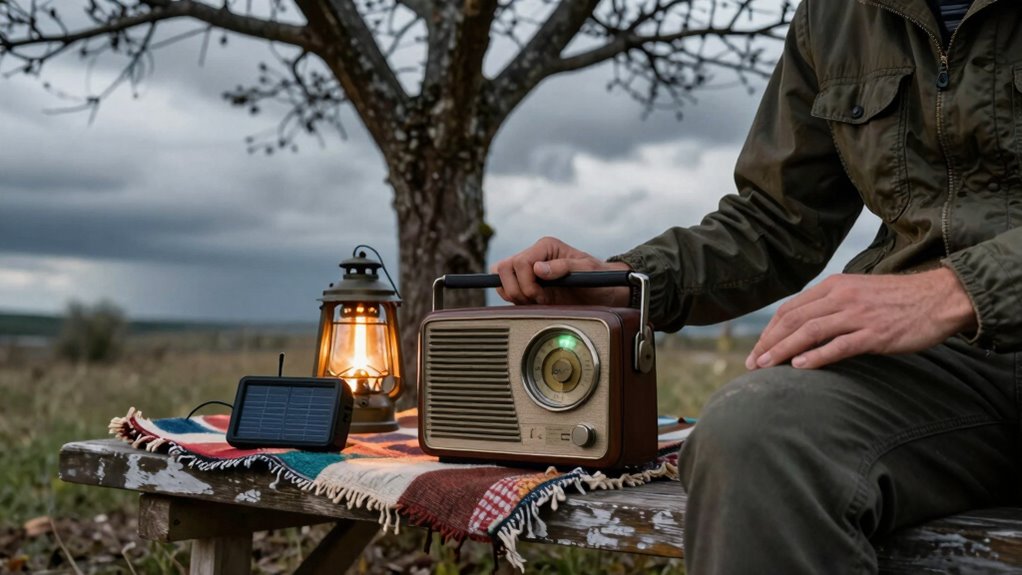
When power outages or cell service disruptions occur, effective communication becomes critical for safety and coordination. You need to have clear emergency protocols in place so everyone knows how to respond if traditional channels fail. You should plan ahead by establishing alternative methods to stay connected, whether it’s for contacting loved ones, coordinating with neighbors, or calling emergency services. Your emergency protocols should include specific steps that everyone understands, such as designated meeting points or instructions on how to signal for help. Having these procedures memorized can make all the difference in a stressful situation.
To guarantee communication doesn’t break down entirely, you should invest in backup devices. These can include battery-powered radios, satellite phones, or hand-crank flashlights with built-in chargers. Backup devices serve as lifelines when your cell phone and landlines are offline, giving you reliable options to receive updates or call for help. It’s essential to keep these devices charged and easily accessible, ideally in a designated emergency kit. Remember, regular testing of your backup devices ensures they work when you need them most.
Invest in backup devices like radios and satellite phones, keep them charged, and test regularly for reliable emergency communication.
In addition to physical devices, consider creating a communication plan that involves multiple methods. For example, you could designate a specific radio frequency for your neighborhood or family, so everyone is tuned in to the same emergency broadcast. Share this plan with all members in advance, so there’s no confusion when a crisis hits. You might also include written instructions, maps, or contact lists stored in waterproof containers or online cloud storage, accessible via alternative devices or offline copies. Understanding the limitations of backup devices is crucial to ensure your plans remain effective under different conditions. Additionally, knowing how to adapt your communication methods based on the environment can improve your overall readiness. Developing a comprehensive emergency communication plan that considers various scenarios will help you respond more effectively when needed.
Another important aspect is understanding the limitations of your backup devices. Not all radios have the same range, and satellite phones can be costly or require specific service plans. Be aware of these constraints and plan accordingly. Also, think about non-electronic signals, such as whistles, signal mirrors, or flags, which can help you communicate visually or audibly if electronic methods aren’t available. Additionally, familiarizing yourself with emergency communication protocols can improve your readiness and response time during crises. Remember that effective communication often depends on a combination of strategies tailored to your specific situation.
As an affiliate, we earn on qualifying purchases.
Frequently Asked Questions
How Can I Prepare Emergency Communication Supplies in Advance?
You can prepare emergency communication supplies by assembling a thorough emergency kit that includes batteries, a portable radio, and spare charger. Develop a communication plan that outlines how you’ll stay in touch with loved ones, even without power or cell service. Store printed contact info and maps in your kit. Regularly check and update your supplies and plan so you’re ready to act quickly during an emergency.
What Are the Best Offline Communication Methods During Outages?
During outages, your best offline communication methods include using emergency signaling devices and radio communication. Keep a battery-powered or hand-crank radio to receive alerts and stay informed. Use whistles, mirror signals, or flashlights for emergency signaling to attract attention if needed. These methods work without power or cell service, ensuring you can communicate or signal for help effectively during emergencies. Always practice using these tools beforehand.
How Do I Coordinate With Neighbors During a Communication Failure?
You coordinate with neighbors by establishing a Neighborhood Watch plan before outages happen. Share emergency contacts and agree on a designated meeting spot. Use prearranged signals or written notes to communicate if verbal communication isn’t possible. Regularly check in with neighbors, especially the vulnerable, and keep a shared emergency contact list. Staying organized and proactive helps guarantee everyone stays informed and safe during communication failures.
What Safety Precautions Should I Take When Using Alternative Communication Devices?
You should always prioritize safety when using alternative communication devices, like walkie-talkies or ham radios. Keep your emergency contact information handy and make certain your device is fully charged and in good working condition. Use signal boosting techniques, such as antennas, to enhance communication range. Always operate devices responsibly, avoid interference, and follow manufacturer instructions to prevent accidents or damage during emergencies. This way, you stay safe and connected when it matters most.
How Can I Keep Children or Vulnerable People Informed During Outages?
You should establish a clear plan for family notification during outages by designating an emergency contact everyone can reach. Keep children and vulnerable people informed by using battery-powered radios or pre-arranged messages. Make sure everyone knows how to contact the emergency contact and where to find important information. Regularly update the family on the situation, and practice your communication plan so everyone feels prepared and stays connected during power or cell service failures.
As an affiliate, we earn on qualifying purchases.
Conclusion
Remember, nearly 80% of people feel more secure knowing they have a plan for emergencies, especially when power and cell service fail. By preparing ahead—like having backup power sources and alternative communication methods—you guarantee you stay connected and informed. Don’t wait for an outage to strike; take action now. A little preparation can make all the difference, helping you stay safe and calm when it matters most.
hand crank flashlight with charger
As an affiliate, we earn on qualifying purchases.
As an affiliate, we earn on qualifying purchases.
As an affiliate, we earn on qualifying purchases.
Halloween Picks
halloween
As an affiliate, we earn on qualifying purchases.