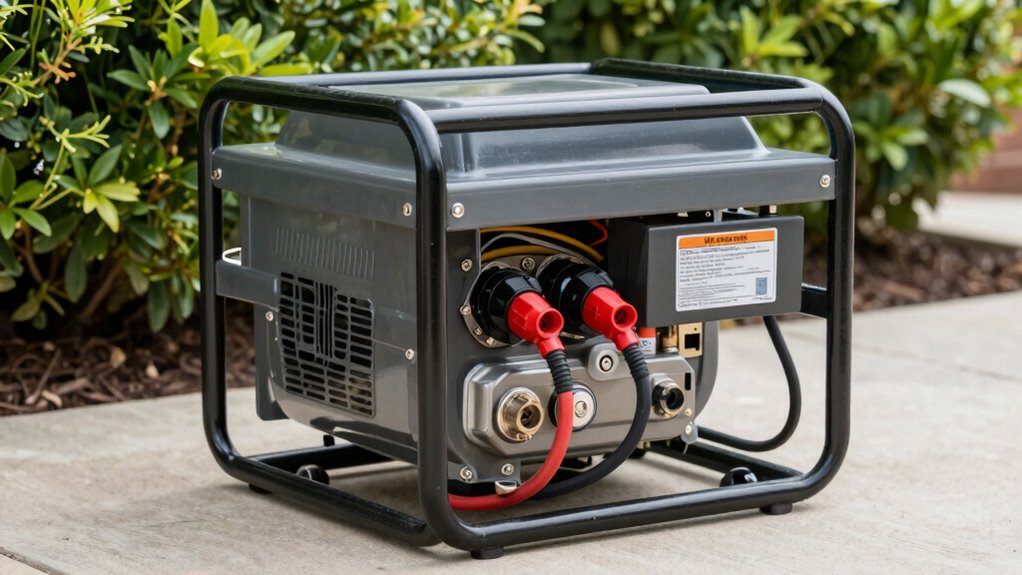

Before using a generator at home, understand which fuel type suits your needs—gasoline, propane, or diesel—each with its safety considerations. Always inspect for leaks, corrosion, or wear, and make certain proper ventilation to avoid dangerous fumes. Follow safe refueling and storage practices to prevent fires or poisoning. Regular maintenance, like checking oil and filters, extends its lifespan and keeps it running safely. Keep these tips in mind, and you’ll be ready to operate your generator securely and effectively.

Get the latest gadgets delivered free with Prime
- Fast, free delivery on millions of items
- Prime Video, Amazon Music and more included
- Member-only deals all year
Key Takeaways
- Ensure proper ventilation to prevent dangerous fume buildup and carbon monoxide poisoning.
- Use the correct fuel type and follow safety guidelines for storage and refueling.
- Conduct pre-use inspections for leaks, corrosion, or wear, and listen for unusual noises during operation.
- Regularly maintain the generator by checking oil, filters, and spark plugs, and keep a maintenance log.
- Keep the generator away from windows, doors, and vents to avoid carbon monoxide entering your home.
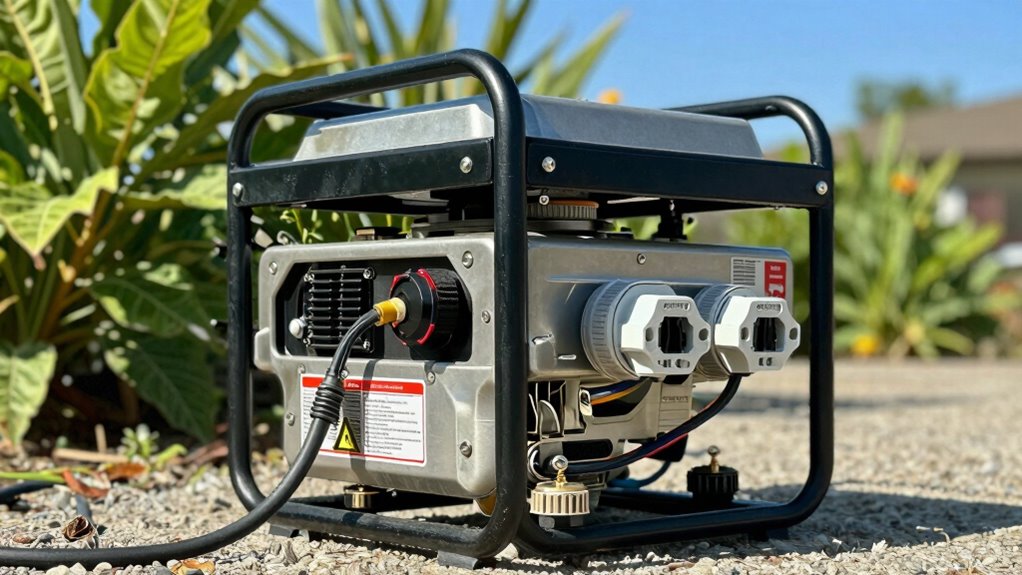
A generator can be be a lifesaver during power outages, but it also comes with safety risks if not used properly. Before firing it up, it’s vital to understand the different fuel types your generator might use. Common options include gasoline, propane, and diesel. Gasoline generators are widely available and portable, but they require careful handling because gasoline is highly flammable and can produce dangerous fumes. Propane generators burn cleaner and are easier to store safely, making them a good choice for long-term use or frequent outages. Diesel generators tend to be more durable and efficient but are often larger and noisier. Knowing which fuel type your generator uses helps you plan for safe storage, refueling, and ventilation, reducing the risk of accidents or fire.
Once you’ve chosen the right fuel, it’s essential to follow a proper maintenance schedule to keep your generator in safe working condition. Regular maintenance includes checking and changing the oil, inspecting filters, and ensuring spark plugs are clean and functional. Neglecting these steps can lead to poor performance, increased emissions, or mechanical failures that could pose safety hazards. Keep a maintenance log and stick to the manufacturer’s recommended schedule. This not only prolongs the life of your generator but also guarantees it operates safely when you need it most. Before each use, conduct a visual inspection for signs of wear, leaks, or corrosion, and listen for unusual noises during operation. Additionally, understanding fuel safety procedures can further help prevent accidents during refueling or storage. Being aware of proper storage practices is equally important in minimizing fire risks associated with fuel. Regularly inspecting your generator for early signs of mechanical issues can help catch problems before they become serious safety concerns.
portable generator fuel type selection
As an affiliate, we earn on qualifying purchases.
As an affiliate, we earn on qualifying purchases.
Frequently Asked Questions
Can I Run a Generator Indoors Safely?
No, you shouldn’t run a generator indoors because of the serious carbon monoxide risk. Generators produce dangerous fumes that can quickly fill enclosed spaces, leading to poisoning. Always guarantee proper indoor ventilation if using a generator, and never operate it inside your home, garage, or basement. Instead, place it outdoors, far from windows and doors, to keep yourself safe from harmful carbon monoxide buildup.
How Long Can a Generator Operate Continuously?
A generator can run continuously for about 8 to 12 hours, depending on fuel efficiency and load. To maximize operation time, monitor fuel levels and manage load carefully. Keep noise mitigation in mind by choosing quieter models or installing sound barriers. Regularly scheduled stops help prevent overheating and mechanical mishaps, ensuring safe, sustained power. Always follow manufacturer guidelines to optimize longevity and safety during extended use.
Do I Need a Permit to Install a Home Generator?
Yes, you typically need a permit to install a home generator. You’ll need to guarantee proper electrical wiring and safety standards are met, which often requires inspections. Additionally, you must follow regulations for fuel storage to prevent hazards. Check with your local building department, as requirements vary by area. Proper permits ensure your generator is installed safely and legally, giving you peace of mind during power outages.
What Maintenance Is Required for a Home Generator?
Think of your home generator as a trusted friend who needs regular checkups. You should follow a maintenance schedule that includes inspecting and changing the oil, replacing filters, and checking spark plugs. Keep an eye on fuel efficiency by guaranteeing the fuel system stays clean. These simple steps ensure your generator runs smoothly when you need it most, extending its lifespan and keeping your home powered during emergencies.
How Noisy Are Home Generators During Operation?
Home generators can be quite noisy during operation, with noise levels typically ranging from 60 to 80 decibels, similar to a loud conversation or vacuum cleaner. Their fuel efficiency affects how often they run, but noise levels depend mostly on the model and installation. To minimize disturbance, consider soundproof enclosures or placing the generator further from living areas, ensuring you balance noise and fuel efficiency for maximum performance.
As an affiliate, we earn on qualifying purchases.
Conclusion
Before firing up your generator, remember it’s like inviting a powerful beast into your home—respect it, and it’ll serve you well. Stay vigilant with safety tips, keep it dry, and never run it indoors. Think of it as your trusty guardian during storms, but only when handled with care. With caution as your compass, you’ll navigate the darkness safely, turning a potential hazard into a shining example of preparedness. Stay safe, and let your generator be a beacon of peace.
carbon monoxide detector for home
As an affiliate, we earn on qualifying purchases.
As an affiliate, we earn on qualifying purchases.
generator safety and storage accessories
As an affiliate, we earn on qualifying purchases.
As an affiliate, we earn on qualifying purchases.
Halloween Picks
halloween
As an affiliate, we earn on qualifying purchases.