
During power outages, indoor heat can quickly become dangerous if you don’t plan ahead. You need to use backup power sources and natural ventilation techniques to keep your home cool. Insulation and sealing help prevent heat from entering, while fans and shade keep airflow steady. Without proper planning, heat buildup can affect your health and comfort. Taking steps now guarantees you’re prepared for extreme conditions. Keep going to discover essential strategies to stay safe and cool.

Get the latest gadgets delivered free with Prime
- Fast, free delivery on millions of items
- Prime Video, Amazon Music and more included
- Member-only deals all year
Key Takeaways
- Proper planning ensures access to emergency cooling methods, preventing heat-related health risks during outages.
- Insulation and sealing reduce heat transfer, maintaining safer indoor temperatures without power.
- Ventilation strategies like cross-breezes and fans help lower indoor heat effectively during power failures.
- Backup power sources enable operation of cooling devices, essential for managing extreme indoor temperatures.
- Without planning, prolonged heat exposure can cause health hazards, especially for vulnerable populations.
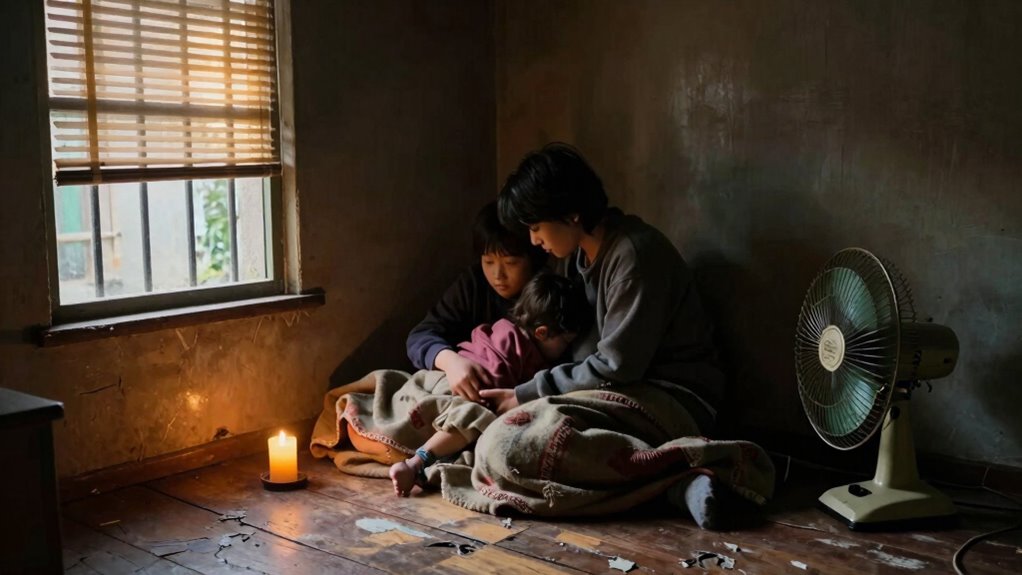
Have you ever wondered how to stay safe and comfortable indoors during a power outage, especially when the heat is intense? When the power goes out, your home’s usual cooling systems might become useless, and that can quickly turn dangerous. To prevent heat-related illnesses and discomfort, you need a solid plan that includes emergency power options and effective ventilation strategies. These elements are vital for maintaining a safe indoor environment when electricity isn’t available.
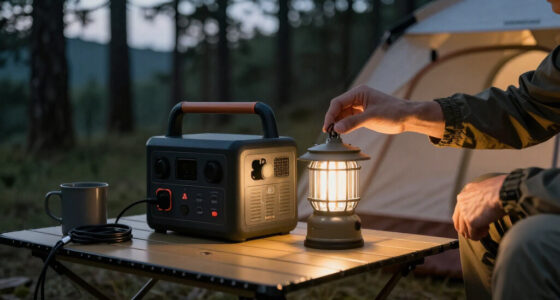
Emergency power sources, like portable generators or battery backups, are essential because they allow you to run fans, portable air conditioning units, or even small appliances that help keep the indoor temperature manageable. You don’t have to rely solely on natural airflow; having a backup power supply means you can operate fans or cooling devices that greatly reduce heat buildup. Make sure your emergency power solutions are properly maintained, and you understand how to operate them safely to avoid hazards like carbon monoxide poisoning from generators. Planning ahead guarantees that during a blackout, you can quickly deploy these resources to keep your living space livable. Using alternative cooling methods can also help reduce indoor heat when power is unavailable. Additionally, understanding how to manage indoor heat effectively can make a significant difference in extreme conditions. Proper insulation and sealing can further help maintain a stable indoor temperature by reducing heat transfer through walls and windows.
Use portable generators and batteries safely to run fans and cooling devices during power outages.
Ventilation strategies become even more important when power is out. Good airflow can help decrease indoor temperatures and remove excess heat and humidity. Opening windows and doors during cooler parts of the day—early morning or late evening—can create a natural cross-breeze, especially if you position fans to enhance airflow. If you have battery-operated or manual fans, use them to improve circulation without relying on electricity. In some cases, venting hot air from the attic or upper floors can help prevent heat from spreading throughout the house. Additionally, using shades, curtains, or reflective barriers on windows helps block out the sun’s heat, keeping indoor temperatures lower. Proper ventilation is crucial because it allows hot air to escape and cooler air to enter, making your space more comfortable. Implementing indoor air circulation techniques can further improve temperature regulation and air quality during outages. It’s about creating a steady flow of fresh air that replaces the hot, stale air with cooler outdoor air whenever possible.
portable generator for home backup
As an affiliate, we earn on qualifying purchases.
As an affiliate, we earn on qualifying purchases.
Frequently Asked Questions
How Can I Tell if My Heating System Is Backup-Ready?
You can tell if your heating system is backup-ready by checking its thermostat maintenance and fuel source safety. Guarantee your thermostat functions correctly and responds promptly. Verify that your fuel source, whether gas or electricity, is safe and reliable for backup use. Regular inspections and maintenance help identify potential issues early, so you’re prepared during outages. This way, you maintain consistent indoor heat and prevent safety hazards.
What Are the Best Portable Heating Options During Outages?
During outages, your best portable heating options are compact portable heaters that use reliable fuel sources like propane, kerosene, or electricity. These devices efficiently warm your space while maintaining safety standards. Always guarantee proper ventilation and follow manufacturer instructions. By choosing the right portable heater with suitable fuel sources, you can keep your home cozy and safe during unexpected power interruptions.
How Do I Prioritize Heating for Vulnerable Family Members?
You should prioritize heat for vulnerable family members like the elderly, infants, or those with health issues to guarantee their safety. Keep their living areas warm and accessible, and check on them regularly. Use portable heaters safely, and create a heat prioritization plan so everyone knows who needs warmth first. This approach helps maintain family safety during outages and reduces risk of cold-related health problems.
Are There Government Programs for Emergency Heating Assistance?
Back in the day, you’d rely on town criers, but today, you can access government grants and emergency subsidies for heating assistance. You should explore programs like LIHEAP, which help cover energy bills during outages. These resources are designed to support vulnerable folks, so don’t hesitate to apply. Contact local agencies or visit their websites to learn how you can secure emergency aid for indoor heat when you need it most.
How Long Can Indoor Heat Be Safely Maintained Without Power?
You can usually maintain safe indoor heat for about 24 hours without power if your home has good insulation improvements. To extend this period, use alternative energy sources like a generator or solar-powered devices. Keep your home warm by sealing drafts and layering blankets. Planning ahead with insulation upgrades and alternative energy options helps guarantee your indoor heat stays safe during outages, minimizing risks from cold exposure.
battery-powered fan for emergencies
As an affiliate, we earn on qualifying purchases.
As an affiliate, we earn on qualifying purchases.
Conclusion
When the power goes out, your home becomes a silent oven, waiting to turn up the heat without warning. But with a little planning, you’re the captain steering through this fiery storm rather than a helpless boat caught in a relentless blaze. Prepare now—think of it as building an indoor fortress against the heat’s silent invasion. Stay ahead of the flames, and you’ll weather the outage not as a victim, but as a resilient survivor in your own cool, safe haven.
reflective window shades for heat reduction
As an affiliate, we earn on qualifying purchases.
As an affiliate, we earn on qualifying purchases.
portable air conditioner for power outages
As an affiliate, we earn on qualifying purchases.
As an affiliate, we earn on qualifying purchases.
Halloween Picks
halloween
As an affiliate, we earn on qualifying purchases.