To assess your home or apartment’s power outage risk, start by identifying external threats like storms, fallen trees, and flooding, which can damage power lines. Check your wiring, electrical panels, and insulation for vulnerabilities, and guarantee your critical devices are protected with backups or surge protectors. Preparing supplies, a communication plan, and monitoring tools can help manage outages better. Keep exploring this topic to learn how to protect your home effectively.

Get the latest gadgets delivered free with Prime
- Fast, free delivery on millions of items
- Prime Video, Amazon Music and more included
- Member-only deals all year
Key Takeaways
- Identify external threats like storms, fallen trees, and flooding that can damage power lines and cause outages.
- Conduct home vulnerability checks for outdated wiring, poor insulation, and loose connections to prevent electrical faults.
- Assess household power needs and critical devices to develop effective backup systems like generators or solar solutions.
- Prepare emergency supplies and communication plans to stay connected and safe during prolonged power outages.
- Use monitoring tools and utility updates to proactively manage outages and ensure electrical safety within the home.
home surge protector power strip
As an affiliate, we earn on qualifying purchases.
As an affiliate, we earn on qualifying purchases.
What Causes Power Outages and How They Affect Your Home

Power outages can strike unexpectedly, disrupting your daily routines and leaving you without electricity. One common cause is electrical surges, which can overload your system and trip circuit breakers, leading to outages. These surges often happen during thunderstorms or when large appliances turn on. Utility maintenance is another major factor; scheduled repairs or inspections can temporarily shut off power to ensure safety and system reliability. Sometimes, maintenance reveals underlying issues that, if not addressed, could cause longer outages. External events like storms or fallen trees may also damage power lines, but utility crews work diligently to restore service promptly. Understanding these causes helps you prepare and recognize that many outages are beyond your control, emphasizing the importance of backup plans and safety measures at home. Proper wiring and electrical safety are key to minimizing risks associated with power disruptions. Additionally, advancements in smart grid technology aim to improve outage detection and response times, reducing the duration and impact of outages when they do occur. Incorporating energy storage solutions can also enhance resilience by providing backup power during outages. Implementing reliable backup systems is crucial to maintaining essential functions during unexpected outages, especially as security systems become more integrated into home safety.
portable generator for home backup
As an affiliate, we earn on qualifying purchases.
As an affiliate, we earn on qualifying purchases.
Are External Risks Putting Your Power Supply at Risk?
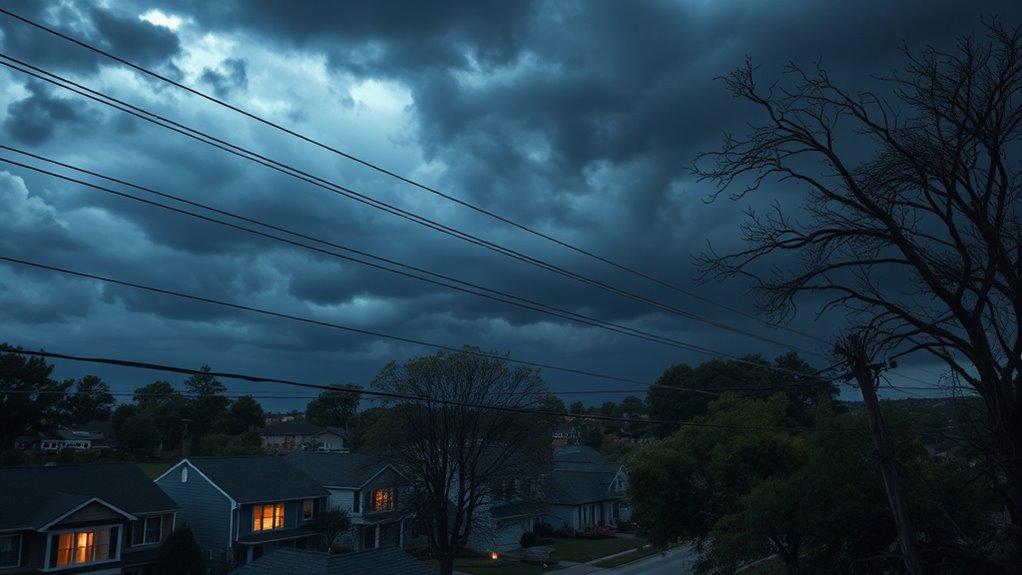
External risks like severe storms, falling trees, and natural disasters can profoundly threaten your electricity supply. These external threats, especially weather hazards, are unpredictable but can cause extensive damage to power lines and infrastructure. Heavy winds and lightning can knock down power poles, while flooding can weaken underground cables. Falling trees or branches during storms often damage electrical equipment, leading to outages. Even minor weather hazards, if persistent, can weaken the grid’s stability over time. Being aware of these external threats helps you understand the vulnerabilities outside your home. Preparing for weather hazards by trimming trees and securing outdoor equipment can reduce some risks. Additionally, Maximizing your home’s resilience by installing backup generators or surge protectors can help maintain power during outages. Many external risks remain beyond your control, making it essential to consider backup power options and safety measures. Maintaining power infrastructure and staying informed about weather forecasts can further minimize the impact of these external hazards. Understanding how weather-related damage affects the grid can also guide you in choosing appropriate emergency preparedness measures. Recognizing the role of climate change in increasing the frequency and severity of storms can help you plan for future risks more effectively. Moreover, staying updated on community alerts and emergency response plans can facilitate faster action during power outages caused by external risks.
solar power bank for emergencies
As an affiliate, we earn on qualifying purchases.
As an affiliate, we earn on qualifying purchases.
How to Check if Your Home Is Vulnerable to Power Loss

Understanding your home’s vulnerabilities is a vital step in safeguarding your power supply. Start by inspecting your home insulation; poor insulation can lead to power surges or outages caused by weather-related stress on your electrical system. Check your electrical wiring for signs of wear, such as frayed wires, burning smells, or frequent tripping breakers. Older wiring may be more prone to faults and outages. Confirm your electrical panel is up-to-date and capable of handling your household’s power needs. Additionally, look for any exposed wires or loose connections that could cause short circuits. Regular maintenance, timely repairs, and upgrades to outdated wiring or insulation can markedly reduce your risk of unexpected power loss. Being aware of power outage risk factors and taking proactive measures helps identify vulnerabilities before they lead to outages. Conducting seasonal electrical safety checks can further help prevent power-related issues and ensure your home remains resilient during extreme weather conditions. Moreover, understanding electrical system capacity and ensuring it aligns with your household’s energy demands can prevent overloads that might trigger outages. Regularly monitoring your home’s electrical systems and considering home automation solutions can also aid in early detection of potential problems. Developing a preventative maintenance plan tailored to your home’s needs can significantly improve overall electrical safety and reliability.
As an affiliate, we earn on qualifying purchases.
Are Your Critical Devices Ready for a Power Outage?
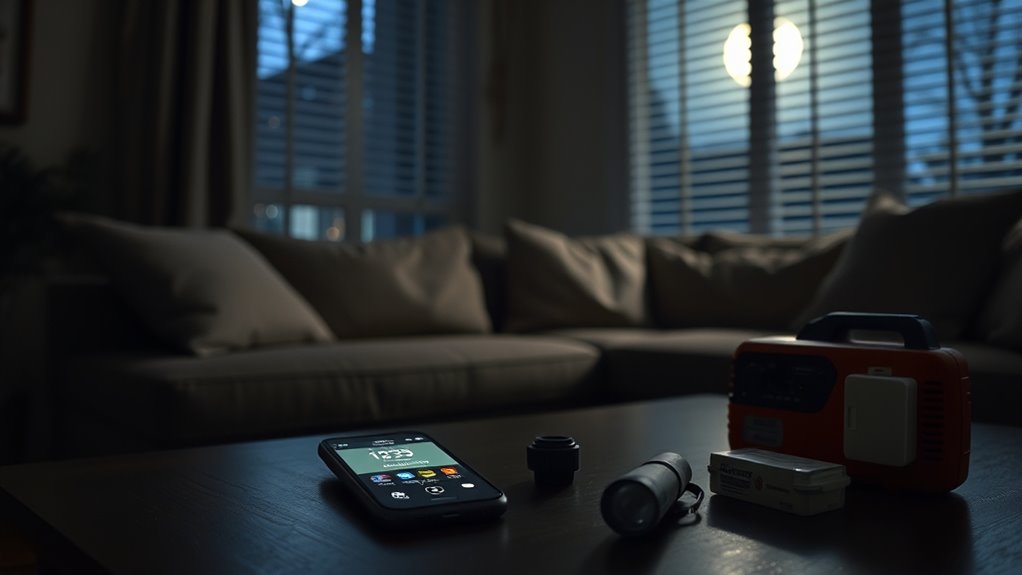
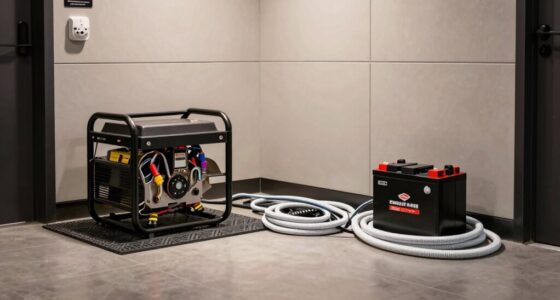
Ensuring your critical devices are prepared for a power outage is essential to maintaining safety and minimizing disruption. You should have backup generators ready to power essential appliances and devices, especially during extended outages. Surge protectors are crucial for safeguarding electronics like computers, medical equipment, and home security systems from power surges. Regularly test your backup generator to guarantee it functions correctly when needed. Additionally, inspect surge protectors for damage and replace them if necessary. Use the table below to identify your critical devices and suitable protective measures:
| Device | Protection Method | Backup Solution |
|---|---|---|
| Medical equipment | Surge protector | Backup generator |
| Computers | Surge protector | Uninterruptible power supply (UPS) |
| Home security systems | Surge protector | Backup generator |
| Refrigerators | Surge protector | Backup generator |
Being aware of the power outage risks and taking appropriate steps can help ensure your home remains safe and operational during emergencies. Preparing in advance for power disruptions can significantly reduce stress and potential hazards during unexpected outages, especially when you understand the electrical safety considerations involved. Being informed about emergency preparedness measures can further enhance your readiness.
Steps to Create a Power Outage Preparedness Plan for Your Home

To create an effective power outage preparedness plan, start by evaluating your household’s power needs and identifying essential devices. Next, gather emergency supplies like batteries, flashlights, and non-perishable food to stay comfortable and safe. Additionally, understanding your home electrical system can help you identify potential hazards and improve overall safety during outages. Finally, develop clear communication strategies to stay connected with family members and emergency services during an outage. Considering home safety measures can further enhance your readiness and protect your household during power disruptions.
Assess Your Power Needs
Before you can create an effective power outage preparedness plan, you need to assess your home’s energy needs. Start by listing essential appliances and devices, such as refrigerators, medical equipment, and lighting. Determine their power consumption to estimate your total energy requirement during an outage. Consider whether your home has solar compatibility, which might allow you to harness renewable energy and reduce reliance on backup generators. If you plan to use a backup generator, identify its capacity to guarantee it can handle your critical loads. This assessment helps you decide between investing in a solar backup system or a generator, or possibly combining both. Knowing your power needs upfront allows you to develop a tailored plan that keeps your home running smoothly during outages. Additionally, understanding best anime movies and other entertainment options can help you prepare for long outages by having engaging activities on hand. Exploring off-grid energy solutions can further enhance your preparedness by providing alternative power sources during extended outages. Evaluating your home’s power management strategies can optimize energy use and extend the lifespan of your backup systems. Incorporating energy-efficient appliances can also reduce overall power demand, making your outage plan more sustainable.
Gather Emergency Supplies
Gathering emergency supplies is a crucial step in preparing your home for power outages. To do this effectively, you need to stockpile essentials like bottled water, non-perishable food, batteries, flashlights, and first aid supplies. Organize your emergency kit so that everything is easily accessible and clearly labeled. Consider including extra batteries for devices you depend on and any necessary medications. Check your supplies regularly to guarantee nothing is expired or depleted. Ensuring your emergency kit includes proper storage methods can help maintain the quality and safety of your supplies. By stockpiling these essentials and keeping your emergency kit organized, you’ll be better equipped to handle unexpected outages. This preparation helps minimize stress and ensures your safety and comfort when the power goes out unexpectedly. Staying prepared makes all the difference during a power outage.
Develop Communication Strategies
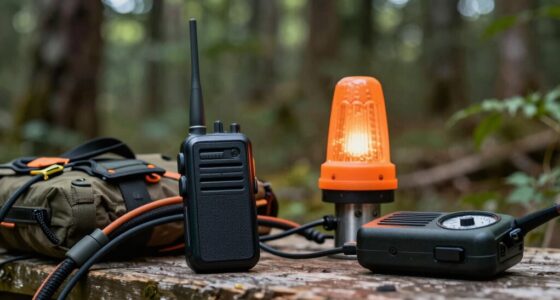
Once you’ve assembled your emergency supplies, it’s important to establish clear communication strategies to stay connected during a power outage. Start by creating an emergency communication plan that includes contact information for family, friends, and local emergency services. Share this plan with everyone in your household and practice it regularly. Engaging in community outreach can help you learn about neighborhood resources and support networks, making coordination easier during outages. Keep a list of alternative communication methods, such as battery-powered radios or cell phones with backup power. Guarantee everyone knows how to access important updates through local alerts or social media. Developing these communication strategies ensures you stay informed and connected, reducing confusion and enhancing safety during power disruptions.
Tools and Resources to Monitor and Reduce Power Outage Risks

To effectively monitor and reduce power outage risks, you need to leverage a variety of tools and resources designed for real-time detection and proactive management. Solar monitoring systems help you track your solar energy production, ensuring your backup power sources are functioning correctly. Outage alerts provide instant notifications whenever there’s a power disruption, allowing you to respond quickly and minimize downtime. Smart home devices, such as connected thermostats and security systems, can also detect outages and alert you immediately. Additionally, utility company apps often offer outage maps and updates, keeping you informed about regional issues. Combining these tools enables you to stay ahead of potential problems, optimize your backup systems, and maintain safety and comfort during power interruptions.
Frequently Asked Questions
How Often Do Power Outages Typically Occur in Residential Areas?
Power outages in residential areas typically happen a few times a year, often influenced by storm frequency and weather conditions. You might experience outages lasting a few hours during storms or more extended periods if severe weather causes widespread damage. While outages are usually brief, heavy storms can increase both their frequency and duration, so staying prepared helps you manage these disruptions effectively.
What Insurance Coverage Is Available for Damages Caused by Power Outages?
You can file insurance claims for damages caused by power outages, but coverage options vary widely. Most homeowners insurance policies cover power surge damages to electronics and appliances, while some policies may include coverage for food spoilage or water damage caused by outages. Review your policy carefully to understand your specific coverage options, and consider adding riders or supplemental coverage if you want broader protection against outage-related damages.
Can Renewable Energy Sources Help Prevent Power Disruptions?
A power outage can feel like the end of the world, but renewable energy sources can help you stay powered. Solar batteries store excess sunlight for emergencies, while wind turbines generate electricity even when the grid fails. By investing in these technologies, you’re building a resilient home that can withstand disruptions, ensuring you stay connected and safe no matter what nature throws your way.
How Does Weather Forecasting Improve Power Outage Preparedness?
Weather forecasting improves your power outage preparedness by giving you early warnings based on weather patterns. When forecast accuracy is high, you can take proactive steps, like securing your appliances or preparing backup power. By understanding upcoming storms or extreme weather, you reduce your risk of unexpected outages. Staying informed with reliable forecasts helps you plan better, ensuring you’re ready to handle potential disruptions before they happen.
What Are the Long-Term Infrastructure Improvements to Reduce Outage Frequency?
You can reduce outage frequency by investing in long-term infrastructure improvements like upgrading to a smart grid, which enhances communication and quickens repairs. Additionally, replacing overhead wiring with underground wiring minimizes weather-related damage. These measures increase resilience, improve reliability, and guarantee faster restoration times, helping you experience fewer outages and greater stability in your power supply over time.
Conclusion
Protect your property by pinpointing potential power pitfalls and preparing proactively. By evaluating vulnerabilities, verifying essential devices, and creating a clear contingency plan, you’ll prevent prolonged power problems. Stay savvy, stay secure—safeguard your space from sudden power stoppages. With the right resources and routines, you’ll confidently confront outages and keep your home humming happily. Power preparedness isn’t just practical; it’s your peace of mind in practice.
Halloween Picks
halloween
As an affiliate, we earn on qualifying purchases.