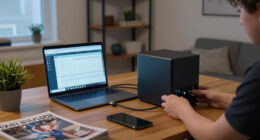


Compare 14 tech gadgets for dad, from precision repair kits and measuring tools to multitool pens, and find the right fit for his hobbies.
The Latest
14 Best Tech Gadgets For Dad In 2027
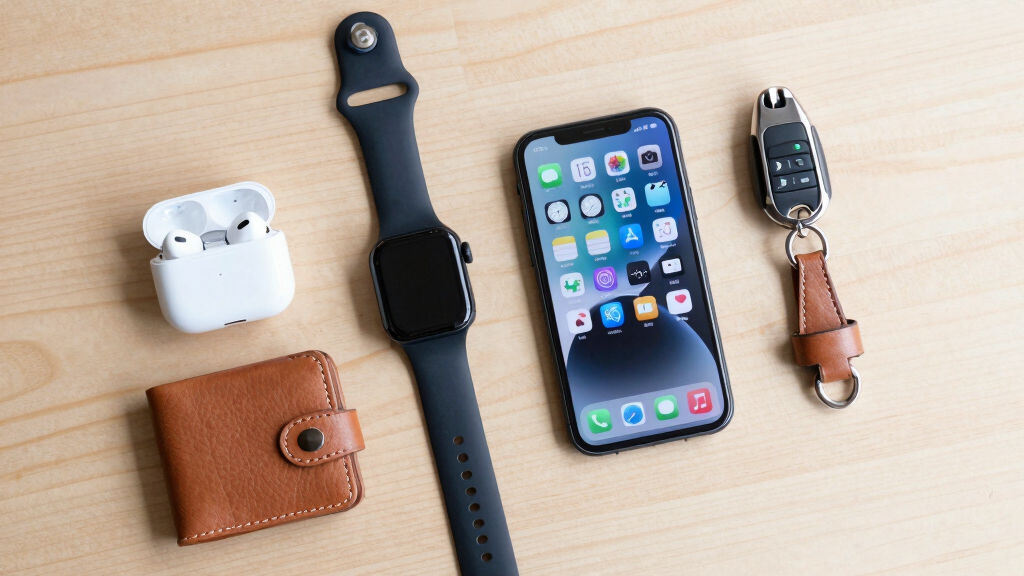
5 Best Personal Tracker Devices for Solo Travelers in 2027
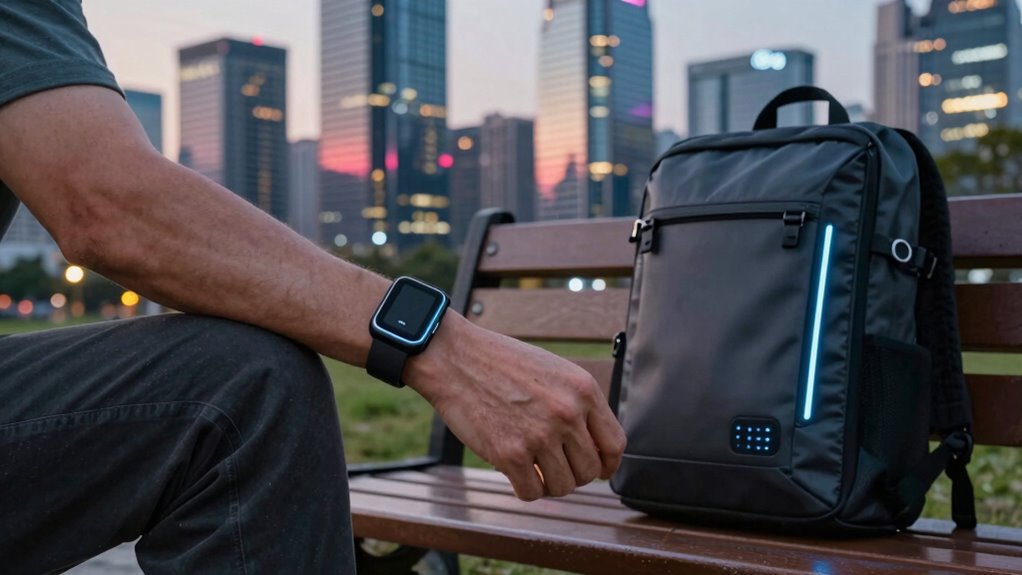
Compare the best personal tracker devices for solo travelers in 2027. Find top picks for safety, luggage tracking, and discreet protection with clear tradeoffs.
5 Best RV Door Alarm and Sensor Kits for 2027
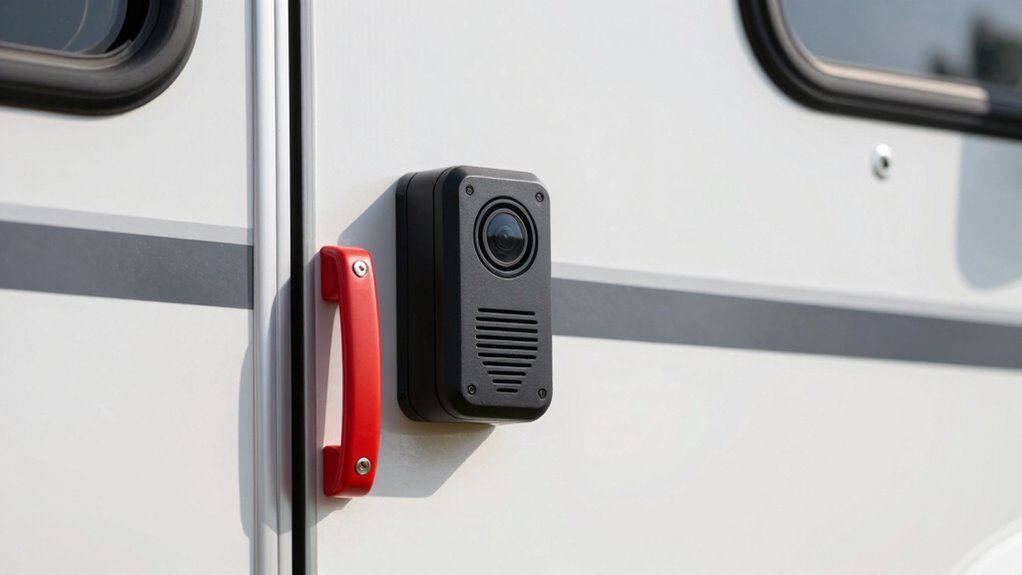
Compare the best RV door alarm and sensor kits. Find the right fit for your camper, from simple battery-powered sirens to smart Wi-Fi systems with app alerts.
11 Best Smart Halloween Window Projectors for 2027
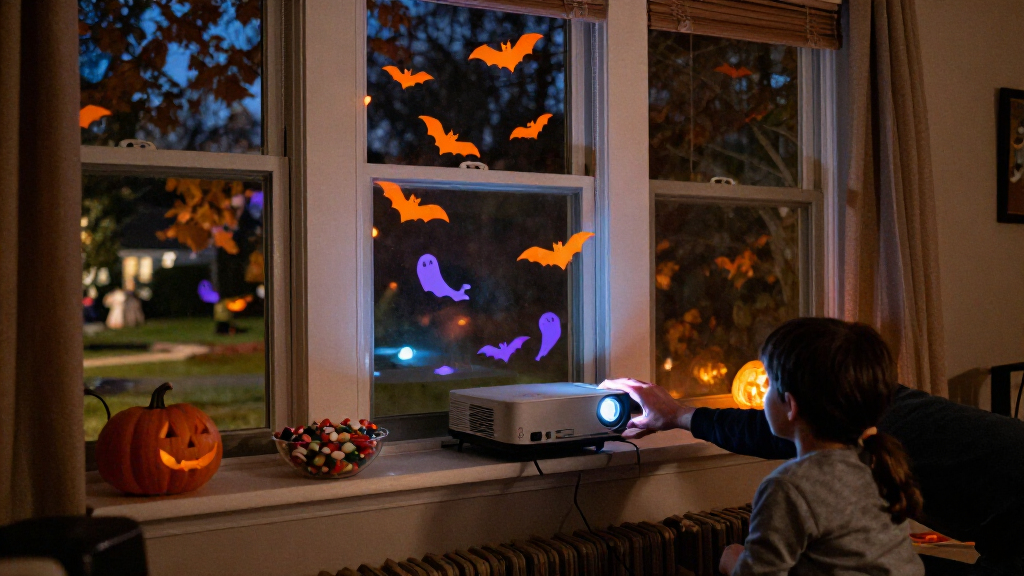
Compare the top smart Halloween window projectors for 2027. Find the best for brightness, connectivity, and ease of setup to transform your home decor.
Where Can Greptile Find Bugs Beyond Code Review?

A headline links Greptile’s bug-detection work beyond code review with GPT-6 Astra, but product details, availability and performance remain unconfirmed.
We’re Helping Farmers Around The World Connect To Essential Services Online.
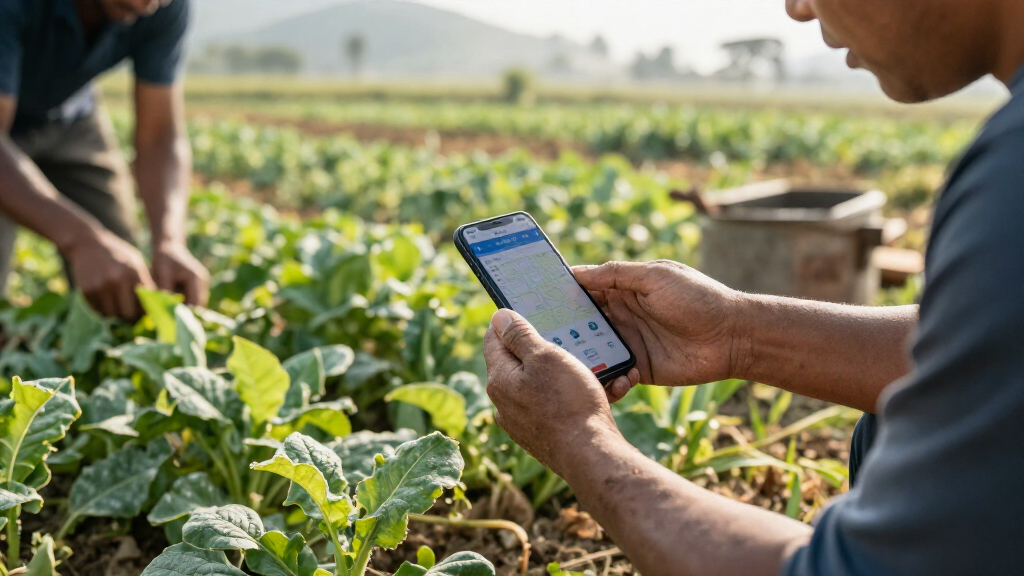
Google.org is providing $2.5 million to support a World Bank Group network aiming to connect 1 million farmers with online services by 2027.
Intel To Acquire Classiq To Create A Full-stack Quantum Computing Platform
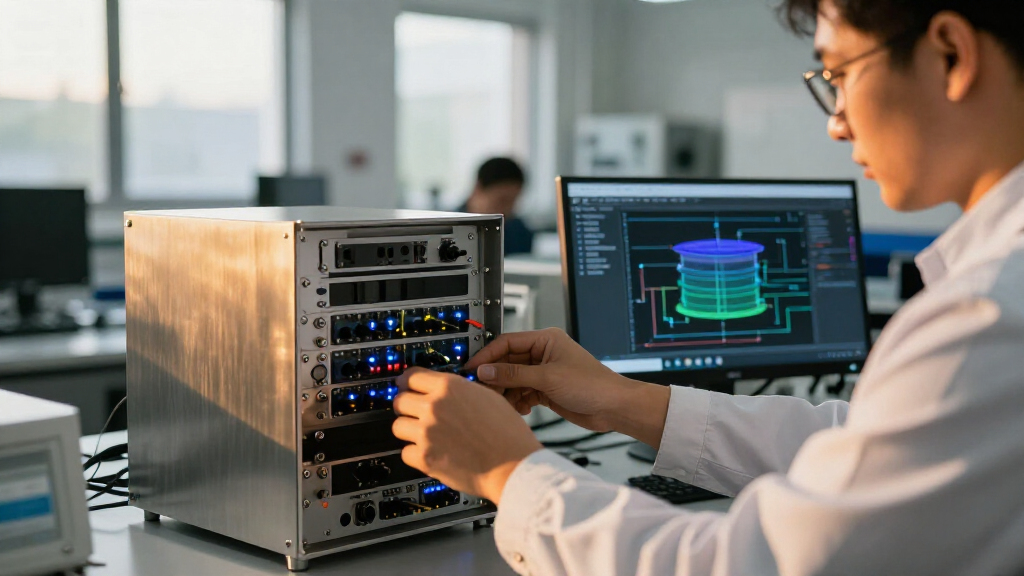
Intel has agreed to buy quantum software company Classiq, pairing its algorithm-design platform with Intel’s quantum hardware work. Closing is expected in 2027.
Powering sub-Saharan Africa Beyond The Grid
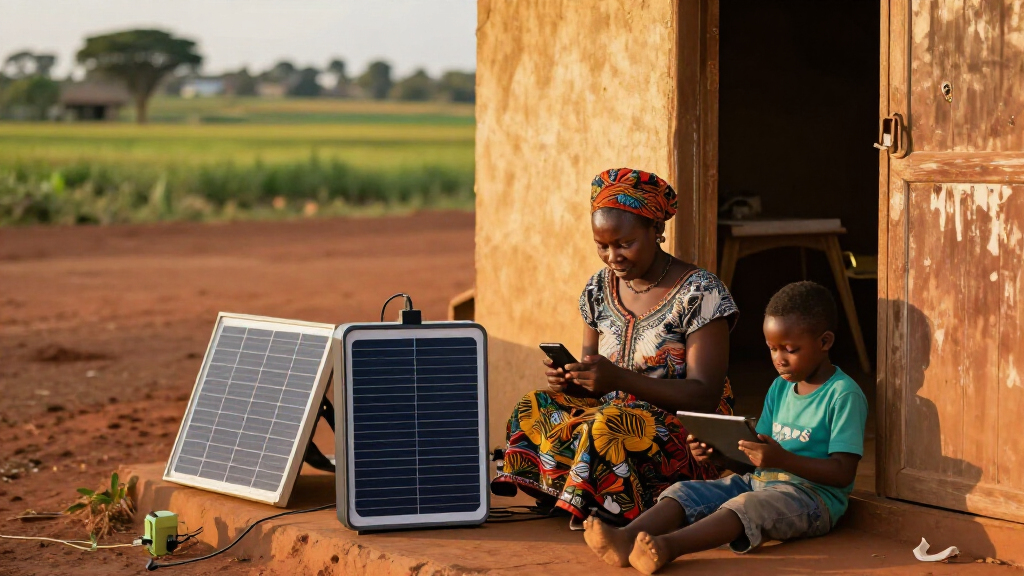
Google says its work with Ignite helped deliver 3.7 million solar devices since 2023 and enabled estimated emissions cuts in early 2026.
Show HN: A Truly Modular Keyboard

Keybytes documents a keyboard built from magnetic, rearrangeable key modules, each with its own microcontroller and connections for power and data.
Why Readers Tire Of AI Text: Six Patterns And Ways To Improve Them

An October 2026 arXiv preprint compares 14 language models with human writing and identifies six patterns that may make AI text harder to process.