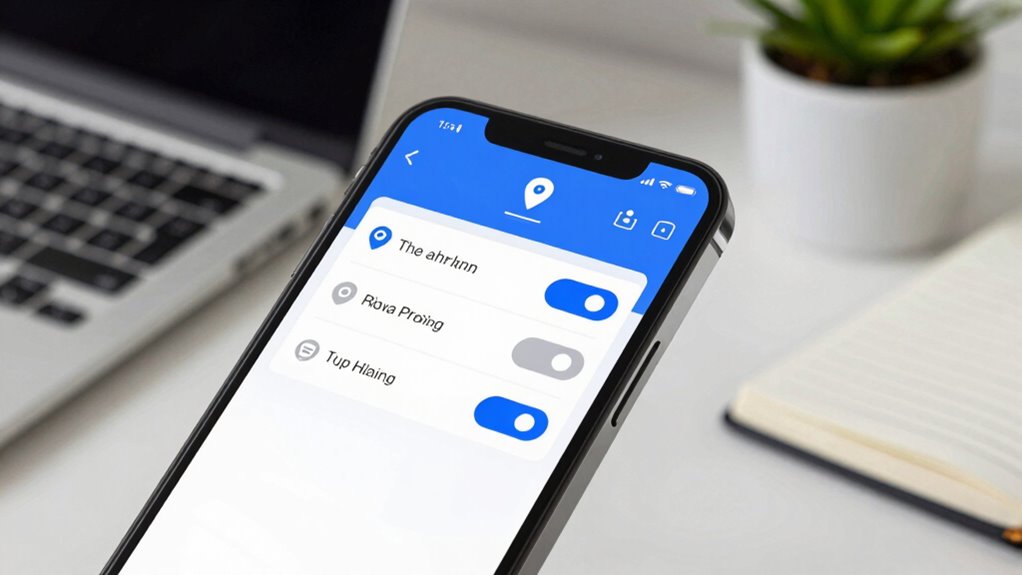

To protect your privacy, check your device’s location permissions now, ensuring only trusted apps have access and only when needed. Review your social media sharing settings to limit who can see your location and clear any unnecessary history. Turn off real-time sharing for apps you don’t require and disable background access if not essential. By controlling these settings, you reduce risks like tracking and data breaches. Continue to explore steps for better privacy management.
Key Takeaways
- Review app-specific location permissions and disable access for apps that don’t need it.
- Check and update your location sharing settings on social media platforms to control visibility.
- Verify device location services are set to appropriate modes like “battery saving” or “device only.”
- Inspect stored location history and delete or disable it to protect your privacy.
- Ensure real-time location sharing is turned off unless actively needed for safety or navigation.

REOLINK Smart 5MP 8CH Home Security Camera System, 4pcs Wired PoE IP Cameras Outdoor with Person/Pet/Vehicle Detection, 4K 8CH NVR with 2TB HDD for 24-7 Recording, RLK8-520D4-5MP
CAPTURE CRIME FROM DETAILS: Discover potential crime has never been so easier with superior 5MP HD. With advanced...
As an affiliate, we earn on qualifying purchases.
Why You Should Regularly Review Your Location Sharing Settings

Regularly reviewing your location sharing settings is essential because your privacy needs can change over time. Privacy policies from apps and services can update, affecting how your data is used and shared. By staying proactive, you guarantee that your location accuracy remains aligned with your comfort level. Sometimes, updates may alter how precisely your location is tracked, increasing exposure risks. Revisiting settings allows you to control who sees your location and how much detail is shared. It also helps you spot any unexpected permissions or changes that could compromise your privacy. Maintaining awareness of your sharing preferences ensures you stay in control of your personal information, adapting to new policies and changing circumstances to protect your privacy effectively. Additionally, understanding location tracking accuracy can help you make informed decisions about your privacy settings, especially as technology evolves and impacts privacy protections. Monitoring privacy risks regularly ensures you are aware of potential vulnerabilities and can act accordingly. Being familiar with app permissions can help prevent unintended data sharing and enhance your overall privacy.

ANNKE 3K Lite Wired Security Camera System Outdoor with AI Human/Vehicle Detection, 8CH H.265+ DVR and 8 x 1920TVL 2MP IP67 Home CCTV Cameras with Smart Dual Light, Color Night Vision, 1TB Hard Drive
AI Motion Detection 2.0 – Driving AI to the next level, human&vehicle detection and flexible detection area are...
As an affiliate, we earn on qualifying purchases.
How to Check and Update Your Location Permissions on Your Phone

To make certain your privacy is protected, it’s important to check and update your location permissions regularly. This helps address privacy concerns and ensures you’re only sharing your location with trusted apps. Start by opening your phone’s settings and steering to the app permissions section. Review which apps have access to your location and adjust accordingly—turn off permissions for apps that don’t need it. Keep in mind, some apps require location access to function properly, so grant permissions thoughtfully. Here’s a quick overview:
| App | Permission Status | Action Needed | Notes |
|---|---|---|---|
| Map App | Allowed | Keep | Essential for navigation |
| Social Media | Allowed | Revoke | Not necessary for privacy |
| Fitness Tracker | Allowed | Keep | For accurate data |
| Shopping App | Denied | No change | Privacy concern avoided |
Regular checks help maintain control over your location sharing settings, which can impact your privacy and security. Being aware of your privacy controls allows you to better safeguard your personal information and avoid unintended disclosures. Additionally, understanding local regulations regarding location data can help you make informed decisions about sharing your information. It’s also beneficial to review app permissions periodically to ensure your privacy preferences are up-to-date. Remember, being proactive in managing your location permissions can prevent potential privacy breaches and give you peace of mind.
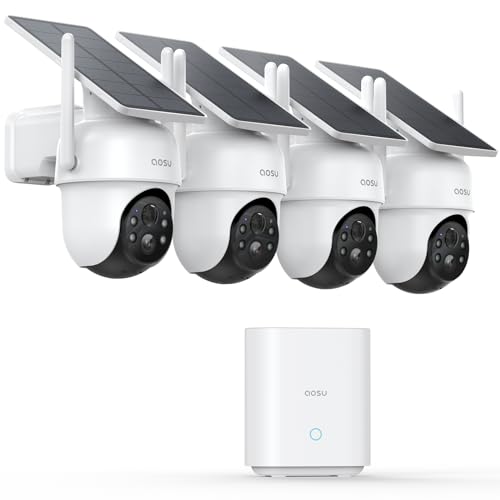
aosu Security Cameras Outdoor Wireless, 4 Cam-Kit, No Subscription Required, Solar-Powered, Home Security Cameras System with 360° Pan & Tilt, Auto Tracking, 2K Color Night Vision, Easy Setup
No Subscription Required with aosuBase: All recordings will be encrypted and stored in aosuBase without subscription or hidden...
As an affiliate, we earn on qualifying purchases.
Managing Your Location Sharing on Social Media Platforms

You should regularly review and adjust your location sharing permissions on social media platforms to control who can see your whereabouts. Consider limiting public visibility and clearing your location history to protect your privacy. Managing these settings helps you share your location only when you’re comfortable doing so, and understanding your privacy preferences allows for better control over your data. Being aware of Gold IRA markets can also help you make informed decisions about your investments and ensure your financial privacy is maintained. Additionally, reviewing cookie categories ensures that your browsing experience aligns with your privacy expectations. Regularly updating your location sharing settings can help prevent unintended disclosures and enhance your overall online security. Staying informed about privacy management best practices empowers you to maintain control over your digital footprint.
Adjust Sharing Permissions
Have you ever wondered how to control who sees your location updates on social media? Adjusting your sharing permissions is key. Start by reviewing your current location permissions for each platform. You can often find these in privacy or settings menus. Change your sharing preferences to limit access—whether you want only close friends, specific groups, or no one at all to see your location. Be mindful of app permissions, as some apps may request access without your knowledge. Regularly updating these settings helps protect your privacy and ensures you’re sharing only with the people you trust. Remember, controlling sharing permissions gives you better oversight of your location data and keeps unwanted viewers at bay. Understanding privacy controls is essential for maintaining your digital security. Additionally, periodically reviewing your location sharing settings ensures ongoing privacy protection. Being aware of platform-specific options can further customize your privacy preferences effectively. Staying informed about cloud security practices can also help safeguard your personal information across digital platforms. Properly managing these settings aligns with best practices in digital privacy and helps prevent potential data leaks or misuse.
Review Location History
After adjusting your sharing permissions, it’s important to regularly review your location history to stay in control of your data. Checking this history helps you understand what locations are stored and how your movements are being tracked. Many social media platforms keep a record of your location over time, which can raise privacy concerns if not monitored. By reviewing your location history, you can identify any entries that you didn’t authorize or no longer want stored. Removing or disabling old location data reduces potential risks, like unauthorized access or misuse. Staying informed about your location history empowers you to make better privacy decisions and maintain control over your personal information. Regular reviews are a simple but effective way to protect your privacy on social media. Additionally, understanding location sharing settings can help you customize what data you share and with whom. Being aware of your location data helps you prevent unintended disclosures and enhances your overall privacy management. Remember that privacy controls can vary across platforms, so staying current with updates ensures you continue to protect your information effectively. It’s also beneficial to periodically update your app permissions to ensure your privacy preferences are consistently enforced.
Limit Public Visibility
To protect your privacy, it’s essential to control who can see your location information on social media platforms. Limiting public visibility helps you maintain clear privacy boundaries and enforce sharing boundaries. Start by reviewing your profile settings to restrict location sharing to trusted friends only. Next, consider setting your posts to “Friends” or “Close Friends” instead of “Public,” reducing unnecessary exposure. Finally, disable location tags on posts and stories unless absolutely necessary. This way, you prevent random viewers from accessing your location details. Being proactive in managing your visibility ensures that only designated individuals can see your location, minimizing risks and keeping your privacy boundaries intact. Regularly updating your settings also helps you stay vigilant and match your comfort level.
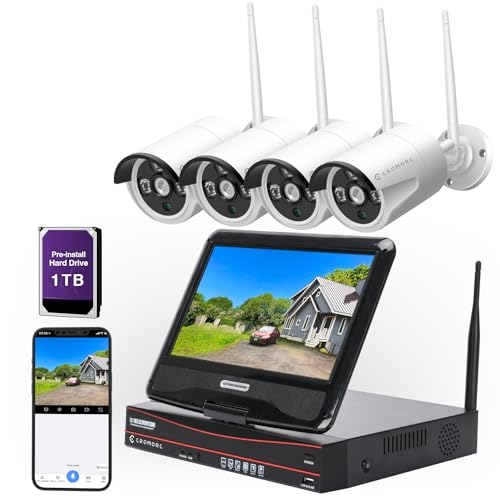
Cromorc 10CH Expandable Wireless Security Camera System with 10.1" Monitor 4pcs 5MP Indoor Outdoor Camera 1-Way Audio Night Vision Motion Detection Home Business CCTV Surveillance 1TB HDD
EASY SETUP, COMPLETE SET WITH MONITOR AND HDD: Our wireless securty camera system integrated with 10CH 5MP NVR,...
As an affiliate, we earn on qualifying purchases.
Controlling Location Access for Navigation and Map Apps

Controlling location access for navigation and map apps is essential for protecting your privacy while still benefiting from accurate directions. You should review your geolocation permissions regularly to prevent apps from accessing your location unnecessarily. Limiting background access guarantees apps only track when needed, improving GPS accuracy and conserving battery life.
| Setting | Recommended Action |
|---|---|
| Geolocation permissions | Grant only while using the app to prevent constant tracking |
| GPS accuracy | Enable high-precision mode for better directions |
| Background access | Disable unless necessary for navigation updates |
Adjusting these settings helps keep your location data secure without sacrificing navigation quality. Regularly check app permissions to stay in control of your location sharing.
What Are the Privacy and Security Risks of Sharing Your Location?

Sharing your location can make it easier for others to track you without your permission, increasing your risk of unauthorized monitoring. Additionally, if your location data isn’t well protected, hackers could access it during a data breach. Being aware of these risks helps you make smarter choices about when and with whom you share your location.
Unauthorized Tracking Risks
Sharing your location might seem harmless, but it opens the door to serious privacy and security risks. Unauthorized tracking is a major concern, especially if malicious actors access your data. Tracking devices, sometimes covertly installed, can monitor your movements without your knowledge. Additionally, weak privacy policies on apps or devices might leave your location data vulnerable to misuse or third-party access. To reduce risks, consider these steps:
- Regularly review app permissions and disable location sharing when unnecessary.
- Be cautious about sharing your location with unknown or untrusted contacts.
- Read privacy policies carefully to understand how your data is stored and used.
Taking these precautions helps protect your privacy and prevents unauthorized tracking.
Data Breach Possibilities
When you share your location, you risk exposing sensitive information that can be exploited through data breaches. Hackers or malicious apps can access your data, leading to privacy violations or targeted attacks. Geo fencing concerns arise when your location data is used to create boundaries for targeted advertising or surveillance, increasing the risk if this information falls into the wrong hands. Additionally, location spoofing can be used to manipulate your real whereabouts, complicating security measures and enabling impersonation or fraud. If your location data isn’t properly protected, breaches can reveal your daily routines, home address, or travel habits. To minimize these risks, review your sharing settings regularly and be cautious about third-party app permissions that could lead to your data’s exposure.
How to Disable or Limit Location Sharing for Better Privacy

To protect your privacy, it is essential to take control of your location sharing settings. You can do this by adjusting permissions to limit who sees your location and when. First, review app permissions and disable location access for apps that don’t need it. Second, turn off real-time location sharing features when not necessary, reducing unnecessary exposure. Third, consider setting your device’s location services to “battery saving” or “device only” mode, which limits precise data. Remember, sharing etiquette is key—only share your location with trusted contacts and only when needed. This approach enhances your location awareness without sacrificing privacy, giving you control over your data while still staying connected.
Tips for Using Location Sharing Features Safely and Responsibly

Using location sharing features responsibly helps safeguard your privacy and guarantees you don’t accidentally reveal too much information. To address privacy concerns, always review your sharing settings and limit access to trusted contacts. Manage consent carefully by understanding who can see your location and for how long, and adjust permissions regularly. Avoid sharing real-time location data in public or with unknown contacts, as this can expose sensitive details. Use features like temporary sharing or only share your location when necessary, then disable them afterward. Keep in mind that clear consent management ensures you maintain control over your information. Being cautious and proactive with your settings helps protect your privacy and prevents potential misuse of your location data.
What to Do If You Suspect Your Location Privacy Has Been Compromised?

If you suspect that your location privacy has been compromised, acting quickly is essential to protect your personal information. First, check for any unexpected privacy alerts from your device or apps that indicate suspicious activity. Next, disable location sharing immediately to prevent further data leaks. Finally, review your emergency features to ensure they’re secure and haven’t been exploited. To strengthen your privacy, consider the following steps:
- Revoke app permissions for location access that you no longer trust.
- Update your device and app software to patch security vulnerabilities.
- Enable two-factor authentication on your accounts for added security.
Frequently Asked Questions
Can I Share My Location Anonymously?
Yes, you can share your location anonymously by adjusting your privacy settings. Most apps allow you to disable identifiable information or hide your name, ensuring your privacy concerns are addressed. Make sure to review the sharing options and select anonymous sharing if available. Doing so helps protect your identity while still allowing you to share your location when needed, giving you control over your personal information and peace of mind.
How Accurate Is My Device’s Location Data?
Your device’s location data is generally quite precise, though it can sometimes be a bit like a detective’s guesswork. For privacy concerns, it’s wise to review your location history regularly, as it reveals where you’ve been. While technology aims for accuracy, factors like weather or tall buildings might cause slight deviations. Stay vigilant to make certain your location sharing aligns with your privacy preferences and keeps your movements under your control.
Do All Apps Request Location Permissions by Default?
No, not all apps request location permissions by default. You should actively manage permissions to address privacy concerns and control which apps access your location. When installing or opening apps, they may ask for permission, but you can deny or grant access based on your comfort level. Regularly checking and adjusting permission management helps protect your privacy and ensures only trusted apps access your location data.
How Can I Prevent Apps From Accessing Background Location?
You can prevent apps from accessing background location by adjusting your app permissions. Go to your device’s settings, find the app in question, and tap on ‘Permissions.’ Then, select ‘Location’ and change the permission from ‘Always’ or ‘Background’ to ‘While Using the App’ or ‘Deny.’ This restricts background location access, ensuring apps only access your location when you’re actively using them, enhancing your privacy.
Is There a Way to See Who Has Accessed My Shared Location?
Yes, you can check who accessed your shared location by reviewing your device’s location sharing history or activity logs, often found in privacy settings. Many apps and platforms log location tracking activity for your review. If you’re concerned about privacy, regularly monitor these logs to spot any unauthorized access, and adjust your sharing settings accordingly to prevent future privacy concerns related to location tracking.
Conclusion
By regularly reviewing and adjusting your location sharing settings, you protect your privacy and keep your personal life secure. It might seem like a hassle, but think of it as locking your front door—you wouldn’t leave it wide open, so don’t leave your location vulnerable either. Taking these simple steps guarantees you stay in control, giving you peace of mind while still enjoying the convenience of location features when you need them.