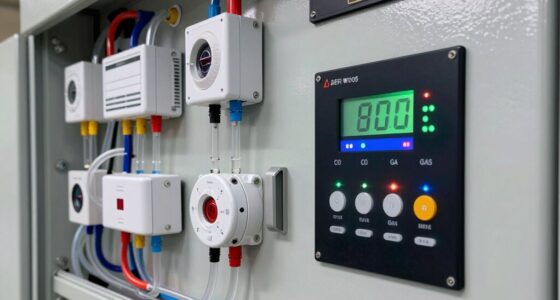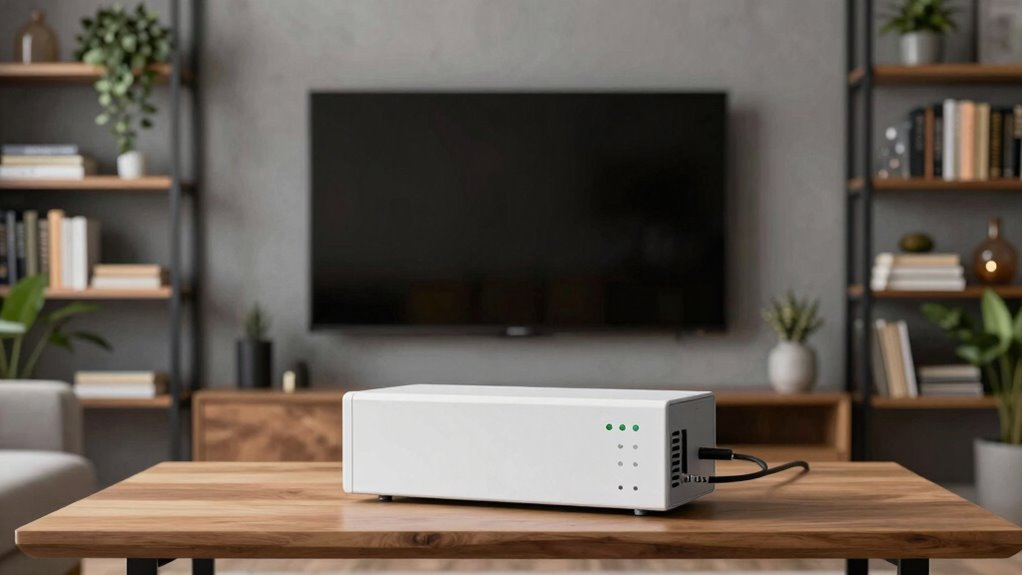

To decide what needs backup power first, identify systems crucial for safety, security, and core operations. Focus on devices that keep your home or business functioning, such as refrigerators, heating, communication tools, servers, and security systems. Evaluate each device’s role and dependency on continuous power, prioritizing those essential for safety and vital services. By understanding these needs, you’ll be better prepared. Keep exploring to learn how to implement effective backup solutions tailored to your priorities.

Get the latest gadgets delivered free — and shop member deals
- Fast, free delivery on millions of items
- Access to Prime Big Deal Days deals on October 6–7
- Prime Video, Amazon Music and more included
Key Takeaways
- Identify essential systems that ensure safety, health, and security during power outages.
- Assess each device’s role and dependency to determine its criticality.
- Prioritize backup for devices vital to safety, communication, and core operations.
- Balance backup capacity by focusing on high-priority needs first to maximize efficiency.
- Consider the potential impact and consequences of device failure during outages.
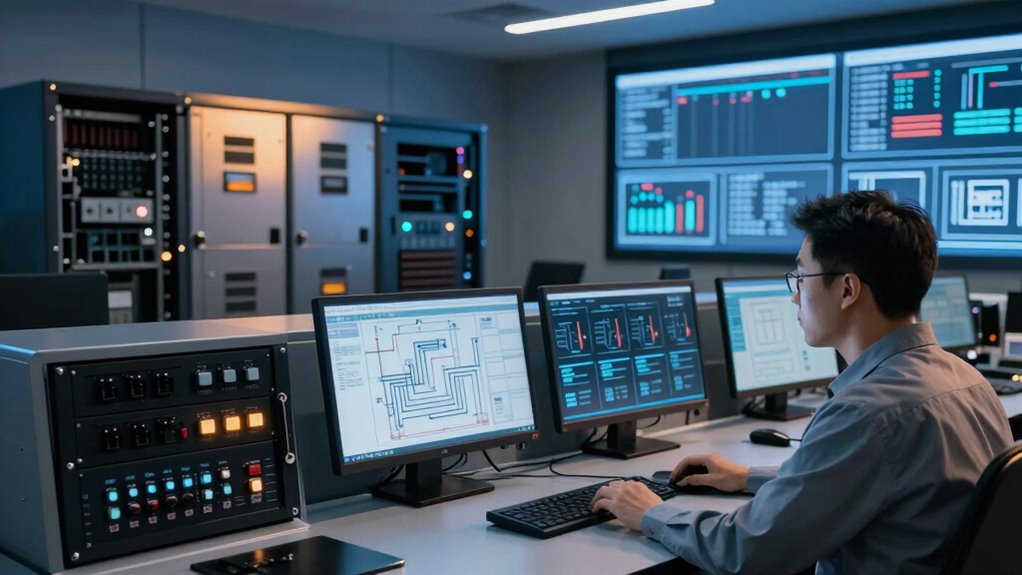
When considering backup power options, it’s crucial to identify which systems and devices are essential enough to warrant uninterrupted operation during outages. This process begins with energy prioritization—determining which components require immediate power to ensure safety, functionality, and continuity. You need to evaluate each device or system’s importance, considering its role in your daily operations and its level of power dependency. For example, in a home setting, your refrigerator, heating system, and communication devices might top the list. In a business, essential equipment like servers, point-of-sale systems, or security systems could be prioritized.
Understanding your energy prioritization helps you allocate backup resources efficiently. It’s tempting to aim for thorough coverage, but that often isn’t practical or cost-effective. Instead, focus on what’s truly critical, and plan your backup power around those needs first. This approach ensures that, even during extended outages, your most crucial systems remain operational. It also prevents overextending your backup capacity on less important devices, which could lead to insufficient power for essentials.
Next, consider the power dependency of each device or system. Power dependency refers to how reliant a device is on continuous power to function properly. Some devices, like medical equipment or refrigeration units, require uninterrupted power to prevent safety hazards or spoilage. Others, like lighting or entertainment systems, may not be as critical. By mapping out these dependencies, you can make smarter decisions about which systems need backup power first. For instance, if a backup generator can only support limited loads, you’ll want to prioritize essential medical devices or critical business servers over less urgent equipment.
The complexity of your power dependency analysis depends on your specific situation. For homes, it might be straightforward—focusing on heating, cooling, and refrigeration. For larger organizations, it could involve detailed assessments of each system’s criticality and dependencies. Additionally, understanding the power dependency of your devices can help optimize your backup power setup. Incorporating energy management strategies can further enhance the efficiency and sustainability of your backup solutions. For example, implementing energy conservation techniques can reduce overall power needs and extend backup capacity. Once you’ve identified the most vital systems, you can select appropriate backup solutions—such as generators, uninterruptible power supplies (UPS), or batteries—that match your energy prioritization needs. Additionally, incorporating biodiversity considerations into your planning can help ensure sustainable and environmentally conscious backup solutions.
Ultimately, deciding what needs backup power first is about balancing safety, functionality, and cost. By understanding your energy prioritization and power dependency, you ensure that your backup power plan is efficient and effective. This strategic approach minimizes disruptions and keeps your most important systems running when the grid goes down, providing peace of mind and operational continuity during outages.
uninterruptible power supply UPS for home
As an affiliate, we earn on qualifying purchases.
As an affiliate, we earn on qualifying purchases.
Frequently Asked Questions
How Do I Determine the Total Backup Power Capacity Needed?
To determine the total backup power capacity needed, start by evaluating your critical devices’ power consumption. List each item and note its wattage or amperage. Prioritize the load based on importance, then add up their wattages to find your total power requirement. This load prioritization helps you decide how much backup power you need, ensuring your essential systems stay operational during outages without overestimating your backup capacity.
What Safety Considerations Are Important When Installing Backup Power Systems?
Prioritize fire safety and emergency preparedness when installing backup power systems. Guarantee proper grounding to prevent electrical hazards, and verify that all connections meet safety standards. Regularly inspect and maintain your system to prevent malfunctions. Keep clear access to emergency shut-offs, and educate yourself on safety protocols. By emphasizing fire safety and emergency preparedness, you reduce risks, protect your property, and ensure reliable backup power during critical moments.
Can Backup Power Systems Be Integrated With Existing Electrical Setups?
Yes, backup power systems can be integrated with your existing electrical setup. You should guarantee regular generator maintenance to keep it reliable and monitor battery lifespan to prevent failures. Proper integration involves professional installation, compatible components, and seamless switching mechanisms. By maintaining your system and checking batteries regularly, you’ll guarantee your backup power activates swiftly during outages, providing continuous power and safety for your home or business.
How Often Should I Test My Backup Power System?
You should test your backup power system at least once a month—it’s essential for avoiding a catastrophe that could rival a hurricane’s wrath. Regular maintenance routines ensure everything runs smoothly, so schedule inspections and battery checks consistently. Don’t forget to plan for system upgrades when needed; technology evolves, and keeping your system current guarantees maximum reliability during emergencies. Staying proactive saves you from unexpected failures and keeps your power secure.
What Are the Costs Associated With Different Backup Power Options?
You’ll find costs vary based on your backup power option. A generator usually has a higher upfront cost but lower maintenance expenses, while a battery backup system might cost less initially but require ongoing replacement and monitoring. Conduct a cost comparison to see which fits your budget, considering installation, fuel or electricity costs, and regular maintenance. Remember, choosing the most affordable option initially could lead to higher expenses over time.
home generator for essential appliances
As an affiliate, we earn on qualifying purchases.
As an affiliate, we earn on qualifying purchases.
Conclusion
By prioritizing critical systems, evaluating the importance of each device, and understanding their impact during outages, you guarantee your backup power serves you best. Focus on what keeps you safe, what maintains your essential functions, and what prevents costly damages. In making these decisions, you protect your home, support your work, and preserve your peace of mind. Decide wisely, act decisively, and prepare thoroughly—because the right backup power choices keep everything running smoothly when it matters most.
As an affiliate, we earn on qualifying purchases.
emergency power supply for security systems
As an affiliate, we earn on qualifying purchases.
As an affiliate, we earn on qualifying purchases.
Fall Picks
fall essentials
As an affiliate, we earn on qualifying purchases.