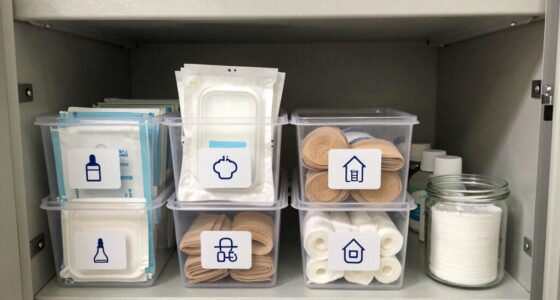
To make preparedness feel practical instead of extreme, focus on small, manageable steps integrated into your daily routine, like checking your emergency kit monthly or updating contact info annually. Keep supplies simple and only store essentials that suit your family’s needs, avoiding clutter. Practice quick conversations about plans to reduce stress, and familiarize yourself with local hazards and resources. By gradually incorporating these routines, preparedness becomes manageable and less overwhelming—stick with it, and you’ll discover more easy ways to stay ready.

Get the latest gadgets delivered free — and shop member deals
- Fast, free delivery on millions of items
- Access to Prime Big Deal Days deals on October 6–7
- Prime Video, Amazon Music and more included
Key Takeaways
- Integrate small, manageable steps like monthly kit checks into daily routines.
- Focus on essential items and realistic plans rather than over-preparing.
- Regularly update and review plans to keep them relevant and manageable.
- Communicate clearly and simply, avoiding complex or intimidating instructions.
- View preparedness as a gradual process, not a one-time, overwhelming task.
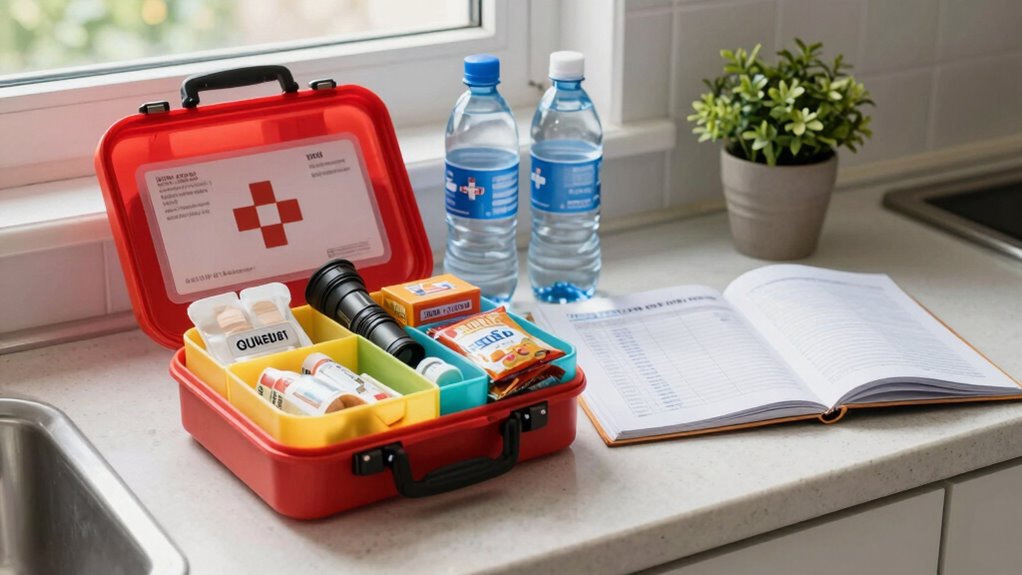
Are you ready to face unexpected emergencies with confidence? The idea of preparedness often feels overwhelming, like it’s reserved for extreme situations or survivalists. But it doesn’t have to be that way. Making preparedness practical means breaking it down into manageable steps that fit into your daily routine, so it feels less like a burden and more like an essential part of your life. Start by creating a simple emergency kit. This doesn’t mean filling a closet with supplies; instead, gather basic items like bottled water, non-perishable snacks, a flashlight, batteries, a first-aid kit, and personal hygiene essentials. Keep this kit in a designated spot that’s easily accessible. When it’s ready, it’s easier to stay calm during a small crisis because you know you have the essentials nearby.
Equally important is establishing effective family communication. This doesn’t have to be complicated or formal—think of it as creating a plan everyone understands and can follow without stress. Talk with your family about what to do in emergencies, such as power outages or severe weather. Decide on a meeting spot outside your home and share contact information, including an out-of-town emergency contact. Practicing these conversations makes them feel natural and straightforward, reducing panic when an actual emergency occurs. You don’t need elaborate drills; just quick discussions that get everyone on the same page. This way, even in a stressful situation, your family can stay connected and make decisions quickly. Understanding community resources also adds to your preparedness by helping you know where to turn for help if needed. Incorporating biodiversity awareness into your planning can help you recognize local natural hazards and resources, making your preparedness more aligned with your environment. The key is to integrate preparedness into your everyday life gradually. For example, incorporate small steps, like checking your emergency kit monthly or updating your family communication plan once a year. These actions become routine, not burdensome. Additionally, understanding local hazards and how they might affect your area can further tailor your preparedness efforts. Being familiar with community hazards can help you prepare more effectively and avoid surprises when a situation arises. Also, think about your community’s resources—know where the nearest shelter is or how to get help if needed. This knowledge makes preparedness more practical because you’re not just preparing for the worst in theory; you’re understanding how to act and where to turn when necessary.
As an affiliate, we earn on qualifying purchases.
Frequently Asked Questions
How Do I Start Small With My Preparedness Efforts?
Start small by adopting an emergency mindset and making a mindset shift. Begin with simple steps like storing a few bottled waters and non-perishable snacks. Set achievable goals, like planning a basic emergency kit or creating a family communication plan. These actions help you feel prepared without overwhelm, making preparedness feel practical. Over time, as confidence grows, you can gradually add more items and strategies, reinforcing your sense of readiness.
What Are Affordable Ways to Prepare Without Overspending?
Did you know that 60% of Americans lack enough emergency supplies? To prepare affordably, start with simple budget planning by setting aside small amounts regularly. Focus on essential emergency supplies like water, non-perishables, and a basic first aid kit. Buy in bulk where possible, look for sales, and prioritize versatile items. This way, you build your preparedness gradually without overspending, making it practical and manageable.
How Can I Involve My Family in Preparedness?
You can involve your family in preparedness by having open family communication about emergency plans and encouraging everyone to share their ideas. Assign clear emergency roles to each member, like gathering supplies or helping kids stay calm. Practice your plan regularly so everyone knows what to do, making preparedness feel like a team effort. This approach boosts confidence and guarantees everyone feels responsible and ready for any situation.
What Are Common Mistakes to Avoid in Preparedness?
You should avoid neglecting a thorough risk assessment, which guarantees your preparedness efforts are realistic and targeted. Also, don’t overlook resource management; hoarding supplies can cause issues, while poor planning wastes resources. Stay balanced by regularly updating your plans based on changing risks. By focusing on these areas, you prevent unnecessary stress and make preparedness feel more manageable and practical, rather than overwhelming or extreme.
How Do I Maintain Preparedness Over Time?
You can stay prepared by making it a daily habit, not a intimidating task. Regularly review your emergency communication plans and update resources like food, water, and supplies. Practice drills to keep skills sharp and guarantee everyone knows their roles. Break tasks into manageable steps so preparedness feels natural, not overwhelming. Consistent effort keeps your readiness level high, turning preparedness into a lifelong routine rather than a fleeting project.
As an affiliate, we earn on qualifying purchases.
Conclusion
By incorporating small, manageable steps into your routine, preparedness becomes practical rather than overwhelming. Remember, nearly 60% of Americans feel unprepared for emergencies—don’t let yourself be part of that statistic. Focus on simple actions like stocking a few supplies or creating a basic plan. When you make preparedness approachable, it’s easier to stay consistent and confident, turning it into a helpful habit rather than an intimidating task. Small steps today build peace of mind for tomorrow.
portable flashlight with batteries
As an affiliate, we earn on qualifying purchases.
As an affiliate, we earn on qualifying purchases.
As an affiliate, we earn on qualifying purchases.
Fall Picks
fall essentials
As an affiliate, we earn on qualifying purchases.