
To test emergency power systems safely, first review and follow strict safety protocols, including grounding equipment and wearing protective gear. Prepare your facility by ensuring all maintenance and safety devices are current, and inform your team with clear instructions. Develop an extensive testing plan that focuses on safety procedures, assign roles, and plan scenarios. During testing, monitor systems closely, communicate clearly, and record all results and safety concerns. Continue exploring best practices to keep everyone protected during every test.

Get the latest gadgets delivered free with Prime
- Fast, free delivery on millions of items
- Prime Video, Amazon Music and more included
- Member-only deals all year
Key Takeaways
- Follow strict safety protocols, including grounding equipment and wearing protective gear, before initiating any tests on emergency power systems.
- Conduct thorough system inspections and ensure maintenance and calibration are up-to-date to prevent hazards during testing.
- Restrict access to authorized personnel only, and clearly communicate testing procedures and safety measures beforehand.
- Monitor systems continuously during tests for abnormal fluctuations, and be prepared to halt operations immediately if issues arise.
- Document all testing activities, safety measures, and incidents for review, ensuring compliance and continuous safety improvements.
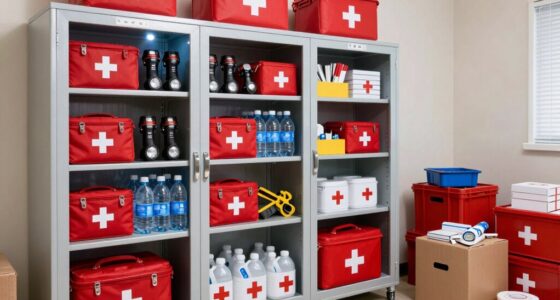
emergency power system testing safety gear
As an affiliate, we earn on qualifying purchases.
As an affiliate, we earn on qualifying purchases.
Why Safety Is Critical When Testing Emergency Power Systems
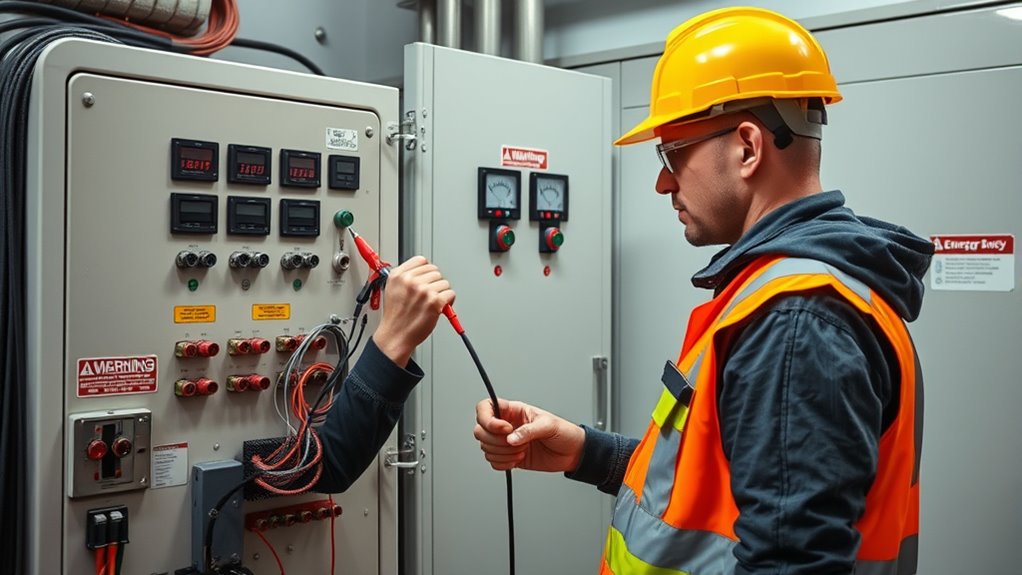
Testing emergency power systems is a critical task that demands strict safety precautions because any oversight can lead to dangerous situations. System malfunctions during testing can cause electrical shocks, fires, or equipment damage if safety protocols aren’t followed. You need to prioritize safety at all times to protect yourself and others. Proper testing procedures are essential to verify system reliability without compromising safety. Following established safety protocols helps prevent accidents and ensures proper handling of emergency power systems. Without these precautions, the risk of unexpected system malfunctions increases, possibly leading to hazardous conditions. Always double-check safety measures before starting tests, such as grounding equipment and wearing protective gear. Conducting thorough system inspections before testing can help identify potential issues early and prevent accidents. Additionally, understanding the system components involved can aid in safer testing practices. Implementing a comprehensive safety plan further minimizes the risk of incidents during testing procedures.
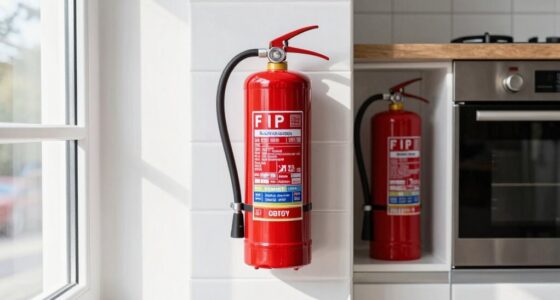
grounding equipment for electrical systems
As an affiliate, we earn on qualifying purchases.
As an affiliate, we earn on qualifying purchases.
Prepare Your Facility and Staff for Safe Testing

To guarantee a safe testing environment, you must properly prepare your facility and staff beforehand. First, ensure all equipment maintenance is up to date so that systems operate reliably during testing. Second, review safety protocols and ensure all safety devices are in place and functioning. Third, hold a staff briefing to clarify roles and emphasize the importance of staff communication throughout the test. Fourth, restrict access to testing areas to authorized personnel only. Clear signage and barriers help prevent accidental entry. Conducting these steps minimizes risks and guarantees everyone knows their responsibilities. Proper equipment maintenance reduces unexpected failures, while effective staff communication keeps everyone informed and coordinated, creating a safe testing environment for all involved. Additionally, understanding emergency power systems and their proper testing procedures can further enhance safety measures. Knowing how to perform system testing correctly ensures that potential issues are identified without risking safety. Regularly reviewing testing protocols helps maintain a high safety standard and preparedness level. Incorporating preventative maintenance routines can also help identify potential failures before testing, further increasing safety. Implementing real-time monitoring systems during testing can provide immediate alerts for abnormal conditions, enhancing overall safety measures.
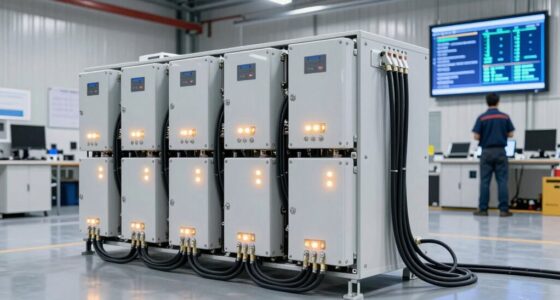
emergency power system inspection tools
As an affiliate, we earn on qualifying purchases.
As an affiliate, we earn on qualifying purchases.
Create a Clear Testing Plan Focused on Safety
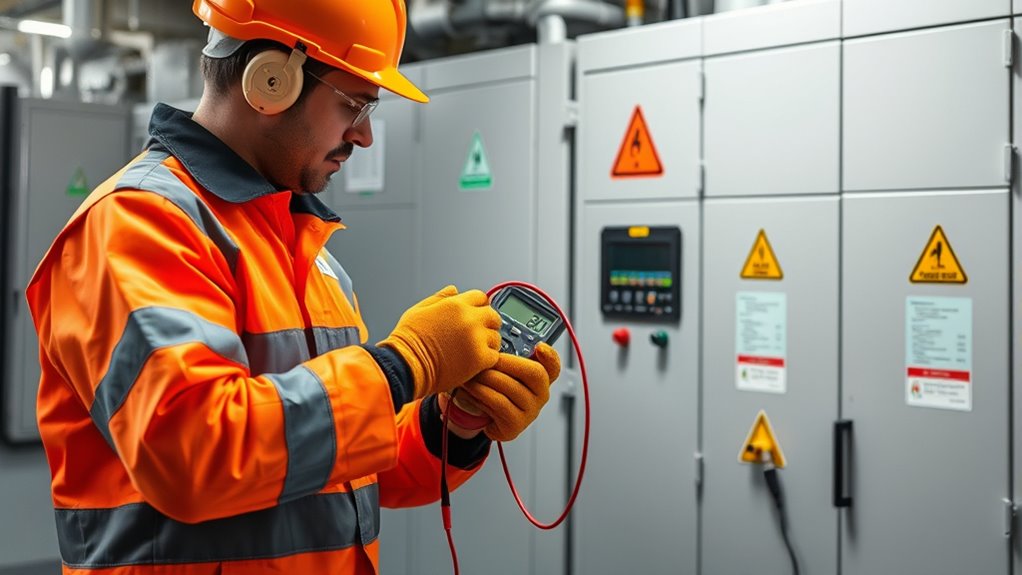
Creating a thorough testing plan centered on safety is essential to prevent accidents and ensure smooth operations. Start by outlining procedures for battery maintenance to verify that batteries are fully charged and in good condition, reducing the risk of failure during an outage. Include detailed steps for equipment calibration to ensure all testing devices are accurate, preventing false readings that could lead to unsafe decisions. Clearly assign responsibilities, set specific testing schedules, and identify potential hazards. Incorporate safety protocols such as wearing protective gear and establishing emergency shutdown procedures. Document every step to guarantee consistency and accountability. Additionally, regularly reviewing electrical safety standards helps keep your procedures aligned with best practices. Incorporating safety audits into your plan can help identify overlooked risks and improve overall safety measures. Maintaining up-to-date training for personnel ensures everyone understands safety procedures and responds effectively during emergencies. Conducting risk assessments prior to testing can further identify vulnerabilities and adapt safety protocols accordingly. Implementing preventive maintenance practices can reduce the likelihood of unexpected failures during critical moments. A well-structured plan minimizes risks, keeps your team prepared, and guarantees that your emergency power system functions reliably when needed.
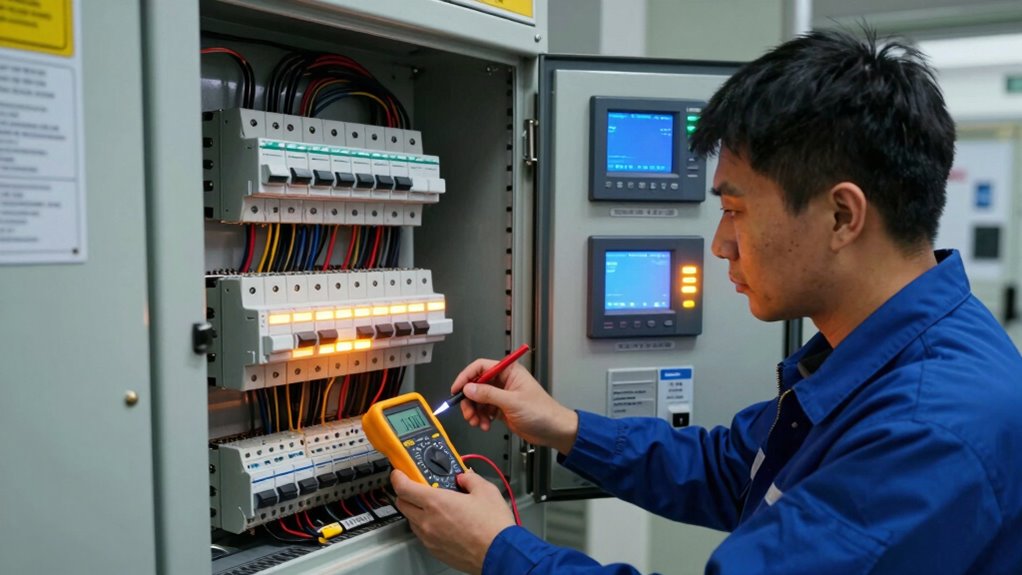
protective clothing for electrical testing
As an affiliate, we earn on qualifying purchases.
As an affiliate, we earn on qualifying purchases.
Monitor and Execute Tests Carefully to Protect Everyone
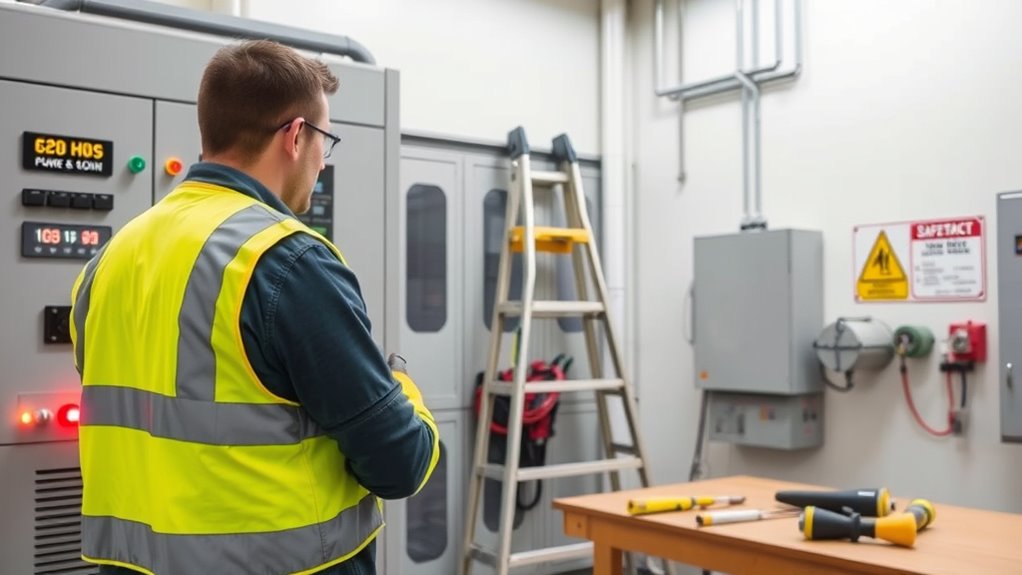
As you begin executing tests on your emergency power system, it is crucial to stay vigilant and prioritize safety at every step. Carefully monitor the system during testing to catch issues early. Focus on these key actions:
- Check battery maintenance regularly to ensure batteries are fully charged and connections are secure. Air purifier maintenance routines can serve as a useful reference for proper upkeep. Regularly inspecting and maintaining the filtration system helps prevent dust and debris from affecting performance. Additionally, understanding floating on water concepts can inform how to manage systems that involve water-based components or cooling methods.
- Verify equipment calibration to guarantee accurate test results.
- Observe real-time data for abnormal fluctuations or signs of malfunction.
- Keep clear communication with your team, alerting them to test progress and potential hazards.
- Incorporate proper organization techniques to ensure all safety protocols and testing procedures are clearly documented and followed.
Record Results and Respond to Safety Concerns
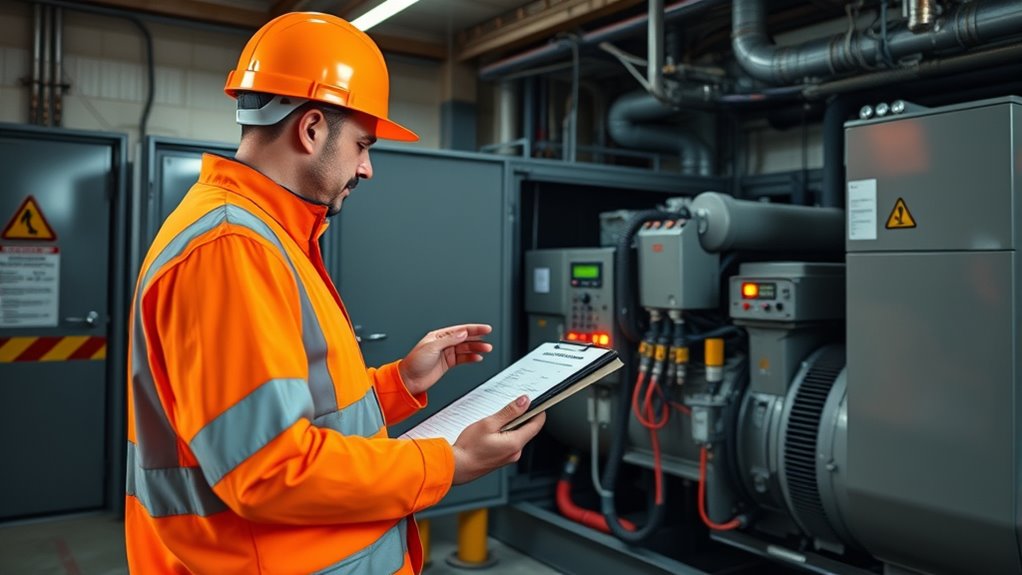
Recording your test results accurately is essential for evaluating system performance and ensuring safety. Follow proper documentation procedures to log each test detail, including date, time, test conditions, and outcomes. Clear records help identify potential issues early and support maintenance scheduling, preventing system failures. If safety concerns arise during testing, address them immediately by halting the test if necessary and notifying the appropriate personnel. Document any safety incidents or anomalies thoroughly, noting the actions taken. Maintaining detailed, organized records not only guarantees compliance with safety standards but also provides a reference for future tests. Additionally, regularly reviewing these records can help detect trends and inform proactive safety measures. Ensuring compliance with safety standards is vital for protecting both people and property during emergency power system testing. Proper record-keeping also facilitates audits and inspections, ensuring ongoing adherence to regulatory requirements. Incorporating proper maintenance procedures can further enhance system reliability and safety during testing. Regularly updating your records to include system performance data can help anticipate potential failures before they occur.
Train Your Team and Keep Safety Protocols Up to Date

To guarantee your team responds effectively during emergencies, you need to conduct regular training sessions. Keep your safety protocols current so everyone is prepared for any situation. Consistently practicing emergency drills will reinforce procedures and build confidence in your team’s response. Incorporating proper sleep hygiene into your training can also help ensure team members remain alert and focused during critical moments. Additionally, understanding manipulation tactics used in high-stress scenarios can improve your team’s ability to recognize and respond appropriately. Staying informed about emergency management best practices can further enhance your overall preparedness and response effectiveness.
Conduct Regular Training Sessions
Regular training sessions are essential to guarantee your team knows how to respond quickly and effectively during an emergency power failure. Consistent practice helps reinforce safety protocols and ensures everyone remains prepared. To maximize effectiveness:
- Conduct simulation exercises that mimic real power failure scenarios, building confidence and response skills.
- Hold regular safety briefings to review procedures and address any updates or concerns.
- Rotate team members through different roles so everyone understands multiple responsibilities.
- Debrief after each training to identify areas for improvement and reinforce proper actions.
These activities keep your team sharp and ready, reducing panic and confusion during actual emergencies. Ongoing training fosters a safety-first mindset and helps ensure your emergency power systems are managed correctly.
Update Safety Protocols Consistently
Updating safety protocols regularly guarantees your team remains prepared for evolving challenges and potential system changes. Consistently reviewing and revising protocols ensures maintenance schedules are current and equipment calibration is accurate. When procedures are up to date, your team can quickly adapt to new safety standards and respond effectively during emergencies. Incorporate feedback from recent tests and inspections to identify gaps or outdated measures. Regular updates help prevent complacency and ensure everyone understands their roles clearly. Document changes thoroughly and communicate updates promptly. This proactive approach minimizes risks, improves response times, and maintains compliance with safety regulations. By keeping safety protocols current, you reinforce a safety-first culture that prioritizes effective testing and reliable emergency power system performance.
Practice Emergency Drills Frequently
Practicing emergency drills frequently is essential to guarantee your team remains prepared for real-life power failures. Regular simulation exercises help identify weaknesses in your response plan and ensure everyone understands their roles. To maximize effectiveness:
- Schedule drills consistently, at least quarterly, to reinforce procedures.
- Include equipment maintenance checks during simulations to confirm all systems function correctly.
- Vary scenarios to cover different failure types and emergency situations.
- Debrief afterward, review performance, and update safety protocols based on lessons learned.
These practices keep your team sharp and confident, reduce response time, and prevent equipment malfunctions during actual outages. Maintaining a routine of simulation exercises and regular equipment maintenance is key to a reliable emergency power response.
Frequently Asked Questions
How Often Should Emergency Power Systems Be Tested for Safety?
You should test emergency power systems at least quarterly to guarantee safety and reliability. Incorporate regular maintenance schedules and keep staff trained on testing procedures to prevent failures. Consistent testing helps identify issues early, and trained staff can respond quickly during emergencies. Make sure to document all tests and maintenance activities, so you maintain compliance and readiness. Regular testing and training are key to ensuring your emergency power systems operate effectively when needed.
What Specific Safety Gear Is Recommended During Testing?
During testing, you should wear essential safety gear to protect yourself from potential hazards; without it, you’re risking more than just a minor mishap. Equip yourself with personal protective equipment like insulated gloves, safety goggles, and ear protection. Emergency response gear, such as fire extinguishers and first aid kits, should be within reach. This gear guarantees your safety against electrical shocks, sparks, or fires, turning a risky task into a controlled, safe process.
How Can I Identify Potential Hazards Before Testing?
You can identify potential hazards before testing by conducting a thorough hazard assessment, which helps you spot risks like electrical shocks or system failures. During this process, look for signs of wear, exposed wiring, or outdated equipment. Use risk mitigation strategies such as isolating power sources and establishing safe zones. This proactive approach guarantees you reduce dangers, making your testing safer for everyone involved.
What Are Common Mistakes to Avoid During Emergency Power Tests?
When testing emergency power systems, avoid common mistakes like skipping testing procedures or neglecting maintenance protocols. Always follow your established procedures carefully, guaranteeing all steps are completed correctly. Don’t rush the process or overlook safety checks, as this can cause system failures or hazards. Keep detailed records of each test, and regularly review maintenance protocols to ensure everything functions properly. Staying diligent helps prevent errors and ensures reliable emergency power readiness.
Who Should Be Responsible for Overseeing Safety During Testing?
Think of safety oversight as the captain guiding a ship through stormy seas. You should be responsible for overseeing safety during testing, ensuring trained crew follow strict training protocols. You’re the one who keeps an eye on procedures, makes sure everyone adheres to safety protocols, and steps in if risks arise. Your role is essential to navigate the test safely, preventing accidents and ensuring everyone’s well-being.
Conclusion
Remember, testing your emergency power systems isn’t just routine—it’s your facility’s lifeline. By staying vigilant, following safety protocols, and preparing thoroughly, you can prevent disasters before they strike. Think of safety as your ultimate shield—without it, a single mistake could turn into a catastrophe. So, take every test seriously, keep your team informed, and never cut corners. Your careful approach can save lives and protect your entire operation from chaos.
Fall Picks
fall essentials
As an affiliate, we earn on qualifying purchases.