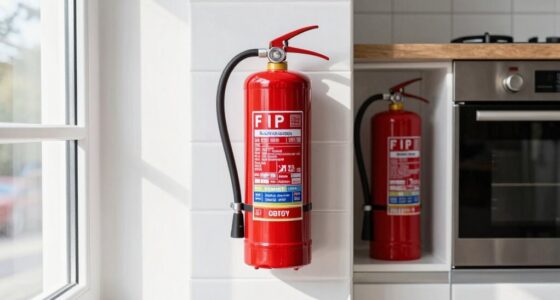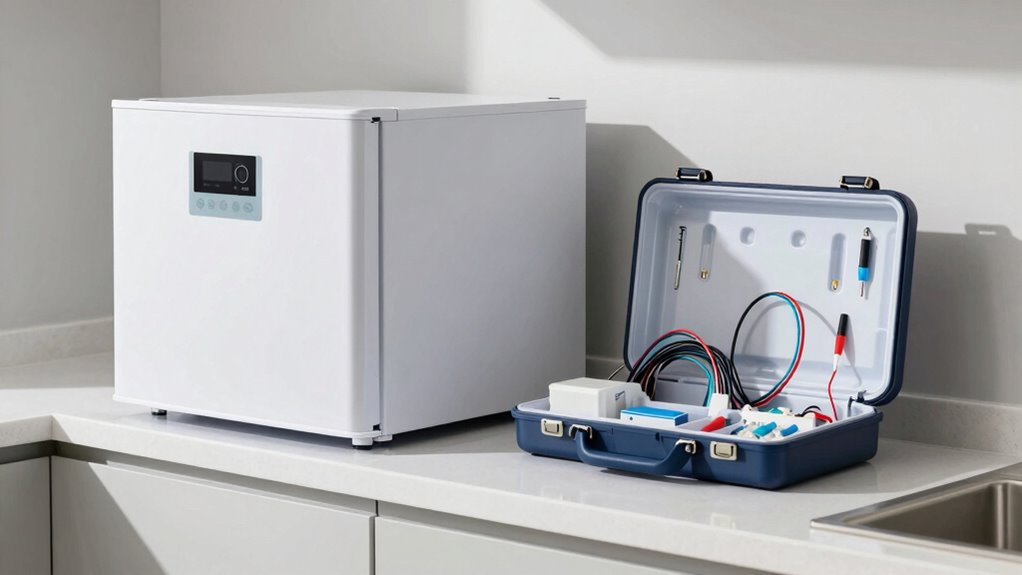

You might think that refrigerator backup and medical device backup are similar, but they serve very different purposes. Refrigerator backup aims to keep food fresh and prevent spoilage, focusing on convenience and cost. Medical device backup, however, is about protecting life-critical supplies like vaccines or biological samples by ensuring strict temperature control and rapid response to failures. If you’re curious, learning more will reveal why Safety and reliability are the top priorities in medical backups.

Get the latest gadgets delivered free with Prime
- Fast, free delivery on millions of items
- Prime Video, Amazon Music and more included
- Member-only deals all year
Key Takeaways
- Medical device backups prioritize patient safety and must ensure continuous operation, unlike standard refrigerator backups focused on convenience.
- Medical backups involve advanced monitoring, alarms, and rapid response systems, which are less critical in regular refrigerators.
- Reliability and fail-safes are essential for medical backups to prevent life-threatening failures, while typical refrigerators prioritize energy efficiency.
- Medical backup systems require rigorous testing, redundancy, and real-time alerts, unlike simpler backup solutions for household refrigerators.
- Energy conservation must never compromise safety in medical backups, whereas regular refrigerator backups can balance efficiency with less critical safety concerns.
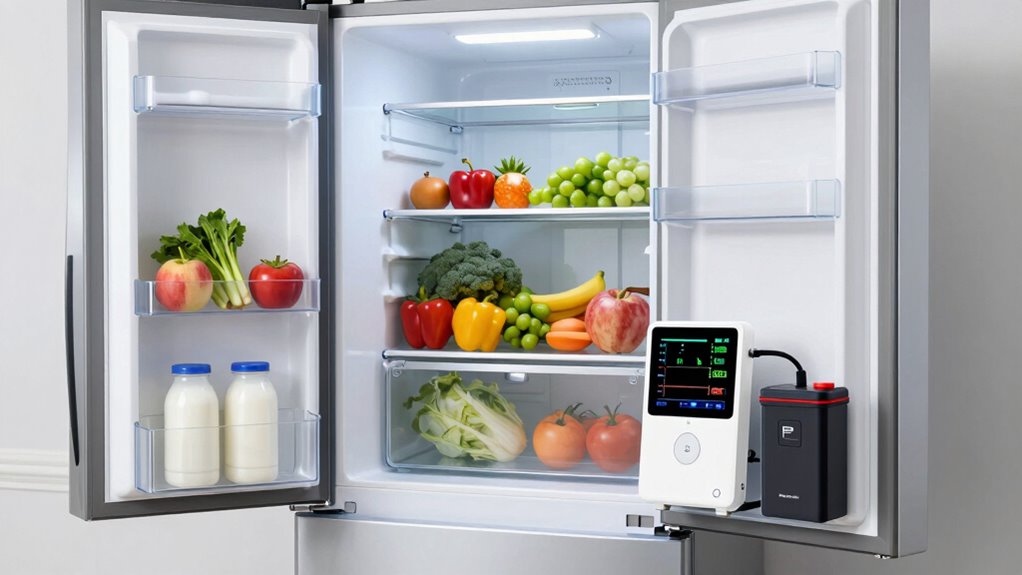
When it comes to protecting essential medical supplies and pharmaceuticals, having a reliable refrigerator backup is vital. These supplies often require strict temperature controls to remain effective, and any failure can compromise patient safety. Unlike typical household refrigerators, medical refrigeration units are designed with precision to safeguard sensitive medications, vaccines, and biological samples. Because of this, the backup systems you choose must prioritize continuous operation and temperature stability. This isn’t just about maintaining the right environment; it’s about ensuring user safety and compliance with healthcare standards. You need to understand that the energy conservation strategies used in standard appliances don’t always align with the needs of medical refrigerators, which prioritize reliability over efficiency. Balancing energy use with consistent performance becomes essential to prevent interruptions that could jeopardize patient care.
Reliable backup systems are essential to ensure continuous, safe temperature control for critical medical supplies and patient safety.
Medical device backup systems are different because they often involve more complex monitoring and alarm mechanisms. These systems aren’t just about keeping the unit running—they’re about alerting you immediately if something goes wrong. As a user, you must appreciate the importance of rapid response to temperature deviations, which could mean the difference between usable medication and waste. Backup solutions may include generators, uninterruptible power supplies (UPS), or secondary refrigeration units. Each of these options requires careful planning to optimize energy conservation without sacrificing user safety. For example, a UPS can provide short-term power during outages, but it’s critical to ensure it’s properly maintained and capable of handling the load. Similarly, generators must be tested regularly to confirm they’ll activate smoothly when needed. Reliable backup systems are essential for maintaining patient safety during power failures. Additionally, integrating automated monitoring systems can enhance the reliability of backup plans by providing real-time data and alerts. Understanding the importance of system redundancy can help prevent critical failures in medical refrigeration. Moreover, the design of backup systems must consider the potential for system failure and incorporate safeguards to minimize this risk.
Another key distinction lies in the purpose of backup systems. For regular refrigerators, backup might be about convenience—avoiding spoilage or inconvenience during power outages. For medical refrigerators, the primary goal is safeguarding life-saving medications and samples. This focus influences the design and maintenance of backup systems, demanding higher standards and rigorous testing. You must also consider how backup solutions impact energy consumption, especially in facilities trying to conserve energy and reduce costs. Proper energy conservation measures should be integrated into backup planning, but never at the expense of user safety. Every system must be reliable, easy to monitor, and capable of operating continuously to prevent any lapse in temperature control.
In essence, the differences between refrigerator backup and medical device backup are rooted in their purpose, complexity, and safety requirements. You need to approach each with a tailored strategy, ensuring that energy conservation efforts don’t compromise the safety and integrity of vital medical supplies. It’s about creating a backup plan that’s both efficient and dependable, so you can confidently protect patient health without risking failure.
medical refrigerator backup system
As an affiliate, we earn on qualifying purchases.
As an affiliate, we earn on qualifying purchases.
Frequently Asked Questions
How Do Backup Needs Differ Between Residential and Hospital Settings?
In residential and hospital settings, your backup needs differ considerably. You require power redundancy to guarantee continuous operation, especially in hospitals where medical devices depend on it. Data security is essential in hospitals to protect sensitive patient information. In homes, backup systems focus on preserving food and basic appliances. Hospitals demand robust, fail-safe backup solutions to prevent life-threatening failures, while residential backups prioritize convenience and cost-efficiency.
What Are the Cost Implications of Medical Versus Refrigerator Backup Systems?
Coincidence shows that medical backup systems often cost more than refrigerator backups, impacting your budget considerations. A thorough cost analysis reveals that medical devices require highly reliable, often redundant, backup solutions, which drive up expenses. In contrast, refrigerator backups are simpler and cheaper. You must weigh these costs carefully, understanding that investing in higher-priced medical backups can prevent costly failures, ensuring safety and compliance.
Which Regulations Govern Backup Solutions for Medical Devices?
You need to follow regulations like the FDA’s guidelines and ISO standards, which govern backup solutions for medical devices. These regulations emphasize regulatory compliance and ensuring data integrity, especially for patient safety and device reliability. You must implement backup systems that securely preserve critical data, adhere to strict standards, and allow for smooth recovery without compromising the device’s function or regulatory requirements.
How Do Environmental Factors Impact Backup Strategies for Each?
Environmental factors like climate resilience and power stability critically impact your backup strategies. For refrigerators, you need robust solutions that handle temperature fluctuations and potential power outages caused by weather events. Medical device backups require even more stringent measures to guarantee continuous operation despite environmental challenges. You must consider local climate risks and power reliability to develop effective backup plans, ensuring both devices function correctly during disruptions and safeguard essential contents or patient health.
What Are the Failure Modes Unique to Medical Device Backups?
Think of medical device backups as delicate glassware; they’re prone to shattering under pressure. Power failure can cause abrupt shutdowns, risking data loss or device malfunction, while hardware issues like corrupted firmware or damaged components can silently compromise performance. Unlike refrigerators, these failures aren’t just about temperature drops—they threaten patient safety. Your backup system must anticipate power interruptions and hardware glitches to keep life-saving devices reliably operational.
uninterruptible power supply for medical devices
As an affiliate, we earn on qualifying purchases.
As an affiliate, we earn on qualifying purchases.
Conclusion
You might think all backups are the same, but they’re not. Refrigerator backups are about keeping your food safe, while medical device backups protect your health. It’s tempting to believe a simple fix works for everything, but the truth is, assuming one solution fits all can be dangerous. If you ignore the unique needs of medical backups, you risk more than spoiled food—you risk lives. Don’t underestimate the importance of tailored backup solutions; your safety depends on it.
As an affiliate, we earn on qualifying purchases.
temperature monitoring system for medical refrigeration
As an affiliate, we earn on qualifying purchases.
As an affiliate, we earn on qualifying purchases.
Halloween Picks
halloween
As an affiliate, we earn on qualifying purchases.