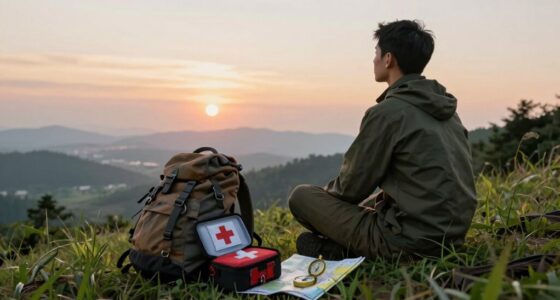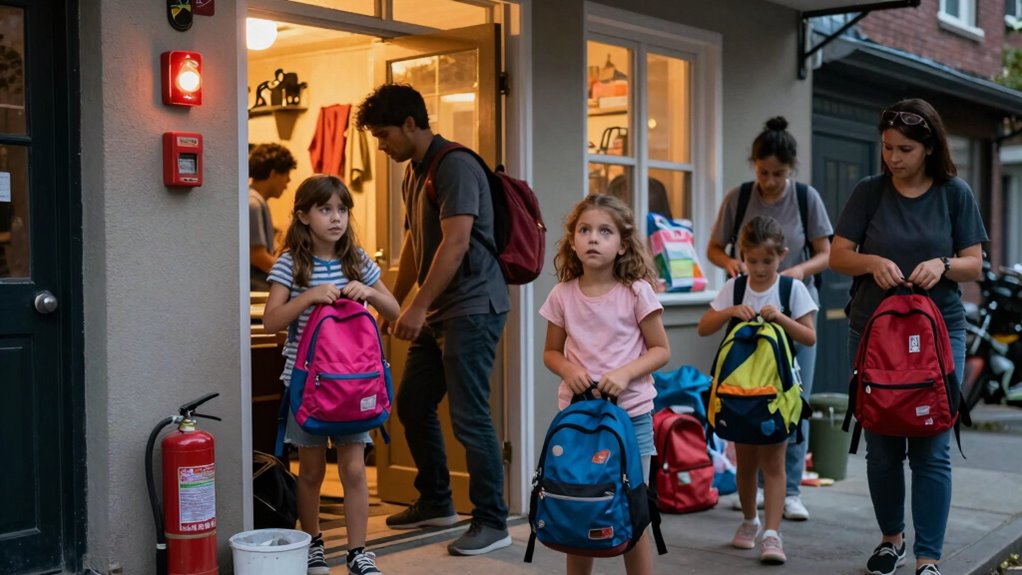

Most people focus their emergency prep on immediate survival supplies, like food and gear, because it’s instinctive to prepare for the chaos during a disaster. However, they often overlook the essential post-disaster phase, which determines how quickly and effectively you recover. Mental resilience, community support, and ongoing recovery plans are just as crucial as survival gear. If you want to understand how to prepare for the whole picture, keep exploring what comes after the emergency.

Get the latest gadgets delivered free with Prime
- Fast, free delivery on millions of items
- Prime Video, Amazon Music and more included
- Member-only deals all year
Key Takeaways
- Many focus solely on immediate survival gear, neglecting mental health and community support crucial for recovery.
- People tend to prioritize during-disaster supplies instead of preparing for post-disaster resilience and emotional recovery.
- Emergency plans often overlook psychological readiness, which is vital for clear decision-making and emotional stability.
- Community coordination and social support are underemphasized, despite their importance in long-term recovery and resilience.
- Preparing only for the event’s immediate impact ignores the critical aftermath phase necessary for full recovery.

Many people focus their emergency preparations on what to do during a disaster, but often, they overlook the most vital phase: the aftermath. While having supplies and plans for immediate survival is essential, what happens once the chaos subsides is just as important. You might be well-prepared for the storm or earthquake itself, but if you’re not psychologically ready or don’t consider community coordination, your recovery could be delayed or even jeopardized.
Psychological readiness is often underestimated in emergency planning. You could have all the food, water, and gear, but if you’re overwhelmed by fear, anxiety, or trauma afterward, your ability to make clear decisions diminishes. Preparing your mind for the emotional toll helps you stay calm, focused, and resilient. It involves recognizing that feelings of grief, frustration, or helplessness are normal, and developing mental strategies to cope with them. Regularly practicing stress-reduction techniques and having open conversations about fears can bolster your mental resilience. Being psychologically prepared guarantees that you won’t be paralyzed or make impulsive choices when it matters most. Additionally, understanding the importance of psychological resilience can help you develop more effective coping mechanisms. Recognizing how quickly emotions can escalate without proper mental health strategies highlights the importance of mental preparedness.
Being psychologically prepared helps you stay calm, make clear decisions, and recover faster after a disaster.
Community coordination is another essential aspect that many overlook. Emergencies aren’t just personal issues; they ripple through entire neighborhoods and towns. If you haven’t thought about how your community will respond collectively, you may find yourself isolated or overwhelmed. Establishing communication channels, shared resources, and support networks before a disaster strikes can greatly improve everyone’s chances of recovery. This includes knowing who in your community might need extra help, such as the elderly or disabled, and organizing mutual aid plans. When everyone works together, pooling resources and sharing information, the recovery process accelerates, and the emotional toll diminishes. Community coordination also provides a sense of solidarity, which enhances psychological readiness by reducing feelings of vulnerability and fostering hope.
Ultimately, most people put too much emphasis on immediate survival gear and not enough on the aftereffects—mental health and community support. Preparing for what happens after the disaster, both psychologically and socially, can make the difference between bouncing back quickly and getting stuck in despair or chaos. Your mental resilience isn’t just a personal asset; it’s intertwined with how well your entire community can recover. By focusing on psychological readiness and fostering strong community coordination, you set yourself up for a more effective response and a faster return to normal life. The aftermath is where true recovery begins, and preparing for it guarantees you’re ready for that vital phase.
As an affiliate, we earn on qualifying purchases.
Frequently Asked Questions
How Can I Identify the Most Critical Emergency Scenarios?
You can identify the most critical emergency scenarios by conducting a thorough risk assessment, which helps you evaluate potential threats based on likelihood and impact. Prioritize scenarios that pose the greatest danger to your safety or property. Focus on these during your planning. Regularly review and update your scenario prioritization to stay prepared for evolving risks, ensuring your emergency plans are relevant and effective when it matters most.
What Are Common Misconceptions About Emergency Preparedness?
Many believe they’re fully prepared, but overconfidence bias often makes you underestimate risks. A common misconception is that only major disasters require attention, while smaller emergencies can be overlooked. Misinformation spread online worsens this, leading you to focus on unlikely scenarios. Understanding that preparedness isn’t about perfect certainty helps you prioritize realistically. Recognizing these myths ensures you’re ready for what’s most likely, not just what you fear most.
How Often Should I Review and Update My Emergency Plan?
You should review and update your emergency plan at least twice a year, incorporating regular drill frequency to guarantee everyone knows their roles. Personalize your plan to fit changing circumstances, such as new family members or updated contact info. Regular reviews help identify gaps and keep your plan effective. Make it a habit to revisit your plan after any major life event or community alert to stay prepared for real emergencies.
What Psychological Factors Influence Emergency Preparedness Behaviors?
Your emergency preparedness is influenced by risk perception and cognitive biases. If you underestimate dangers or overconfidence clouds your judgment, you’re less likely to take necessary steps. Optimism bias can make you believe a disaster won’t happen to you, while availability bias makes recent events seem more threatening. Recognizing these psychological factors helps you overcome biases, ensuring you prepare effectively and respond confidently in real emergencies.
How Do Community Resources Impact Individual Emergency Preparedness?
Did you know that communities with strong partnerships see a 40% increase in individual preparedness? Community resources considerably impact your readiness by improving resource accessibility and fostering collaboration. When local agencies and organizations work together, you get better information, support, and supplies, making it easier to prepare effectively. These partnerships encourage you to take proactive steps, ensuring you’re not caught unprepared during emergencies.
disaster community support communication tools
As an affiliate, we earn on qualifying purchases.
As an affiliate, we earn on qualifying purchases.
Conclusion
So, next time you prepare for an emergency, focus on what truly matters. Don’t just stock supplies or make plans—you need to stay calm, stay informed, and stay adaptable. Don’t just react to the crisis—anticipate it. Don’t just worry about the worst-case scenario—prepare for the unexpected. Because in an emergency, your mindset, your knowledge, and your readiness are what will truly keep you safe. Prepare smart, prepare thoroughly, and prepare for everything.
post-disaster emotional recovery supplies
As an affiliate, we earn on qualifying purchases.
As an affiliate, we earn on qualifying purchases.
stress reduction techniques for emergencies
As an affiliate, we earn on qualifying purchases.
As an affiliate, we earn on qualifying purchases.
Columbus Day / Indigenous Peoples' Day Picks
long weekend sales
As an affiliate, we earn on qualifying purchases.