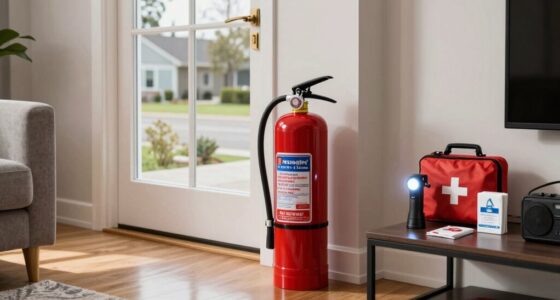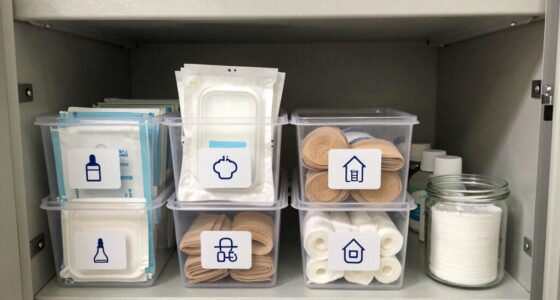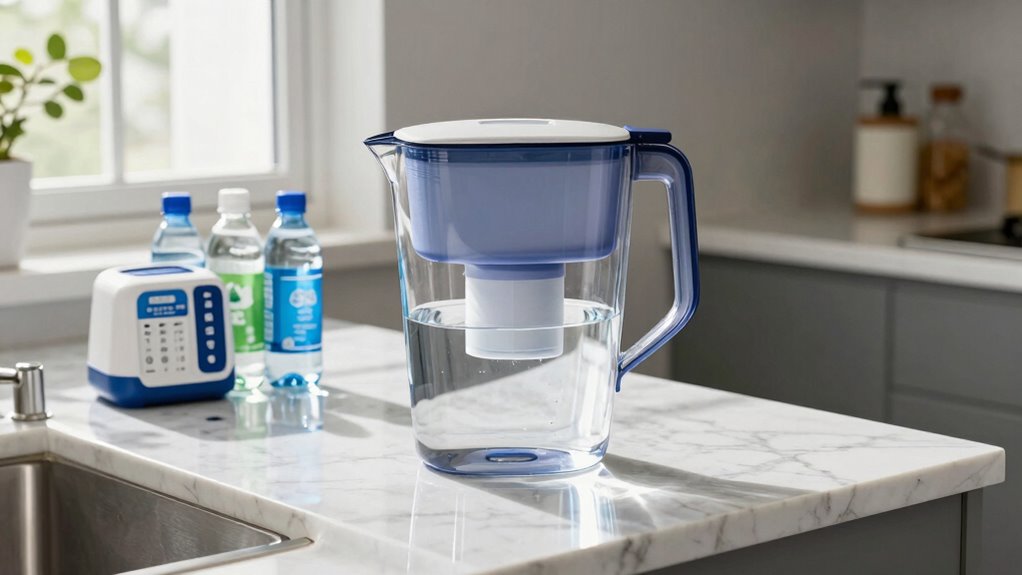

To make water readiness practical, start by testing your water regularly with simple kits, especially after storms or taste changes. Store enough bottled water for at least three days and keep a portable filtration system handy. Maintain your plumbing and water systems to prevent issues, and know how to shut off your main water valve in emergencies. Keep emergency contacts accessible and practice response drills. Staying proactive now guarantees you’re prepared for any water-related challenge that may come your way.

Get the latest gadgets delivered free with Prime
- Fast, free delivery on millions of items
- Prime Video, Amazon Music and more included
- Member-only deals all year
Key Takeaways
- Regularly test indoor and municipal water for contaminants using simple testing kits.
- Store a minimum of three days’ supply of bottled water per person in accessible locations.
- Maintain plumbing systems and water appliances to prevent contamination and ensure safety.
- Develop and practice an emergency water response plan, including shut-off procedures and contact lists.
- Stay informed about local water sources and pollution risks to support proactive protection efforts.
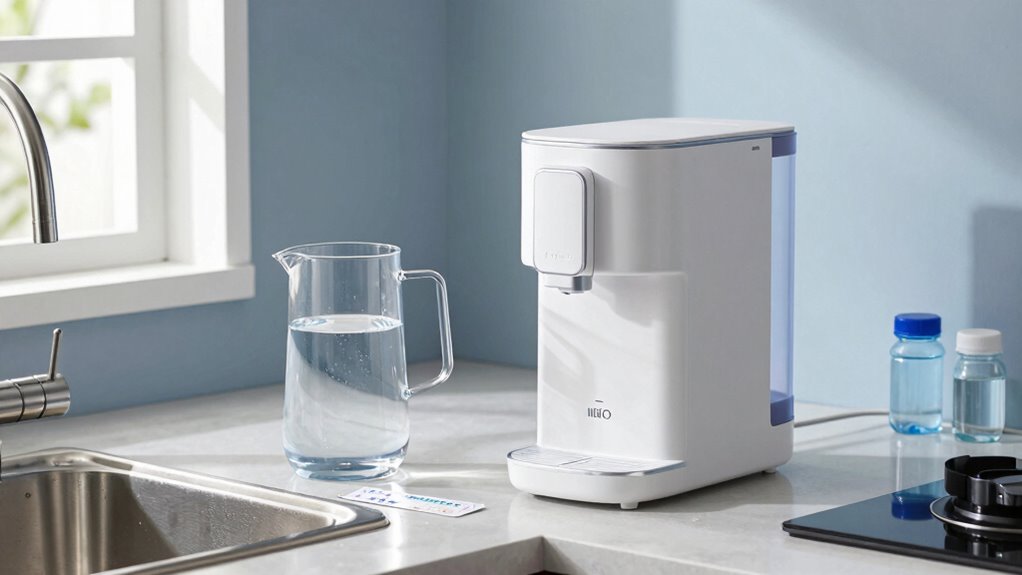
Ensuring your home is prepared for water-related emergencies is essential for protecting your family and property. Water issues can strike unexpectedly, whether from natural disasters, pipe failures, or contamination. To make water readiness practical, you need a clear plan that includes regular water testing and having the right emergency supplies on hand. Water testing allows you to verify the safety and quality of your water supply, giving you peace of mind and knowing when to take action. You can use simple testing kits to check for contaminants like bacteria, lead, pesticides, or other pollutants. Conduct these tests periodically, especially after storms or if you notice changes in taste, smell, or color. If your water tests reveal impurities, you’ll need to take immediate steps, such as boiling water or using filtration systems, until the issue is resolved.
Equally important is preparing emergency supplies that ensure you and your family can stay safe if your water supply becomes compromised. Start by storing a sufficient amount of bottled water—generally one gallon per person per day for at least three days. Keep this supply in an accessible location, and check it periodically to replace expired bottles. Besides bottled water, consider investing in water purification methods like portable filters or water purification tablets to treat questionable water sources. These tools are invaluable during extended emergencies when bottled water isn’t enough or isn’t available. Don’t forget to include essential items such as cleaning supplies, gloves, and a sturdy container to store and transport water safely. Understanding how to properly maintain indoor water quality can also help you prevent many common issues before they become emergencies.
Practicing water readiness also means establishing a plan for emergencies. Know how to shut off your main water valve to prevent further damage or contamination if needed. Keep a list of emergency contacts, including local health departments and water testing services, so you can quickly access professional help when necessary. Educate everyone in your household on how to use testing kits, how to identify signs of water contamination, and what steps to take if water quality issues arise. Regular drills can help everyone stay prepared and respond swiftly in a crisis. Additionally, understanding the importance of indoor water quality and how to maintain it can significantly enhance your overall emergency preparedness. Recognizing the role of biodiversity in water ecosystems can also help you appreciate the importance of protecting water sources from pollution and contamination.
As an affiliate, we earn on qualifying purchases.
Frequently Asked Questions
How Often Should I Test My Home’s Water Quality?
You should test your home’s water quality at least once a year to catch contamination indicators early. Regular water testing helps you identify potential issues like bacteria, lead, or other pollutants before they become health risks. If your water source is new, or if you notice changes in taste, smell, or appearance, perform testing more often. Staying proactive guarantees your water remains safe and clean for your household.
What Are the Signs of Water Contamination in a Home?
You’ll notice signs of water contamination if your water has a strange smell, odd taste, or discoloration. Sometimes, you may see sediments or notice skin irritation after washing. To guarantee safety, use water filtration systems and conduct contamination detection tests regularly. Staying alert to these signs helps you identify problems early, so you can take action and keep your home’s water safe and clean.
Can Water Readiness Tips Differ for Rural vs. Urban Homes?
Yes, water readiness tips differ for rural and urban homes. Rural infrastructure often relies on well water or local sources, so you should prioritize water testing, filtration, and storage solutions tailored to your well’s quality. In contrast, urban water systems usually have regulated municipal supplies but can face contamination issues during outages or pipe failures. For urban homes, focus on maintaining backup supplies and understanding municipal notices to stay prepared.
What Are Cost-Effective Ways to Improve Water Storage?
Think of your water storage as a reservoir of life’s potential. You can boost it cost-effectively through rainwater harvesting, capturing nature’s gift, and installing simple water filtration systems to guarantee purity. Using recycled containers or barrels not only saves money but also symbolizes sustainability. These methods help you build resilience, turning basic storage into a dependable resource, much like nurturing a well of hope right within your home.
How Do I Maintain Water Readiness During Power Outages?
During power outages, you maintain water readiness by using emergency filtration systems to keep your water safe and accessible. Store enough clean water for several days, and consider alternative sources like rainwater collection or nearby streams, guaranteeing you have proper filtration methods. Regularly test your emergency filtration devices to ensure they’re functioning correctly. This way, you stay prepared and can access safe water even when the power’s out.
portable water filtration system
As an affiliate, we earn on qualifying purchases.
As an affiliate, we earn on qualifying purchases.
Conclusion
So, now that you know how to make water readiness practical, don’t just sit back and wait for the next big disaster. After all, who needs clean, safe water in their own home when you can just hope it magically appears? Remember, being prepared isn’t just about avoiding inconvenience—it’s about avoiding chaos, panic, and the dreaded “I-guess-I-should-have-been-ready” moment. Stay proactive, stay hydrated, and maybe—just maybe—your water supply won’t turn into an episode of “Survivor.”
As an affiliate, we earn on qualifying purchases.
As an affiliate, we earn on qualifying purchases.
Halloween Picks
halloween
As an affiliate, we earn on qualifying purchases.