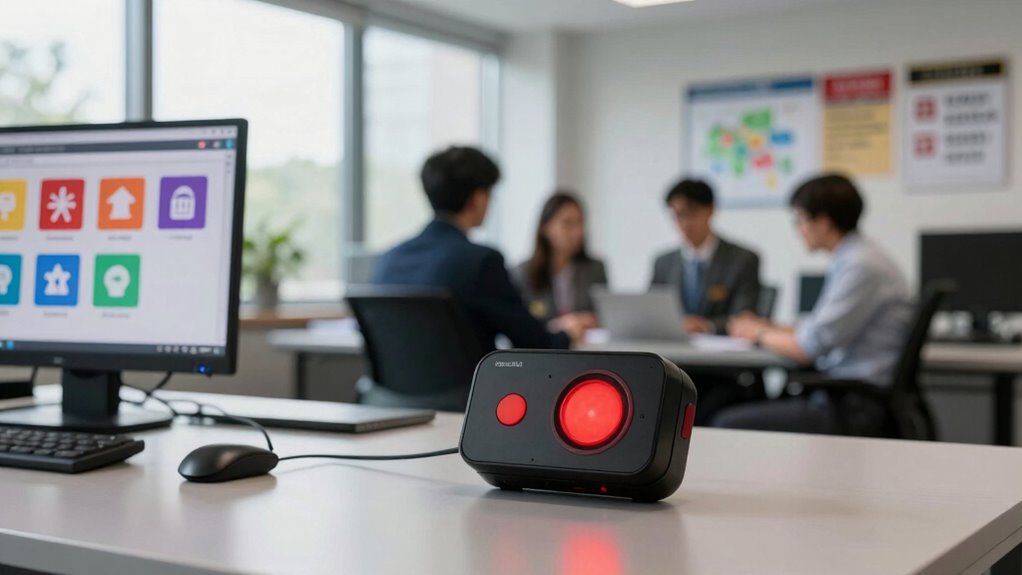

When evaluating emergency voice and visibility tools at work, prioritize solutions that integrate seamlessly with your existing safety systems and are easy for everyone to use. Consider their scalability, ensuring they can grow with your workplace, and focus on tools that enable quick and clear communication during crises. Regular training, maintenance, and updates are key to keeping these tools effective. Keep exploring how these elements work together to create a safer environment through thoughtful implementation.

Get the latest gadgets delivered free — and shop member deals
- Fast, free delivery on millions of items
- Access to Prime Big Deal Days deals on October 6–7
- Prime Video, Amazon Music and more included
Key Takeaways
- Ensure tools are integrated with existing safety systems for seamless communication and response coordination.
- Prioritize user-friendly and scalable solutions for quick adoption and future expansion.
- Regularly train employees on tool operation to build confidence and reduce response time.
- Maintain ongoing system updates and maintenance to ensure reliability during emergencies.
- Focus on visibility and voice clarity to effectively alert staff and guide safe actions during incidents.
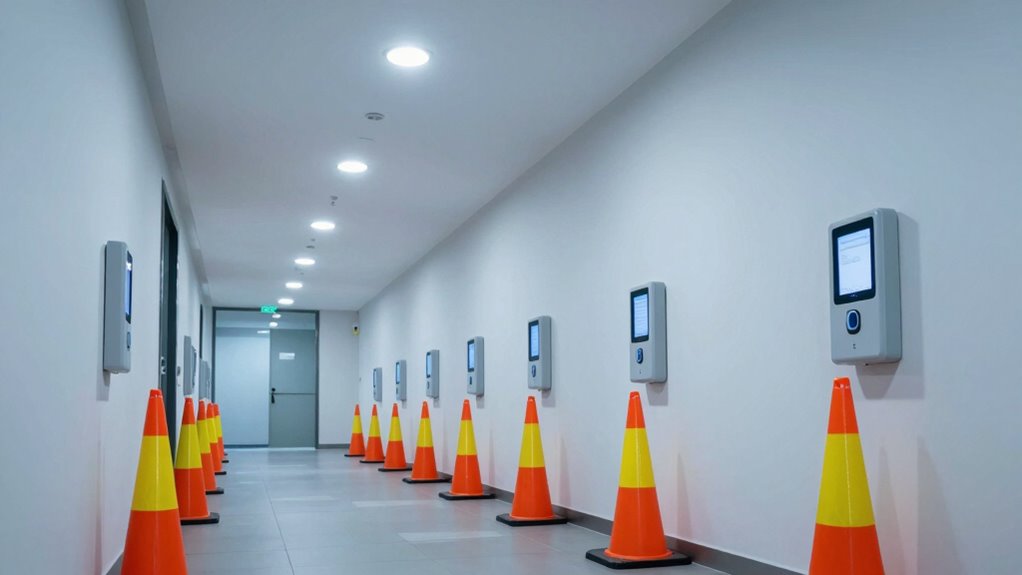
In today’s workplace, having reliable emergency voice and visibility tools isn’t just a luxury—it’s a necessity. When emergencies strike, quick communication can mean the difference between safety and disaster. To make sure you’re prepared, you need to think carefully about how these tools fit into your overall safety strategy. One of the first steps is guaranteeing your team is well-trained. Employee training isn’t just about showing people how to operate devices; it’s about instilling confidence and clarity during stressful situations. Regular drills and refreshers help your staff recognize when and how to use emergency voice systems or visibility tools effectively. The more familiar everyone is, the faster they’ll respond in real emergencies, reducing chaos and potential injuries.
Equally important is technology integration. Your emergency tools shouldn’t be standalone gadgets that sit unused until a crisis hits. Instead, they should seamlessly connect with your existing safety infrastructure, such as alarm systems, security cameras, and communication networks. When your emergency voice and visibility tools are integrated with other systems, you get an all-encompassing safety net that provides real-time updates and coordinated responses. For example, if an incident occurs in a specific area, visibility tools like cameras or light systems can alert staff immediately, guiding them to safe zones or away from danger. This integration guarantees everyone is on the same page, minimizing confusion and enabling faster decision-making. Additionally, understanding the importance of emergency communication helps ensure your team can respond effectively under pressure. Recognizing how system interoperability enhances overall safety can lead to more effective emergency management. Incorporating biodiversity principles into your safety planning can also promote a more resilient and adaptable environment.
You should also consider the scalability of your technology. As your workplace evolves, so should your safety solutions. Investing in scalable systems allows you to expand coverage or upgrade features without overhauling your entire setup. This flexibility is essential because workplace hazards and regulations can change, and your tools need to adapt accordingly. Additionally, pay attention to user-friendliness. Complex systems that require extensive training can hinder quick response times. Opt for intuitive interfaces and straightforward operation so that in high-pressure moments, your team can act swiftly and confidently.
Finally, keep in mind that technology isn’t a set-it-and-forget-it solution. Regular maintenance, updates, and reassessments of your emergency voice and visibility tools are indispensable. Incorporating technological advancements into your safety protocol can significantly enhance your preparedness and response capabilities. As new technologies emerge, evaluate how they might improve your safety protocols. Continuous improvement, coupled with ongoing employee training, ensures your workplace remains prepared and resilient against emergencies. When you approach these tools thoughtfully—prioritizing training, seamless integration, and adaptability—you’re building a safer environment for everyone.
emergency voice communication system for workplace
As an affiliate, we earn on qualifying purchases.
As an affiliate, we earn on qualifying purchases.
Frequently Asked Questions
What Are the Costs Associated With Implementing These Tools?
The costs of implementing emergency voice and visibility tools typically include initial setup, hardware, software licenses, and ongoing maintenance. You should conduct a thorough cost analysis to understand these expenses and consider your budget considerations carefully. Remember, investing in reliable safety tools can reduce risks and potential liabilities, making it a worthwhile expense. Balancing quality and affordability helps guarantee you get effective solutions without overstretching your resources.
How Do These Tools Integrate With Existing Safety Protocols?
You should guarantee these tools seamlessly integrate with your existing safety protocols by aligning emergency communication procedures with your safety compliance standards. Test their compatibility regularly, train staff on their use, and update protocols as needed. Incorporating these tools enhances your safety measures, enabling quick alerts and clear communication during emergencies. This integration not only boosts response times but also reinforces your commitment to a safe, compliant workplace environment.
Are There Industry-Specific Best Practices for Emergency Tools?
Did you know that 85% of industries have specific best practices for emergency tools? Industry standards and compliance requirements shape these practices, guiding how you deploy voice and visibility tools effectively. For example, manufacturing sectors emphasize rapid communication during hazards, while healthcare prioritizes clear, accessible alerts. Understanding these industry-specific guidelines helps guarantee your emergency tools are compliant, reliable, and tailored to your work environment, enhancing safety for everyone involved.
What Training Is Required for Effective Use of These Tools?
You need thorough user training that covers practical scenarios to guarantee effective use of emergency voice and visibility tools. This training should include hands-on exercises, role-playing, and real-life simulations, so you’re prepared for various situations. Regular refreshers are essential to keep skills sharp. When you understand how to operate these tools confidently, you can respond swiftly and effectively during emergencies, enhancing safety for everyone involved.
How Is Data Privacy Maintained With Visibility Tools?
Data privacy is protected through powerful practices like data encryption and user authentication. You guarantee sensitive information stays secure by encrypting data both in transit and at rest, making it unreadable to unauthorized users. Additionally, rigorous user authentication verifies identities, preventing unauthorized access. By combining these techniques, you create a secure environment where visibility tools provide necessary insights without compromising privacy, maintaining trust and safeguarding sensitive information effectively.
integrated safety alarm and visibility tools
As an affiliate, we earn on qualifying purchases.
As an affiliate, we earn on qualifying purchases.
Conclusion
Remember, just as Icarus once soared too close to the sun, overreliance on emergency tools without balance can lead to hubris. Use voice and visibility tools wisely—like a steady captain steering through storms—knowing they’re there to guide, not replace your judgment. When integrated thoughtfully, these tools become your safety net, empowering you to act swiftly while remaining grounded in awareness. Embrace them as part of your toolkit, not your sole reliance.
scalable emergency notification devices
As an affiliate, we earn on qualifying purchases.
As an affiliate, we earn on qualifying purchases.
user-friendly emergency response systems
As an affiliate, we earn on qualifying purchases.
As an affiliate, we earn on qualifying purchases.
Halloween Picks
halloween
As an affiliate, we earn on qualifying purchases.