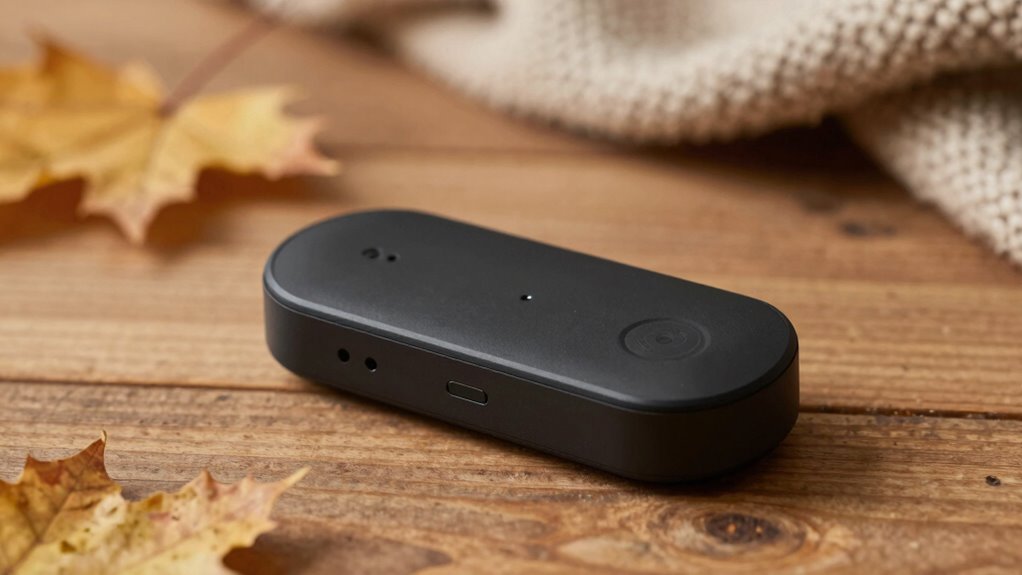

Fall detection devices balance sensitivity and accuracy by using advanced sensors like accelerometers and gyroscopes to monitor motion patterns carefully. They incorporate adaptive algorithms and regular updates to distinguish real falls from normal activities. Calibration and contextual data, such as GPS or heart rate, help reduce false alarms and improve reliability. This seamless integration ensures swift, accurate responses when needed most. Keep exploring to discover how these systems work together for maximum safety.

Get the latest gadgets delivered free — and shop member deals
- Fast, free delivery on millions of items
- Access to Prime Big Deal Days deals on October 6–7
- Prime Video, Amazon Music and more included
Key Takeaways
- Advanced sensors analyze complex motion patterns to distinguish falls from normal activities, enhancing detection accuracy.
- Regular device calibration and automatic adjustments tailor sensitivity to individual user behaviors.
- Software updates refine algorithms, reducing false positives while maintaining high fall detection rates.
- Incorporating contextual data like GPS or heart rate helps verify true falls, improving reliability.
- Balancing sensor precision, adaptive calibration, and algorithm refinement ensures swift, accurate emergency alerts.
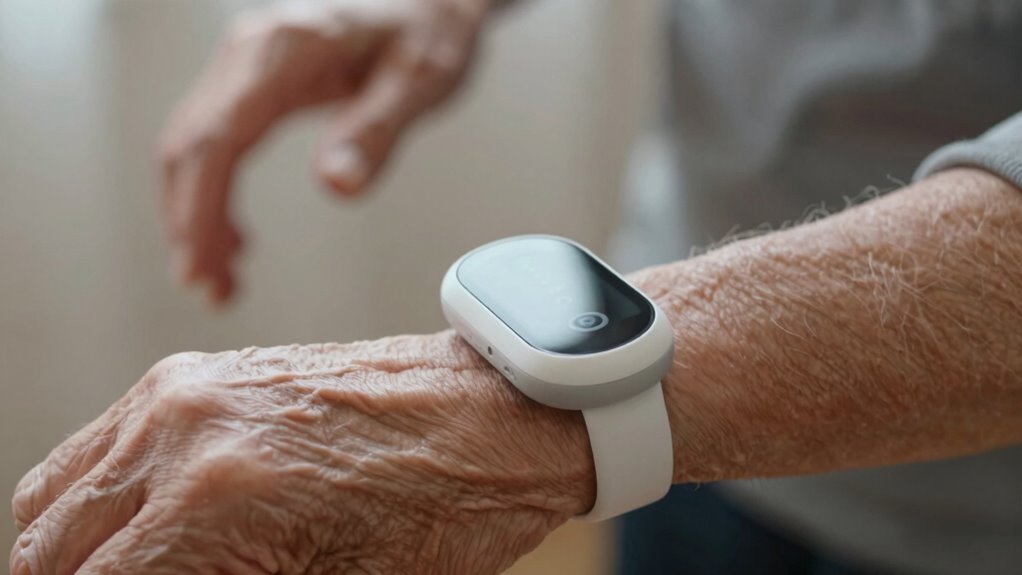
To achieve this balance, manufacturers incorporate advanced sensors like accelerometers and gyroscopes that monitor motion patterns closely. These sensors analyze sudden changes in movement, orientation, and impact force, helping the device distinguish between genuine falls and everyday activities like sitting down quickly or dropping objects. Proper device calibration becomes a key factor here. During calibration, the device learns what typical movements look like for the user, reducing false alarms triggered by normal activity. Regular calibration ensures the sensors interpret motion signals correctly, maintaining the delicate balance between alerting true falls and ignoring benign movements.
Effective calibration isn’t a one-time task — it requires ongoing adjustments, especially as the user’s mobility or activity levels change over time. Many devices include user-friendly calibration features or automatic adjustment algorithms that fine-tune sensitivity settings based on real-world use. This process minimizes unnecessary alerts, which can cause alarm fatigue or annoyance, while still maintaining a high detection rate for actual falls. Proper calibration also *guarantees* emergency response teams receive accurate, timely alerts, so they can act swiftly and appropriately. Additionally, incorporating sensor technology allows these devices to better analyze complex motion patterns, further improving detection accuracy. Keeping sensors well-maintained and updated also enhances detection reliability, ensuring consistent performance. Regular software updates can also incorporate improvements in motion analysis algorithms, further refining detection capabilities. Understanding sensor calibration is crucial for optimizing device performance and ensuring safety.
Another *key* aspect of balancing sensitivity and accuracy involves the algorithms that interpret sensor data. Developers continuously refine these algorithms to improve fall detection performance, combining multiple data points to reduce false positives while maintaining high detection rates. Some devices also incorporate additional features like GPS or heart rate monitoring to corroborate fall events, further enhancing reliability. These supplementary features can provide context that helps differentiate between actual falls and other sudden movements, leading to more accurate alerts.
Ultimately, the goal is to create a fall detection system that’s both responsive and precise. The interplay between sensor technology, device calibration, and intelligent algorithms helps achieve this balance. When these elements work harmoniously, you get a device that responds swiftly to real falls while minimizing false alarms. This balance not only boosts confidence in the device but also *guarantees* that help arrives when it’s genuinely needed — providing peace of mind for you and your loved ones.
fall detection device with accelerometer and gyroscope
As an affiliate, we earn on qualifying purchases.
As an affiliate, we earn on qualifying purchases.
Frequently Asked Questions
How Do Fall Detection Devices Adapt to Different User Lifestyles?
You can personalize fall detection devices through features like activity recognition and adjustable sensitivity settings, helping them adapt to your lifestyle. If you’re more active, the device recognizes different movements to minimize false alarms. For less active users, it tunes sensitivity to detect subtle falls. This customization guarantees the device fits your daily routines, providing reliable safety without unnecessary alerts, and giving you peace of mind tailored to your unique lifestyle.
What Are the Privacy Concerns With Fall Detection Technology?
You might worry about privacy concerns with fall detection technology, especially regarding data security and user consent. These devices collect sensitive health information, so it’s essential that manufacturers implement strong data protection measures. Always ensure you give informed user consent before using such devices, understanding what data is collected and how it’s used. Being aware of these privacy issues helps you make informed decisions and protect your personal information effectively.
Can Fall Detection Devices Be Used Outdoors Effectively?
Fall detection devices can work outdoors like a reliable watchdog. Their outdoor durability and environmental sensors allow them to handle weather conditions, temperature changes, and uneven surfaces effectively. You should choose models specifically designed for outdoor use, as they’re built to withstand the elements. These features guarantee the device stays accurate and responsive, giving you peace of mind whether you’re gardening, walking, or enjoying outdoor activities.
How Often Do Fall Detection Devices Require Maintenance or Updates?
Fall detection devices typically need maintenance every few months, including device calibration and checking battery longevity. You should regularly update the device’s software to guarantee peak performance and accuracy. Replace batteries as recommended by the manufacturer to prevent false alarms or failures during emergencies. Staying proactive with these updates helps maintain the device’s reliability, giving you peace of mind and ensuring it functions correctly when you need it most.
Are Fall Detection Devices Compatible With Other Health Monitoring Systems?
Yes, fall detection devices often integrate seamlessly with other health monitoring systems, but watch out—device integration can sometimes pose data security risks. When you connect multiple systems, make sure they use robust encryption to protect your sensitive info. Compatibility varies by brand, so check whether your device supports your existing health tools. Staying informed helps you enjoy thorough care without compromising your privacy or security.
personal fall alert system with GPS and heart rate monitoring
As an affiliate, we earn on qualifying purchases.
As an affiliate, we earn on qualifying purchases.
Conclusion
Remember, you can’t please everyone all the time, but choosing a fall detection device that balances sensitivity and accuracy is key. It’s about finding that sweet spot where the device detects falls without false alarms. By understanding these trade-offs, you can make an informed decision to stay safe and confident. Ultimately, “a stitch in time saves nine” reminds us that catching issues early with the right device can prevent bigger problems later on.
automatic calibration fall detection wearable
As an affiliate, we earn on qualifying purchases.
As an affiliate, we earn on qualifying purchases.
advanced motion sensor fall detector
As an affiliate, we earn on qualifying purchases.
As an affiliate, we earn on qualifying purchases.
Evergreen bestsellers Picks
bestsellers
As an affiliate, we earn on qualifying purchases.