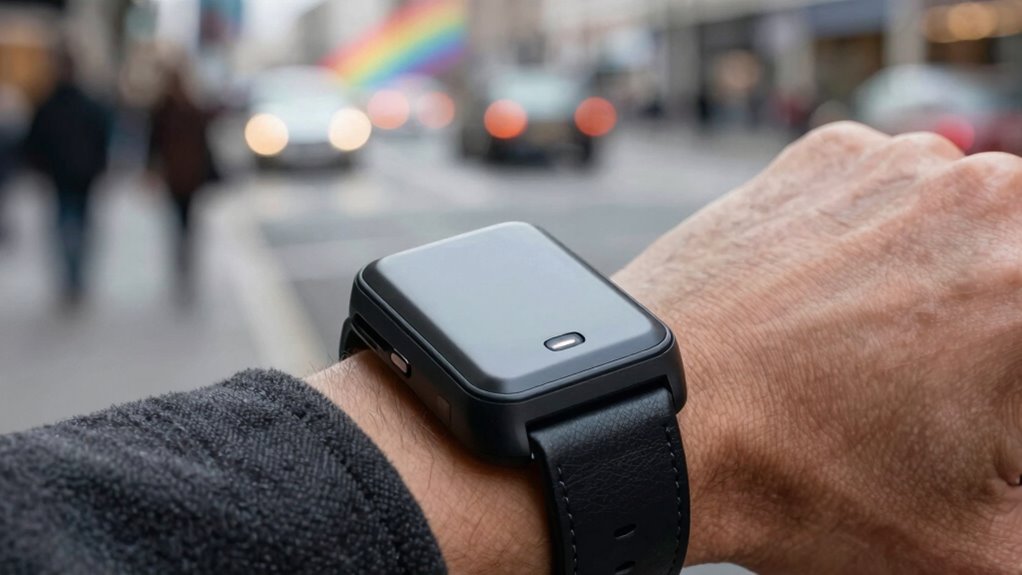

Wearable SOS devices are best at providing instant alerts, sharing your location quickly, and connecting you with emergency contacts or services. They’re useful in unfamiliar or non-verbal situations, offering rapid communication and peace of mind. However, they aren’t foolproof—connectivity issues, especially in remote areas, can limit their effectiveness, and they can’t replace traditional safety measures or physical self-defense tools. To discover what features make some devices stand out and their limitations, continue exploring.

Get the latest gadgets delivered free with Prime
- Fast, free delivery on millions of items
- Prime Video, Amazon Music and more included
- Member-only deals all year
Key Takeaways
- Best at providing instant alerts with precise location data during emergencies but can be limited by poor signal or technical failures.
- Excel in rapid communication and connectivity in areas with strong cellular or satellite coverage.
- Their effectiveness is dependent on battery life, which can be compromised during prolonged use or in remote locations.
- Cannot replace traditional safety tools like self-defense devices or comprehensive safety plans.
- Offer quick response and location sharing, but may face limitations in areas with weak network coverage or technical issues.
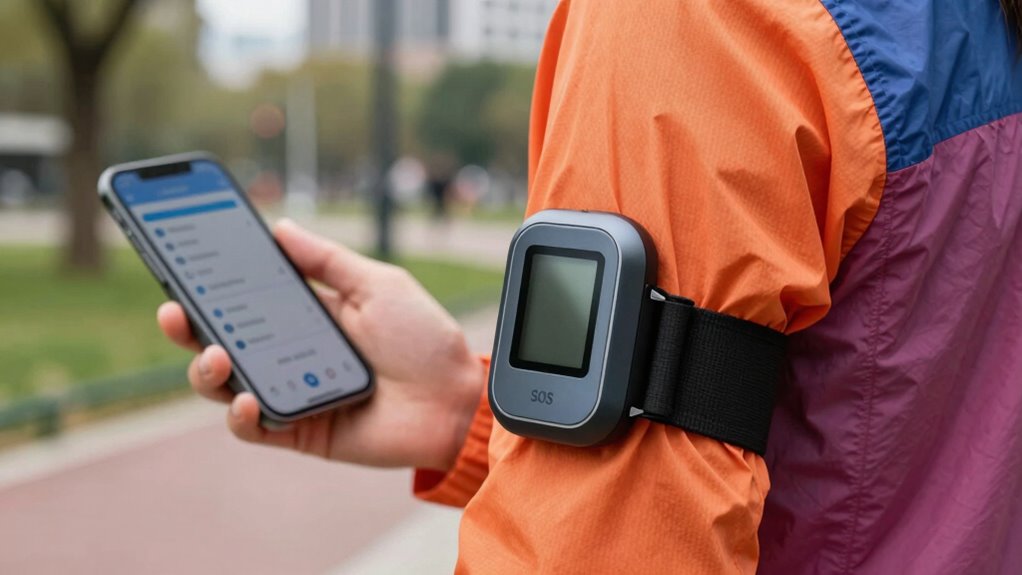
In today’s world, safety is more important than ever, and wearable SOS devices have emerged as an essential tool for personal security. These small, often discreet gadgets can be a lifeline when you’re in trouble, providing quick access to emergency services or trusted contacts. One of the key strengths of these devices lies in their emergency response features. Many models come equipped with one-touch buttons that instantly send alerts, accompanied by your location, to predefined contacts or emergency responders. Some even have built-in GPS, allowing responders to pinpoint your exact location quickly. This rapid communication is especially valuable if you’re in unfamiliar territory or unable to speak.
However, the effectiveness of these emergency response features depends heavily on the device’s connectivity. Devices that rely on cellular signals need a strong network, which isn’t always available in remote areas. Some newer models incorporate satellite communication, extending their reach to more isolated locations, but these tend to be pricier. When choosing a wearable SOS device, you should consider how easily it integrates with emergency services and whether it offers real-time tracking. The faster responders can locate you, the better your chances of getting help promptly.
Battery life considerations are another vital aspect. A device’s emergency features won’t help if the battery dies during a critical moment. Many wearable SOS devices are designed to last between 24 to 72 hours on a single charge, but actual performance varies depending on usage and features. Devices with continuous GPS tracking or active communication tend to consume more power, so it’s essential to select one with a reliable battery life that matches your daily routine. Regularly charging your device and understanding its power-saving modes can prevent unexpected failures. Some models include low-battery alerts, prompting you to recharge before it’s too late, which is a helpful feature. Additionally, understanding the reliability of technology in emergency situations is crucial, as technical failures or signal disruptions can occur unexpectedly. It’s also wise to consider user reviews and feedback to gauge how well a device performs in real-world scenarios.
While wearable SOS devices excel at providing immediate access to emergency response features and offering peace of mind, they do have limitations. They can’t replace traditional safety measures or physical self-defense tools. Battery life remains a concern, especially if you’re away from power sources for extended periods. Additionally, their reliance on technology means they’re vulnerable to technical failures or signal disruptions. Understanding the emergency technology functions under various conditions is essential to ensure preparedness in different situations. It’s important to consider backup safety plans and alternative safety measures to further enhance your security. Nevertheless, when chosen carefully and used as part of a broader safety strategy, wearable SOS devices are invaluable in enhancing your personal security. They won’t make you invincible, but they vastly improve your chances of getting help when you need it most.
As an affiliate, we earn on qualifying purchases.
Frequently Asked Questions
How Long Do Wearable SOS Devices Typically Last on a Single Charge?
Wearable SOS devices typically last between one to seven days on a single charge, depending on the model and usage. Battery life varies, so check the device’s specifications. Most devices use convenient charging methods like USB or wireless charging pads, making it easy to keep them powered. Remember, frequent use of GPS or other features can drain the battery faster, so plan your charging schedule accordingly.
Are Wearable SOS Devices Waterproof or Water-Resistant?
Think of your wearable SOS device like a sturdy boat—water-resistant but not necessarily waterproof. While many models can handle splashes and rain, durability concerns mean they might not survive deep submersion. Water resistance protects your device’s battery life from moisture damage during daily activities, but if you plan to swim or dive, check the device’s specific waterproof rating. Always verify if your device is waterproof to avoid surprises.
Can Wearable SOS Devices Be Used Internationally?
Yes, you can use wearable SOS devices internationally, thanks to their international compatibility and global coverage features. Many devices offer cellular connectivity across multiple countries, allowing you to access emergency services no matter where you are. Just double-check the device’s coverage map and supported networks before traveling. Keep in mind, some countries may have restrictions or require local SIM cards, so plan accordingly for seamless safety support abroad.
What Is the Average Response Time After Pressing the SOS Button?
They say, “Time is of the essence,” and with wearable SOS devices, response times can vary. Typically, emergency contacts are notified within seconds to a few minutes after pressing the button. Device customization options allow you to set priority contacts, speeding up help. Remember, your device’s responsiveness depends on your network and settings, so make sure everything’s optimized to get help fast when you need it most.
Do Wearable SOS Devices Track User Location Continuously?
Most wearable SOS devices don’t track your location continuously, mainly to address privacy concerns and conserve device accuracy. Instead, they usually send your location only when you press the SOS button or during emergencies. This approach helps protect your privacy while ensuring accurate device performance. However, check each device’s features because some models may offer continuous tracking, but it’s essential to weigh the privacy implications before choosing one.
As an affiliate, we earn on qualifying purchases.
Conclusion
Imagine you’re hiking alone, and suddenly you trip and hurt your ankle. A wearable SOS device becomes your lifeline, sending help swiftly. While these devices excel at quick alerts and locating you, they aren’t magic—they can’t replace common sense or preparation. Think of them as your safety net, not a guarantee. By understanding their limits and strengths, you stay prepared, confident, and ready to face whatever adventure comes next.
satellite communication safety device
As an affiliate, we earn on qualifying purchases.
As an affiliate, we earn on qualifying purchases.
one-touch emergency alert wearable
As an affiliate, we earn on qualifying purchases.
As an affiliate, we earn on qualifying purchases.
Halloween Picks
halloween
As an affiliate, we earn on qualifying purchases.