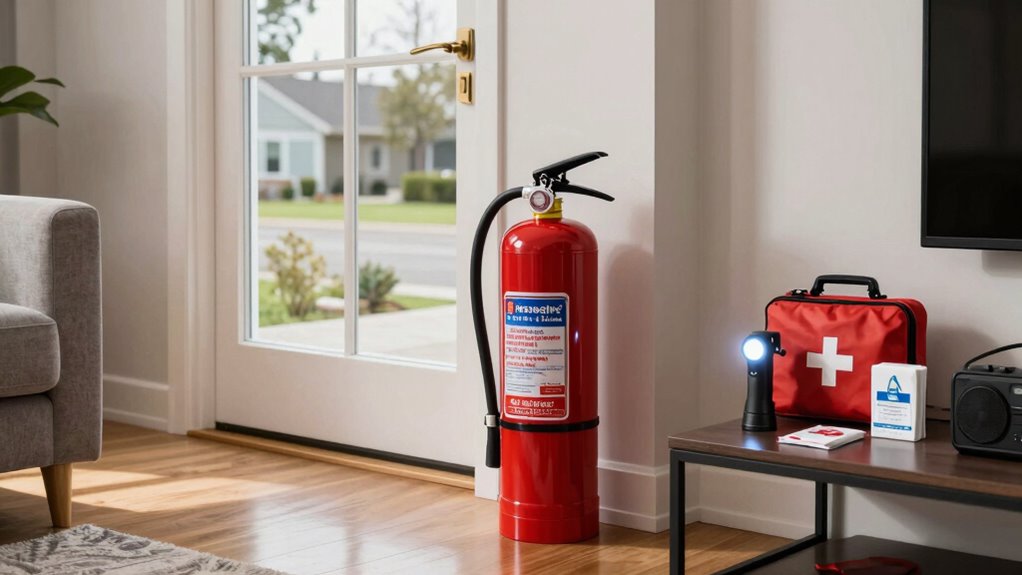

To keep your home truly safe, you need emergency thinking alongside safety measures. It’s not enough to rely on alarms or safety plans alone—you must understand your home’s functions and adapt quickly when emergencies happen. Risk assessment helps you identify vulnerabilities, while automation can respond instantly to threats. Strengthening your emergency response makes your home more secure, but mastering these strategies takes ongoing effort. Keep going to find out how you can better prepare for the unexpected.
Key Takeaways
- Safety equipment alone cannot address all unforeseen emergencies; proactive thinking enhances overall home safety.
- Understanding home functions allows for effective, quick responses during various emergencies.
- Risk assessment identifies vulnerabilities, guiding targeted emergency preparedness measures.
- Integrating automation with strategic planning ensures rapid, reliable responses to threats.
- Emergency thinking fosters resilient communication and coordination during crises, beyond just safety devices.
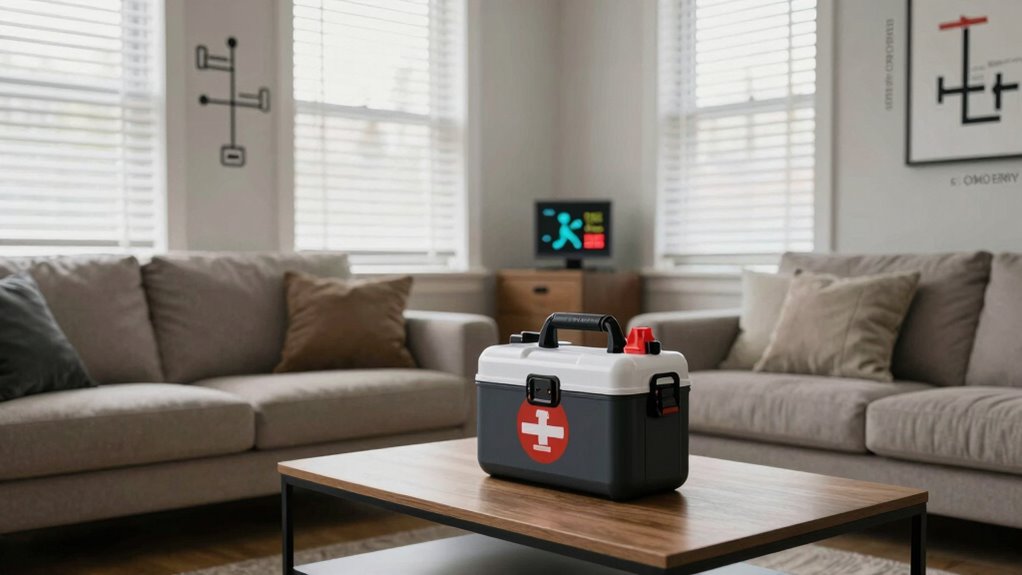
Have you ever thought about what it truly takes to keep your home safe during an emergency? It’s not just about having safety equipment or a plan in place; it’s also about understanding how your home functions and how to adapt quickly when unexpected situations arise. That’s where emergency thinking becomes crucial. While home automation can significantly enhance safety, it’s not a substitute for proactive planning. Instead, it complements your efforts by providing tools that automatically respond to certain threats, but only if you’ve conducted a thorough risk assessment first.
Risk assessment is the foundation of effective emergency preparedness. You need to evaluate your home’s vulnerabilities—whether it’s fire hazards, electrical issues, or potential break-ins—and identify the best ways to address them. This process helps you prioritize safety measures and decide where to invest your resources. For example, installing smart smoke detectors or security cameras can be valuable, but without knowing your specific risks, these tools might not be enough. Home automation systems can alert you instantly if something’s wrong, such as a leak or a fire, allowing you to react swiftly. Still, only if those systems are integrated with a clear understanding of your home’s unique risks. Recognizing the importance of home safety awareness can make all the difference in emergency response and preparedness. Additionally, understanding how your home’s networking systems operate can enhance the reliability of automated alerts and responses. Incorporating cloud server solutions into your home automation setup can also improve data security and ensure that critical alerts are stored safely and accessible even during local disruptions. Being aware of emergency communication methods ensures you can stay connected and coordinate effectively during crises. Moreover, developing an emergency plan tailored to your home’s layout and your family’s needs can further strengthen your readiness.
smart smoke detectors with app alerts
As an affiliate, we earn on qualifying purchases.
As an affiliate, we earn on qualifying purchases.
Frequently Asked Questions
How Often Should Emergency Plans Be Reviewed and Updated?
You should review and update your emergency plans at least once a year, or whenever there’s a significant change in your household or community. Regular reviews guarantee your evacuation procedures and communication protocols stay current and effective. It’s also wise to revisit your plans after any emergency incident, so you can identify gaps and improve your response. Staying proactive keeps your home safer and your family better prepared for unexpected situations.
What Are Common Overlooked Hazards in Safe Homes?
You might overlook hazards like carbon monoxide leaks, electrical issues, or small fall risks during routine risk assessments. Hazard identification isn’t just about obvious dangers; it involves carefully inspecting your home for hidden or overlooked risks. Regularly updating your risk assessment helps you spot these hazards early, ensuring your home stays safe. Don’t forget to check appliances, vents, and flooring for potential dangers that could cause emergencies down the line.
How Can Children Be Effectively Educated About Emergencies?
Think of teaching children about emergencies as planting seeds for safety. You can effectively educate them by involving child safety-focused activities and practicing regular emergency drills. Use simple language, explain what to do in different scenarios, and encourage questions. Role-playing helps children understand their actions. When they’re familiar with emergency procedures, they’ll respond confidently, transforming fear into preparedness, and making your home a safer place for everyone.
What Emergency Supplies Are Essential for Every Home?
You should have essential emergency supplies like water, non-perishable food, a flashlight, batteries, a first aid kit, and a multi-tool. Regularly practice emergency drills with your family to guarantee everyone knows what to do. Keep supplies in a designated, easily accessible area for quick supply storage during emergencies. Being prepared with the right supplies and practicing drills can make a real difference when seconds count.
How Do You Coordinate Multiple Safety Systems in a Home?
You coordinate multiple safety systems in your home by creating a thorough plan that includes regular fire drills and safety drills. Make certain alarms, sprinklers, and escape routes work together seamlessly. Practice evacuation procedures with everyone, and review safety protocols periodically. Keep communication devices accessible, and update safety systems as needed. This approach helps you respond swiftly and effectively during emergencies, minimizing risks and ensuring everyone’s safety.
home automation security systems
As an affiliate, we earn on qualifying purchases.
As an affiliate, we earn on qualifying purchases.
Conclusion
Remember, a safe home isn’t just a fortress with walls—it’s a garden that needs tending. When you think like an emergency, you’re planting seeds of readiness that bloom into swift action when trouble strikes. Stay alert, prepare your toolkit, and keep your mind sharp. Because, in the dance of safety and chaos, your quick steps can turn a potential storm into a gentle breeze, keeping your haven resilient and calm amidst life’s unpredictable weather.
As an affiliate, we earn on qualifying purchases.
emergency communication devices for home
As an affiliate, we earn on qualifying purchases.
As an affiliate, we earn on qualifying purchases.