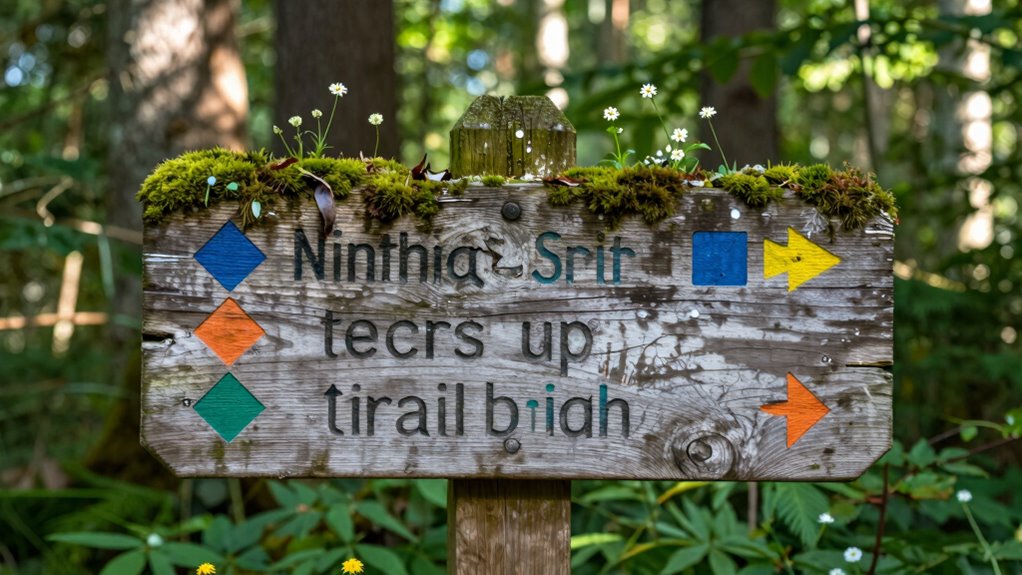

When you arrive at a trailhead or park entrance, closely examine the signage to understand key info at a glance. Look for entrance symbols that indicate trail types, difficulty levels, and accessibility. Check for signs about trail conditions, hazards, or restrictions, and note any guidelines for safety or environmental protection. Confirm distances and estimated times to plan your hike accordingly. If you keep exploring, you’ll discover how to interpret these signs for a safer, more enjoyable outdoor experience.

Get the latest gadgets delivered free with Prime
- Fast, free delivery on millions of items
- Prime Video, Amazon Music and more included
- Member-only deals all year
Key Takeaways
- Examine entrance symbols to quickly identify trail type, difficulty, and accessibility options.
- Carefully read all signage for trail names, distances, estimated times, and current status.
- Observe warning signs and alerts for recent hazards or environmental conditions.
- Check regulations and guidelines to understand rules about trail use and preservation.
- Use maps or diagrams at the entrance to familiarize yourself with the trail network layout.
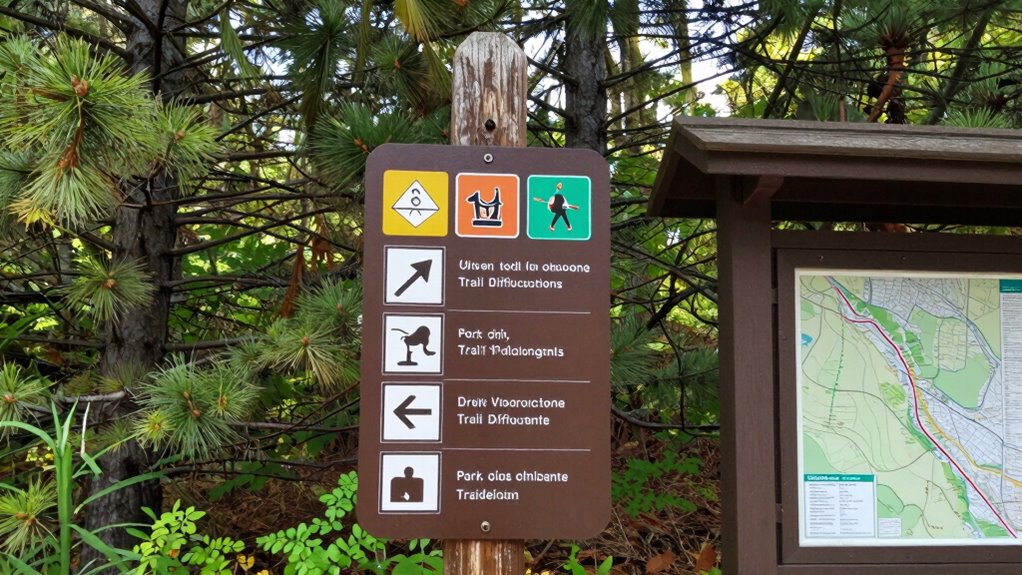
When approaching a trailhead or park entrance, it’s easy to overlook important signs and information. However, paying close attention to trail signage and entrance symbols can make your hike safer and more enjoyable. These signs aren’t just decorative; they’re essential tools that guide you, warn you of potential hazards, and provide rules to protect both visitors and the environment. Before stepping onto the trail, take a moment to scan the entire entrance area carefully.
Start by observing the entrance symbols. These symbols quickly communicate key information at a glance. For example, a hiker icon might indicate a walking trail, while a mountain symbol signals a more challenging route. Look for symbols indicating accessibility, trail difficulty, and allowed activities like biking or horseback riding. Recognizing these symbols helps you select the trail best suited to your experience level and interests, preventing you from accidentally entering a path that’s too tough or inappropriate.
Next, pay attention to the trail signage posted near the entrance. These signs often contain critical details such as trail names, distances, estimated hiking times, and rules. Clear, concise signs can tell you whether the trail is open or closed, if there are any restrictions, or if special precautions are necessary, like carrying bear spray or avoiding certain areas during nesting seasons. Some signs also include maps or diagrams of the trail network, giving you an overview of where you’re headed and how the trails connect. This can prevent confusion or getting lost once you’re on the trail. Recognizing trail signage and symbols helps you interpret important information quickly and accurately, which is essential for a safe outing. Being familiar with trail symbols can also help you understand what to expect on your hike.
It’s also essential to note any warning signs or alerts. These might include notices about recent trail damage, weather hazards, or wildlife activity. Ignoring these signs could put you in danger or cause environmental damage. Always read and heed warning signs, even if they seem minor, to ensure your safety and preserve the natural setting. Recognizing warning signs and understanding their importance can help you respond appropriately in potentially hazardous situations. Additionally, staying alert for hazard alerts can help you make timely decisions to avoid dangerous conditions.
Finally, don’t forget to look for any posted regulations or guidelines. These can include rules about staying on designated trails, packing out trash, or respecting wildlife. Following these instructions helps maintain the integrity of the park and ensures that everyone can enjoy it responsibly. Being aware of park regulations can also help you avoid unintentional violations that might lead to fines or other penalties.
trailhead trail map with signage
As an affiliate, we earn on qualifying purchases.
As an affiliate, we earn on qualifying purchases.
Frequently Asked Questions
What Do Symbols on Trail Signs Typically Mean?
Trail signs use symbols to quickly communicate important information, like trail difficulty, directions, or hazards. Typically, you’ll see symbols for uphill, downhill, or obstacles, based on trail sign history and standard iconography. Sign color meanings also help—green usually indicates easy trails, blue for intermediate, and black for difficult routes. Paying attention to these symbols guarantees you stay safe and enjoy your hike while understanding trail conditions clearly.
How Can I Tell if a Trail Is Suitable for Beginners?
You can tell if a trail is suitable for beginners by checking the trail difficulty ratings, which are often displayed at the trailhead. Look for beginner-friendly routes marked with easy symbols or colors, like green or simple icons. These trails usually have gentle slopes, clear paths, and minimal obstacles. If you’re new to hiking, sticking to these designated beginner trails guarantees a safer and more enjoyable experience.
Are There Specific Signs Indicating Wildlife Hazards?
Wildlife hazards are often signaled by clear wildlife warnings and hazard symbols at the trailhead. Look for signs featuring animals like bears, snakes, or mountain lions, along with symbols indicating caution. These signs alert you to potential dangers and remind you to stay alert, make noise, or carry protective gear. Always respect these warnings to guarantee your safety and avoid startling or provoking wildlife during your hike.
What Should I Do if Signs Are Damaged or Unclear?
If trail signs are damaged or unclear, you should proceed with caution and avoid relying solely on them. Look for alternative trail signs or markers, and consider using a map or GPS device for navigation. Report the issue to park authorities to help with trail sign maintenance. In emergencies, use emergency signaling devices like whistles or phones to call for help, ensuring safety until clear signs are restored.
How Often Are Trail Signs Updated or Replaced?
Like a trusty sidekick, trail signs get updated or replaced regularly to guarantee sign visibility and trail safety. The frequency varies, but typically, park staff conduct trail maintenance annually or after severe weather. This upkeep keeps signs clear and accurate, preventing confusion. You can help by reporting damaged signs, so maintenance crews can stay ahead, ensuring your adventures remain safe and enjoyable. Always stay alert for updates during your hike!
As an affiliate, we earn on qualifying purchases.
Conclusion
By paying close attention to trailheads and park entrances, you not only guarantee a safer, more enjoyable adventure but also respect the natural spaces you’re exploring. Did you know that nearly 80% of outdoor accidents happen due to overlooked signs or misunderstood trail information? Taking a moment to read carefully can make all the difference. So next time, slow down, read thoroughly, and connect more meaningfully with nature—your safety and experience depend on it.
As an affiliate, we earn on qualifying purchases.
As an affiliate, we earn on qualifying purchases.
Halloween Picks
halloween
As an affiliate, we earn on qualifying purchases.