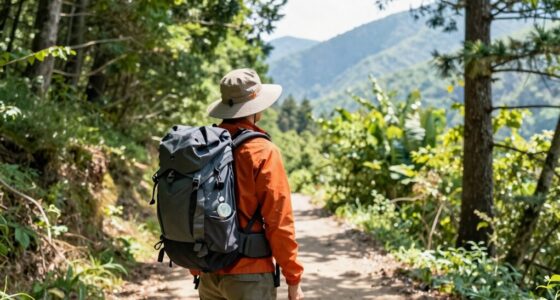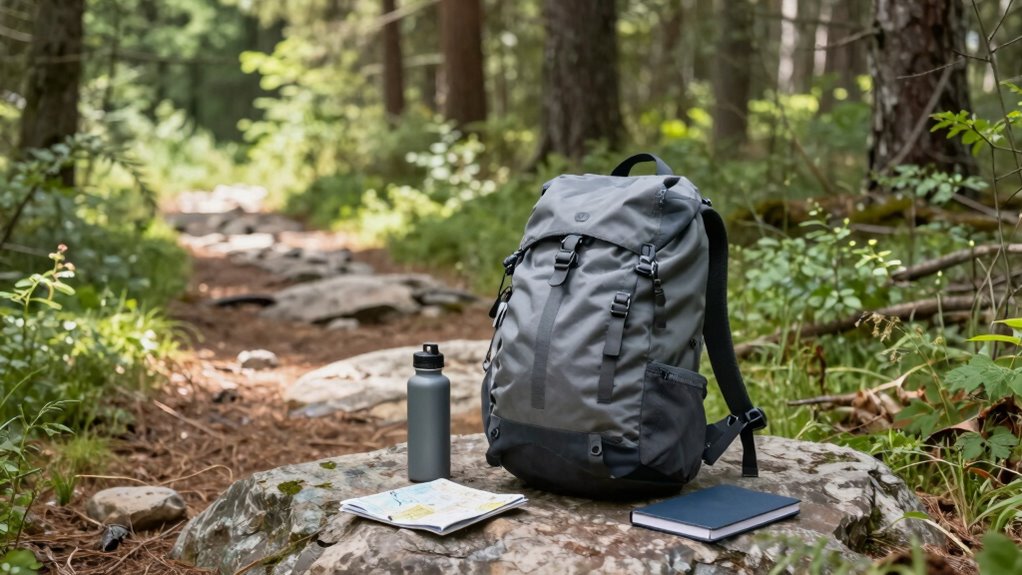

To think about outdoor readiness without overpacking, focus on essentials that match your environment and activities. Pack versatile, multi-purpose gear like a basic first aid kit, a multi-tool, and lightweight clothing that layers easily. Prioritize mobility and sustainability by choosing items that serve multiple functions and minimize environmental impact. Recognize weather patterns and terrain to avoid unnecessary items. Keep it simple and strategic—if you’re interested, there’s more to discover about balancing preparedness and mobility.

Get the latest gadgets delivered free with Prime
- Fast, free delivery on millions of items
- Prime Video, Amazon Music and more included
- Member-only deals all year
Key Takeaways
- Prioritize versatile, multi-purpose gear tailored to your environment and activities.
- Pack only essential items that address safety, weather, and navigation needs.
- Use layering to adapt to changing weather without bulky clothing.
- Research local conditions to inform appropriate gear choices and avoid unnecessary items.
- Focus on lightweight, sustainable gear to maintain mobility and minimize environmental impact.
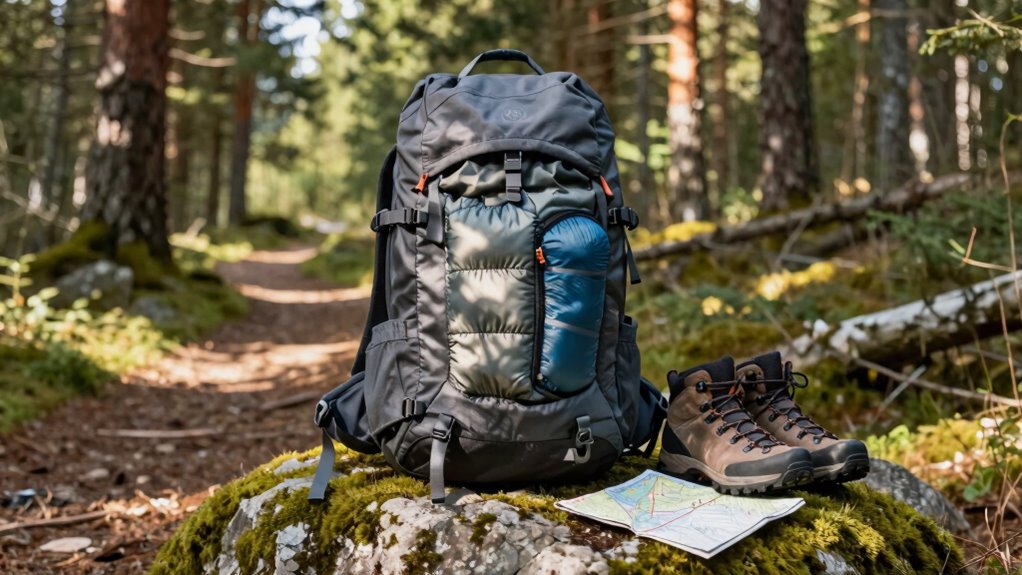
Are you prepared to tackle the outdoors confidently? The key to outdoor readiness isn’t about packing every gadget or piece of gear you own; it’s about being strategic and thoughtful. When you plan wisely, you can handle unexpected situations without lugging around a heavy, overstuffed bag. One of the most essential aspects to consider is emergency preparedness. You want to have the essentials—such as a basic first aid kit, a multi-tool, and a reliable flashlight—without overloading yourself. Think about the specific environment and potential risks. For instance, if you’re venturing into remote wilderness, packing a whistle, extra batteries, and a portable charger becomes indispensable. But if you’re just taking a short day trip, your focus should be on lightweight, multi-purpose items that can serve multiple functions. It’s all about balancing readiness with mobility.
Clothing layering plays a significant role in outdoor readiness. Instead of packing bulky jackets and multiple pairs of clothes, focus on versatile layers that can be added or removed as needed. Start with a moisture-wicking base layer to keep sweat away from your skin. Then, add an insulating layer for warmth, such as a fleece or lightweight down jacket. Top it off with a waterproof shell to shield against rain or wind. This system allows you to adapt to changing weather conditions without carrying excessive gear. Remember, the goal isn’t to stay perfectly warm or dry at all times, but to be prepared for typical fluctuations in temperature and weather. If you’re hiking in cooler weather, pack a hat and gloves, but don’t overdo it—choose compact, quick-drying options that won’t weigh you down. Layering also helps you stay comfortable during physical activity, preventing overheating or chills. Additionally, understanding the importance of biodiversity can help you choose more environmentally sustainable gear and practices that minimize your impact on natural habitats. Being aware of environmental impact can guide you toward making choices that support conservation efforts while enjoying the outdoors. Incorporating knowledge of local ecosystems can further enhance your safety and appreciation for the natural environment. It’s also helpful to research the local flora and fauna beforehand, so you can respect the natural environment and avoid disturbing delicate ecosystems.
Products Worth Considering

Bose SoundLink Flex Bluetooth Speaker (2nd Gen), Portable Waterproof Speaker, Black

Samsung 27-inch Odyssey OLED G6 QD-OLED QHD Gaming Monitor

Samsung 27 Odyssey OLED G5 (G50SF) QHD QD-OLED Gaming Monitor
As an affiliate, we earn on qualifying purchases.
Frequently Asked Questions
What Are Essential Items for All Outdoor Trips?
For all outdoor trips, you need essentials like a sturdy backpack, navigation tools, and a first aid kit. Follow leave no trace principles by packing minimal environmental impact gear, like reusable containers. Include wilderness survival items such as a fire starter, multi-tool, and emergency blanket. Always check weather conditions and plan accordingly, ensuring you’re prepared without overpacking. Prioritize lightweight, versatile gear to stay safe and eco-conscious on your adventure.
How Do I Pack Efficiently for Varying Weather Conditions?
To pack efficiently for varying weather, use layering techniques. Start with moisture-wicking base layers, add insulating layers for warmth, and a waterproof shell for rain or wind. Check the weather forecast before you leave, so you know what to expect. Pack versatile pieces that can serve multiple purposes, and include a compact emergency rain jacket. This way, you’re prepared without overpacking, adjusting easily to changing conditions.
What Are Common Mistakes in Outdoor Packing?
Don’t let overpacking tendencies make you carry unnecessary weight, causing discomfort and fatigue. A common mistake is overlooking essentials like a first aid kit or proper layering gear, which can ruin your trip. People often pack based on worst-case scenarios but forget to include what’s truly crucial. Focus on versatile, lightweight items and double-check your list to avoid missing overlooked essentials, ensuring a smooth, enjoyable outdoor experience.
How Do I Prioritize Safety Gear Over Comfort Items?
You should prioritize safety gear over comfort items by evaluating the risks of your outdoor activity first. Balance safety with comfort by packing essential safety equipment like a first aid kit, navigation tools, and appropriate clothing. Comfort items are important but should not overshadow safety. Focus on lightweight, multifunctional gear that keeps you safe while still offering some comfort, ensuring you’re prepared without overpacking.
How Can I Reduce Weight Without Sacrificing Preparedness?
To reduce weight without sacrificing preparedness, focus on lightweight gear and minimalist packing. Opt for multi-purpose tools that serve multiple functions, and choose compact, versatile clothing. Prioritize essentials like navigation, shelter, and safety while leaving behind bulky items. Streamline your pack by eliminating duplicates, and select lightweight versions of your must-have gear. This approach guarantees you’re ready for the outdoors, lighter on your feet, and prepared for whatever comes your way.
Conclusion
Remember, outdoor readiness isn’t about carrying everything but knowing what truly matters. Think of it as packing a little wisdom along with your gear—focusing on essentials, not excess. With a mindful approach, you’ll find your adventures more enjoyable and less cluttered. Embrace the art of light packing, and you’ll discover that sometimes, less truly is more. Trust your instincts, stay prepared, and let the journey unfold naturally—your best adventures are just around the corner.