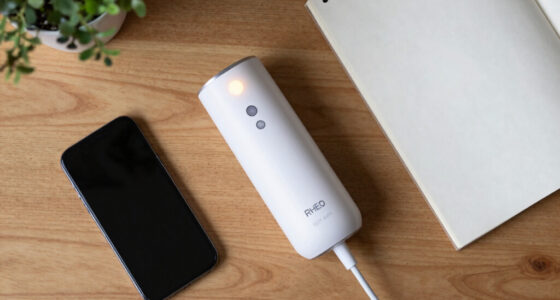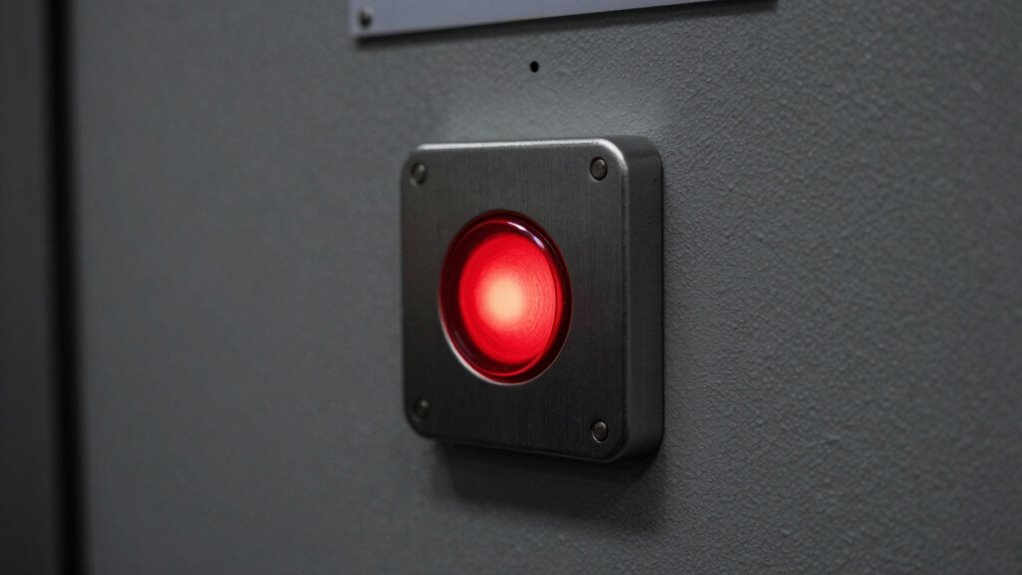

When you press a panic button, it instantly sends a wireless or wired signal to a central system or emergency services using cellular, Wi-Fi, or radio frequencies. The system verifies your location and identity to prevent false alarms. Then, emergency responders are alerted and can communicate with you directly if needed. This quick connection helps guarantee swift assistance. To understand how these systems work behind the scenes, keep exploring the details.

Get the latest gadgets delivered free with Prime
- Fast, free delivery on millions of items
- Prime Video, Amazon Music and more included
- Member-only deals all year
Key Takeaways
- Panic buttons send signals via cellular networks, Wi-Fi, or radio frequencies to alert emergency services or monitoring centers.
- They automatically verify user identity and location to ensure genuine emergencies.
- Activation triggers immediate alerts to law enforcement, medical, or fire responders through centralized systems.
- Many systems feature two-way communication for real-time assessment and assistance.
- They incorporate secure, reliable connections with backup channels to function during outages or technical issues.
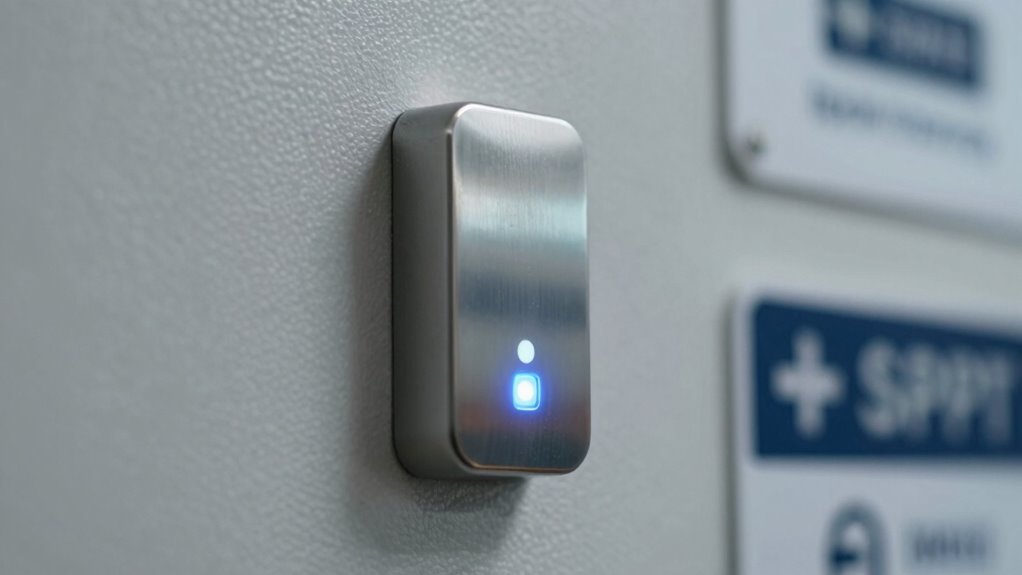
When you press a panic button, it instantly connects you to help through a network of advanced communication systems. This immediate link is designed to ensure that assistance arrives as quickly as possible, especially during critical moments. The moment you activate the button, it transmits a signal that triggers a series of automated responses embedded within the security protocols of the system. These protocols are carefully crafted to prioritize your safety, efficiently relay your location, and activate emergency response teams without delay.
The core of how panic buttons connect you to help lies in the sophisticated technology behind them. Typically, pressing the button sends a wireless or wired signal to a centralized monitoring station or directly to emergency services. In many cases, the system is connected via cellular networks, Wi-Fi, or dedicated radio frequencies, depending on the setup. Once the signal is received, the system verifies the alert, often by cross-referencing your location data or confirming your identity through pre-set security procedures. These security protocols are vital—they prevent false alarms and ensure that help is dispatched only when truly needed. Reliable communication channels are essential for maintaining the integrity of these systems, especially in emergency situations. Additionally, these systems often incorporate fail-safe mechanisms to ensure continuous operation even during power outages or technical failures.
Panic buttons transmit signals via cellular, Wi-Fi, or radio to verify your location and prevent false alarms.
From there, the emergency response process kicks into gear. The monitoring station or automated system immediately alerts local law enforcement, medical teams, or fire services, depending on the nature of the emergency. These responders are typically equipped to access your exact location through GPS or triangulation methods, ensuring they can reach you quickly, even if you’re in an unfamiliar place. The entire process is designed to minimize delays and streamline communication, so you’re not left waiting for assistance. Additionally, these systems often incorporate real-time location tracking, which enhances response efficiency and accuracy.
Furthermore, many modern panic button systems incorporate two-way communication capabilities. This means you can speak directly to responders once they’re connected, providing critical details about your situation. This real-time interaction allows responders to assess the severity of your emergency accurately and send the appropriate help. The systems also often include backup communication channels, such as cellular fallback or landline connections, to ensure that help can be reached even if one network fails. Furthermore, these systems rely on advanced communication systems to maintain a reliable connection even in challenging situations. This technology ensures that your connection remains stable, regardless of environmental or technical obstacles.
In essence, when you activate a panic button, you’re triggering a well-orchestrated response driven by robust security protocols and advanced emergency response procedures. These elements work together seamlessly to ensure that help arrives swiftly and efficiently, giving you peace of mind knowing that assistance is just a button press away.
As an affiliate, we earn on qualifying purchases.
Frequently Asked Questions
Can Panic Buttons Be Used Remotely Without Physical Contact?
Yes, panic buttons can be used remotely without physical contact through remote activation features. They often utilize wireless connectivity, like Bluetooth or Wi-Fi, allowing you to activate them from a distance. This technology is especially useful in emergencies, as it enables you to call for help quickly without needing to press a physical button directly. With remote activation, safety becomes more flexible and accessible, providing peace of mind in various situations.
Are Panic Buttons Available for Personal Smartphones?
You might be surprised, but yes, panic buttons are available for personal smartphones. With mobile safety apps, you can activate a panic button directly from your phone, often through app notifications or quick-access features. This convenient technology guarantees help is just a tap away, providing instant safety measures when needed. It’s a coincidence that your device can now serve as a powerful safety tool, offering peace of mind wherever you go.
How Long Does It Take for Help to Arrive After Pressing a Panic Button?
When you press a panic button, emergency response times vary based on your location and the system’s efficiency. Typically, help arrives within a few minutes, but it can take longer if activation procedures are delayed or if the dispatch system is busy. Ensuring quick activation procedures and reliable communication channels can considerably reduce response times, helping you get assistance faster in critical situations.
Can Panic Buttons Be Integrated With Home Security Systems?
Yes, panic buttons can be integrated with home security systems, enhancing your emergency protocols. You’ll want to check system compatibility first, ensuring your security setup supports the panic button integration. Once connected, pressing the button can trigger alarms, notify authorities, or alert you or family members instantly. This seamless integration helps you respond faster during emergencies, making your home safer and more prepared for any situation.
What Are the Costs Associated With Installing a Panic Button System?
The costs of installing a panic button system vary depending on the type and complexity. You’ll want to compare costs—hardware, professional installation, and ongoing maintenance—while considering installation requirements like wiring or wireless options. Typically, basic systems are affordable, while advanced setups with integration features cost more. By doing a detailed cost comparison, you can choose a panic button system that fits your budget and meets your safety needs efficiently.
personal emergency alarm with two-way communication
As an affiliate, we earn on qualifying purchases.
As an affiliate, we earn on qualifying purchases.
Conclusion
Even if you think panic buttons might not work in every situation, they’re a quick way to get help when it counts the most. Remember, they’re designed to connect you immediately to emergency services or trusted contacts, providing reassurance and safety. Don’t wait until it’s too late—install one today. With just a press, you can turn a moment of crisis into a chance for prompt assistance, giving you peace of mind wherever you are.
medical alert panic button with GPS
As an affiliate, we earn on qualifying purchases.
As an affiliate, we earn on qualifying purchases.
emergency response system with backup channels
As an affiliate, we earn on qualifying purchases.
As an affiliate, we earn on qualifying purchases.
Halloween Picks
halloween
As an affiliate, we earn on qualifying purchases.