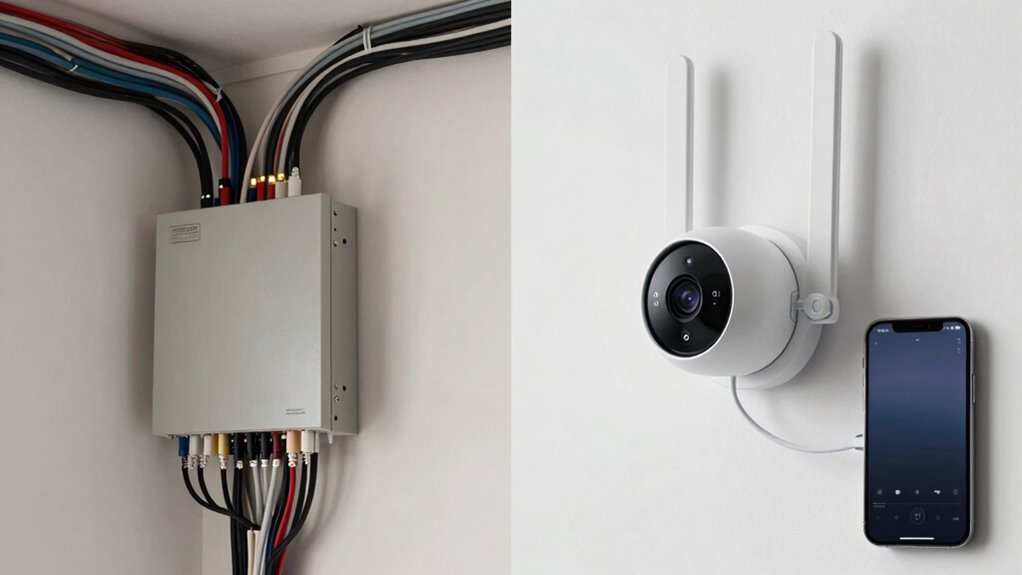

Wired security systems connect sensors through cables, offering stable, reliable coverage, but they can be harder to install and less flexible. Wireless systems use radio signals, making installation simple and adaptable but sometimes less secure and affected by interference. Depending on your needs—whether you prioritize durability or convenience—each has its pros and cons. Understanding these differences helps you choose the best option for your home or business as you explore further.
Key Takeaways
- Wired systems offer stable, interference-free connections ideal for high reliability and security-critical environments.
- Wireless systems are easier to install and modify, providing flexibility for changing layouts and remote monitoring.
- Wired setups typically involve higher upfront costs and professional installation, while wireless systems are more budget-friendly initially.
- Wireless sensors depend on batteries, requiring regular replacements, whereas wired sensors are more durable with minimal maintenance.
- Wired systems excel in environments needing consistent, uninterrupted security, while wireless systems suit dynamic, expanding smart home setups.

ANSQUE Security Cameras Wireless Outdoor Home System, 4 Camera Kit, No Subscription Fees, Solar Powered, Local Storage, 365-Day Battery Life, 360°PTZ Surveillance, Auto Tracking, 2K Color Night Vision
No Subscription Fees, Secure Local Storage: AnsqueBase features built-in 32GB local storage with up to 120 days of…
As an affiliate, we earn on qualifying purchases.
As an affiliate, we earn on qualifying purchases.
What Are the Main Differences Between Wired and Wireless Security Systems?
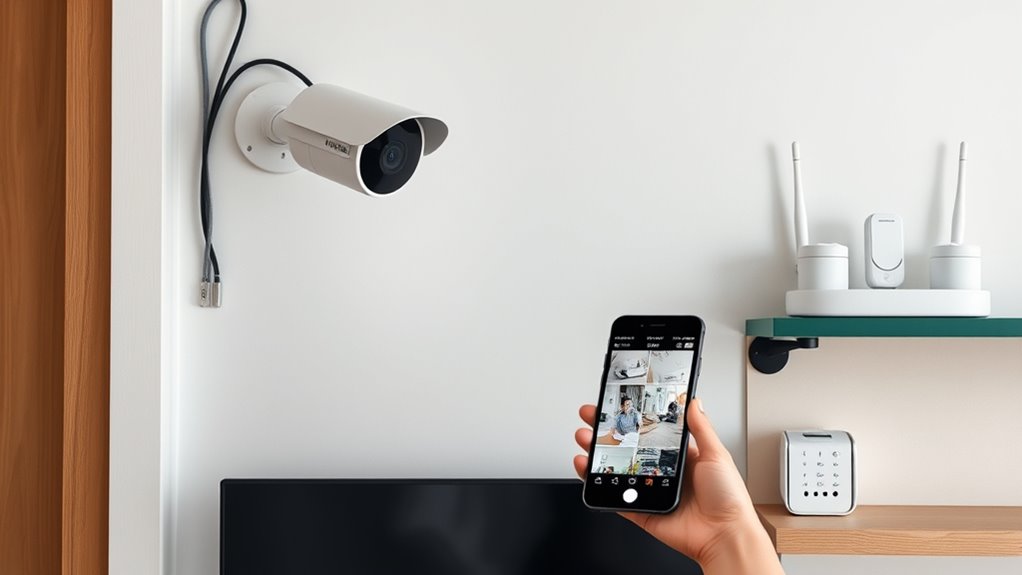
Wired and wireless security systems differ primarily in how they connect their components. With wired systems, sensors like door and window contacts, motion detectors, and glass break sensors are physically linked via cables, providing a stable connection. Wireless systems use various sensor types that communicate through radio signals, making installation easier and more flexible. These sensors rely on communication protocols such as Z-Wave, Zigbee, or Wi-Fi to transmit data to the control panel. Wireless systems often support multiple protocols, allowing compatibility with various devices. The choice of sensor types and communication protocols influences system reliability, range, and ease of expansion. Additionally, digital age technologies have made wireless systems more adaptable to different environments and user needs. This wireless communication capability enables easier integration with smart home devices and remote monitoring options. As technology advances, interoperability between devices becomes increasingly important for comprehensive security solutions. Moreover, the ease of installation for wireless systems makes them particularly attractive for DIY setups and quick upgrades. An important factor to consider is the signal range, which can affect the coverage area and overall system performance, especially in larger or multi-story buildings. Overall, understanding these differences helps you decide which system fits your needs based on the technology’s flexibility and setup requirements.

Ring Alarm 8-Piece Kit (newest model), Home or business security system with optional 24/7 professional monitoring
A great fit for 1-2 bedroom homes, this kit includes one base station, one keypad, four contact sensors,…
As an affiliate, we earn on qualifying purchases.
As an affiliate, we earn on qualifying purchases.
How Easy Is It to Install Wired vs Wireless Security Systems?
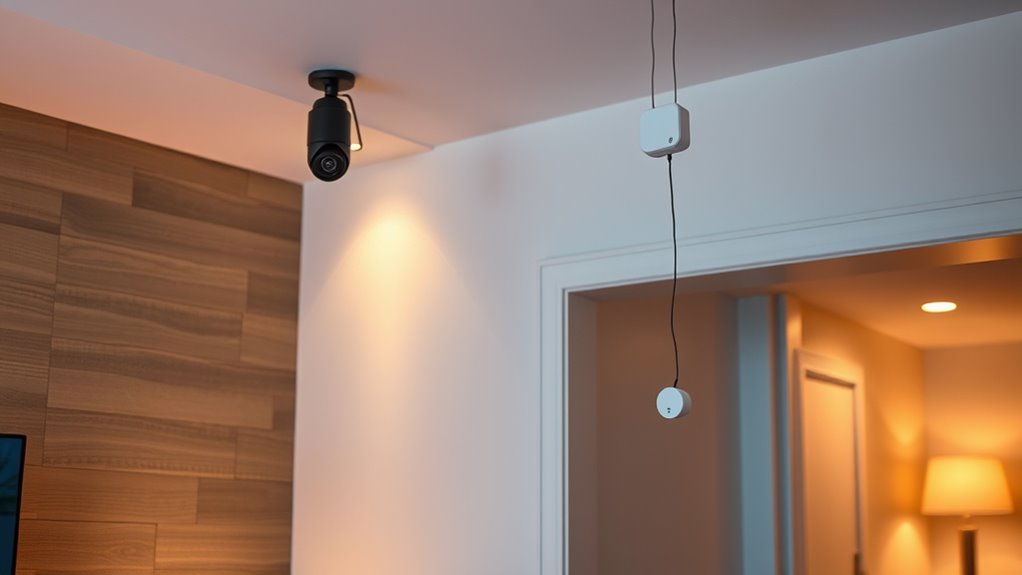
Installing a security system can vary considerably in complexity depending on whether you choose a wired or wireless setup. If you prefer a DIY setup, wireless systems are usually easier because they don’t require drilling or wiring. With wireless, you can:
Wireless security systems are generally easier to install and ideal for DIY setup without wiring hassle.
- Place sensors easily on walls or windows without hassle
- Connect cameras or keypads with simple syncing
- Move components around without rewiring
- Wireless systems often include user-friendly interfaces, making setup and daily operation more straightforward for homeowners. The installation process for wireless systems generally involves minimal tools and technical knowledge. Wireless systems are also more adaptable to changes, allowing you to modify your security layout as needed without major adjustments. Moreover, wireless systems often incorporate smart‑home integrations, enabling seamless control alongside other connected devices.
On the other hand, wired systems often need professional installation, especially if it involves running cables through walls or ceilings. Wiring can be time-consuming and complex, making DIY setup less practical. Wired systems are better suited for permanent, hardwired connections, whereas wireless systems offer a quicker, less invasive installation process. Additionally, wireless systems can be more flexible in placement, making them ideal for temporary or changing security needs.

WiFi Door Alarm System, Wireless DIY Smart Home Security System, with Phone APP Alert, 8 Pieces-Kit (Alarm Siren, Door Window Sensor, Remote), Work with Alexa, for House, Apartment, by tolviviov
WIFI Network: WIFI connection, Only works on 2.4GHz WiFi network, does NOT support 5GHz WiFi networks.
As an affiliate, we earn on qualifying purchases.
As an affiliate, we earn on qualifying purchases.
Which System Is More Reliable and Secure?
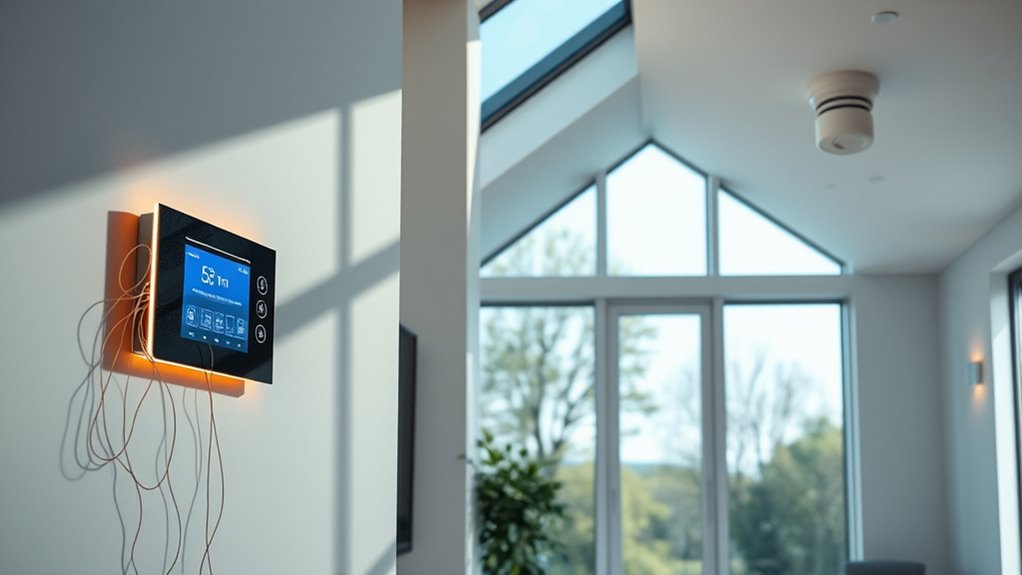
When it comes to reliability and security, choosing between wired and wireless systems hinges on how well they perform under various conditions. Wired systems generally offer higher security against breaches because their physical connections make hacking more difficult. Wireless systems rely heavily on encryption methods to prevent security breaches, but they can be vulnerable if encryption is weak or outdated. Your decision should consider the environment and potential risks. Additionally, understanding the specific surveillance setup can help determine which system aligns best with your security needs. Moreover, the installation process for each system can impact overall security, as improper setup may introduce vulnerabilities.

WiFi Wireless Alarm System for Home Security – 24/7 Protection Smart Home Devices 4.3" Touch Screen, GSM/4G+WiFi, App Instant Alerts, No Monthly Fee, Alexa Compatible for Villa, Kids Safety (24 pcs)
𝐃𝐮𝐚𝐥 𝐖𝐢𝐅𝐢 + 𝟒𝐆 𝐒𝐞𝐜𝐮𝐫𝐢𝐭𝐲: Equipped with a 2.4GHz WiFi and 2G/4G connection (5G not supported), this home…
As an affiliate, we earn on qualifying purchases.
As an affiliate, we earn on qualifying purchases.
What Are the Costs and Maintenance Needs for Wired and Wireless Security?
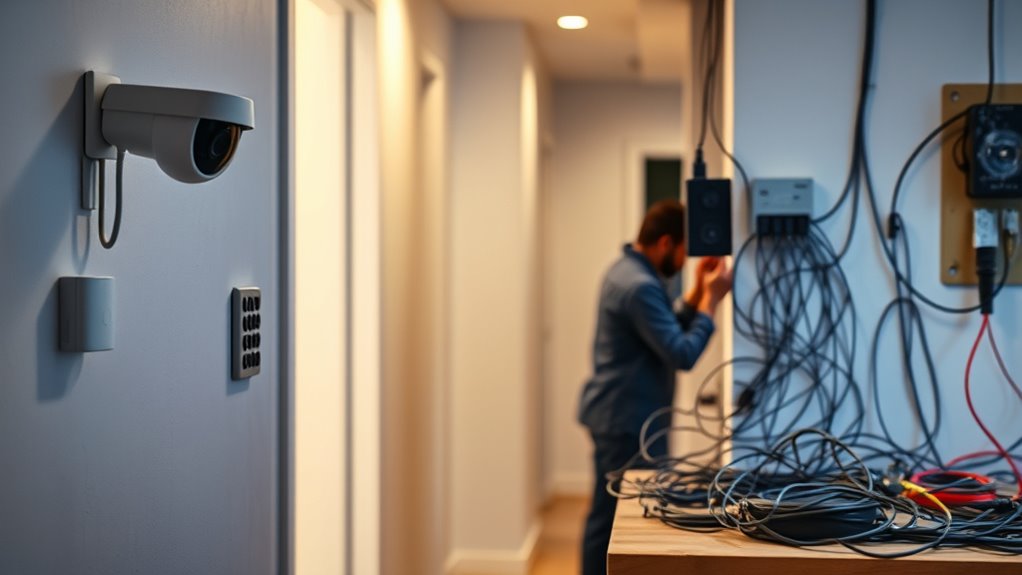
When choosing between wired and wireless security systems, understanding the costs and maintenance needs is essential. You’ll want to contemplate installation expenses and how complex the setup might be, along with ongoing maintenance costs. Additionally, think about each system’s durability and how long it will serve your security needs effectively. Considering system reliability and how it impacts your peace of mind can also influence your decision. Evaluating the hardware durability can help you determine which system will withstand environmental factors and daily wear over time. Moreover, assessing ventilation considerations can be important for certain security setups, especially in systems integrated into enclosed spaces. Ensuring proper system integration can also streamline maintenance and improve overall performance. Incorporating reliable power sources into your security system can further prevent outages and ensure continuous protection.
Installation Costs and Complexity
Wired security systems generally involve higher upfront costs because they require professional installation and extensive wiring throughout your property. This means you’ll likely need a technician to handle the setup, which adds to the expense. In contrast, wireless systems often let you opt for a DIY setup, saving you money and time. When considering installation complexity, picture these scenarios:
- Running cables through walls, ceilings, and floors.
- Mounting control panels and sensors in precise locations.
- Ensuring power sources are available for each wired component.
- Electrical safety considerations are essential when working with wiring to prevent hazards during installation.
- Additionally, wire management plays a crucial role in maintaining a neat and safe setup, especially in wired systems. Proper planning of system layout can help minimize potential issues and improve overall security effectiveness.
- The need for ongoing maintenance can also influence the choice, as wired systems may require more frequent inspections for wear and tear over time. For example, system reliability is often higher with wired connections, reducing the likelihood of signal interference or failures.
While professional installation guarantees proper setup, it’s more involved than simply plugging in a wireless device. Wireless systems tend to be more straightforward, but wired systems offer a more permanent and reliable connection once installed.
Ongoing Maintenance Expenses
Ongoing maintenance expenses for security systems can vary considerably between wired and wireless setups. Wireless systems typically require regular battery replacements, which impacts ongoing expenses. Battery life varies depending on the device, but you should budget for periodic replacements to guarantee continuous operation. Assessing battery condition can help you determine optimal times for replacements and avoid unexpected failures. Additionally, monitoring battery performance can extend the lifespan of batteries and reduce costs over time. Wired systems generally have fewer ongoing costs since they rely on power from the main electrical supply, reducing the need for battery maintenance. However, they may require occasional inspections for physical wear or damage to wiring. Wireless systems might also need software updates or resets, adding to maintenance tasks. Overall, wireless setups can incur higher ongoing expenses due to battery replacements and updates, while wired systems tend to have lower recurring costs but may involve more effort during initial installation.
Long-term System Durability
Long-term resilience plays a crucial role in determining the overall costs and maintenance needs of security systems. For wired systems, hardware longevity is typically high because components are physically connected and protected from environmental factors. Wireless systems often depend on battery life, which can diminish over time, requiring replacements or recharging. Consider these factors:
- Wired systems generally last longer with minimal upgrades.
- Wireless devices may need frequent battery replacements, impacting ongoing costs.
- Both systems require periodic hardware checks to ensure consistent performance.
- Environmental protection can significantly influence the durability of both wired and wireless components, affecting maintenance frequency and costs.
- Staying informed about cryptocurrency market trends can help you make smarter decisions about investing in security technology, especially when considering long-term investments.
Your wired setup provides stability and fewer maintenance surprises, while wireless systems offer flexibility but demand attention to battery health. Evaluating these durability aspects helps you plan for long-term investments in your security infrastructure.
Which Security System Is Best for Your Home or Business?

Choosing the right security system for your home or business depends on your specific needs and priorities. If you want seamless integration with home automation and quick emergency response, wireless systems might suit you best. They’re easy to install, flexible, and allow remote monitoring. On the other hand, if you prefer a more durable, wired setup with less potential interference, a wired system could be ideal. Consider your environment, budget, and future plans to make the best choice. Here’s a quick comparison to help:
| Feature | Wireless | Wired |
|---|---|---|
| Installation Ease | Quick, simple setup | Longer, more involved installation |
| Flexibility | High; easily expandable | Limited; harder to modify |
| Reliability | Susceptible to interference | More stable, consistent connection |
| Emergency Response | Fast alerts, remote access | Reliable, direct connection |
Pros and Cons of Wired and Wireless Security in Real-Life Scenarios
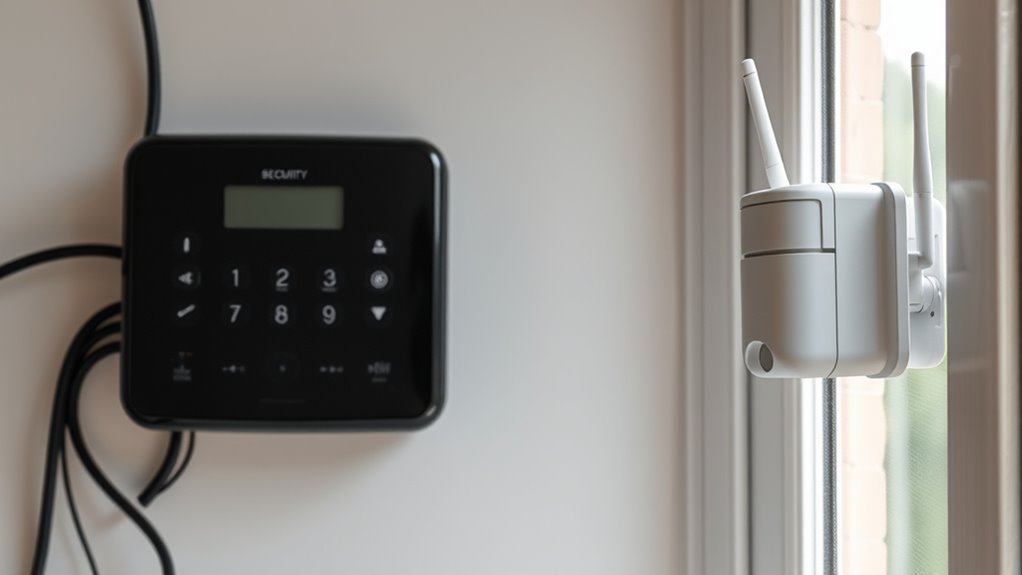
When choosing between wired and wireless security systems, installation ease and costs are key factors to contemplate. You’ll also want to evaluate how reliable each system is and whether interference could impact performance. Understanding these points helps you select the best option for your home or business needs.
Installation Ease and Cost
Installing wired security systems often requires more planning and effort upfront because running cables through walls or ceilings can be time-consuming and disruptive. If you’re considering a DIY setup, be prepared for the complexity of wiring and potential wall damage. Alternatively, professional installation guarantees the job is done efficiently, but at a higher cost. Wired systems typically involve higher initial expenses due to materials and labor, but they can save money long-term with fewer maintenance needs. Visualize these steps:
- Drilling holes through walls to conceal cables
- Hiring specialists to run wires and set up devices
- Waiting for installation appointments to complete the setup
Wireless systems, in contrast, usually offer easier, faster setup at a lower initial cost, making them appealing if you’re seeking convenience over permanence.
Reliability and Interference
Wired security systems are generally more reliable in real-life scenarios because their physical connections guarantee a stable signal and consistent performance. You won’t have to worry about interference issues disrupting your alarm or camera footage. With wired setups, signal stability is high, even during power outages, since they don’t rely on wireless transmission. Wireless systems, on the other hand, can be vulnerable to interference issues from other devices like Wi-Fi routers, cordless phones, or microwave ovens, which might cause signal disruptions. While wireless options offer convenience and flexibility, they might require troubleshooting if interference weakens their performance. Overall, wired systems excel in reliability due to their direct connections, making them ideal for environments where steady, uninterrupted security coverage is essential.
Frequently Asked Questions
Can Wireless Systems Be Hacked More Easily Than Wired Ones?
Yes, wireless systems can be hacked more easily than wired ones because they face hacking vulnerabilities like signal interference and unauthorized access. Wireless signals travel through the air, making them susceptible to hacking attempts if not properly secured. You should guarantee your wireless network uses strong encryption and change default passwords to minimize risks. Wired systems are generally less vulnerable since they rely on physical connections, which are harder for hackers to access.
Do Wireless Security Systems Work During Power Outages?
Wireless security systems can still work during power outages thanks to their battery backup functionality. You won’t have to worry about power outage resilience because most systems are designed to switch to backup power quickly. This way, your security system remains active, monitoring your home and sending alerts even when the electricity goes out. Make sure your system has a reliable battery backup to maintain security at all times.
Are Wired Systems Suitable for Remote or Large Properties?
Think of your property as a vast canvas, and wired systems as the steady brushstrokes that cover it. Yes, wired systems suit remote monitoring and large properties well, providing reliable coverage where signals might falter. Their stability guarantees you stay connected across expansive spaces, making them ideal for large properties. You’ll appreciate the consistent security and seamless integration, even in remote areas where wireless signals might struggle to reach.
How Do Installation Times Compare for Large-Scale Security Setups?
Installation times for large-scale security setups vary considerably. Wired systems tend to take longer due to installation complexity and the need to run cables across vast areas, which can be labor-intensive. Wireless systems, on the other hand, usually install faster, as they avoid extensive wiring and are easier to scale. However, scalability challenges may arise with wireless setups if signal interference becomes an issue, impacting coverage and system reliability.
What Is the Typical Lifespan of Wired Versus Wireless Components?
You’ll find wired components typically last 10 to 15 years, thanks to their durable materials, while wireless parts often need replacement every 5 to 10 years due to battery life. Wired systems require less maintenance, as their components are less prone to wear and tear. Wireless components, however, may need more frequent checks to confirm battery health and signal strength, influencing your long-term security costs.
Conclusion
Choosing between wired and wireless security systems depends on your needs, budget, and preferences. Both have their strengths and pitfalls, so don’t put all your eggs in one basket. Consider what matters most—ease of installation, reliability, or cost—and weigh the pros and cons carefully. Remember, it’s better to be safe than sorry, so take the time to pick the system that truly fits your lifestyle. Your peace of mind is worth it.