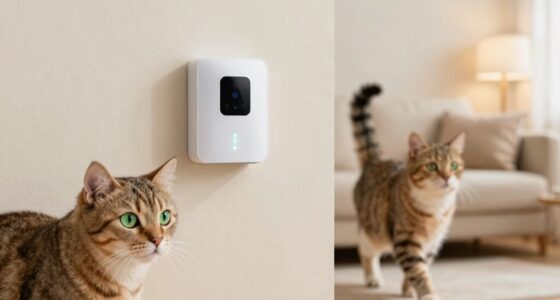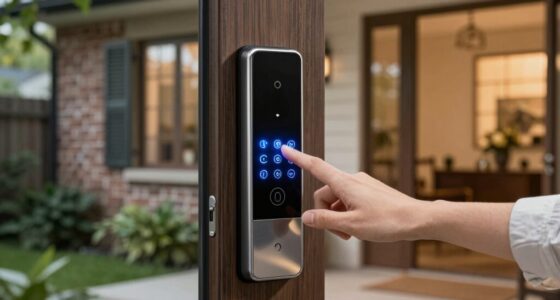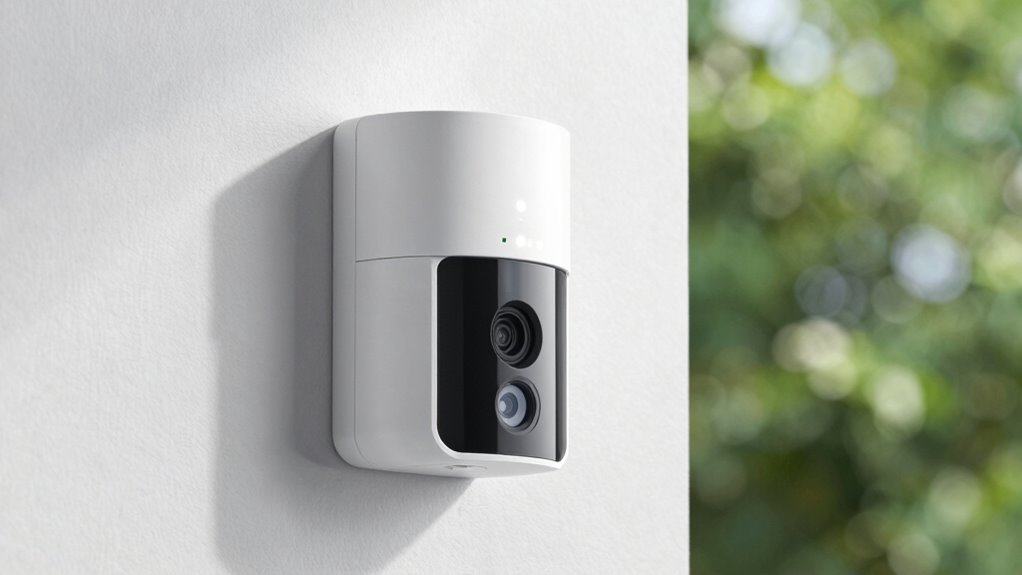

Alarm sensors detect specific environmental changes and movement, such as intrusions, smoke, heat, or gas buildup, using technologies like infrared, microwave, or photoelectric sensors. However, they have limitations—they might miss subtle movements, be affected by environmental factors, or fail due to poor placement or maintenance. To fully understand what your sensors can and can’t do, explore the details to optimize your security system effectively.
Key Takeaways
- Alarm sensors detect environmental changes, motion, heat, smoke, and gases, providing early warnings for intrusions and hazards.
- They may miss subtle intrusions, low-level vibrations, or threats concealed by obstructions or environmental interference.
- Motion sensors rely on infrared or microwave signals but can be hindered by furniture, walls, or environmental factors.
- Smoke and fire sensors detect particles, heat, or flames, but require proper placement and maintenance to avoid false or missed alarms.
- Sensor failures due to power issues, dust, humidity, or poor calibration can disable detection capabilities.
How Do Alarm Sensors Detect Movement and Intrusions?
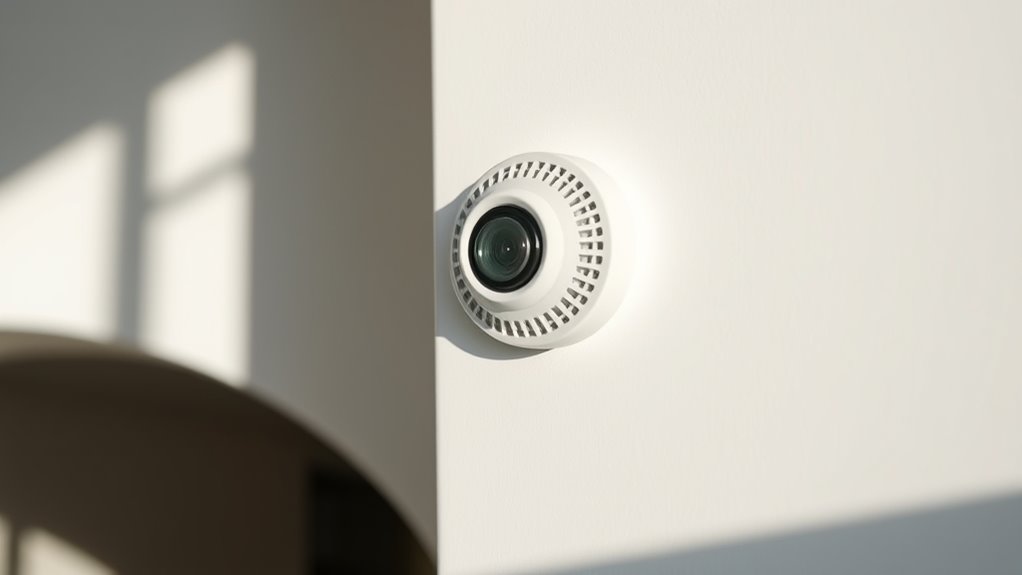
Alarm sensors detect movement and intrusions by actively monitoring their surroundings for changes. Using advanced sensor technology, they can identify motion within a designated area, triggering alerts when unexpected activity occurs. Motion detection relies on infrared sensors that sense body heat or on microwave sensors that detect movement through emitted signals. When the sensor detects a change—such as someone entering a room or crossing a boundary—it immediately sends a signal to the alarm system. This quick response helps prevent break-ins and unauthorized access. Sensor technology is designed to be highly sensitive yet precise, minimizing false alarms caused by pets or environmental factors. By continuously scanning their environment, alarm sensors provide reliable, real-time detection to keep your property secure. Sensor technology is also constantly evolving to improve accuracy and reduce false alarms, often incorporating advanced detection methods to better differentiate between threats and harmless movements. Furthermore, the integration of monitoring tools can enhance detection capabilities by providing real-time data analysis. Additionally, understanding the specific factors influencing sensor sensitivity, such as environmental conditions, can help optimize alarm system performance.
What Types of Doors and Windows Do Contact Sensors Monitor?
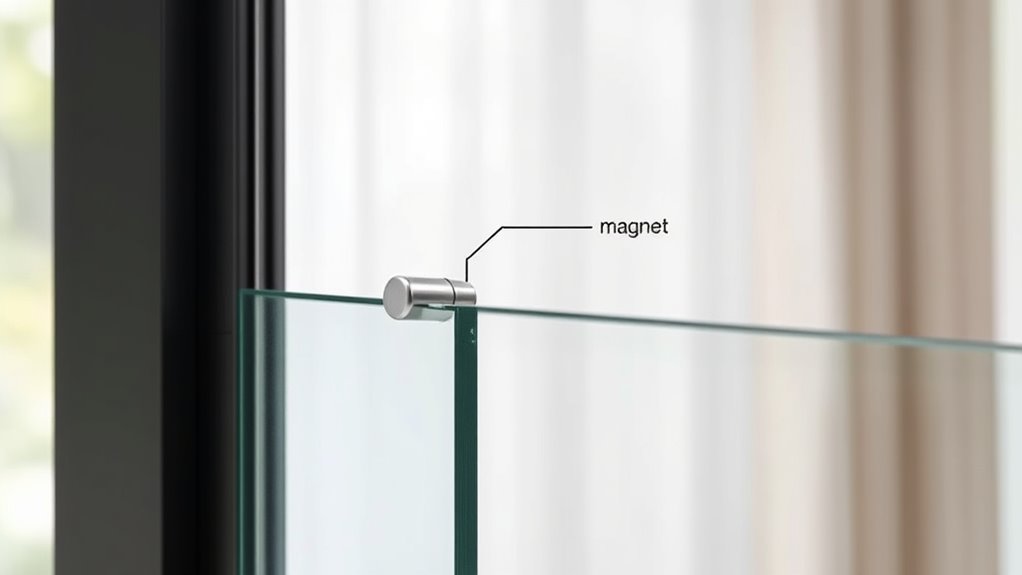
Contact sensors work best with certain window and door types to guarantee reliable detection. You’ll want to contemplate which window materials and styles are compatible with these sensors for ideal security. Additionally, understanding suitable door materials helps you choose the right sensors for your setup. For example, verify that the door and window materials are compatible with the contact sensors by researching material compatibility, ensuring accurate detection and avoiding false alarms. Considering dog-friendly materials can also be beneficial if you have pets that might accidentally trigger the sensors. Being aware of modern smart appliance integration can further enhance your overall security system by providing seamless automation and monitoring. Moreover, selecting weather-resistant materials for exterior doors and windows can improve sensor durability and reliability in various environmental conditions. Exploring field‑of‑view and imaging‑scale options can help you better understand how sensor placement affects detection accuracy in different setups.
Compatible Window Types
Many types of doors and windows can be effectively monitored using contact sensors, but compatibility depends on their construction and design. Contact sensors work best with windows that have sturdy window frames and compatible glass types. They may struggle with certain materials or designs that don’t create a consistent contact point. Here’s a quick overview:
| Window Type | Compatibility Notes |
|---|---|
| Vinyl window frames | Highly compatible |
| Aluminum window frames | Compatible but may require adjustments |
| Wooden window frames | Compatible, check for warping |
| Single-pane glass | Usually compatible |
| Double-pane glass | Compatibility varies; test first |
Choosing the right window type guarantees your sensors work reliably, keeping your home protected. Additionally, sensor durability can influence long-term performance, especially in environments with fluctuating temperatures. Proper installation and environmental conditions also play a crucial role in sensor effectiveness. Furthermore, understanding the types of doors that contact sensors can monitor ensures comprehensive home security coverage. Being aware of window frame materials can help you select the best options for sensor compatibility and durability.
Suitable Door Materials
Choosing the right door materials is essential for guaranteeing your contact sensors function effectively. Not all door materials are equally compatible with sensors, so selecting suitable options improves detection reliability. Metal doors often work well because they provide strong sensor contact and minimal interference. Wooden doors can also be compatible if they have a smooth, solid surface, but they may require specific sensor types for peak performance. Glass doors and windows need sensors designed for transparent materials, ensuring reliable detection without false alarms. Avoid doors made of materials that cause interference or poor contact, like certain plastics or textured surfaces. Always check sensor compatibility with your door materials to guarantee your alarm system responds accurately, providing the security you need without false triggers.
How Do Smoke and Fire Alarm Sensors Work?
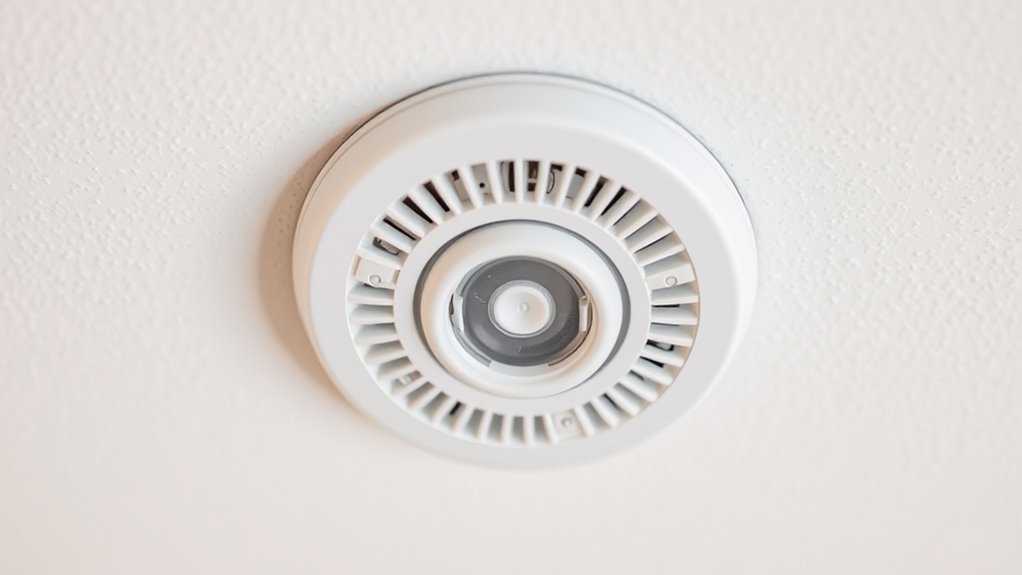
Smoke alarms detect particles in the air to alert you of a fire, while heat sensors respond to rising temperatures. Flame sensors identify visible flames directly. Together, these technologies provide quick and reliable warning in different fire situations.
Smoke Particle Detection
Smoke and fire alarm sensors detect particles in the air that indicate the presence of smoke or fire. These sensors work by sensing tiny smoke particles that scatter light or disrupt electrical currents within the device. Photoelectric sensors use a light beam; when smoke enters, it scatters the light, triggering an alarm. Ionization sensors detect particles that alter electrical currents by ionizing the air inside a chamber. Proper sensor maintenance is essential to guarantee reliable fire safety. Dust, insects, or dirt can interfere with sensor operation, causing false alarms or missed detections. Regular testing and cleaning help keep sensors functioning correctly. Understanding how smoke detection sensors operate can also help you better understand their role in safety and environmental factors. Knowing how these sensors detect smoke allows you to better understand their role in protecting your home or business from fire hazards. Additionally, choosing the right type of sensor depends on the specific fire safety needs of your environment. Ensuring that sensors are free of obstructions and contaminants is crucial, as sensor accuracy can be compromised by environmental factors. Proper installation and sensor placement are also vital to maximize detection efficiency and safety.
Heat and Flame Sensing
Have you ever wondered how heat and flame sensors detect fires so quickly? They use thermal imaging technology to identify heat signatures that indicate a fire’s presence. These sensors detect rapid temperature increases or specific heat patterns typical of flames. Unlike smoke detectors, heat sensors respond directly to heat, making them useful in environments where smoke may not be present or is delayed. Flame sensors, often equipped with ultraviolet or infrared detection, recognize the unique light emitted by flames. By analyzing thermal imaging data, alarm systems can quickly identify dangerous heat levels or the distinctive heat signature of flames. This rapid detection helps alert you early, giving you precious time to respond before a fire spreads.
Can Carbon Monoxide Sensors Detect CO Leaks Effectively?
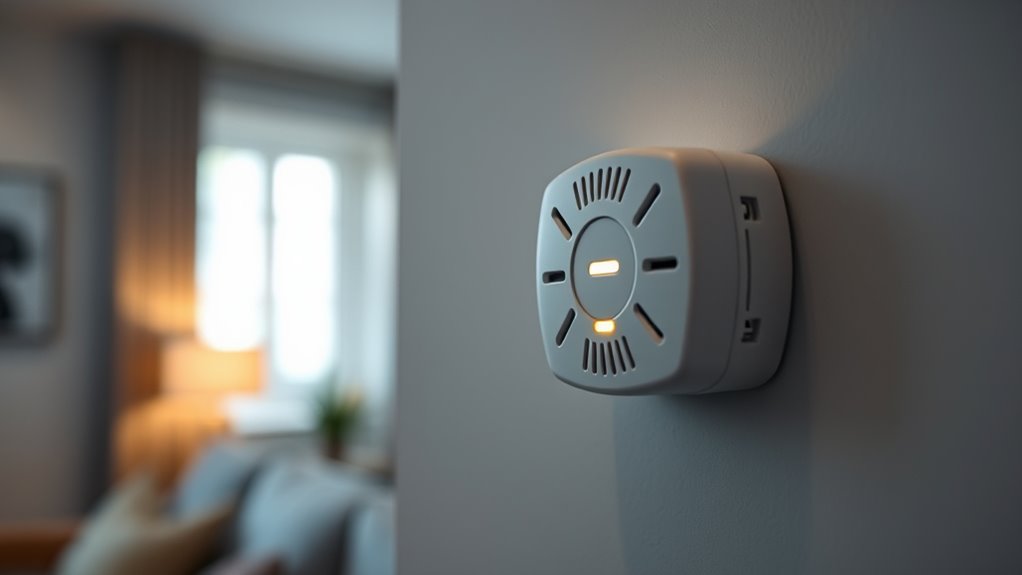
Carbon monoxide sensors are designed to detect CO leaks quickly and reliably, making them essential safety devices in homes and workplaces. Proper sensor placement is crucial for effective detection; placing sensors near sleeping areas, fuel-burning appliances, and vents ensures early warning of dangerous CO buildup. These sensors continuously monitor the air for carbon monoxide, alerting you before levels become hazardous. While they are generally effective at detecting leaks, their accuracy depends on correct installation and regular maintenance. Keep in mind that CO sensors do not detect the source of the leak, only the presence of CO in the air. Sensor placement is vital to ensure early detection and safety. When positioned correctly, they provide a vital safety net that can save lives by giving you enough time to evacuate or address the issue.
What Are the Limitations of Motion Sensors in Different Spaces?
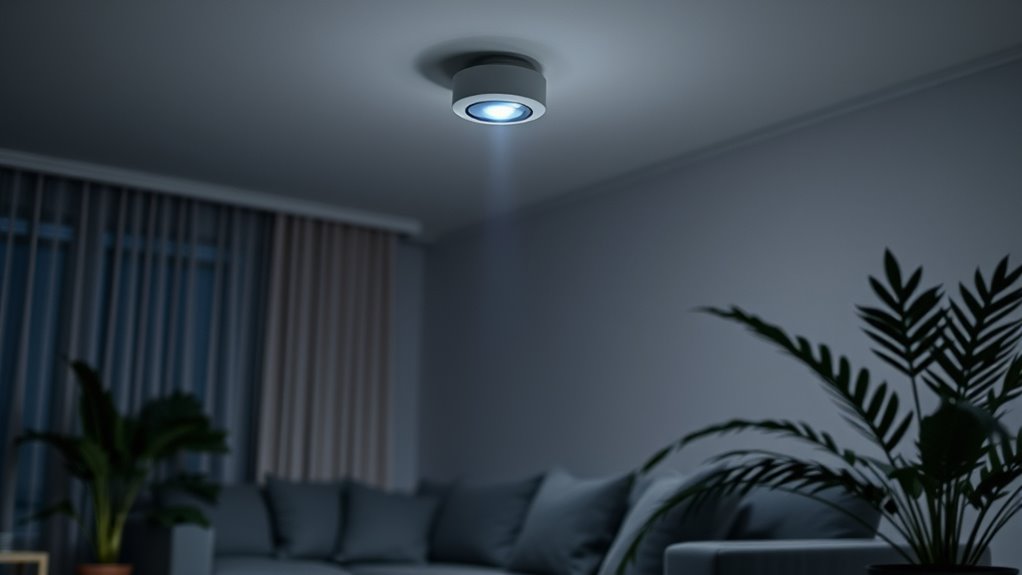
Motion sensors work best in small, open spaces, but large rooms can reduce their effectiveness. Obstructions like furniture or curtains can block the sensor’s view and create blind spots. Understanding these limitations helps you choose the right sensor for each space. Additionally, sensor placement plays a crucial role in maximizing their efficiency and coverage. Proper placement and awareness of sensor sensitivity can further enhance detection accuracy and reduce false alarms. For optimal performance, consider power requirements and how they influence sensor location and operation.
Room Size Effects
Room size considerably impacts the effectiveness of motion sensors, as larger spaces can challenge their detection capabilities. When dealing with bigger rooms, proper sensor calibration and precise installation accuracy become critical. If the sensor isn’t correctly calibrated, it may miss movements or generate false alarms. Larger rooms may require multiple sensors to ensure full coverage, but gaps can still occur if placement isn’t ideal. To help visualize, consider this table:
| Room Size | Sensor Range | Recommended Setup |
|---|---|---|
| Small | Up to 20 ft | Single sensor, perfect placement |
| Medium | 20-40 ft | Multiple sensors, strategic corners |
| Large | Over 40 ft | Multiple sensors, central positioning |
| Very Large | Over 60 ft | Multiple sensors, zone division |
| Irregular | Varies | Custom calibration and placement |
Improper installation accuracy can reduce detection, especially in larger spaces.
Obstruction Challenges
Obstructions within a space can considerably hinder the effectiveness of motion sensors, causing blind spots and missed detections. When objects block the sensor’s view, it struggles with accurate sensor calibration, increasing the risk of false alarms or missed threats. To improve reliability, you need to guarantee proper placement, avoiding furniture or décor that could obstruct the sensor’s field of view. Regularly calibrating the sensor helps it adapt to changes and reduces false alarm prevention issues. Keep in mind that thick walls, mirrors, or large appliances can also interfere with detection. Understanding these obstruction challenges allows you to optimize sensor positioning, ensuring consistent security coverage. Proper calibration and strategic placement are key to minimizing blind spots and maintaining an effective alarm system.
Which Threats Can Alarm Sensors Miss?

While alarm sensors are effective at detecting many intrusions, they aren’t foolproof and can miss certain threats. For example, if sensors aren’t properly calibrated, they might not recognize subtle movements or low-level vibrations. Additionally, if the battery life is compromised, alarms could fail to trigger when needed. Some threats also slip past sensors that rely solely on motion detection, especially in environments with poor sensor placement or obstructions. Here’s a quick overview:
| Threat Type | Common Cause | Prevention Tip |
|---|---|---|
| Subtle Intrusions | Sensor calibration issues | Regular calibration checks |
| Power Failures | Battery drain or failure | Monitor battery life frequently |
| Environmental Alarms | Obstructions or environmental interference | Proper placement and maintenance |
These gaps highlight the importance of ongoing sensor maintenance. Regular maintenance checks ensure sensors operate correctly and help identify potential issues before they become serious security risks. Being aware of sensor limitations can help users choose complementary security measures to enhance overall safety. Recognizing the limitations of motion sensors underscores the need for layered security strategies to address blind spots effectively.
What Environmental Sensors Detect Besides Intrusions?

Beyond detecting intrusions, environmental sensors serve a broader role in safeguarding your space. They monitor conditions like temperature, humidity, and air quality, helping you maintain a healthy environment. Proper sensor calibration guarantees these devices provide accurate readings, which is vital for effective environmental management. Regular device maintenance keeps sensors functioning correctly and prevents false alerts caused by dirt or wear. For example, smoke detectors can detect smoke particles or changes in air quality, alerting you to potential hazards before they escalate. Carbon monoxide sensors monitor dangerous gas levels, providing early warnings to protect your household. By keeping sensors calibrated and maintained, you guarantee reliable operation and peak detection capabilities, creating a safer, healthier environment for everyone in your space.
Why Do False Alarms Happen, and How Can You Prevent Them?
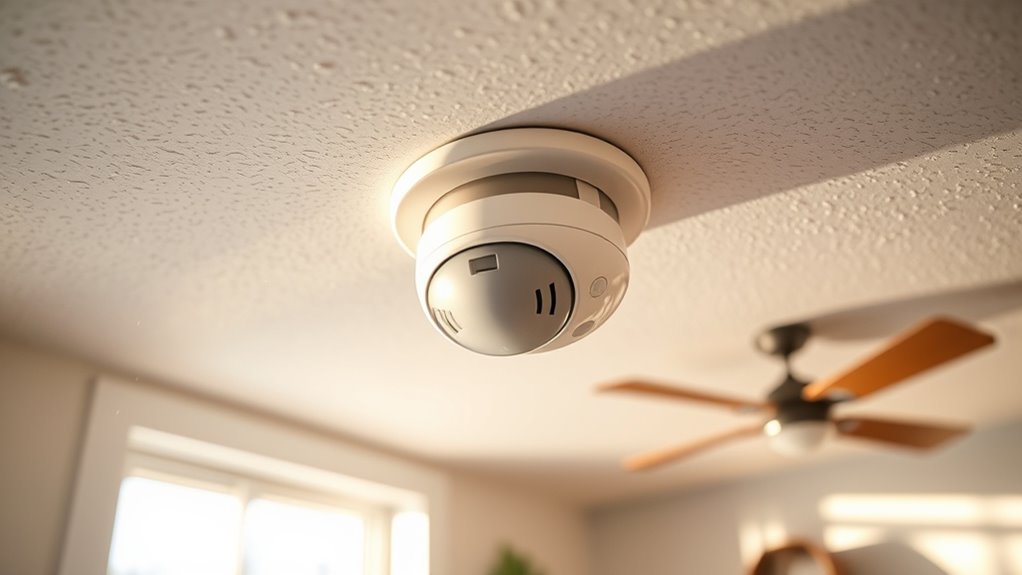
False alarms often occur when environmental sensors mistake harmless conditions for real threats, such as smoke from cooking or steam from showers triggering smoke detectors. One common cause is improper sensor calibration, which can make sensors too sensitive to benign stimuli. Regular calibration helps guarantee sensors respond accurately to genuine dangers without reacting to everyday activities. To prevent false alarms, you should also keep sensors clean and free of dust or debris that might cause false triggers. Additionally, adjusting sensitivity settings, especially in areas prone to false alarms, can make a big difference. Proper sensor calibration and maintenance are key to false alarm prevention, helping you avoid unnecessary disruptions while ensuring your alarm system remains reliable and effective.
What Factors Impact Your Alarm Sensors’ Effectiveness?

Several factors can substantially influence your alarm sensors’ ability to detect threats accurately. Proper sensor calibration guarantees they respond correctly to real events without false alarms. If sensors aren’t calibrated, they might miss intrusions or trigger unnecessarily. Battery life also plays an essential role; dead or weak batteries can cause sensors to become inactive or unreliable. Environmental conditions, like dust or humidity, can interfere with sensor performance. Placement matters—poor positioning can create blind spots or false alerts. Finally, regular maintenance and updates keep sensors functioning at their best. To maximize effectiveness, routinely check sensor calibration, replace batteries promptly, and inspect environmental factors that could impair detection. Staying proactive helps ensure your alarm system remains reliable and responsive.
How Can You Ensure Complete Coverage With Your Security Sensors?
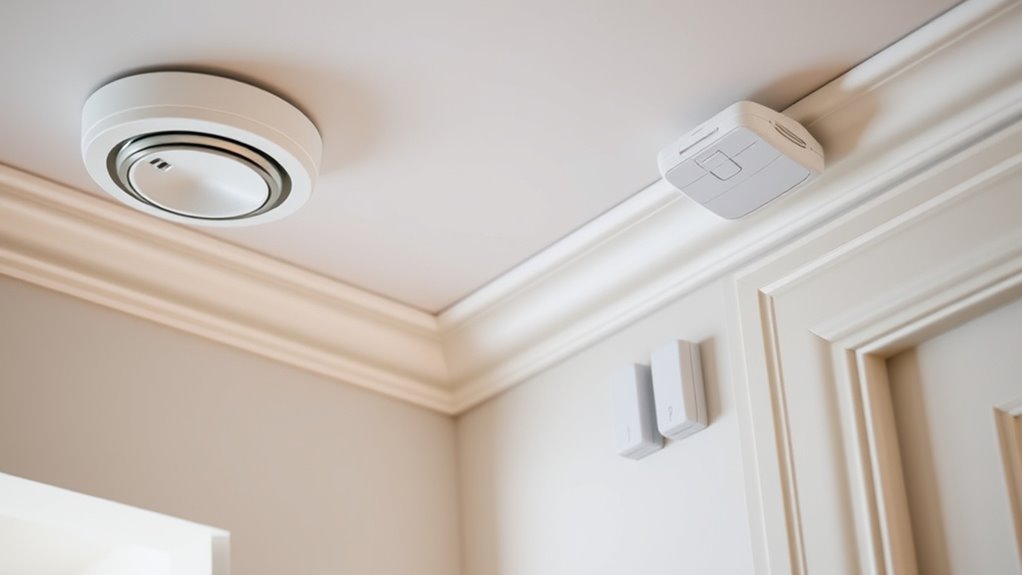
To guarantee complete coverage with your security sensors, you need to strategically position each device to eliminate blind spots and overlapping detection zones. Start with proper sensor placement strategies, placing sensors at entry points, corners, and high-traffic areas. Avoid gaps by mounting sensors at recommended heights and angles. Regular alarm sensor calibration ensures each device functions at its best and reduces false alarms caused by misalignment. Use a systematic approach, mapping out coverage zones to identify overlaps and gaps before installation. Consider the specific detection capabilities of each sensor type, tailoring placement to maximize their strengths. Periodically check and recalibrate sensors to maintain accuracy over time. With thoughtful sensor placement and consistent calibration, you’ll achieve comprehensive security coverage and minimize vulnerabilities.
Frequently Asked Questions
Do Alarm Sensors Detect Electrical Outages or Power Failures?
Alarm sensors generally don’t detect electrical outages or power failures directly. However, if your security system has a backup power source like a battery, it can keep functioning during power failures. Without that backup, sensors won’t detect electrical outages because the system loses power. To guarantee continuous protection, consider systems with battery backups, which allow alarm sensors to stay active even during electrical outages or power failures.
Can Sensors Differentiate Between Pets and Intruders?
You might wonder if sensors can tell pets apart from intruders. Most motion sensors are designed to detect pet movement, but they often struggle with accurate intruder detection when pets are nearby. Advanced sensors use pet-immune technology, allowing them to ignore small animals and focus on larger intruders. This helps prevent false alarms while still alerting you to genuine threats, giving you better security and peace of mind.
Are There Sensors That Detect Hidden or Underground Threats?
You can find sensors capable of detecting hidden or underground threats, almost like having a superhero’s sixth sense. These specialized sensors utilize ground-penetrating radar and seismic sensors for underground detection, alerting you to hidden threats beneath the surface. While not foolproof, they’re advanced enough to spot concealed dangers, helping you stay one step ahead of unseen risks lurking beneath your property.
How Do Environmental Changes Affect Sensor Accuracy?
Environmental changes can considerably impact sensor accuracy by causing environmental interference, which disrupts sensor readings. When conditions like humidity, temperature, or dust fluctuate, your sensors may need recalibration to maintain effectiveness. Regular sensor calibration helps adapt to these changes, ensuring reliable detection. Without proper calibration, environmental interference can lead to false alarms or missed detections, compromising your security system’s performance. Stay vigilant and perform routine checks to keep your sensors functioning at their best.
Can Sensors Detect Threats Outside the Monitored Property?
Think of your sensors as vigilant sentinels guarding your castle—they can spot threats close by but aren’t clairvoyant beyond your walls. They mainly detect activity within your property, so threats outside their range often go unnoticed. Sensor limitations make it tough to identify external dangers, but smart placement and advanced tech help prevent false alarms. While they can’t see everything outside, their focus on your property keeps you safer.
Conclusion
To keep your home truly protected, understand what your alarm sensors can and can’t detect—think of them as watchful guardians, not mind readers. Regularly check their placement and functionality, and don’t rely on a single type of sensor. By layering your security, you create a fortress that’s harder to breach than a castle on a stormy night. Stay vigilant, and your alarm system will serve as a reliable shield against the unexpected.