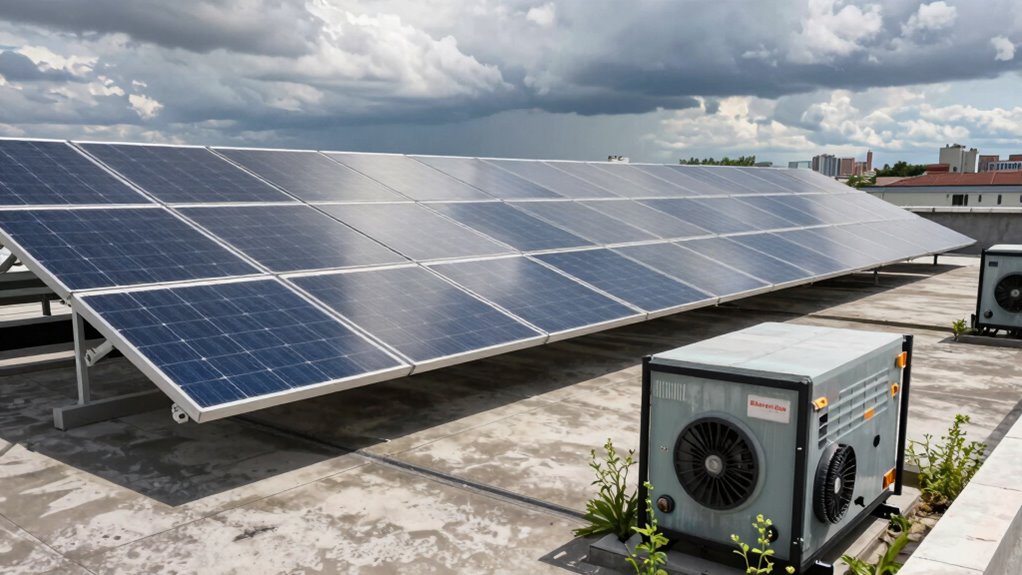

You can’t rely solely on solar panels for backup power because they generate electricity only during the day and depend on sunlight conditions. Without enough battery storage, you’ll face power shortages during outages or at night. Proper planning is essential to match your energy needs with storage capacity, and maintenance costs add up over time. Understanding these limitations helps set realistic expectations, and if you want to learn how to make it work effectively, keep exploring the details.

Get the latest gadgets delivered free with Prime
- Fast, free delivery on millions of items
- Prime Video, Amazon Music and more included
- Member-only deals all year
Key Takeaways
- Solar panels only generate power during sunlight, not at night, requiring storage for 24/7 backup.
- Battery capacity limits how much backup power is available during outages.
- Proper planning ensures energy needs match storage, preventing shortages during extended blackouts.
- Maintenance and replacement costs for batteries impact long-term system reliability.
- Realistic expectations prevent overestimating backup capabilities and ensure preparedness.
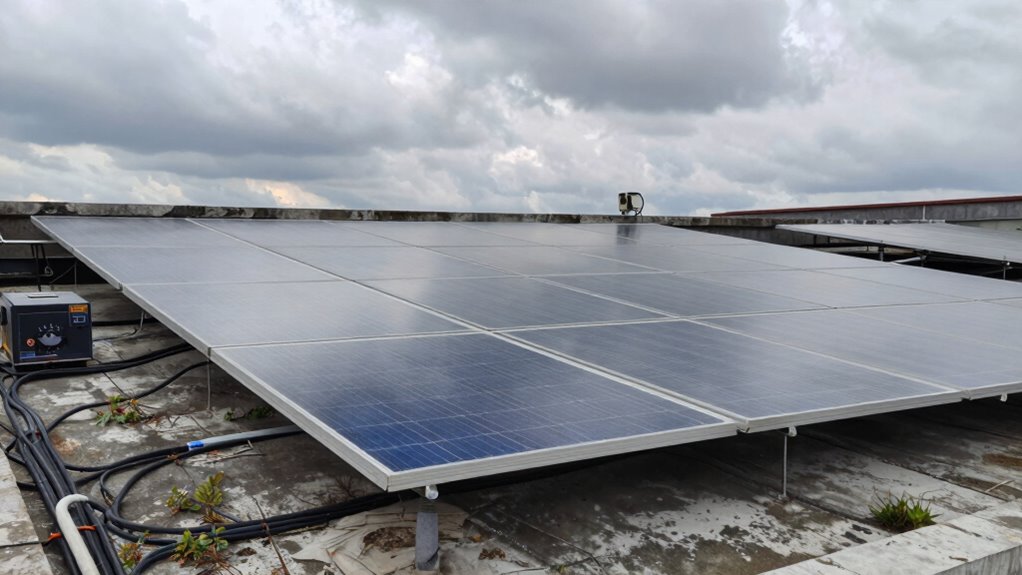
When the power goes out unexpectedly, having a reliable backup system becomes essential. Solar panels paired with energy storage systems are a popular choice, promising clean energy and independence from the grid. However, it’s important to keep realistic expectations about what these systems can deliver. Solar panels generate electricity during the day, but to ensure power during outages, you’ll rely on energy storage solutions like batteries. This means your backup power depends heavily on the capacity and efficiency of your battery system. If you underestimate your energy needs or overestimate your storage capacity, you might find yourself running out of power at inconvenient times.
Backup power relies on batteries; understanding capacity and efficiency is key to avoiding outages during blackouts.
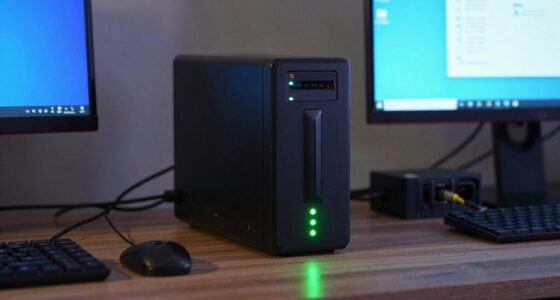
Energy storage is a crucial factor to consider. Batteries are what make solar panels effective as backup power sources, but they come with limitations. The amount of stored energy depends on the size and technology of your batteries, and they may not always meet your entire household’s needs. For example, a small battery bank might power essential appliances but won’t sustain your entire home for extended outages. You need to plan carefully, understanding your energy consumption and matching it to your storage capacity. Otherwise, you risk being unprepared when the backup system isn’t enough to cover your needs. Additionally, understanding solar system efficiency helps set realistic expectations for overall performance.
Another aspect often overlooked is maintenance costs. While solar panels generally require minimal upkeep, batteries do need regular maintenance and eventual replacement. Over time, batteries degrade, reducing their ability to store energy effectively. This means you’ll face ongoing maintenance costs and potential upgrade expenses down the line. It’s easy to get caught up in the initial investment but forget that maintaining a reliable backup power system involves continuous costs. Ensuring your batteries stay in good condition requires periodic checks and sometimes replacing parts or entire units, which can be costly. Additionally, understanding battery lifespan and its impact on long-term system reliability can help you plan more effectively for future upgrades and replacements. Properly managing and monitoring battery health is essential to maintain system performance over time.
As an affiliate, we earn on qualifying purchases.
Frequently Asked Questions
Can Solar Panels Fully Replace Traditional Backup Generators?
No, solar panels can’t fully replace traditional backup generators yet. You need battery storage to hold excess energy for cloudy days or nighttime, and even then, the system might not cover all power needs during extended outages. Achieving grid independence with solar requires careful planning, reliable batteries, and enough panels to meet your energy demands. While solar can considerably improve backup power, it often works best alongside traditional generators for complete reliability.
How Long Do Solar Panels Last With Backup Use?
Did you know solar panels typically last 25 to 30 years? With backup use, their battery lifespan becomes vital; batteries usually need replacement every 5 to 15 years depending on use and maintenance. Proper maintenance, like regular inspections and keeping them clean, extends your system’s life. While panels themselves last decades, backup batteries wear out sooner, so plan for replacements to keep your backup power reliable.
Do Solar Panels Work During Prolonged Cloudy Days?
Solar panels do work during prolonged cloudy days, but their efficiency drops considerably. Cloudy day performance is lower because less sunlight reaches the panels, reducing energy output. While they still generate power, it won’t be as much as on sunny days. To guarantee reliable backup power, consider systems with higher capacity or energy storage solutions. Remember, understanding solar panel efficiency during cloudy conditions helps set realistic expectations for backup power performance.
What Is the Average Cost of a Backup Solar System?
Think of a backup solar system as your power safety net. The average cost ranges from $10,000 to $20,000, depending on battery capacity and installation costs. Larger battery capacities mean longer backup times, but they also raise the price. Installation costs vary based on your location and system complexity. Remember, investing upfront guarantees you stay connected during outages, giving you peace of mind when you need it most.
Are There Government Incentives for Backup Solar Installations?
Yes, there are government incentives for backup solar installations. You can often benefit from federal tax credits that reduce your overall costs, making solar more affordable. Additionally, some states or local governments offer installation grants or rebates to encourage renewable energy adoption. These incentives can substantially offset the upfront expenses, so it’s worth exploring available programs in your area to maximize your savings and support your backup power needs.
As an affiliate, we earn on qualifying purchases.
Conclusion
So, as you plan your backup power with solar panels, remember that realistic expectations make all the difference. Sometimes, it’s funny how a sunny day coincides with a power outage, highlighting the importance of proper planning. While solar can be a great backup, it’s not a magic fix for every situation. Embrace the surprises, and you’ll find your system more reliable—and perhaps, a little more fun—when you’re ready for whatever comes next.
solar panel with battery storage
As an affiliate, we earn on qualifying purchases.
As an affiliate, we earn on qualifying purchases.
backup power generator for solar system
As an affiliate, we earn on qualifying purchases.
As an affiliate, we earn on qualifying purchases.
Halloween Picks
halloween
As an affiliate, we earn on qualifying purchases.