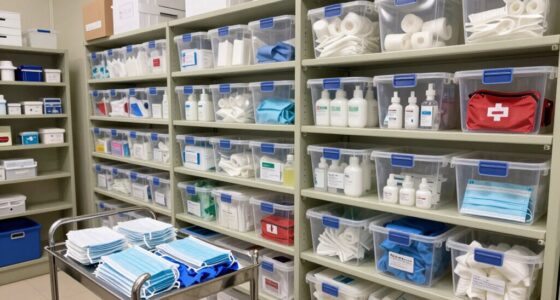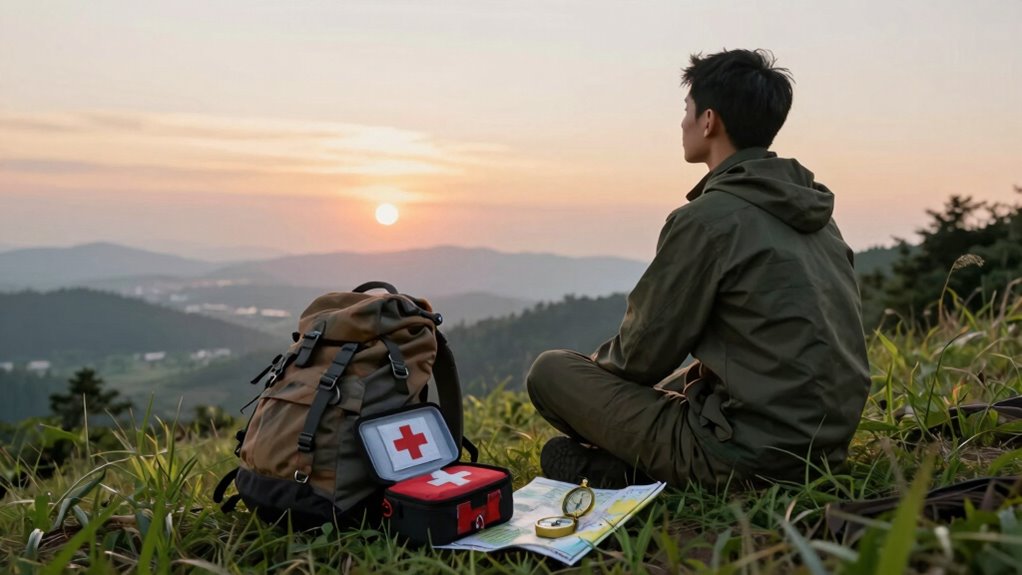

You can test your readiness by incorporating quick, practical checks into your daily routines without making them feel like formal drills. Review supplies for expiration, organize your emergency kit for easy access, and practice contacting key people using different communication methods. Try turning off your power for a few moments to assess your backup lighting, or walk your emergency routes casually. These small steps help spot gaps and build confidence—keep exploring to discover more ways to stay prepared.

Get the latest gadgets delivered free with Prime
- Fast, free delivery on millions of items
- Prime Video, Amazon Music and more included
- Member-only deals all year
Key Takeaways
- Incorporate quick, low-key assessments into daily routines, like checking supplies or practicing communication briefly.
- Use simulated scenarios during regular activities without formal scheduling to evaluate responses.
- Conduct short, focused exercises such as testing flashlight or radio functionality during routine tasks.
- Regularly review and update emergency plans during everyday conversations or meetings.
- Observe and reflect on system performance informally to identify gaps without extensive drills.
Before diving into a new project or life change, it’s essential to honestly assess whether you’re truly prepared. You don’t need to wait for a full-blown emergency or a scheduled drill to see if your plans hold up. Instead, you can integrate quick, realistic tests into your routine to gauge your readiness. Start by reviewing your emergency supplies. Are your supplies current, accessible, and sufficient? Take a few minutes to check expiration dates on food, water, medications, and batteries. Don’t just count supplies; simulate grabbing your kit quickly, ensuring everything you need is easy to find and ready to go. This simple step helps you identify gaps and streamlines your process for actual emergencies. Incorporate product comparisons to ensure your gear meets your needs.
Next, revisit your communication plans. Do you and your family or team know how to connect if usual channels go down? Practice a quick communication check. Call or message your contacts using different methods—texts, emails, or social media—to confirm everyone’s awareness of the plan. If you’ve established designated meeting spots or emergency contacts, verify they’re still valid and accessible. This isn’t about a formal drill; it’s about confirming that your communication plans work in real-world conditions. If you discover issues, update your contact lists or adjust your plans accordingly. It’s better to discover flaws in your system now than during a crisis. Additionally, understanding emergency preparedness can help you identify areas where your knowledge might need strengthening. Recognizing the importance of training and education can further boost your confidence and effectiveness when responding to actual situations. Incorporating cloud-based solutions for communication or data sharing can also enhance your ability to stay connected during disruptions. Furthermore, developing a home automation setup can improve your ability to monitor and control your environment remotely, adding an extra layer of preparedness.
You can also test your preparedness by integrating small exercises into daily routines. For example, simulate a power outage by turning off your main breaker for a few minutes. Notice how quickly you can adapt—finding flashlights, turning on backup power sources, or adjusting your plans. These quick tests help you spot weaknesses without turning your entire week into a drill weekend. Similarly, practice quick evacuation routines with your household or team, even if it’s just walking through your exit routes or gathering points. These exercises need not be elaborate—they’re just enough to build muscle memory and confidence.
Finally, reflect on your knowledge and skills. Do you know how to use your emergency supplies effectively? Practice setting up your emergency kit or using your radio. Keep updated on basic first aid techniques, so you’re not caught off guard in a real emergency. These quick, real-world checks help you see where you stand, giving you the confidence that you’re ready, without the need for a formal, time-consuming drill. By regularly integrating these simple assessments into your routine, you build resilience and stay prepared for whatever might come your way.
emergency supplies kit with expiration date check
As an affiliate, we earn on qualifying purchases.
As an affiliate, we earn on qualifying purchases.
Frequently Asked Questions
How Often Should I Test My Readiness Outside of Scheduled Drills?
You should regularly test your readiness through community training and personal evaluation, ideally once a month. This frequency helps you stay sharp without turning every practice into a full drill weekend. Incorporate quick assessments or scenario-based exercises into your routine to identify areas for improvement. Consistent, smaller checks keep your skills fresh, build confidence, and guarantee you’re prepared without overwhelming your schedule or causing burnout.
What Tools or Apps Can Help Track Preparedness Levels?
You can use apps like Evernote or Notion to track your preparedness levels, helping with inventory management and communication plans. These tools allow you to organize supplies, set reminders for drills, and update contact info easily. Additionally, apps like Trello or Asana help you visualize your readiness progress, ensuring you stay on top of inventory and communication strategies without turning your checks into full drills.
How Do I Involve Family Members in Readiness Testing?
Think of family participation as weaving a sturdy fabric; each thread strengthens your preparedness. You can involve family members by sharing simple preparedness communication, like discussing emergency plans during regular dinners or casual conversations. Encourage everyone to contribute ideas and practice small, everyday safety routines. This way, preparedness becomes a natural part of life, not a formal drill, making everyone more confident and connected when it truly matters.
What Common Mistakes Should I Avoid During Informal Readiness Tests?
During informal readiness tests, avoid common mistakes like neglecting to incorporate training exercises that reflect real scenarios, which can lead to unpreparedness. Don’t overlook reviewing safety protocols thoroughly or rushing through the process, as this diminishes effectiveness. Stay focused, keep exercises realistic, and guarantee everyone understands procedures. By doing so, you’ll better identify gaps and improve your overall preparedness without turning your tests into formal drills.
How Can I Assess Mental and Emotional Readiness Effectively?
You can assess your mental and emotional readiness by honestly evaluating your mental resilience and emotional stability. Practice mindfulness or journaling to identify how well you handle stress and setbacks. Talk to trusted friends or mentors to gain perspective on your emotional state. Regularly reflect on your reactions to difficult situations, and make sure you prioritize self-care. This ongoing process helps you build confidence and stay prepared without turning it into a formal drill.
portable flashlight with batteries
As an affiliate, we earn on qualifying purchases.
As an affiliate, we earn on qualifying purchases.
Conclusion
By blending brave, deliberate drills with genuine, gut-check tests, you’ll bolster your belief and build your balance. Don’t wait for a weekend to wish you’d warmed up; instead, steadily simulate scenarios, strengthen skills, and sustain your spirit. With consistent, conscious conditioning, you’ll confidently confront challenges, avoiding surprises and securing success. Remember, readiness isn’t a one-time event but a continuous, crafted course—commit to constant, conscious testing to truly triumph when it counts.
emergency radio with multiple communication methods
As an affiliate, we earn on qualifying purchases.
As an affiliate, we earn on qualifying purchases.
As an affiliate, we earn on qualifying purchases.
Halloween Picks
halloween
As an affiliate, we earn on qualifying purchases.