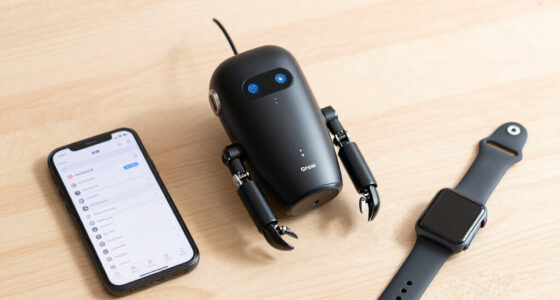
To boost your phone’s safety, regularly review app permissions and deny access to unnecessary data like mic, camera, and location. Enable two-factor authentication and set strong, unique passwords for your accounts. Keep your device updated and use a secure lock screen. Manage location services to limit real-time tracking and turn them off when not needed. Always connect through trusted networks, use VPNs on public Wi-Fi, and stay informed about best privacy practices to keep your data protected.

Get the latest gadgets delivered free with Prime
- Fast, free delivery on millions of items
- Prime Video, Amazon Music and more included
- Member-only deals all year
Key Takeaways
- Review and restrict app permissions, especially for microphone, camera, and contacts, to prevent data misuse.
- Manage location settings by disabling unnecessary access and turning off location services when not in use.
- Enable two-factor authentication and set strong, unique passwords for all accounts.
- Keep your device software and apps updated to ensure security patches are applied.
- Use trusted VPNs on public Wi-Fi and enable security features like biometric locks for added protection.
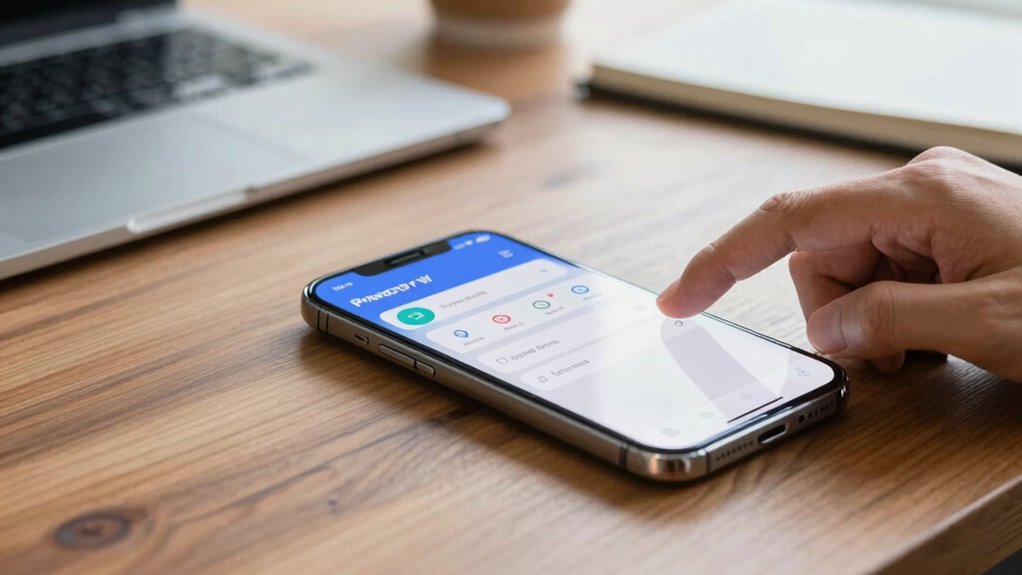
In today’s digital age, adjusting your phone settings can considerably enhance your safety. One of the most important steps is to review your privacy controls. These settings determine what personal information apps and services can access, helping you control who sees your data. Start by checking your app permissions—deny access to your microphone, camera, or contacts if it’s not necessary for the app’s core function. Many apps request more access than they need, which can expose sensitive details or open you up to potential misuse. Regularly review these permissions to ensure only trusted apps have the access they need. Additionally, explore your device’s privacy settings to limit data sharing with third parties and avoid unnecessary data collection that could compromise your privacy. Being aware of biodiversity and sustainable practices can also inform safer digital habits, such as avoiding over-sharing data that could contribute to environmental impact through data centers.
Another critical aspect is your location permissions. Many apps request access to your location, often for convenience, but this can pose significant privacy risks. Be vigilant about which apps have access to your location and whether they need it at all times or only when you’re using the app. Disable location permissions for apps that don’t require real-time tracking, and opt for “while using” instead of “always” to restrict continuous access. Turning off location access when you don’t need it not only preserves your privacy but also conserves your battery life. You can manage these settings in your device’s location services menu, where you can see a list of apps with access and toggle permissions on or off. Being mindful of permission management can further enhance your digital security and privacy.
Beyond permissions, consider enabling features like two-factor authentication and setting strong, unique passwords for your accounts. These measures add extra layers of protection, making it harder for unauthorized users to access your data even if permissions are misused. Also, review your device’s security settings—set a secure lock screen, whether with a PIN, password, or biometric authentication, to prevent unauthorized physical access. Keep your software updated, as updates often include security patches that fix vulnerabilities. Lastly, be cautious about connecting to public Wi-Fi networks; use a trusted VPN to encrypt your data and prevent eavesdropping.
best two-factor authentication apps
As an affiliate, we earn on qualifying purchases.
As an affiliate, we earn on qualifying purchases.
Frequently Asked Questions
How Often Should I Update My Phone’s Security Settings?
You should update your phone’s security settings whenever there’s a major update or new feature release. Regularly review your password management and change passwords periodically to keep your accounts secure. Also, check app permissions to make sure apps only access necessary data. Staying proactive helps protect your personal information. Set reminders to review these settings monthly or after installing updates, so your phone remains as safe as possible.
Can Disabling Location Services Improve My Phone’s Security?
Disabling location services can improve your phone’s security by reducing potential access points for hackers or trackers. When you turn off location services, you limit data sharing, especially if combined with device encryption and biometric security features like fingerprint or facial recognition. These settings work together to protect your data from unauthorized access, making it harder for malicious actors to pinpoint or compromise your device.
What Is the Best Way to Back up My Phone Data?
Did you know 70% of users lose data annually? The best way to back up your phone data is through a cloud backup service that uses strong encryption methods, ensuring your information stays private. Regularly backing up your data prevents loss from theft or damage. Set your device to automatically back up to a trusted cloud platform, so your photos, contacts, and apps are always safe and easily recoverable.
Are There Hidden Settings That Enhance Privacy I Should Enable?
Yes, you should explore hidden privacy settings like encryption features and biometric controls. Enable device encryption to protect your data if your phone is lost or stolen. Turn on biometric controls such as fingerprint or facial recognition for secure access. These settings often stay hidden in advanced security menus, so delve into your phone’s privacy options and activate these features to boost your safety and keep your information secure.
How Do I Recognize Suspicious App Permissions?
You might think suspicious app permissions are obvious, but they often hide in plain sight. To recognize them, look for permissions that don’t match the app’s purpose, like a flashlight app requesting access to your contacts. Be cautious of apps requesting excessive permissions or those that seem unnecessary. Always review app permissions regularly and revoke any that seem suspicious, preventing potential suspicious activity and safeguarding your privacy.
strong password manager for Android/iPhone
As an affiliate, we earn on qualifying purchases.
As an affiliate, we earn on qualifying purchases.
Conclusion
By tweaking your phone settings, you’re fundamentally installing a fortress around your digital life. Think of each adjustment as a brick in your safety wall, making it harder for intruders to breach. Don’t leave your personal information exposed like an open book—lock it down with strong passwords, enable two-factor authentication, and stay alert to app permissions. With these simple steps, you’re steering your device safely through the digital storm, turning your phone into a trusty shield rather than a vulnerable target.
As an affiliate, we earn on qualifying purchases.
As an affiliate, we earn on qualifying purchases.
Halloween Picks
halloween
As an affiliate, we earn on qualifying purchases.