
📊 Full opportunity report: Memory Stopped Being a Commodity on ThorstenMeyerAI.com — validation score, market gap, and execution plan.
TL;DR
Micron has signed long-term, take-or-pay contracts locking in $100 billion in revenue through 2030, with customers pre-paying billions. This signals a shift from memory as a commodity to a strategic, prepaid asset, impacting supply and pricing.
Micron has revealed it has secured 16 long-term, take-or-pay contracts that lock in approximately $100 billion in revenue through 2030. These agreements, which involve prepayments of about $22 billion, mark a shift in the memory industry, where memory is no longer primarily bought on the spot market but is instead pre-funded and contracted years in advance. This development changes the traditional supply-demand dynamics and could impact prices and capacity planning across the sector.
Micron’s Strategic Customer Agreements run mostly from 2026 to 2030, covering about 20% of its DRAM and a third of NAND production during that period. The contracts are take-or-pay, meaning customers commit to buying a set volume or pay regardless, with prices set within a band that protects both parties against market swings. The $22 billion in customer deposits are paid upfront and sit on Micron’s balance sheet, effectively pre-funding capacity expansion.
This approach represents a break from the industry norm, where memory manufacturers typically carried the risk of capacity investments and buyers purchased on the spot or short-term basis. Instead, customers are now financing the creation of capacity, with Micron securing a guaranteed revenue floor and a ceiling tied to current market prices. Micron’s record quarter, with $41.5 billion in revenue and 84.9% gross margin, underscores the profitability of this new model.
Memory stopped being a commodity
Micron just locked up a fifth of its DRAM and a third of its NAND through 2030 with binding take-or-pay contracts — and collected $22 billion in deposits from the customers, up front. The boom-bust cycle that always brought cheap RAM back is being contracted away.
A dream deal for Micron — near-peak prices, margin floors above any past peak, customer-funded fabs. Insurance for the buyers who signed — real protection against a real shortage, bought dear. And for everyone else, a forecast: don’t expect cheap memory back soon. The structure is also a large, leveraged bet on AI demand holding to 2030 — and floors get tested in a genuine downturn. The contracts run to 2030; the test arrives sooner.
Implications of Memory Contracting for Industry Stability
This shift indicates that memory is transitioning from a volatile commodity to a strategic input with pre-arranged demand, potentially reducing the cyclical boom-bust pattern. For Micron, it means more predictable revenue and reduced exposure to price crashes. For buyers, especially AI and data center operators, it offers secured supply at near-peak prices, effectively pre-financing capacity and reducing market volatility. However, this also concentrates risk among large buyers and could lead to less price flexibility and increased dependence on contractual arrangements.
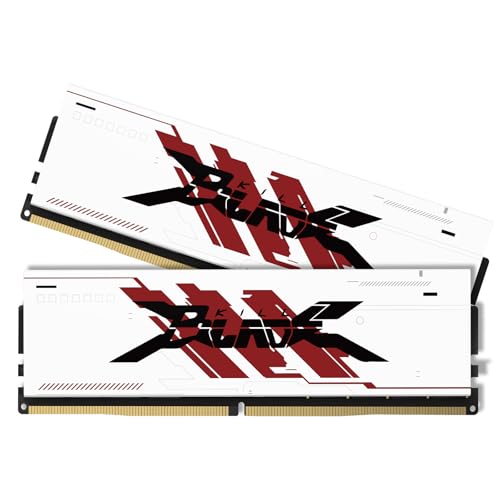
PUSKILL DDR4 3200MHz CL16 Desktop RAM Kit Heatsink, 32GB (2x16GB)
- High-capacity Memory: 32GB (2x16GB) for demanding tasks
- Fast Data Transfer: 3200MHz speed for quick responsiveness
- Low Latency: CL16-18-18-42 timings for efficiency
As an affiliate, we earn on qualifying purchases.
As an affiliate, we earn on qualifying purchases.
Historical Industry Dynamics and Recent Changes
For decades, memory chips like DRAM and NAND have been treated as commodities, with prices fluctuating dramatically based on supply and demand cycles. During downturns, prices plummeted, prompting manufacturers to expand capacity in anticipation of future demand, only to face glut and crashing prices later. Micron’s recent contracts, announced in a record quarter, challenge this pattern by locking in demand years in advance and pre-funding capacity through customer deposits. Industry insiders note that this represents a fundamental change, driven by the growth of AI and data-intensive applications that require large, predictable memory supplies.
While Micron claims to have tamed the cycle, analysts caution that only about 20% of its DRAM and a third of NAND are covered by these agreements, meaning the industry still faces cyclical pressures. The contracts also reflect a strategic shift, with some industry figures suggesting that large customers like Apple may have influenced this move to secure supply at high prices.
“These agreements provide unprecedented stability and predictability in a historically volatile market.”
— Micron CEO
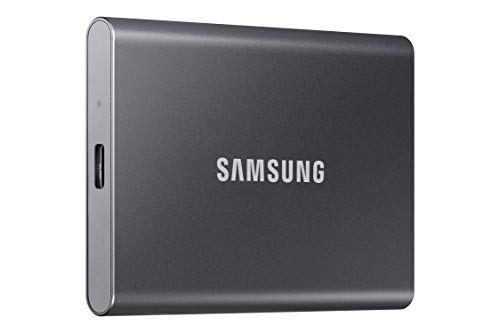
Samsung T7 Portable SSD 1TB Titan Gray, USB 3.2 Gen 2, Up to 1,050MB/s
- Designed for Creators: Fast speeds and durable for creative work
- Fast Data Transfer: Up to 1,050MB/s read/write speeds
- High Capacity Storage: Up to 4TB for large files and games
As an affiliate, we earn on qualifying purchases.
As an affiliate, we earn on qualifying purchases.
Unresolved Questions About Industry-Wide Impact
It remains unclear how widespread this contractual approach will become across other memory manufacturers and whether it will fundamentally alter the cyclical nature of the industry. Additionally, the long-term effects on prices, capacity investments, and smaller buyers are still uncertain. Analysts caution that while Micron’s model is significant, it is only a partial shift, and the industry could revert to traditional patterns if market conditions change or if other players do not follow suit.

A-Tech 128GB Kit (4x32GB) DDR5 5600MHz PC5-44800 ECC UDIMM 2Rx8 (EC4 9×4) Dual Rank 1.1V ECC Unbuffered DIMM 288-Pin Server, Workstation RAM Memory Upgrade Modules
- Compatibility: For select DDR5 servers and workstations only
- Total Capacity: 128GB kit with 4x32GB modules
- Module Type: DDR5 ECC unbuffered UDIMM
As an affiliate, we earn on qualifying purchases.
As an affiliate, we earn on qualifying purchases.
Future Developments and Industry Adoption Trends
Micron plans to expand the proportion of its revenue covered by these agreements, aiming for over 50%. Industry analysts will watch for similar moves by competitors like Samsung and SK Hynix. The upcoming quarters will reveal whether these contracts lead to a more stable pricing environment or if market volatility persists. Regulatory and market responses to this shift will also influence how memory supply chains evolve.
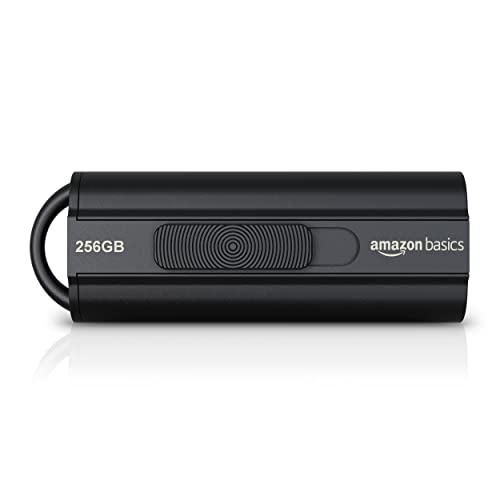
Amazon Basics 256 GB Ultra Fast USB 3.1 Flash Drive, High Capacity External Storage for Photos Videos, Retractable Design, 130MB/s Transfer Speed, Black
- Storage Capacity: 256GB high-capacity external drive
- Transfer Speed: Up to 130MB/s read speed
- Compatibility: Supports photos, videos, and music
As an affiliate, we earn on qualifying purchases.
As an affiliate, we earn on qualifying purchases.
Key Questions
What does it mean that memory is no longer a commodity?
It means memory is now being purchased through long-term, pre-funded contracts rather than spot-market transactions, making it a strategic, predictable input for large buyers.
How might this change affect memory prices?
Prices may become more stable and less prone to cyclical peaks and troughs, but could also lead to higher prices at the top of the cycle due to pre-funding and contractual commitments.
Who are the main beneficiaries of this shift?
Large memory buyers like AI infrastructure operators and hyperscalers benefit from secured supply and price stability, while Micron gains predictable revenue and reduced market volatility.
Will this approach spread to other memory manufacturers?
It remains uncertain, but industry analysts will monitor whether competitors adopt similar long-term contracting strategies to manage cyclical risks.
What risks does this new model pose for smaller buyers?
Smaller buyers may face less flexibility and more dependence on contractual supply, potentially leading to higher prices or limited access in tight markets.
Source: ThorstenMeyerAI.com