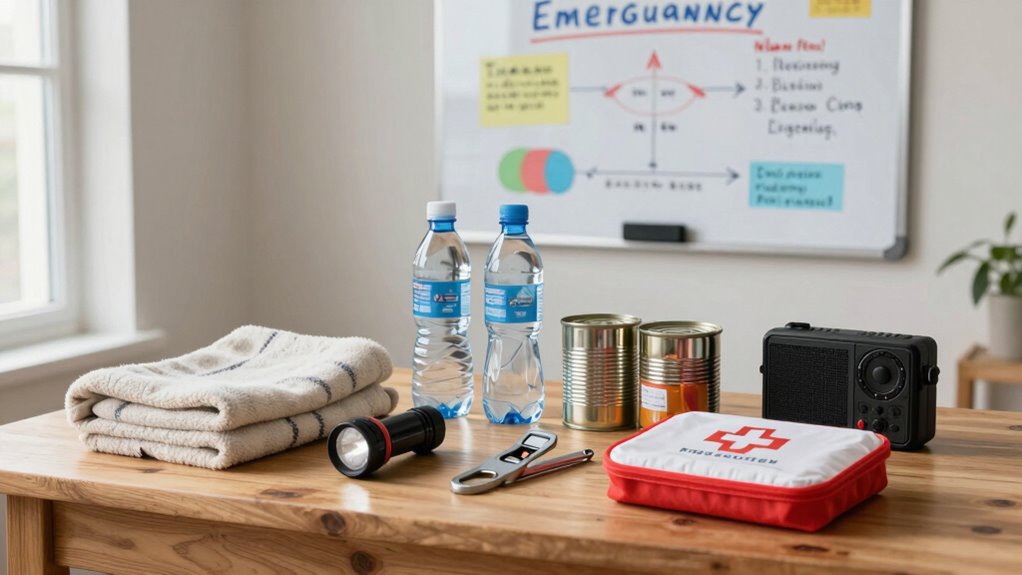

To build an emergency plan that fits real life, start by identifying the hazards most likely to affect your area, like floods or earthquakes. Map out multiple escape routes, establish clear communication with family, and practice the plan regularly, including how you’ll handle pets and transportation. Use local resources and alerts to stay informed and update your plan as your circumstances change. Keep safety supplies handy, and if you keep these steps in mind, you’ll be better prepared for any emergency.

Get the latest gadgets delivered free with Prime
- Fast, free delivery on millions of items
- Prime Video, Amazon Music and more included
- Member-only deals all year
Key Takeaways
- Assess local hazards and tailor your plan to address the most likely emergencies in your area.
- Map multiple escape routes and include transportation options suited to your household’s needs.
- Establish clear communication strategies and designate a safe meeting place outside your home.
- Practice your plan regularly, updating it for changes in household circumstances or community resources.
- Incorporate personal needs, pets, and unique household factors to ensure the plan is practical and inclusive.
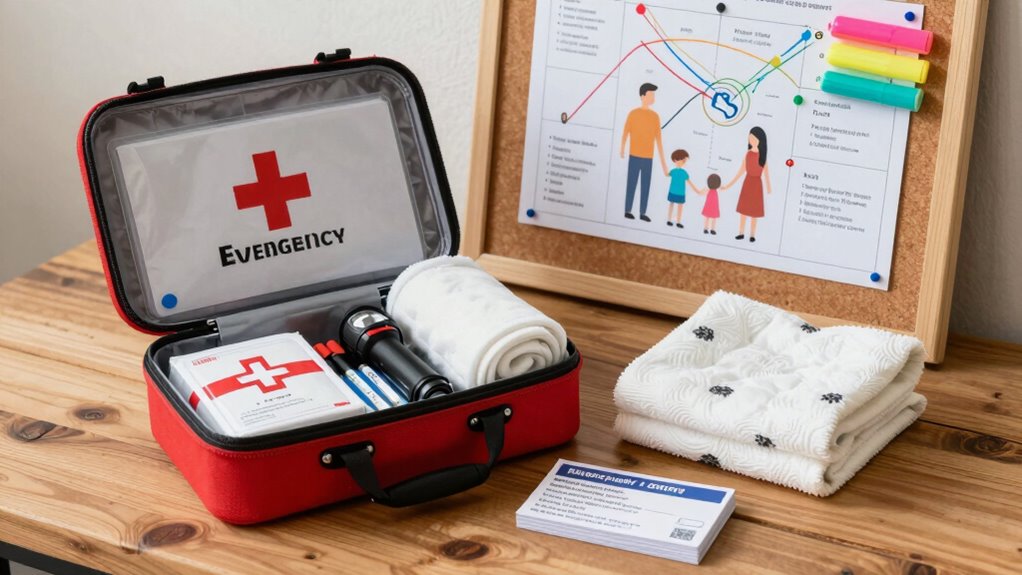
Having an emergency plan in place is essential because unexpected disasters can strike at any time. When you prepare ahead, you give yourself and your loved ones a better chance to stay safe and minimize chaos during a crisis. A good starting point is understanding community preparedness, which involves knowing what resources are available in your area and how local emergency services respond. By staying informed about community plans and participating in local drills, you become more familiar with the procedures that can help you during an emergency. This awareness helps you integrate your personal plan with community efforts, making your overall response more effective.
Another critical step is conducting a thorough risk assessment. Think about the hazards most likely to affect your location—flooding, earthquakes, storms, or power outages. Identifying these risks allows you to tailor your emergency plan to specific threats, ensuring you’re not wasting time preparing for unlikely scenarios. For example, if floods are common in your area, focus on creating a plan that includes safe evacuation routes and ways to protect your home from water damage. If earthquakes are a concern, secure heavy furniture and know how to drop, cover, and hold on. A precise risk assessment helps you prioritize what supplies to stockpile and what safety measures to implement, making your plan more practical and relevant to your daily life. Additionally, leveraging community resources can enhance your preparedness efforts by providing support and guidance tailored to local hazards. Being aware of local emergency services can help you coordinate effectively during a crisis. Recognizing local hazards can also inform your preparedness, ensuring you focus on the most relevant threats. Incorporating public information and alerts can further strengthen your readiness by keeping you updated on evolving risks. Moreover, understanding the availability and location of emergency shelters in your area can be crucial during a disaster.
Creating your emergency plan involves more than just knowing what might happen; it requires active participation. Map out multiple escape routes from your home and establish a communication strategy. Decide who will be your emergency contacts and ensure everyone in your household knows how to reach them. Practice your plan regularly so it becomes second nature, especially for children and elderly family members. It’s also wise to prepare a go-bag with essentials like water, non-perishable food, medications, and important documents. Keeping these items accessible ensures you can leave quickly if necessary.
Your plan should also include a designated meeting place outside your home, a safe location where everyone can regroup if separated. Consider your unique needs—if you have pets, plan how to include them. Think about your transportation options and how you’d manage if your vehicle isn’t available. Regularly review and update your plan to adapt to changes in your circumstances or new information about risks in your community. Building a personalized, adaptable emergency plan isn’t a one-time task; it’s an ongoing process that keeps you prepared for whatever comes your way.
As an affiliate, we earn on qualifying purchases.
Frequently Asked Questions
How Often Should I Review or Update My Emergency Plan?
You should review and update your emergency plan at least once a year, or more often if there are significant life changes. Incorporate routine drills to test your plan’s effectiveness and identify gaps. Keep your plan flexible, so you can modify it easily to new circumstances. Regular reviews ensure your plan stays current, practical, and ready to protect you when emergencies happen, giving you confidence and peace of mind.
What Supplies Should I Include in My Emergency Kit?
You should include emergency kit essentials like water, non-perishable food, a flashlight, batteries, a first aid kit, and hygiene supplies. Don’t forget a multi-tool, necessary medications, and important documents. Use a preparation checklist to guarantee nothing’s missed. Keep your kit in an accessible location, and regularly review it to replace expired items. Being prepared with these supplies helps you stay safe and resilient during emergencies.
How Can I Involve Children in Emergency Planning?
Think of involving children in emergency planning as planting seeds of confidence and safety. You can turn it into a fun game, teaching them about child safety and family communication through simple drills. Let them help create a family communication plan or choose their own emergency kit items. This way, they feel empowered and prepared, turning a challenging task into an opportunity for learning and reassurance.
What Are Common Mistakes to Avoid in Emergency Planning?
Avoid common mistakes like skipping a thorough risk assessment, which can leave gaps in your plan. Don’t overlook the importance of clear communication strategies; assuming everyone knows what to do can cause confusion. Additionally, avoid complex plans that are hard to follow under stress. Keep your plan simple, realistic, and regularly updated to guarantee all family members understand their roles during emergencies.
How Do I Coordinate Plans With Neighbors or Community?
Imagine weaving a sturdy net with your neighbors, strengthening bonds through open community communication. You can coordinate plans by organizing neighborhood drills, where everyone practices responses together, creating a shared rhythm of preparedness. Keep the lines of communication open through meetings, phone trees, or social media groups. By working as a team, you guarantee that everyone knows their role, making your community more resilient and ready for any situation.
As an affiliate, we earn on qualifying purchases.
Conclusion
Remember, your emergency plan is your trusty Swiss Army knife—adaptable and ready when chaos strikes. Keep it simple, stay informed, and practice regularly. Think of it as your own personal Bat-Signal, guiding you through the storm. Just like the first computer was a game-changer, a well-crafted plan can save lives and keep you calm amid the storm. Stay prepared, stay safe, and don’t forget: even in a world of dial-up, your plan keeps you connected.
As an affiliate, we earn on qualifying purchases.
As an affiliate, we earn on qualifying purchases.
Halloween Picks
halloween
As an affiliate, we earn on qualifying purchases.