📊 Full opportunity report: Supporting Remote Workforces With Digital MSK Strength Assessments on IdeaNavigator AI — validation score, market gap, and execution plan.

Get the latest gadgets delivered free with Prime
- Fast, free delivery on millions of items
- Prime Video, Amazon Music and more included
- Member-only deals all year
TL;DR
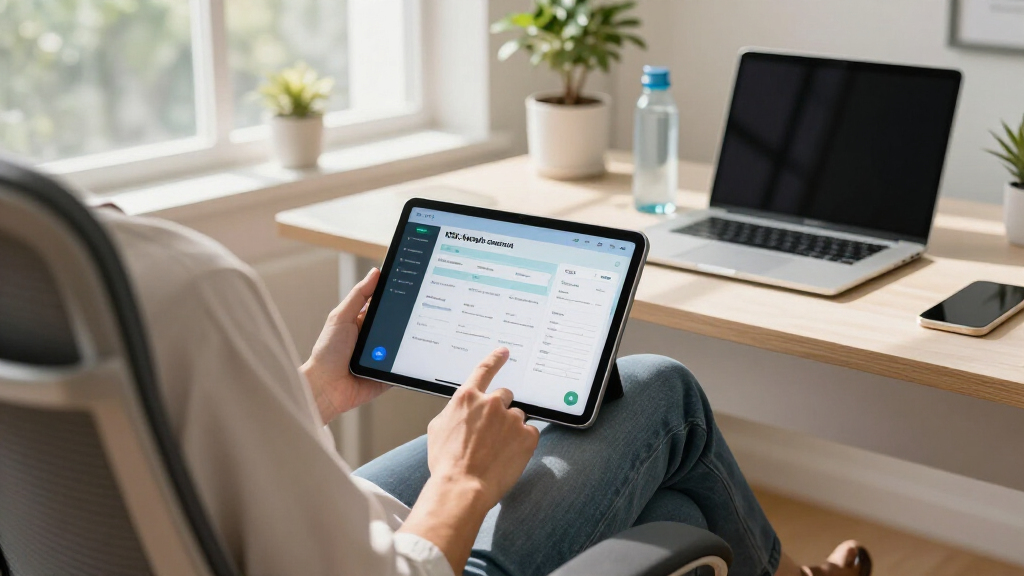
A new digital platform allows remote workers to perform self-guided MSK strength and mobility assessments using phone cameras. Employers can identify early risks and intervene before costly health issues develop, marking a shift toward proactive remote health management.
Remote work is driving a surge in musculoskeletal (MSK) health issues among employees, prompting the development of digital self-assessment tools that enable workers to evaluate their strength, mobility, and posture at home. This new approach aims to help employers identify early signs of MSK decline, potentially reducing costly medical claims and lost productivity.
Traditional MSK health programs are reactive, treating pain after it appears, but recent advances in smartphone camera technology and pose estimation algorithms now allow for proactive screening. The proposed solution involves a web and mobile self-assessment that guides employees through a series of 10-minute strength, mobility, and posture tests using only their phone cameras. These tests include sit-to-stand repetitions, shoulder and hip range-of-motion, plank holds, and seated posture photographs. The system then generates a personalized MSK risk score, along with tailored corrective exercises and progress tracking over time.
Employers will access a privacy-safe dashboard that aggregates team-level risk trends and engagement metrics. If an employee’s assessment indicates elevated risk, the platform can facilitate a referral to clinical MSK or physical therapy providers. The initial deployment involves pilot programs with one or two employers to validate scoring accuracy, engagement levels, and user retention over 60 to 90 days, with success measured by completion rates, correlation with validated questionnaires, and employer willingness to pay for ongoing use.
Implications for Employee Health and Employer Costs
This initiative represents a shift toward preventive, data-driven MSK health management for remote workers, addressing a critical gap in current occupational health strategies. As remote and hybrid work arrangements become permanent for many organizations, the ability to detect early signs of MSK decline can lead to significant reductions in medical claims, absenteeism, and productivity loss. Additionally, this approach aligns with broader trends toward personalized health monitoring and digital health innovation, potentially setting a new standard for corporate wellness programs.
By enabling early intervention, employers could see long-term savings and improved employee well-being, especially as MSK issues are already among the top drivers of healthcare costs in many organizations. The approach also offers a scalable, low-cost way to expand wellness initiatives beyond traditional gym memberships or ergonomic assessments, making it particularly valuable for distributed teams.
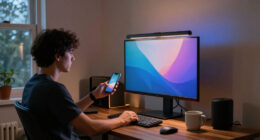
musculoskeletal self-assessment app
As an affiliate, we earn on qualifying purchases.
As an affiliate, we earn on qualifying purchases.
Growing Need for Remote MSK Prevention Tools
The shift to remote work has eliminated many incidental movements—such as commuting and office ergonomics—that naturally mitigated sedentary decline. As a result, reports indicate an increase in neck, back, and posture-related MSK problems among employees, leading to higher medical claims and more workdays lost. Currently, most MSK programs are reactive, focusing on treatment rather than prevention, and often require in-person assessments or specialized equipment.
Recent technological advances in smartphone-based pose estimation, driven by improvements in computer vision and AI, have created new opportunities for at-home health assessments. These tools can now reliably analyze movement quality without sensors or clinical oversight, making them suitable for large-scale deployment in corporate wellness programs. Pilot programs are underway in several sectors, especially among self-insured employers seeking cost-effective, scalable solutions to manage MSK risks proactively.
phone camera posture analysis tool
As an affiliate, we earn on qualifying purchases.
As an affiliate, we earn on qualifying purchases.
Unanswered Questions on Validation and Adoption
It is not yet clear how accurately the camera-based assessments will correlate with clinical evaluations or validated self-report instruments. The effectiveness of the risk scores in predicting future MSK problems remains to be validated through pilot studies. Additionally, the willingness of employers and employees to adopt and consistently use such tools at scale is still uncertain, as is the integration with existing clinical care pathways.
remote MSK health assessment device
As an affiliate, we earn on qualifying purchases.
As an affiliate, we earn on qualifying purchases.
Next Steps for Pilot Deployment and Validation
Developers plan to recruit 2-3 pilot employers to deploy the assessment platform over 60 to 90 days. Key milestones include measuring assessment completion rates, evaluating the correlation between camera-derived scores and clinical questionnaires, and assessing user engagement and retention. Results from these pilots will determine the feasibility of scaling the solution and establishing it as a standard component of remote employee health programs. Further, partnerships with clinical MSK providers are expected to be formalized based on pilot outcomes.
digital musculoskeletal screening platform
As an affiliate, we earn on qualifying purchases.
As an affiliate, we earn on qualifying purchases.
Key Questions
How does the self-assessment work without sensors?
The system uses the phone’s camera and advanced pose estimation algorithms to analyze movement and posture during guided tests, providing a risk score without any external sensors.
What types of MSK issues can this help prevent?
The assessments target common remote work-related problems such as neck strain, back pain, shoulder mobility issues, and overall posture decline.
Will employees need special equipment to perform the tests?
No, only a smartphone with a camera is required, making it accessible for most remote workers.
How will employers ensure employee privacy?
The platform is designed with privacy in mind, with data anonymization, secure storage, and compliance with relevant data protection regulations.
When can organizations expect to see wider availability?
Wider deployment depends on pilot results, but initial programs are expected within the next 6 to 12 months, pending validation and product refinement.
Source: IdeaNavigator AI
Halloween Picks
halloween
As an affiliate, we earn on qualifying purchases.