
TL;DR

Get the latest gadgets delivered free — and shop member deals
- Fast, free delivery on millions of items
- Access to Prime Big Deal Days deals on October 6–7
- Prime Video, Amazon Music and more included
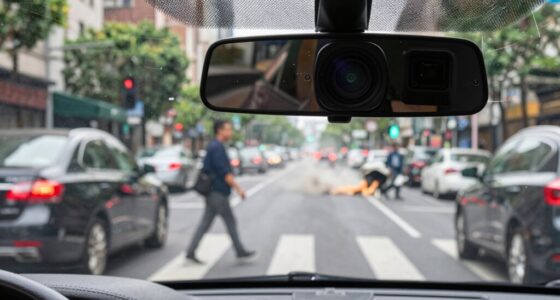
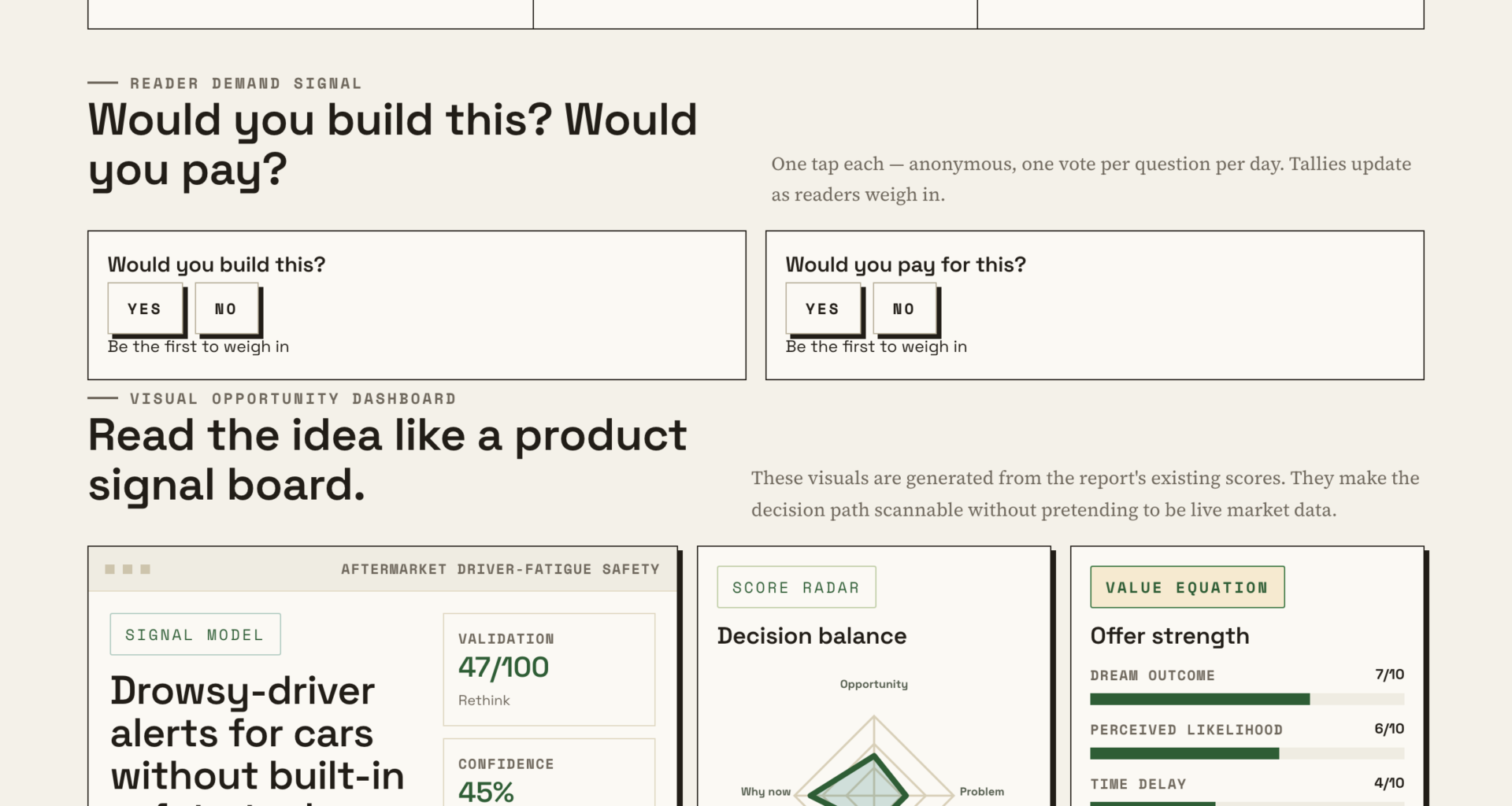
Researchers are testing a phone-mounted app that uses computer vision to detect drowsiness in drivers of older vehicles. This innovation aims to prevent microsleeps and crashes on long commutes. Validation is ongoing with volunteer drivers over two weeks.
A phone-based application that uses computer vision to monitor eye closure and head nodding is being tested as a solution for drivers of older vehicles lacking built-in drowsiness detection systems. This development offers a potential way to reduce fatigue-related crashes during long highway commutes, especially for drivers who cannot upgrade their cars with advanced safety features.
The app, developed by researchers and tested with twenty long-commute drivers, uses on-device face-landmark models to analyze eye-closure and head movements, providing escalating alerts and take-a-break prompts when signs of drowsiness are detected. This approach leverages affordable technology such as dashboard phone mounts and existing AI models, making it feasible as an aftermarket safety tool.
During the two-week trial, drivers reported that the app successfully identified moments when they were genuinely drowsy, triggering alerts at appropriate times. The system aims to serve as a low-cost, accessible alternative for drivers of older cars that lack integrated fatigue detection systems, which are typically found only in newer vehicles.
This innovation could significantly improve road safety by providing a practical, scalable solution for millions of drivers operating older vehicles without built-in safety features. By alerting drivers before microsleeps occur, it may decrease the incidence of fatigue-related crashes, which are a leading cause of highway accidents.
Furthermore, the subscription-based model with family or fleet plans suggests a viable commercial pathway, potentially encouraging widespread adoption and contributing to overall traffic safety improvements.
As an affiliate, we earn on qualifying purchases.
Growing Need for Aftermarket Driver Fatigue Monitoring
As vehicle manufacturers increasingly integrate advanced driver-assistance systems, many older cars remain without built-in fatigue detection technology. With long commutes and highway driving remaining common, the risk of microsleeps and drowsy driving persists among drivers of these vehicles.
Recent advancements in affordable face-landmark AI models and widespread availability of dashboard phone mounts have created an opportunity to develop aftermarket solutions. Previous efforts have focused on in-vehicle sensors, but this new approach emphasizes a smartphone-based system that is easier and cheaper to implement broadly.
“Using on-device face-landmark models, we can effectively estimate eye-closure and head-nod patterns to detect drowsiness in real-time.”
— an anonymous researcher
phone-based driver fatigue monitor
As an affiliate, we earn on qualifying purchases.
As an affiliate, we earn on qualifying purchases.
Validation and Adoption Challenges Remain
While initial testing shows promise, it is not yet clear how accurately the app detects drowsiness across diverse drivers and conditions. Larger-scale validation, including real-world crash prevention data and user feedback, is still needed. Additionally, questions remain about user compliance, alert fatigue, and long-term effectiveness.
As an affiliate, we earn on qualifying purchases.
Upcoming Validation and Market Deployment Plans
The research team plans to complete the two-week driver trials and analyze the data to refine alert accuracy. Following successful validation, they aim to expand testing to a broader user base and explore commercial partnerships for subscription-based deployment. Further development may include integrating additional sensors or features to enhance reliability.
As an affiliate, we earn on qualifying purchases.
Key Questions
How does the app detect drowsiness without built-in vehicle sensors?
The app uses the smartphone’s camera and AI-powered face-landmark models to monitor eye closure and head movements indicative of drowsiness.
Will this app work in all lighting conditions?
Performance may vary depending on lighting; developers are working to improve detection accuracy in low-light scenarios.
Is this system safe to rely on for preventing accidents?
It is designed as an aid, not a replacement for attentive driving. Drivers should always remain alert and use the app as a supplementary safety measure.
When will this technology be commercially available?
The developers plan to finalize validation within a few months, with potential market release following successful testing and user feedback.
Can this app be used in commercial fleets?
Yes, a fleet or family subscription model is being considered to promote broader safety adoption among multiple users.
Source: IdeaNavigator AI
Fall Picks
fall essentials
As an affiliate, we earn on qualifying purchases.