TL;DR
IQM Quantum Computers has secured an order from South Korean firm QAI for an IQM Radiance R3, a 54-qubit system scheduled for installation at QAI’s Seoul data centre by the end of 2027. QAI plans to offer access through a service combining quantum computing with GPU infrastructure; the system is not yet installed, and its performance on customer workloads has not been reported.
IQM Quantum Computers has secured an order from South Korean company QAI for an IQM Radiance R3 54-qubit quantum computer, which is expected to be installed at QAI’s Seoul data centre by the end of 2027. QAI plans to offer the system to enterprises, researchers and public organizations through its Quantum-as-a-Service platform, pairing quantum computing with GPU-based infrastructure.

Get the latest gadgets delivered free with Prime
- Fast, free delivery on millions of items
- Prime Video, Amazon Music and more included
- Member-only deals all year
The order covers the on-premises system and associated services, according to IQM’s announcement. The companies describe it as the first IQM quantum computer to be deployed in a private data centre in Asia. That is a claim about IQM’s deployments, not a claim that this will be the first quantum computer of any kind in an Asian private data centre.
QAI plans to make the computer available after it is installed and operational. The companies say potential initial areas for exploration include drug discovery, materials research such as batteries, financial portfolio optimization, and scheduling for logistics and energy infrastructure. These are prospective use cases; the announcement does not report completed applications or results from the system.
IQM describes Radiance as its most powerful on-premises quantum computer and says it is designed for integration with high-performance computing environments. The 54-qubit system uses tunable couplers and a square-lattice layout, which IQM says supports surface-code error correction. Details such as the final installation schedule, customer pricing, access arrangements and workload performance were not provided in the announcement.
A Seoul Base for Quantum Access
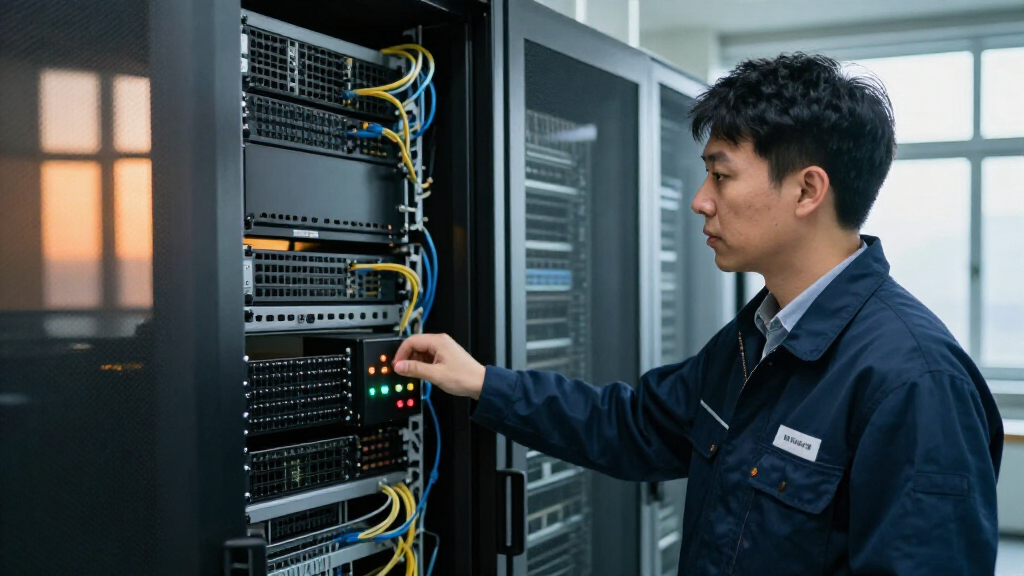
The planned installation would put a quantum computer inside a commercial data-centre environment in South Korea, rather than limit access to a dedicated research institution. QAI’s proposed service could let customers use the system alongside GPU computing resources, a setup intended for workloads that combine conventional computing and quantum processing. The announcement establishes a commercial access plan, but it does not show that the system will outperform classical methods or deliver practical gains for the listed industries.
The location also matters to South Korea’s efforts to expand domestic quantum capability. Local hosting could give organizations access to a system within the country. IQM’s commercial chief, Sylwia Barthel de Weydenthal, said on-premises access could support research, commercial application development and national control of critical technology and data. Those are stated aims; the companies have not described specific data-governance arrangements or demonstrated resulting benefits.
Products Worth Considering

Bose QuietComfort Ultra Earbuds (2nd Gen), Wireless Noise-Cancelling Earbuds, Black

Samsung 27-Inch Odyssey OLED G6 QHD Gaming Monitor (G61SH)

Apple AirPods Pro (2nd Generation) Wireless Earbuds with USB-C MagSafe Charging Case
As an affiliate, we earn on qualifying purchases.
South Korea’s Quantum Infrastructure Plans
South Korea has designated quantum technology as one of its national strategic technology fields. The source report says the government’s Sixth Basic Plan for Science and Technology calls for more than 200 trillion South Korean won in research and development investment between 2026 and 2030 across fields covered by the plan. It also reports that a Ministry of Science and ICT plan issued in January 2026 set goals for quantum-computer use, workforce training and company formation by 2035. These are policy targets, not outcomes already achieved.
The QAI order adds to IQM’s reported activity in the region. The company says it has already deployed systems in South Korea, Taiwan and Japan, and that an IQM Spark system at Chungbuk National University was installed through South Korea’s government procurement process. IQM opened a Seoul office in June 2025. The QAI project differs in its planned setting: a private commercial data centre offering access to customers through a service.
“This sale marks an important milestone for quantum computing in South Korea.”
— Sylwia Barthel de Weydenthal, chief commercial officer at IQM Quantum Computers
Installation and Customer Access Details
The system is not yet installed; delivery and on-site installation are expected by the end of 2027. The announcement does not specify interim milestones, when QAI will begin accepting customers, how access will be allocated, or what the service will cost. It also provides no independent assessment of the system’s performance or evidence that the proposed industry applications will benefit from quantum processing.
The companies have not disclosed the financial terms of the order. IQM’s description of the system’s connectivity and error-correction support comes from the vendor, and the announcement does not provide benchmark results, error rates or details of which error-correction capabilities will be available to users.
Delivery and Service Launch Milestones
The next stated milestone is delivery and installation at QAI’s Seoul data centre, expected by the end of 2027. After the system is operational, QAI plans to make it available through its Quantum-as-a-Service offering. Further information would be needed to establish the launch date, customer terms and technical performance. Until then, the deal confirms an order and an intended service model, rather than a live quantum-computing service.
Key Questions
What did IQM agree to provide?
IQM secured an order from QAI for an IQM Radiance R3 54-qubit quantum computer, along with associated services, for installation at QAI’s Seoul data centre.
When is the system expected to be installed?
IQM and QAI expect delivery and on-premises installation by the end of 2027. The system is not yet operational.
Who is expected to use the computer?
QAI plans to offer access through its Quantum-as-a-Service platform to South Korean businesses, research institutions and public organizations. Service launch details have not been announced.
What applications are the companies considering?
The companies say they initially plan to explore areas including drug discovery, battery materials, portfolio optimization, and logistics and energy scheduling. These are proposed areas of investigation, not reported results.
Are the financial terms or performance results public?
No. The announcement does not disclose the price of the order, customer service fees, benchmark results or performance on real-world workloads.
Source: thequantuminsider.com