
TL;DR

Get the latest gadgets delivered free with Prime
- Fast, free delivery on millions of items
- Prime Video, Amazon Music and more included
- Member-only deals all year
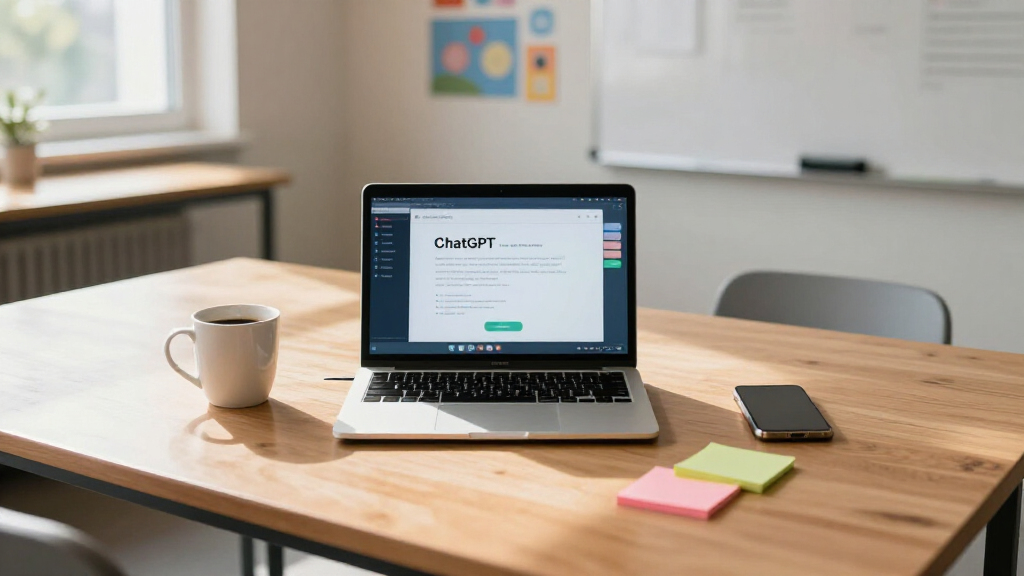
OpenAI is extending access to its free ChatGPT for Teachers platform across more U.S. school districts. The move aims to integrate AI into daily teaching workflows, but specific details about the rollout remain unclear.
OpenAI has announced the expansion of its ChatGPT for Teachers workspace to more school districts across the United States, marking a significant step in integrating AI tools into K-12 education. This move allows districts to provide their educators with free, managed access to OpenAI’s advanced AI models tailored specifically for classroom tasks. The expansion responds to increasing demand from teachers already using the tools to streamline lesson planning, grading, and student feedback, and signals a shift from pilot programs to broader district-level adoption, as detailed in the original analysis.
The ChatGPT for Teachers platform offers educators a dedicated workspace separate from the consumer version of ChatGPT. It includes features designed to assist with drafting lesson plans, creating quizzes, adjusting reading levels, and providing feedback on student writing, according to OpenAI. Schools can now provision accounts for their staff, enabling a shared, managed environment that reduces individual sign-up barriers. This initiative is part of OpenAI’s broader effort to embed AI into daily teaching routines, with reports indicating that teachers find the tools helpful in saving time on administrative tasks and lesson preparation.
While the expansion aims to embed AI into the core of classroom workflows, many details about the rollout remain unconfirmed. OpenAI has not disclosed which districts are participating, how many teachers will have access, or the specific timeline for deployment. Questions also remain about data privacy, the permanence of free access, and how the effectiveness of these tools will be measured in terms of student learning outcomes. The move comes amid ongoing debates about the ethical and policy implications of AI use in classrooms, especially regarding student-facing applications.
Implications of Broader AI Integration in Schools
The expansion of ChatGPT for Teachers signifies a major step toward integrating AI tools into the fabric of American K-12 education. If widely adopted, these tools could reshape how teachers prepare lessons, assess student work, and manage classroom activities, potentially saving significant time and reducing workload. However, this raises concerns about reliance on commercial AI vendors, data privacy, and the long-term impact of AI-assisted teaching on student outcomes. The move also intensifies competition among tech giants and startups vying for a foothold in the education market, positioning OpenAI as a leading provider for teacher-facing AI solutions.
AI lesson planning tools for teachers
As an affiliate, we earn on qualifying purchases.
As an affiliate, we earn on qualifying purchases.
Background of AI Use in U.S. Education
Since the public launch of ChatGPT in late 2022, schools have grappled with the implications of generative AI in the classroom. Early responses included bans and restrictions due to concerns about academic integrity, but over time, many educators and districts have begun exploring structured, responsible adoption. OpenAI initially introduced classroom resources and dedicated workspaces for teachers, emphasizing tasks like lesson planning and content creation, which carry fewer risks of misuse. Anecdotal reports suggest that teachers find AI helpful in tailoring materials for diverse learners and reducing administrative burdens, leading to increased interest in broader deployment.
The current expansion marks a shift from pilot programs and early partnerships toward widespread, district-level implementation, reflecting OpenAI’s confidence in the utility of its tools for educators. However, the full scope of the rollout, including district participation and usage metrics, remains unconfirmed.
grading automation software for teachers
As an affiliate, we earn on qualifying purchases.
As an affiliate, we earn on qualifying purchases.
Details of the Deployment and Usage Metrics Unclear
Many specifics about the current rollout remain undisclosed. It is not yet confirmed which districts are participating, how many teachers will gain access, or the timeline for full deployment. Data privacy arrangements, the longevity of free access, and measurable impacts on teaching quality and student learning are still under discussion. Independent research evaluating the long-term effects of AI tools in education has yet to be published, making the actual benefits and risks uncertain at this stage.
As an affiliate, we earn on qualifying purchases.
Next Steps in AI Adoption and Evaluation
OpenAI and participating districts are expected to announce more detailed information about the rollout, including district lists and usage statistics, in the coming months. Schools will likely begin integrating the tools into their workflows, while educators and policymakers monitor the impact. Further research and independent evaluations will be necessary to assess whether AI-assisted teaching improves student outcomes and how privacy and ethical concerns are addressed. The ongoing debate about student-facing AI use will also influence future policy decisions.
As an affiliate, we earn on qualifying purchases.
Key Questions
Which districts are participating in the ChatGPT for Teachers expansion?
OpenAI has not yet publicly disclosed the specific districts involved in the current expansion. Details are expected to be announced as the rollout progresses.
How many teachers will have access to the platform?
The exact number of teachers covered in the expansion has not been confirmed. It will likely vary depending on district capacity and implementation plans.
Are there data privacy concerns with using ChatGPT in schools?
Data privacy terms are still being clarified. OpenAI has stated that district deployments will be managed, but specific privacy policies and protections are yet to be detailed publicly.
Will the platform be free permanently?
OpenAI currently offers the platform free of charge, but the long-term availability and any potential costs have not been officially confirmed.
How will the effectiveness of AI tools in classrooms be measured?
There are no established metrics yet; evaluations will likely depend on district feedback, teacher reports, and future research studies assessing learning outcomes.
Source: ThorstenMeyerAI.com
Halloween Picks
halloween
As an affiliate, we earn on qualifying purchases.