
TL;DR

Get the latest gadgets delivered free with Prime
- Fast, free delivery on millions of items
- Prime Video, Amazon Music and more included
- Member-only deals all year
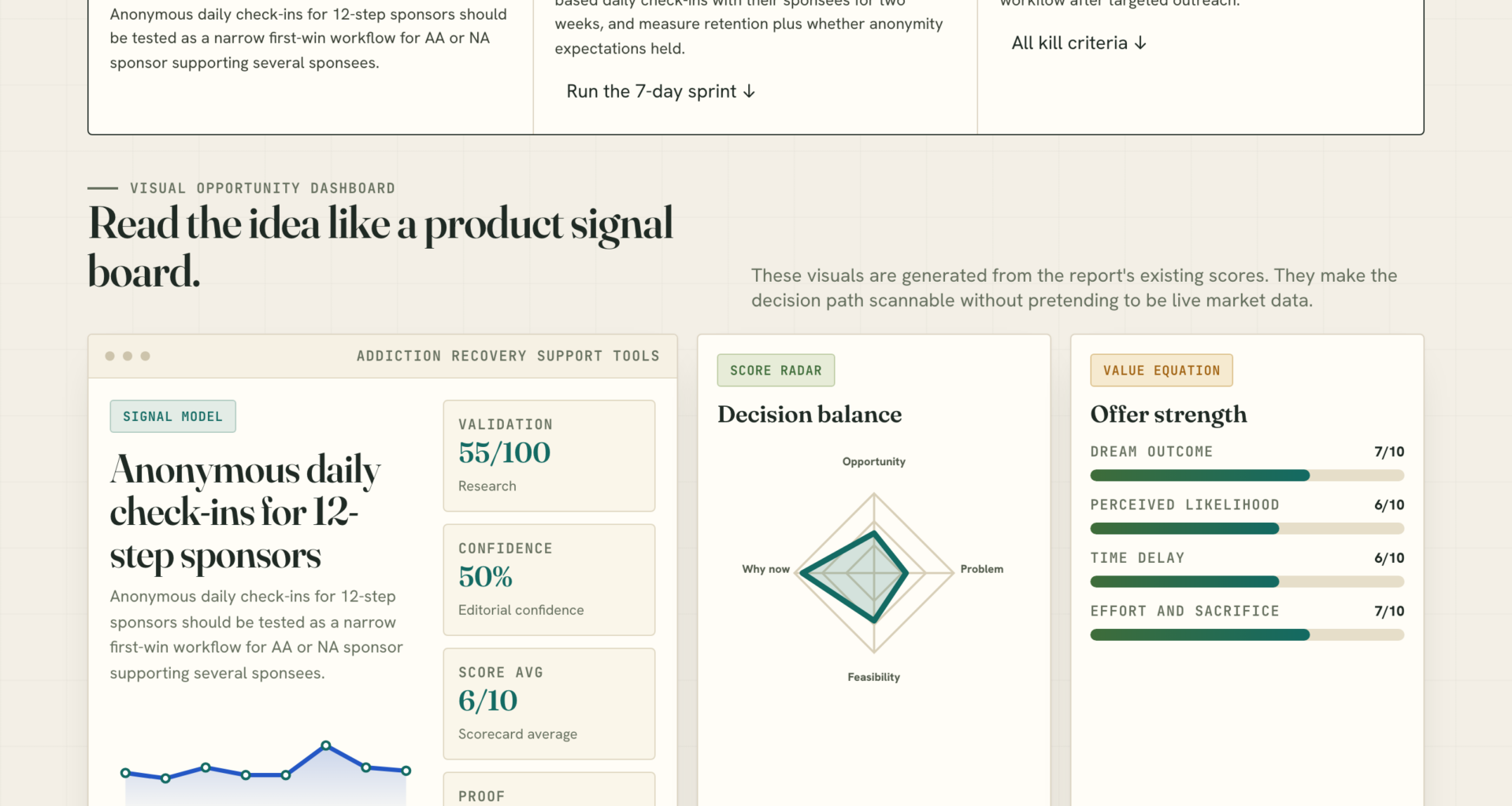
A proposed system allows 12-step sponsors to conduct anonymous daily check-ins with multiple sponsees via pseudonymous codes. Pilot testing will assess effectiveness and privacy, addressing longstanding confidentiality concerns.
Developers are preparing to test a new system that enables 12-step sponsors to conduct anonymous daily check-ins with their sponsees using pseudonymous codes, aiming to enhance privacy and support within recovery communities. This initiative responds to longstanding concerns about maintaining anonymity while managing multiple sponsees through digital communication channels.
The proposed platform would allow sponsors supporting several sponsees to invite each sponsee via a one-time code, which then links to a private, pseudonymous check-in thread. The system would display simple indicators—such as a green or red check—to confirm daily sobriety status, with optional notes for additional context. Importantly, no real names or phone numbers would be stored, preserving user anonymity.
According to an anonymous researcher involved in the project, the system is designed as a minimum viable product (MVP) to test feasibility and user acceptance. The initial plan is to recruit eight active sponsors, who will run the pseudonymous check-ins with their sponsees over a two-week period. Success will be measured by retention rates and whether the system effectively maintains anonymity as intended.
Funding for the project comes from a low monthly subscription fee paid by sponsors supporting multiple sponsees, which covers platform maintenance and development. The goal is to address a gap in existing recovery tools, where mainstream messaging apps often leak personal contact information, conflicting with the traditions of anonymity in twelve-step programs.
Potential Impact on Privacy and Support in Recovery
This initiative could significantly improve privacy for individuals in recovery, reducing fears of exposure or breach of confidentiality. By offering a secure, pseudonymous way to track daily sobriety, it may encourage more consistent engagement and support from sponsors. If successful, this model could influence the development of dedicated recovery support tools that respect anonymity while leveraging digital convenience, potentially transforming how sponsors and sponsees communicate.
As an affiliate, we earn on qualifying purchases.
Digital Shift in Recovery Support Raises Privacy Concerns
Recovery communities like Alcoholics Anonymous (AA) and Narcotics Anonymous (NA) have traditionally prioritized anonymity to protect members’ identities. However, the increasing reliance on digital communication for support has introduced privacy challenges, as popular messaging apps often store or leak personal contact details. This has led to calls for specialized tools that uphold confidentiality while facilitating daily check-ins and progress tracking.
Previous efforts to digitize support have faced obstacles due to privacy concerns and the need to align with twelve-step traditions. The proposed pseudonymous system aims to bridge this gap by providing a secure, privacy-focused alternative that can be integrated into existing support structures.
While the concept is still in testing, it reflects a broader trend toward leveraging technology to enhance recovery support without compromising core principles of anonymity and confidentiality.
12-step support app with privacy features
As an affiliate, we earn on qualifying purchases.
As an affiliate, we earn on qualifying purchases.
Unclear Outcomes and Adoption Challenges
It is not yet confirmed how well the pseudonymous system will perform in real-world settings or whether sponsors and sponsees will adopt it widely. The pilot is limited to eight sponsors over two weeks, and longer-term usability, privacy guarantees, and integration with existing recovery practices remain to be tested. Additionally, user acceptance and potential technical or privacy issues could influence the project’s success.
As an affiliate, we earn on qualifying purchases.
Next Steps in Pilot Testing and Evaluation
The project team plans to launch the pilot with eight active sponsors in the coming weeks, closely monitoring retention, user feedback, and privacy adherence. Results from this initial testing will determine whether to expand the system, refine features, or address unforeseen challenges. If successful, broader adoption and potential integration into recovery support platforms could follow within the next few months.
confidential sobriety tracking platform
As an affiliate, we earn on qualifying purchases.
As an affiliate, we earn on qualifying purchases.
Key Questions
How does the pseudonymous check-in system protect my privacy?
The system uses one-time codes to link sponsors and sponsees to private check-in threads, with no real names or contact information stored, ensuring anonymity is maintained throughout the process.
Yes, sponsors can see daily status indicators and optional notes, but personal identifiers remain hidden, aligning with traditional anonymity principles.
Will this system replace existing recovery apps or support methods?
This is a pilot project designed to test a new approach; it may complement or eventually replace some existing tools if proven effective and secure.
Is this system officially endorsed by AA or NA?
No, it is currently a development project in testing phases, and official endorsement has not been announced.
When will the results of the pilot be available?
Results are expected after the two-week testing period, with potential updates and further development planned in the following months.
Source: IdeaNavigator AI
Halloween Picks
halloween
As an affiliate, we earn on qualifying purchases.