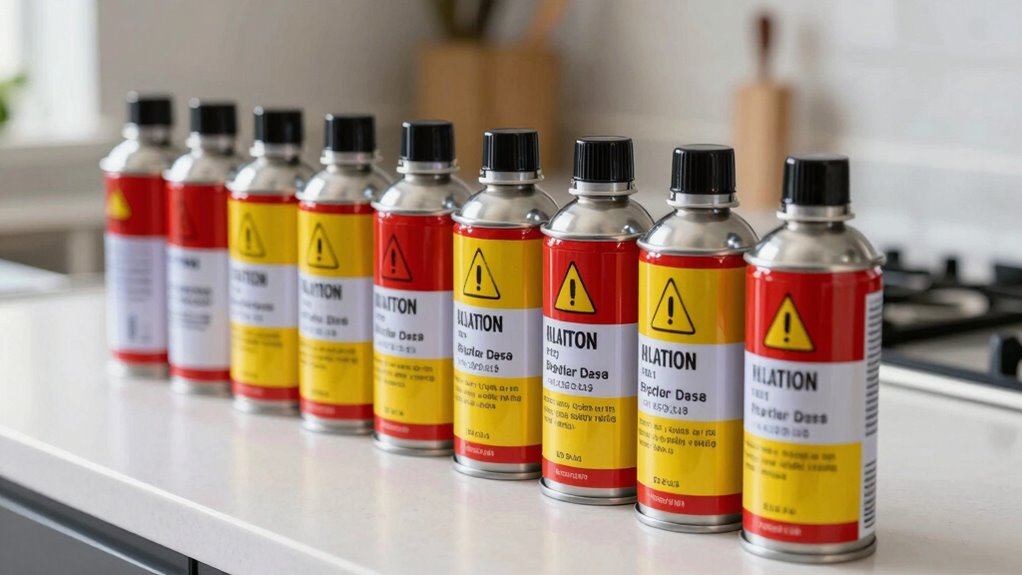
Pepper spray typically lasts between one and three years, depending on how you store and maintain it. Proper storage in a cool, dark place extends its effectiveness, while exposure to heat, sunlight, or extreme temperatures speeds up degradation. Always check the expiration date, and replace your spray when it’s expired or if it no longer sprays properly. If you’re interested in ensuring your pepper spray stays effective, there’s more to learn about proper storage and maintenance options.
Key Takeaways
- Properly stored pepper spray remains effective for 1 to 3 years, depending on storage conditions.
- Store in a cool, dark place to prolong shelf life and prevent chemical degradation.
- Check the expiration date regularly; using expired spray reduces effectiveness and may be legally risky.
- Physical signs like leaks, cracks, or reduced spray pattern indicate the need for replacement.
- Periodic testing ensures the spray functions properly, and replacement should occur before expiration.
How Long Does Pepper Spray Last?

How long does pepper spray last? The duration of its effectiveness depends on its formulation and storage conditions. Typically, a properly stored pepper spray remains effective for about 1 to 3 years. Over time, the active ingredients can degrade, reducing pepper spray effectiveness. It’s important to regularly check the expiration date on the canister. Legal considerations also come into play; expired pepper spray might be considered unusable or illegal in some jurisdictions. Using expired spray could result in a failure to deter an attacker or legal issues if it doesn’t perform as expected. To ensure maximum efficacy and compliance, store your pepper spray in a cool, dry place and replace it before the expiration date. Proper maintenance guarantees it remains a reliable safety tool. Additionally, understanding the latest advancements in safety technology can help you choose the most effective and reliable self-defense tools. Regularly inspecting your pepper spray and staying informed about product innovations can help ensure your safety equipment remains dependable. Being aware of storage best practices can further prolong the shelf life and effectiveness of your pepper spray. Maintaining your pepper spray and staying updated on manufacturing standards can also contribute to its overall reliability and safety.
What Factors Affect Its Shelf Life?
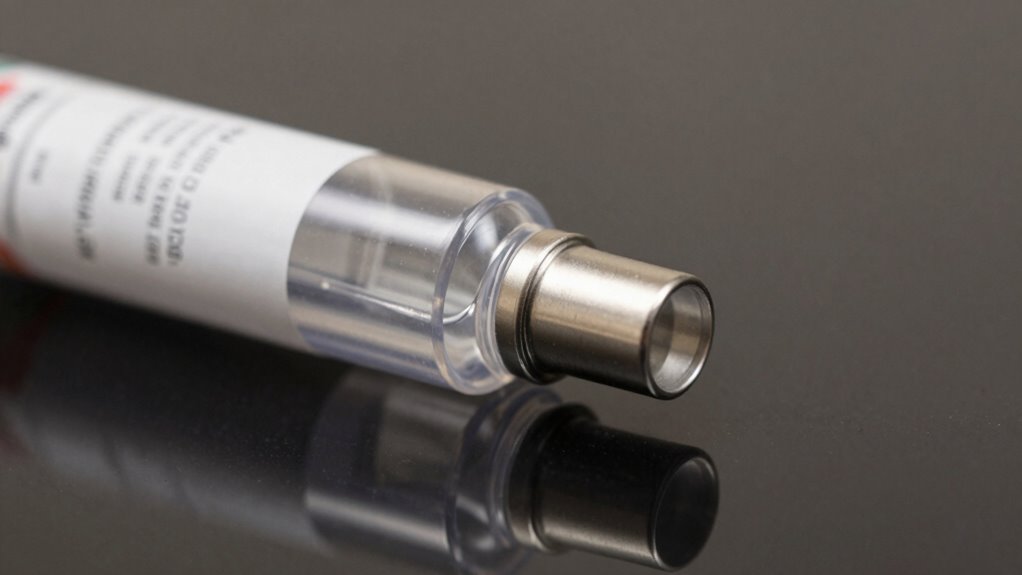
Your pepper spray’s shelf life depends on how you store it, especially regarding light and heat exposure. If it’s kept in a cool, dark place, it stays effective longer; hot or sunny environments can cause it to break down faster. Additionally, the container’s material matters, since some materials may degrade or leak, reducing the spray’s potency over time. Proper storage conditions can help maintain its effectiveness for a longer period.
Storage Conditions Impact
The shelf life of pepper spray is heavily influenced by storage conditions, which can either preserve its effectiveness or cause it to degrade prematurely. Proper storage safety guarantees the spray remains reliable when needed, so keep it in a cool, dry place away from extreme temperatures. Avoid exposing the container to excessive heat or cold, as these conditions can weaken the agent or cause the canister to malfunction. Additionally, storing the spray in a stable environment minimizes the environmental impact, preventing leaks or accidental discharge that could harm the surroundings. Proper storage also reduces the risk of accidental activation or damage, ensuring the spray maintains its potency over time. Maintaining the integrity of the container and the projector’s internal components is essential for ensuring consistent performance over time. Furthermore, understanding storage safety guidelines helps prevent accidental injuries and preserves the spray’s effectiveness longer. Regularly checking the expiration date can also help ensure the spray is still effective when needed, and being aware of product degradation signs can help identify when it should be replaced.
Exposure to Light and Heat
Exposure to light and heat can considerably reduce the shelf life of pepper spray by breaking down its active ingredients and weakening its effectiveness. UV degradation from sunlight accelerates chemical breakdown, diminishing potency over time. Temperature fluctuations are equally harmful; repeated heating and cooling cause expansion and contraction that can damage the spray’s container and compromise the seal. High temperatures hasten chemical deterioration, making the spray less reliable when needed. To preserve its effectiveness, store pepper spray in a cool, dark place away from direct sunlight and sources of heat. Avoid leaving it in hot cars or near windows, where exposure to light and heat is frequent. Proper storage guarantees your pepper spray remains effective when you need it most. Additionally, understanding the chemical stability of the active compounds helps in maintaining its potency over time. Recognizing the importance of proper storage conditions can significantly extend the shelf life of your pepper spray.
Container Material Durability
Container material plays a crucial role in determining how long pepper spray remains effective. If the container’s integrity is compromised—due to cracks, corrosion, or warping—material degradation can occur, leading to leaks or reduced spray potency. High-quality materials like sturdy aluminum or durable polycarbonate resist corrosion and maintain their strength longer, extending shelf life. Conversely, poor-quality plastics may degrade faster under environmental stresses, undermining container durability. Exposure to extreme temperatures, moisture, or friction accelerates material degradation, risking container failure. Regularly inspecting your pepper spray for signs of wear helps ensure the container stays intact. Proper storage in a cool, dry place also minimizes degradation, preserving the container’s material durability and ensuring the spray remains effective when needed.
How Can I Tell If My Pepper Spray Has Expired?

Determining if your pepper spray has expired is straightforward if you pay attention to certain signs. First, check the spray’s appearance; any discoloration, cloudiness, or sediment indicates deterioration. Next, test the spray in a safe, open area—if it doesn’t spray properly or the stream is weak, it’s likely expired. Additionally, pay attention to the smell; a foul or unusual odor suggests the contents have broken down. Remember, using expired pepper spray may compromise safety, so always follow safety precautions. Check the expiration date printed on the canister, but don’t rely solely on it—physical signs are vital. Keep legal considerations in mind, as expired or compromised pepper spray might not be legally permissible for use. When in doubt, replace expired units promptly.
How to Store Pepper Spray to Keep It Effective

Proper storage is key to guaranteeing your pepper spray remains effective when you need it most. Keep the canister in a suitable container sealing environment to prevent leaks and contamination. Make sure it’s stored upright to avoid accidental discharge. The ideal storage temperature is cool and consistent, ideally between 32°F and 100°F (0°C to 38°C). Avoid exposing the spray to extreme heat, direct sunlight, or freezing temperatures, as these can degrade the propellant and impact the spray’s effectiveness. Store your pepper spray in a secure location away from children and pets. Regularly check the container for signs of damage or corrosion. Proper storage helps extend its shelf life and ensures it functions reliably when needed.
When and How Should I Replace My Pepper Spray?

You should replace your pepper spray when it no longer functions reliably or reaches its expiration date. Properly maintaining pepper spray guarantees your safety and adheres to legal considerations. Regularly check the canister for damage, leaks, or diminished spray range. If the spray doesn’t discharge properly or the nozzle is clogged, it’s time to replace it. Keep in mind that expired pepper spray may not deliver the intended pepper spray safety, making it ineffective in emergencies. Also, be aware of local laws regarding pepper spray expiration and replacement to stay compliant. Replacing your pepper spray promptly ensures you’re prepared and legally protected. Additionally, understanding the shelf life of pepper spray helps in planning timely replacements and maintaining safety. To maximize the effectiveness of your pepper spray, it’s advisable to test spray periodically to ensure functionality. Replace if the spray pattern is weak or inconsistent. Follow manufacturer guidelines for expiration dates. Store in a cool, dry place to extend shelf life. Proper storage conditions can significantly influence the shelf life and overall effectiveness of your pepper spray. Being aware of local legal considerations for replacement deadlines is essential to ensure compliance and avoid potential legal issues.
FAQs About Pepper Spray Expiration and Use

Pepper spray expiration dates can be confusing, but understanding them is essential for your safety. If your pepper spray is past its expiration, it may not perform as effectively in an emergency, risking your safety and peace of mind. Always check the label for expiration dates and replace your spray if it’s expired. Pepper spray safety isn’t just about storage but also about ensuring the product works when needed. Be aware of legal considerations, as some jurisdictions restrict the use of expired or improperly stored pepper spray. Keep your spray in a cool, dry place and replace it as recommended. Knowing how to handle expiration issues helps you stay prepared and compliant with local laws, ensuring your self-defense tool remains reliable. Additionally, understanding the device functionality of pepper spray can help you assess whether it’s still effective or needs replacement. Proper storage techniques and awareness of shelf life, including shelf life management, contribute to maintaining its effectiveness over time.
Frequently Asked Questions
Can Expired Pepper Spray Still Be Used in an Emergency?
Expired pepper spray shouldn’t be used in an emergency due to safety concerns and expiration warnings. Over time, the propellant and active ingredients can degrade, making it less effective or unpredictable. Using expired spray could fail when you need it most, risking your safety. Always check the expiration date and replace your pepper spray regularly to guarantee it functions properly and keeps you protected when needed.
Is There a Legal Limit to How Long Pepper Spray Can Be Stored?
You can’t keep pepper spray forever; there are storage regulations and legal restrictions on how long you can store it. Usually, laws don’t specify an exact expiration date, but many jurisdictions advise replacing it every 2-3 years to ensure effectiveness. You’re playing with fire if you disregard these rules, so check local laws and store your spray in a cool, dry place—don’t let it sit on the sidelines.
How Does Temperature Affect the Effectiveness of Pepper Spray?
Temperature greatly affects the effectiveness of pepper spray because it impacts its chemical stability. If you expose the spray to extreme heat or cold, its chemical components become temperature sensitive, reducing potency. High temperatures can cause the spray to degrade or leak, while cold temperatures may slow the release or cause the canister to malfunction. To guarantee maximum effectiveness, store your pepper spray between 32°F and 77°F, avoiding extreme temperatures.
Are There Differences in Shelf Life Between Brands or Types?
Imagine you buy two pepper spray brands, and one expires six months earlier than the other. Yes, shelf life varies between brands and formulations. Brand variations and formulation differences, like oil concentration or propellant type, influence how long pepper spray remains effective. Always check expiration dates and store your spray properly, as these factors can profoundly impact its potency and reliability when you need it most.
What Are the Health Risks of Using Expired Pepper Spray?
Using expired pepper spray can pose health risks like increased chances of health complications if it misfires or leaks. You might experience accidental exposure, causing eye irritation, breathing difficulties, or skin burns. The spray’s effectiveness diminishes over time, so relying on expired product could lead to insufficient protection. Always check expiration dates, store it properly, and replace it when it’s past its prime to guarantee your safety in critical moments.
Conclusion
So, your pepper spray’s lifespan is almost as mysterious as Bigfoot’s. Keep an eye on that expiration date, store it properly, and don’t wait until you’re faced with a surprise attack to find out it’s useless. After all, nothing says “I’m prepared” like a can that’s expired and empty. Stay savvy, stay safe—because when trouble strikes, you don’t want your spray to be just as expired as your excuses.