Analyzing the true expenses of building a local inference setup in 2026, including hardware costs, VRAM limitations, and strategic choices for AI practitioners.
The Latest
The City That Watches Itself: The Living Digital Twin, And The God’s-Eye View We’re Building
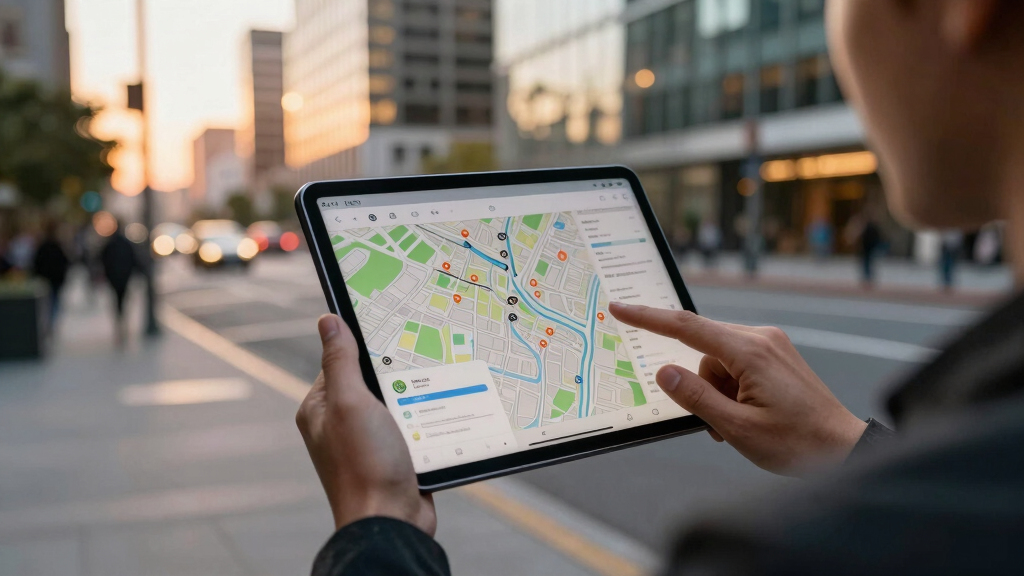
Cities are developing dynamic digital twins integrated with real-time sensors and advanced AI, creating self-monitoring urban environments with profound implications.
The Eye Over the City: How Wide-Area Motion Imagery Works — and Where It Goes Blind
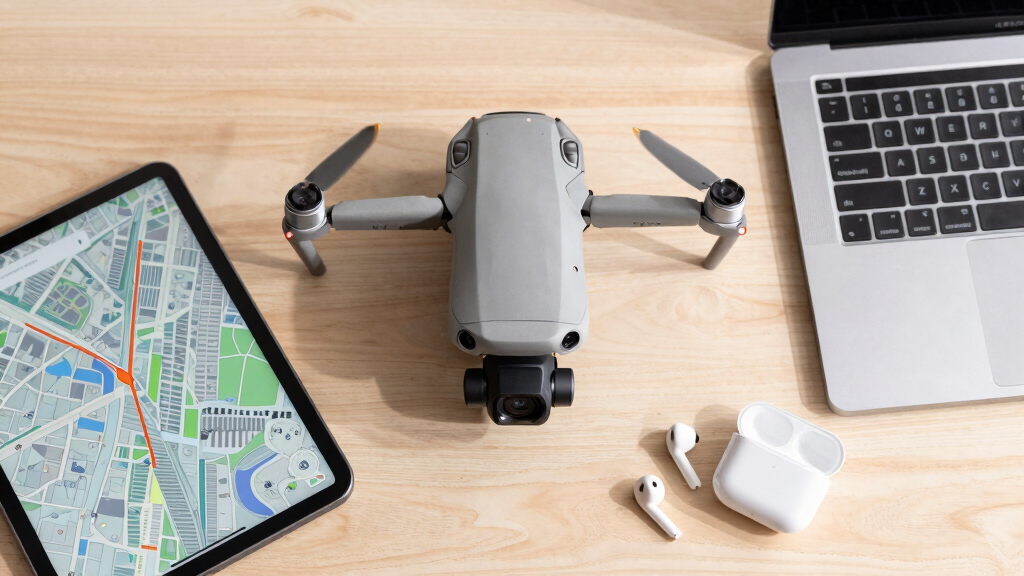
Exploring how WAMI technology works, its applications, limitations, and future developments in city and military surveillance.
Cloud’s Hidden Memory Bill
The cloud faces a hidden memory surcharge due to rising DRAM prices, leading to increased costs for cloud users and a shift towards hybrid solutions.
RHEO: Paint With Light
RHEO is a simple, beautiful app that turns your fingertips into flowing, glowing light art, available on iPhone, iPad, and Apple Vision Pro.
The Delegation Ladder: The Four Agentic Loops, and What Each One Lets You Stop Doing
Understanding the four agentic loops in AI development reveals how to control automation and stop at the right point, balancing efficiency and oversight.
A Skill Is a Folder, Not a Prompt: What Anthropic Learned Running Hundreds of Them
Anthropic reveals that Skills are folders containing instructions, scripts, and assets, shifting AI deployment from prompts to structured assets.
When One Agent Isn’t Enough: Claude Now Builds Its Own Team Of Agents On The Fly
Anthropic’s Claude now autonomously assembles its own agent teams for complex tasks, enhancing performance in high-value workflows.
Fable 5 Is Back. GPT-5.6 Is Next. And Anthropic Reportedly Already Has Something Stronger.
Anthropic restores Fable 5 after government blackout; OpenAI previews GPT-5.6 amid rumors of an even more capable, unreleased model. What this means for AI development.
Kill-Switch-Proof: How to Build So Washington Can’t Take Your AI Stack Down
A detailed guide on creating AI infrastructure that can withstand government-ordered shutdowns, emphasizing independence and control over dependencies.