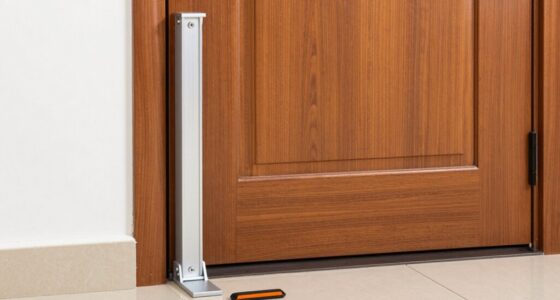
False alarms happen when sensors react to environmental factors, dirt, or minor vibrations, often caused by dirt, weather, animals, or interference. Over-sensitive settings or poor calibration can lead to unnecessary alerts, increasing frustration. To reduce these, you should regularly maintain and adjust your system, use smarter technology like AI filters, and make certain proper placement. Keep exploring to discover more effective tips for minimizing false alarms and improving system reliability.
Key Takeaways
- False alarms often result from sensor malfunctions, environmental interference, or user errors such as misconfiguration.
- Over-sensitive sensors react to minor environmental changes, increasing false trigger risks.
- Regular maintenance, calibration, and advanced filtering algorithms help reduce false alarms.
- Proper sensor placement, weather protection, and shielding minimize environmental and external noise influences.
- Integrating AI and predictive analytics enhances detection accuracy and diminishes false alerts over time.
Why Do False Alarms Happen in Different Systems?

Have you ever wondered why false alarms occur across different systems? Often, sensor malfunctions are to blame. When sensors don’t work correctly, they might send false signals, triggering alarms unnecessarily. These malfunctions can result from dirt, corrosion, or technical defects, making sensors unreliable. User errors also play a significant role. If you accidentally misconfigure a system or forget to calibrate sensors properly, false alarms can happen. For example, setting sensitive alarms too high or neglecting regular maintenance increases the chances of false triggers. Both sensor malfunctions and user errors disrupt the system’s ability to distinguish between real threats and harmless conditions, leading to unnecessary alerts. Additionally, energy-efficient hardware can help reduce false alarms by providing more accurate readings and enhanced reliability. Proper filter maintenance is essential, as dirty filters can impair sensor accuracy and lead to false alarms. Understanding these common causes and sensor calibration techniques helps you identify and address issues before they result in frequent false alarms. Incorporating preventive maintenance routines can further improve system accuracy and system reliability, reducing the likelihood of false alarms.
What Common Factors Lead to False Alarms?

False alarms often happen due to alarm system sensitivity settings that are too high. Environmental interferences, like weather or animals, can also trigger alerts unexpectedly. Understanding these common factors helps you identify and reduce false alarms effectively. Additionally, water-related activities or nearby water parks may sometimes inadvertently cause false sensor triggers in certain alarm systems. Properly adjusting sensitivity settings and maintaining your system can further minimize these false alarms. Regular system testing and calibration can also help ensure sensors respond appropriately to genuine threats. Being aware of environmental factors can assist in preventing unnecessary alerts.
Alarm System Sensitivity Settings
Sensitivity settings on your alarm system play a crucial role in preventing false alarms, but when these settings are too high or too low, problems can arise. Proper sensitivity calibration ensures your sensors detect genuine threats without reacting to insignificant movements or environmental changes. Proper calibration of sensitivity settings is essential for optimal system performance. If the alarm thresholds are set too low, the system becomes overly sensitive, triggering alarms for minor disturbances like pet activity or passing shadows. Conversely, setting thresholds too high can cause the system to ignore actual intrusions. Adjusting sensitivity levels carefully balances responsiveness and false alarm reduction. Regularly reviewing and fine-tuning these settings helps you avoid unnecessary alerts, improves system reliability, and keeps your home protected without the frustration of false alarms. Incorporating Free Floating technology can further enhance the accuracy of your sensors and reduce false alarms.
Environmental Interferences and Triggers
Environmental factors often trigger false alarms by interfering with sensor detection. Electromagnetic interference from nearby electronics, such as routers or microwaves, can disrupt sensor signals, causing false alerts. Chemical contaminants, like cleaning fumes or pesticides, may also interfere with motion detectors or smoke sensors, leading to incorrect triggers. Additionally, dust, dirt, or humidity can affect sensor sensitivity, making them more prone to false alarms. External sources like moving trees, animals, or even passing vehicles can also activate sensors unintentionally. To reduce these triggers, keep sensors away from sources of electromagnetic interference, regularly clean sensors, and eliminate environmental clutter near detection devices. Understanding these factors helps you minimize false alarms and maintain a reliable security system. Proper sensor placement is essential for minimizing environmental interferences and ensuring optimal sensor performance.
How Does Over-Sensitivity Trigger Unnecessary Alerts?
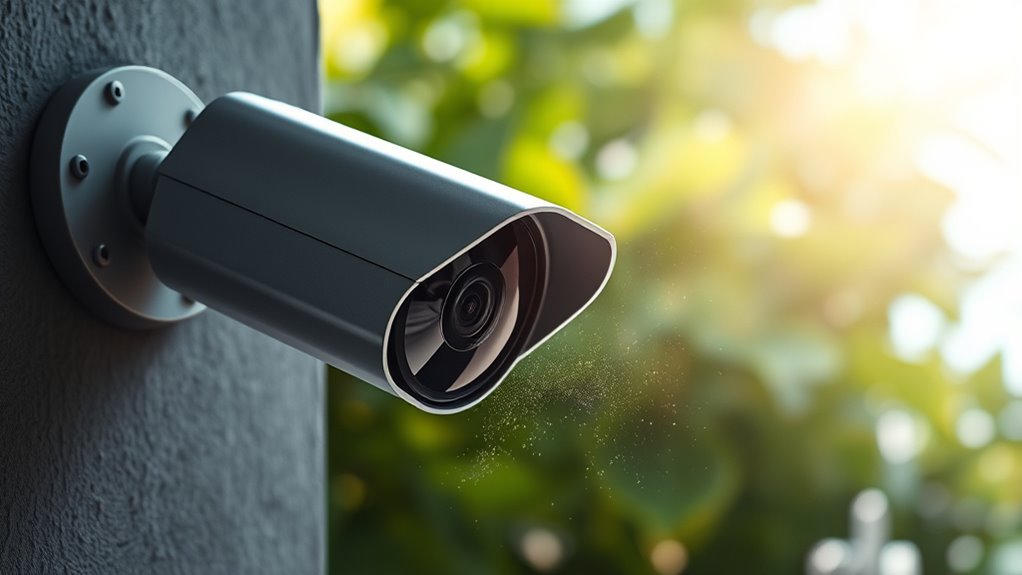
Over-sensitivity in alarm systems can cause them to react to minor or irrelevant changes, leading to unnecessary alerts. Sensitivity issues often result from improperly calibrated sensors or outdated equipment, making alarms misinterpret normal environmental fluctuations as threats. For example, slight temperature shifts or small vibrations may trigger alarms if the system is too sensitive. This over-sensitivity increases false alarms, causing frustration and reduced trust in the system. Alarm misinterpretation occurs when sensors mistake harmless movements or changes for security breaches, prompting unwarranted alerts. To reduce these unnecessary triggers, you need to adjust sensitivity settings appropriately and ensure your equipment is well-maintained. Proper calibration minimizes alarm misinterpretation and helps prevent false alarms caused by over-sensitivity. Regular maintenance and updates can also help keep sensors functioning accurately and reduce sensor sensitivity issues.
What Environmental and External Influences Contribute to False Alarms?

Environmental and external factors can easily set off false alarms, so it’s important to understand their impact. Weather changes can affect sensor readings, while obstructions may block signals or create false triggers. Additionally, external noise sources like traffic or machinery can cause alerts even when there’s no real threat. Properly maintaining your home’s sensors can help minimize these false alarms and improve system reliability. Regularly checking sensor calibration ensures accurate detection and reduces false positives.
Weather Fluctuations Impact Sensors
Weather fluctuations can markedly influence sensor performance, often leading to false alarms. Variations in weather patterns, such as rapid temperature shifts, high humidity, or strong winds, can cause sensors to misinterpret signals. These external environmental changes may trigger sensor malfunctions or produce spurious readings, prompting unnecessary alerts. To mitigate this, consider:
- Implementing weather-resistant sensor enclosures to shield against harsh conditions
- Regularly calibrating sensors to account for seasonal weather variations
- Using advanced filtering algorithms to distinguish genuine threats from weather-induced signals
- Maximizing your truck bed’s potential by ensuring that sensor placement and protective measures are optimized for varying weather conditions
Additionally, selecting sensors with weather tolerance specifications can significantly reduce the likelihood of false alarms caused by environmental factors.
Environmental Obstructions Interfere
External objects and obstructions can easily trigger false alarms by blocking sensors or creating confusing signals. Poor sensor placement often leads to obstruction effects, where furniture, plants, or debris interfere with sensor lines of sight or detection ranges. If sensors are installed too low or in crowded areas, they risk being blocked or misled by environmental elements. Additionally, items like curtains, snow, or debris can reflect or absorb signals, causing false triggers. To reduce these issues, carefully consider sensor placement, ensuring clear, unobstructed views of monitored areas. Regularly inspect and clear obstructions, and avoid installing sensors near objects prone to movement or environmental buildup. Proper placement and maintenance help minimize obstruction effects, improving sensor accuracy and reducing false alarms. Incorporating regular maintenance routines can further help identify potential sources of false triggers before they occur.
External Noise Triggers Alerts
Sensors can also be triggered by external noises that aren’t related to actual security threats. Environmental factors like wildlife interference or electrical noise often cause false alarms. For example, animals wandering near sensors can set off motion detectors unexpectedly, while electrical interference from nearby devices can create false signals. These external disturbances may seem minor but considerably impact alarm accuracy. To reduce such triggers, consider the following:
- Install sensors away from animal pathways and wildlife habitats
- Use shielded or noise-resistant equipment to minimize electrical interference
- Regularly maintain and calibrate sensors to distinguish between real threats and environmental noise
- Incorporate advanced detection technology that can differentiate between genuine threats and environmental disturbances
Being mindful of these external influences helps improve alarm reliability and reduces false alerts caused by environmental and external noise sources.
How Can You Fine-Tune and Calibrate Your Alert Systems?

To effectively reduce false alarms, you need to fine-tune and calibrate your alert systems regularly. Start with sensor calibration to ensure sensors provide accurate readings; over time, sensors can drift, leading to false triggers. Check and adjust sensor sensitivity settings based on environmental conditions. System tuning involves reviewing alarm thresholds and response parameters, making sure they match the specific context of your environment. Regular maintenance, such as cleaning sensors and inspecting connections, also helps prevent false alarms caused by dirt or faulty wiring. Document any changes you make so you can track what works best. Additionally, incorporating smart‑home integration can help automate and optimize system responses, further reducing false alerts. Incorporating sensor positioning adjustments can also significantly improve detection accuracy by ensuring sensors are correctly placed and oriented for optimal coverage. Proper sensor calibration ensures that your system responds appropriately to actual threats while ignoring benign conditions. Regularly updating your firmware and software can also prevent system glitches that lead to false alarms. Furthermore, understanding the underlying sound wave interactions with sensors can improve calibration accuracy and system reliability. By consistently calibrating sensors and fine-tuning your system, you improve accuracy and reduce unnecessary alerts, keeping your system reliable and focused on genuine threats.
What Are the Best Practices to Minimize False Alarms?

Implementing best practices is key to effectively minimizing false alarms and maintaining system reliability. Proper sensor calibration guarantees your sensors respond accurately to real threats, reducing unnecessary triggers. Equally important is thorough user training, so operators understand system limitations and proper response protocols. To further minimize false alarms, consider these practices:
- Regularly perform sensor calibration to maintain accuracy
- Provide ongoing user training focused on recognizing false alarms and proper system use
- Implement layered detection protocols to filter out benign triggers
- Maintain system documentation and keep it accessible for troubleshooting and updates
- Conduct periodic reviews of alarm data to identify patterns and improve detection accuracy to prevent recurring false triggers
How Are New Technologies Helping Reduce False Alarms?

Advancements in technology are revolutionizing how false alarms are detected and reduced. AI integration plays a key role by analyzing patterns in alarm data, helping systems distinguish between real threats and false triggers. Predictive analytics further enhances this process by identifying potential false alarm causes before they occur, allowing proactive adjustments. With these tools, security systems learn from past incidents, continually improving their accuracy. For example, AI can filter out environmental factors like pets or weather, minimizing unnecessary alerts. These innovations enable you to rely more on your alarm system’s accuracy, reducing the frustration and disruption caused by false alarms. As technology advances, your security setup becomes smarter, more reliable, and better at protecting your property without the nuisance of false triggers.
Frequently Asked Questions
How Can User Behavior Impact the Frequency of False Alarms?
Your user habits directly impact false alarm frequency by influencing alert responsiveness. If you frequently ignore alerts or respond too slowly, the system may interpret this as a sign of a genuine emergency, increasing false alarms. To reduce them, stay attentive and respond promptly to alerts, which helps the system distinguish between real threats and false triggers. Consistent alert responsiveness guarantees better system accuracy and fewer false alarms over time.
What Role Does Maintenance Play in Preventing False Alerts?
Maintenance plays a vital role in preventing false alerts by ensuring your sensors function correctly. You should regularly perform preventive maintenance, including sensor calibration, to keep equipment accurate. Proper calibration eliminates sensitivity issues that cause false alarms, while routine maintenance helps identify and fix potential problems early. By staying proactive with maintenance, you reduce the chances of false alerts, keeping your system reliable and efficient.
Are There Specific Industries More Prone to False Alarms?
Certain industries, like healthcare and manufacturing, are more prone to false alarms due to industry biases and regulatory influences. You might notice that strict safety standards or complex systems increase false alert risks. These industries often prioritize safety and compliance, which can lead to overly sensitive alarms. To reduce false alarms, you should tailor alarm settings, consider industry-specific factors, and stay aware of regulatory guidelines that influence alarm sensitivity and response protocols.
How Do False Alarms Affect System Reliability Over Time?
False alarms can decrease your system’s reliability over time by causing sensor fatigue and desensitization. When sensor sensitivity is too high, it triggers unnecessary alerts, reducing trust in the system. Regular system calibration helps maintain peak sensitivity levels, ensuring accurate detection and minimizing false alarms. Over time, neglecting calibration can lead to decreased system performance, making you more vulnerable to real threats or failures. Proper maintenance keeps your system dependable and effective.
Can User Training Reduce False Alarm Occurrences?
Yes, user training can substantially reduce false alarm occurrences. For example, in a hospital setting, staff learned to differentiate between real emergencies and false triggers through targeted training programs. By increasing user awareness, you help users recognize genuine threats and avoid unnecessary alarms. Well-designed training programs empower you to respond appropriately, minimizing false alarms, improving system reliability, and ensuring prompt action when truly needed.
Conclusion
By understanding and addressing false alarms, you can prevent chaos that spirals out of control. Imagine a world where every alert is genuine, saving you time, money, and peace of mind—it’s possible! When you fine-tune your systems and embrace new tech, you’re not just reducing false alarms; you’re transforming your safety and efficiency into unstoppable forces. Don’t settle for false alarms—take control and turn your alerts into trusted allies!