
The home safety blind spot most people notice too late involves overlooked hazards like unsecured furniture, cords within reach, or blocked escape routes during emergencies. These subtle dangers often go unnoticed until an accident occurs. You might focus on obvious risks but neglect hidden ones that pose real threats. By staying alert and regularly inspecting your home, you can identify and address these dangers before it’s too late. Keep going to learn how to spot these hazards early.
Key Takeaways
- Unsecured furniture or cords in reach can cause accidents before adults realize the hazard.
- Hidden fire escape obstructions often go unnoticed until emergency situations occur.
- Overlooked electrical hazards like damaged wiring pose risks only when a fire or shock happens.
- Childproofing gaps, such as unprotected outlets or sharp corners, are frequently identified too late.
- Routine inspections often miss subtle hazards, increasing danger until an incident reveals the oversight.
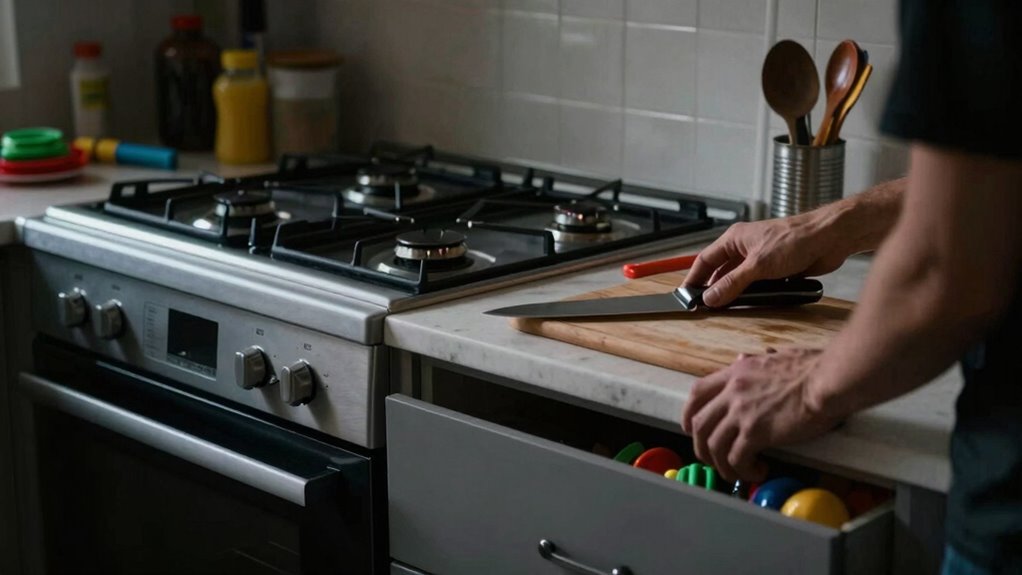
Many homeowners overlook certain safety risks in their homes, leaving what’s known as the “blind spots” of home security unaddressed. These are the dangers that often go unnoticed until it’s too late, especially when it comes to childproofing hazards. You might have installed sturdy locks and security systems, but if you haven’t thought about everyday risks like unsecured furniture or accessible outlets, your home isn’t fully safe. Children are naturally curious and quick to explore, so it’s essential to identify potential hazards—like sharp corners, choking hazards, or toxic substances—that could harm them. Childproofing isn’t just about installing safety gates; it’s about thoroughly inspecting your entire environment and removing or securing anything that could cause injury. Often, parents focus on obvious dangers but forget the subtle ones—like cords within reach or unstable bookcases that could topple over. Recognizing these blind spots can prevent tragic accidents before they happen. Paying attention to home safety blind spots, such as these, can significantly reduce the risk of accidents in your household. Incorporating home maintenance routines can also help in identifying hazards early on before they become serious issues. Regular inspections can reveal hidden dangers, like damaged wiring or loose fixtures, that might otherwise be overlooked. Additionally, home safety technology such as smart cameras or sensors can alert you to unusual activity or hazards, adding an extra layer of security.
Another vital safety blind spot that homeowners often neglect is fire escape planning. You might think having smoke detectors is enough, but many underestimate how quickly a fire can block escape routes, or how confusing it can become during an emergency. It’s easy to assume that everyone knows the plan, but in a real fire, panic can set in, and confusion can lead to delays or dangerous decisions. Proper fire escape planning involves more than just having exits; it requires practicing escape routes regularly, ensuring all family members know what to do, and keeping escape routes clear of clutter. You should also establish a designated meeting place outside your home, so you can quickly account for everyone. Many forget to review and update the plan periodically, especially after renovations or if new members join the household. Regularly reviewing safety protocols** and updating your plan based on new circumstances can help prevent oversight during emergencies. Additionally, keeping emergency supplies accessible and in a known location can make a critical difference in urgent situations. Failing to do so leaves a significant oversight in your home safety strategy. Incorporating fire safety technology**, such as smart smoke detectors or connected alarms, can provide additional alerts and peace of mind during emergencies.
In the end, these overlooked areas—childproofing hazards and fire escape planning—are often the last ones you think about, but they can make the difference between safety and tragedy. Addressing these blind spots involves constant vigilance and proactive planning. Don’t wait until an emergency exposes your vulnerabilities; instead, routinely inspect your home, update safety measures, and educate everyone in your household about these vital safety protocols. Recognizing these blind spots now can save lives later, and that’s a home safety investment you can’t afford to ignore.

Safety 1st Electrical Outlet Baby Proof Covers, Secure Outlet Plugs, Baby Proofing, 36 Count
CHILD PROOF YOUR HOME: Keep sharp objects and curious fingers from electrical outlets with Safety 1st's baby-proofing outlet…
As an affiliate, we earn on qualifying purchases.
As an affiliate, we earn on qualifying purchases.
Frequently Asked Questions
How Can I Identify My Home’s Safety Blind Spots?
To identify your home’s safety blind spots, walk through each room and check for hidden fire hazards, like overloaded outlets or flammable materials. Make certain emergency exits are clear and accessible, and test smoke detectors regularly. Look for areas where you might trip or fall, and evaluate if your escape routes are well-marked. Regularly inspecting these spots helps you spot safety risks before they become emergencies.
What Common Household Areas Are Often Overlooked for Safety?
You often overlook areas like the laundry room, basement, or garage, which hide hazards like slippery floors, exposed wires, or clutter that cause accidents. Kitchen counters and staircases also pose safety blind spots if not properly secured or lit. Regularly inspect these spots for hidden hazards, ensuring you address safety blind spots before an accident occurs. Staying proactive helps keep your home safe and prevents injuries from unnoticed dangers.
Are There Affordable Devices to Improve Home Safety Awareness?
You might be surprised to find affordable options like smart sensors and security cameras that boost your home safety awareness. These devices actively alert you to hazards or intruders, catching dangers before they escalate. With prices dropping, it’s easy to invest in technology that keeps your family protected without breaking the bank. Don’t wait until it’s too late—smart sensors and security cameras are your first line of defense, offering peace of mind today.
How Frequently Should Safety Assessments Be Performed?
You should perform a safety assessment at least once a year, or more frequently if you’ve made significant changes to your home. During a risk assessment or safety audit, identify potential hazards and address them promptly. Regular evaluations help you stay ahead of hazards, especially those related to the home safety blind spot. Consistent checks guarantee your home remains a safe environment for everyone, reducing the chance of accidents.
What Are Signs of a Hidden Safety Hazard in My Home?
You might notice signs of hidden safety hazards like flickering lights, burning smells, or scorch marks, which could indicate a fire hazard or electrical safety issue. Loose outlets, exposed wiring, or overloaded circuits are also warning signs. Regularly inspecting your home for these issues helps prevent accidents. If you spot anything unusual, address it promptly and consider consulting a professional to guarantee your home remains safe from electrical or fire hazards.

First Aid Only 91248 OSHA-Compliant First Aid Kit, All-Purpose 50-Person Emergency First Aid Kit for Business, Worksite, Home, and Car, 260 Pieces
OSHA-Compliant Emergency Kit: Includes supplies including bandages, gauze, butterfly closures, burn cream packets, antibiotic ointment, BZK antiseptic towelettes,…
As an affiliate, we earn on qualifying purchases.
As an affiliate, we earn on qualifying purchases.
Conclusion
Don’t wait until tragedy strikes to realize you’ve overlooked your home’s safety blind spot. Like a shadow lurking in the corner, it’s easy to ignore until it’s too late. By staying vigilant and proactive, you can turn that shadow into light, illuminating every hidden danger before it catches you off guard. Remember, safety isn’t just a checklist—it’s the silent guardian whispering, “Be prepared.” Act now, and let your home’s safety shine brighter than ever.

Kidde Fire Escape Ladder, 2-Story Rope Ladder, Extends to 13-Feet, Anti-Slip Rungs
Easy to use fire ladder – attaches quickly to most common windows (up to 11 inches deep &…
As an affiliate, we earn on qualifying purchases.
As an affiliate, we earn on qualifying purchases.

Cismorvex 3 Pack Outdoor Extension Cord Safety Cover with Waterproof Seal IP54 Water-Resistant, Weatherproof Electrical Connection Box with 2 Latches, Plug, Socket, Holiday Decoration Light, Black
Versatile: External size for this extension cord cover is 2.51" x 3.24" x 7.45" and its inner size…
As an affiliate, we earn on qualifying purchases.
As an affiliate, we earn on qualifying purchases.