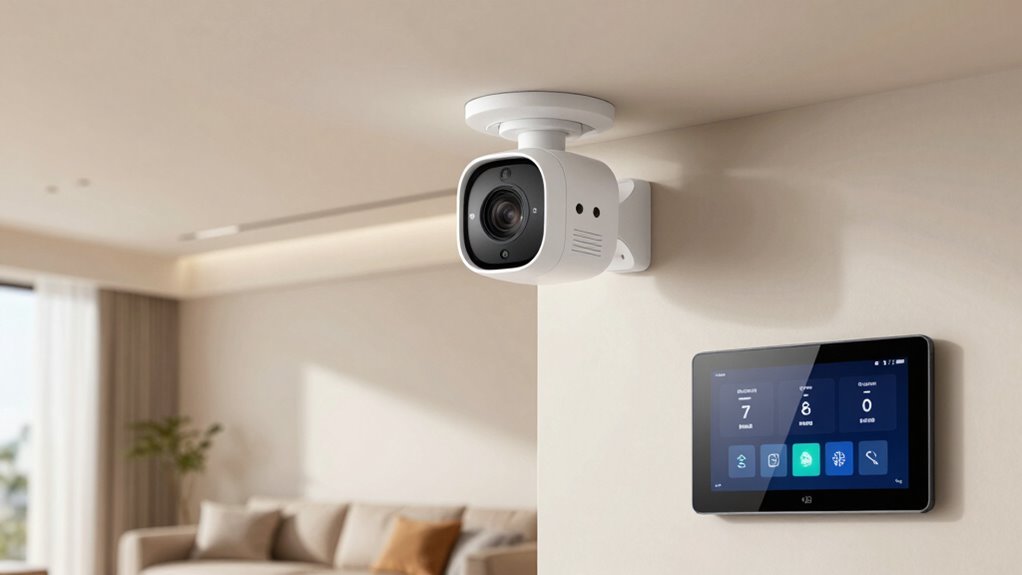

When choosing a home camera system, guarantee it’s compatible with your existing smart home setup and supports controlling multiple devices via one app. Check for strong security features, like encryption and local storage options, to protect your privacy. Look for high-quality video with night vision and easy installation. Consider if the system can scale easily and offers good support. For a thorough understanding of what to prioritize, continue exploring key factors to make an informed choice.

Get the latest gadgets delivered free — and shop member deals
- Fast, free delivery on millions of items
- Access to Prime Big Deal Days deals on October 6–7
- Prime Video, Amazon Music and more included
Key Takeaways
- Ensure compatibility with your existing smart home devices and automation routines.
- Verify robust encryption, secure cloud storage, and clear privacy policies.
- Check video quality, night vision, wide-angle coverage, and ease of installation.
- Confirm the system’s scalability, support options, and regular software updates.
- Prioritize features that balance security, privacy, and monitoring needs.
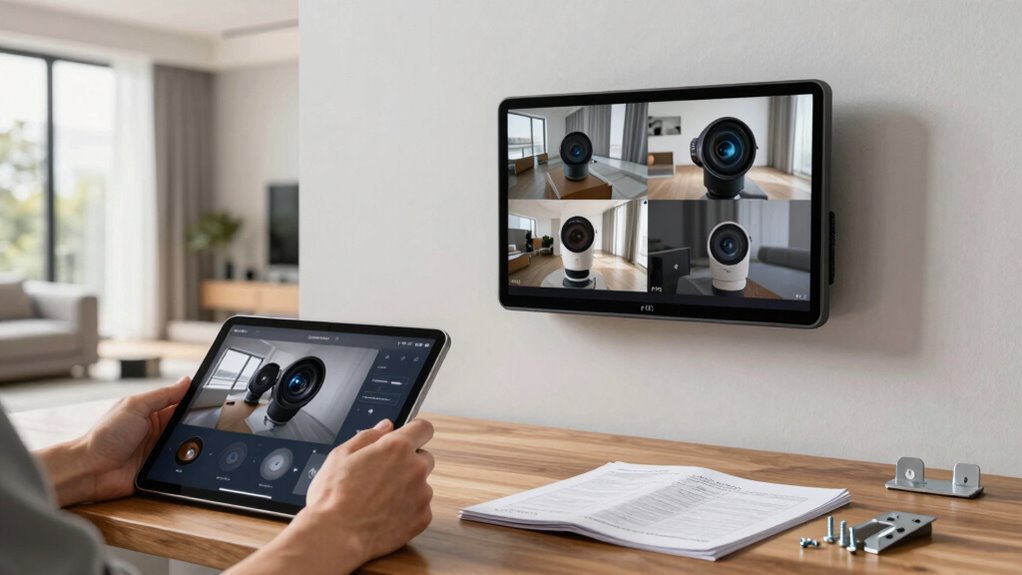
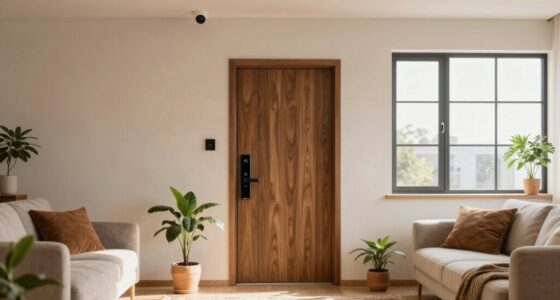
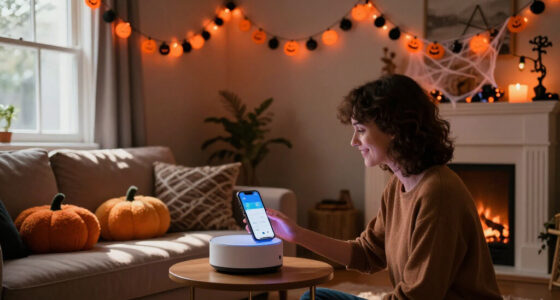
Are you overwhelmed by the number of home camera systems available? With so many options on the market, it’s easy to feel lost trying to pick the right one. Before making a purchase, it’s essential to consider how well the system integrates with your existing smart home setup. Smart home integration isn’t just a convenience; it’s about creating a seamless ecosystem where your cameras work smoothly alongside your smart lights, locks, and thermostats. When your camera system is compatible with your preferred smart home platform, you can control everything from a single app, receive real-time alerts, and even automate responses. For example, you could set your cameras to activate when your door lock is engaged or when motion is detected near entry points. Compatibility, therefore, is a key factor to ensure the system enhances your home automation rather than complicates it.
Equally important is ensuring that your choice upholds your privacy and security. A home camera system should protect your data with robust encryption and secure cloud storage options. Look into whether the manufacturer offers end-to-end encryption, as this prevents unauthorized access to your footage. Remember, cameras are meant to keep your home safe, but if the system itself isn’t secure, it could become a vulnerability. Also, examine the privacy policies to understand how your data will be used and stored. Some providers might share footage with third parties or retain data longer than necessary, which can compromise your privacy. Opt for systems that prioritize user privacy and offer local storage options if you prefer to keep footage in-house. Additionally, considering the security features of the system can help ensure your data remains protected from potential threats. Furthermore, assessing the update and support policies of the manufacturer can help ensure your system remains secure against emerging threats over time. Staying informed about software updates can also help improve functionality and patch security vulnerabilities promptly. Incorporating systems with reliable security protocols can further strengthen your overall home security. Regularly reviewing the manufacturer’s reputation for security practices can also provide peace of mind that your data is in trusted hands.
Beyond privacy and integration, consider the camera’s video quality and field of view. High-definition footage ensures you can clearly identify faces or license plates, while a wide-angle lens covers more area with fewer cameras. Check whether the system supports features like night vision and motion detection, which are crucial for around-the-clock monitoring. Ease of installation is another factor—look for systems that are user-friendly and don’t require complicated wiring or professional setup unless you’re comfortable with it.
Finally, think about the system’s scalability and support. Will it be easy to add more cameras later? What kind of customer support does the manufacturer offer? These questions help ensure that your investment remains flexible and well-supported over time. In short, making an informed choice involves balancing smart home compatibility, privacy, security, and practical features to find a system that truly fits your needs.
wireless home security camera system
As an affiliate, we earn on qualifying purchases.
As an affiliate, we earn on qualifying purchases.
Frequently Asked Questions
How Do I Ensure My Home Camera System Is Secure From Hacking?
Think of your home camera system as a fortress—strengthen its defenses to keep hackers out. You guarantee security by choosing cameras with strong encryption protocols, making data unreadable to outsiders. Regularly update firmware and change default passwords, practicing good password management to avoid easy-to-guess combinations. Enable two-factor authentication if available, and keep an eye on security notices. These steps turn your system into an unbreakable shield protecting your home.
Are There Legal Restrictions on Installing Cameras in Private Areas?
Yes, there are legal restrictions on installing cameras in private areas. You need to comply with privacy laws and surveillance regulations, which typically prohibit recording in private spaces like bathrooms or bedrooms without consent. Always check local laws before installing cameras, especially in shared or public areas. Respect others’ privacy rights to avoid legal issues, and inform neighbors if your cameras capture shared or public spaces.
Can the System Integrate With Existing Smart Home Devices?
They say, “The proof of the pudding is in the eating,” and that’s true for smart home systems. You want a camera system that seamlessly integrates with your existing smart devices, ensuring smart device compatibility. Check if it offers a user interface design that’s intuitive and easy to navigate. A system that works well with your current setup saves time and headaches, making your home smarter and more secure effortlessly.
What Is the Typical Lifespan of a Home Camera?
The typical lifespan of a home camera ranges from 3 to 7 years, depending on factors like camera placement and power sources. If your camera is placed outdoors, it may face harsher conditions that shorten its lifespan. Cameras powered by rechargeable batteries often need replacements sooner, while wired cameras with consistent power sources tend to last longer. Regular maintenance and choosing quality models can extend your camera’s useful life.
How Much Bandwidth Is Required for High-Definition Streaming?
For high-definition streaming, you need about 2 to 4 Mbps of bandwidth per camera, depending on the resolution and compression. Higher streaming quality demands more bandwidth to guarantee smooth playback without lag or buffering. If you have multiple cameras, consider your total bandwidth capacity to prevent network congestion. Monitoring your connection and adjusting streaming quality can help maintain peak performance and clear, crisp video feeds.
smart home compatible security cameras
As an affiliate, we earn on qualifying purchases.
As an affiliate, we earn on qualifying purchases.
Conclusion
Remember, a stitch in time saves nine. Before choosing a home camera system, take the time to research features, guarantee compatibility, and read reviews. Investing thoughtfully now can save you headaches later. Don’t rush into a decision—your home’s security depends on it. By being thorough, you’ll find a system that fits your needs and provides peace of mind. After all, a well-prepared home is a safe home.
security cameras with night vision and local storage
As an affiliate, we earn on qualifying purchases.
As an affiliate, we earn on qualifying purchases.
As an affiliate, we earn on qualifying purchases.
Evergreen bestsellers Picks
bestsellers
As an affiliate, we earn on qualifying purchases.