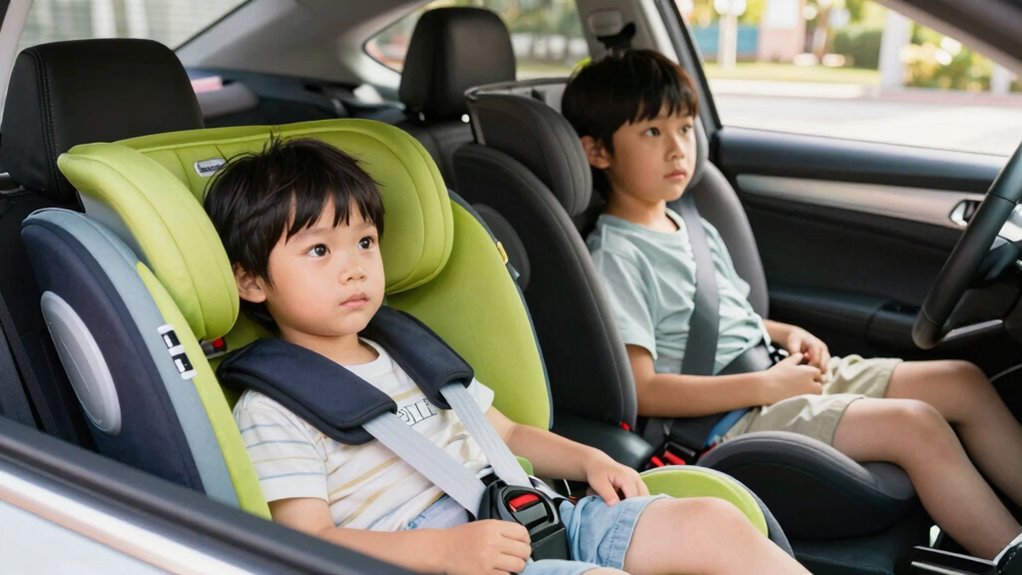

As your child grows, their travel safety needs change from using rear-facing car seats to booster seats, requiring proper installation and understanding. You’ll teach them rules like staying close and recognizing safe strangers. As they gain independence, focus on safety education, basic first aid, and emergency plans tailored to their age. Their environment also becomes part of safety, with lessons on natural hazards and spotting safe spots outdoors. To keep your child’s safety at every stage, learn more about adapting your approach.

Get the latest gadgets delivered free with Prime
- Fast, free delivery on millions of items
- Prime Video, Amazon Music and more included
- Member-only deals all year
Key Takeaways
- Safety gear evolves from rear-facing car seats to booster seats, requiring proper use and installation at each stage.
- Older children gain independence, necessitating safety education about environment, hazards, and responsible behaviors.
- Emergency preparedness strategies adapt, involving kids in planning, communication, and carrying age-appropriate safety kits.
- Awareness of natural and environmental hazards increases, teaching children to identify safe spots and handle outdoor risks.
- Travel safety approaches become more flexible, matching gear and strategies to child’s growth, confidence, and exploration level.
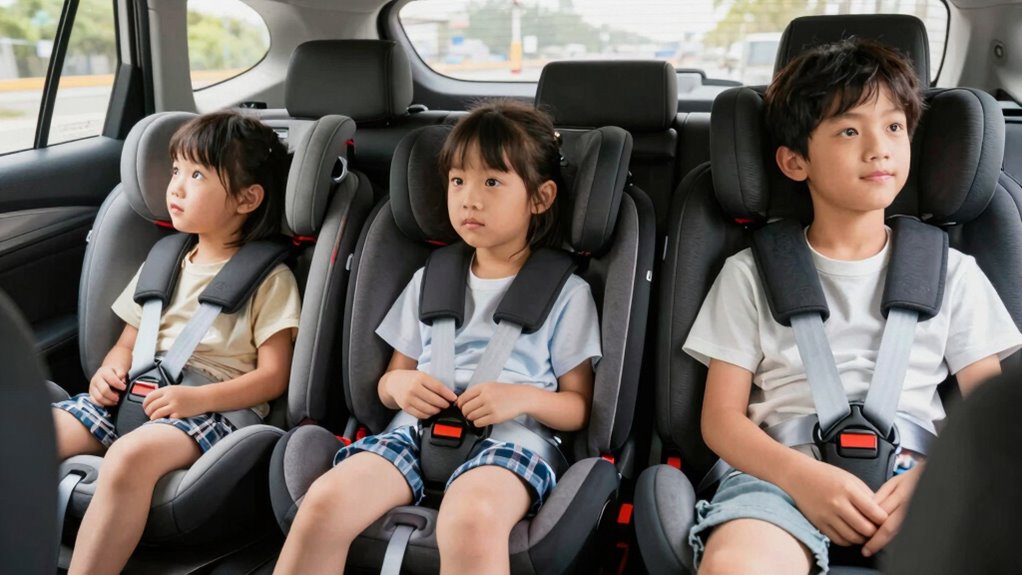
Have you ever wondered how your child’s safety needs evolve as they grow? When they’re little, everything revolves around keeping them secure—think car seats, harnesses, and snug strollers. Their travel gear is designed for maximum protection, with safety features tailored specifically for infants and toddlers. As they grow, their needs shift, and so should your approach to travel safety. You’ll find that what worked for a baby or toddler might not suit a school-age child or a tween anymore. It’s essential to stay adaptable, especially when considering emergency preparedness on the go. Being ready for unexpected situations becomes even more critical as your child gains independence and explores more on their own.
Child safety needs evolve with age; stay adaptable and prepared to ensure secure travels at every stage.
In the early years, your focus is on physical safety. You rely heavily on travel gear like rear-facing car seats, booster seats, and child harnesses to keep them secure during trips. These items are designed to prevent injuries in case of sudden stops or accidents. But as your child gets older, they often want more freedom, and their safety gear needs to evolve accordingly. Instead of car seats, they might transition to booster seats, which require proper installation and understanding. You’ll also want to teach them about safety rules, like staying close in crowded places and recognizing safe strangers, which becomes part of your emergency preparedness plan. For older children, carrying first aid kits and teaching them basic safety skills are vital steps. You want them to be comfortable taking some responsibility for their safety, especially when they’re traveling with friends or on school trips. Incorporating biodiversity awareness into safety discussions can also help children better understand their environment and recognize potential hazards related to natural settings.
Emergency preparedness isn’t just about having the right gear—it’s about instilling confidence and knowledge. As your child matures, you can involve them in planning emergency procedures, such as knowing how to reach local emergency numbers or finding safe spots in unfamiliar environments. You might pack a small emergency kit tailored to their needs, including snacks, water, and comfort items. Teaching them how to communicate if they’re lost or in trouble is crucial, especially as they start navigating new places more independently. Incorporating jewelry sterilization and safety can be critical if they wear body jewelry, especially during travel, to prevent infections and ensure their overall safety. Also, familiarizing children with emergency communication devices like walkie-talkies or mobile apps can improve their ability to stay connected during outings. Additionally, teaching children about natural hazards specific to the areas they visit can further empower them to make safe choices. Recognizing the importance of age-appropriate safety education helps children build the skills needed to handle various situations confidently.
Ultimately, your approach has to evolve alongside your child’s growth. Their travel gear needs to match their size and level of independence, and your emergency preparedness strategies should foster confidence without causing anxiety. By staying informed and adaptable, you ensure that each journey becomes a safe, positive experience—one that supports their development and keeps their safety at the forefront.
Products Worth Considering

Amazon Kindle Paperwhite (12th Generation, 2024), 16 GB, 7-inch Display, Jade

Amazon Kindle Scribe Colorsoft 64GB (1st Generation)

Apple iPad Air 13-inch (M4), 128GB, Wi-Fi 7, Space Gray
As an affiliate, we earn on qualifying purchases.
Frequently Asked Questions
When Should I Transition From a Car Seat to a Booster Seat?
You should shift your child from a car seat to a booster seat once they outgrow the car seat regulations, usually around age 4 to 8, and meet the booster seat guidelines. Your child’s shoulders should be at or above the top harness slot, and they must be tall enough to sit properly with the seat belt. Always follow the manufacturer’s weight and height limits for safety.
Are There Different Safety Rules for Traveling With Teenagers?
When traveling with teenagers, safety rules shift to focus on teen safety and respecting travel boundaries. You need to guarantee seat belts are always worn, enforce rules about phone use, and set limits on where they can go unsupervised. Encourage open communication, establish clear expectations, and promote responsible behavior. By doing so, you help your teen develop independence while maintaining their safety and respecting boundaries during trips.
How Can I Keep Younger Children Entertained During Long Trips?
To keep younger children entertained during long trips, bring in-flight entertainment like tablets, coloring books, or audiobooks. Snack strategies also work well—pack a variety of healthy and fun snacks to keep them occupied and satisfied. Engage them with simple games or storytelling, and plan regular breaks for stretching. These tips help make the journey enjoyable for your little ones, reducing fuss and keeping them happy on the road.
What Safety Precautions Are Needed for Traveling With Infants?
You should prioritize safety by always using an infant car seat that’s properly installed; statistics show they reduce injury risk by 71%. Pack travel gear essentials like a well-fitted harness, sun shades, and a secure stroller. Confirm the car seat is rear-facing, and never leave your infant unattended in a vehicle. Keep a close eye on your baby, and make frequent stops to check on their comfort and safety during the trip.
How Do Travel Safety Needs Differ for Children With Special Needs?
When traveling with children with special needs, you need to prioritize adaptive restraints and sensory accommodations. You might choose specialized car seats or harnesses that suit their unique requirements, ensuring safety and comfort. Additionally, consider sensory-friendly environments, like quiet spaces or familiar items, to reduce stress. Your goal is to create a safe, accommodating space that addresses their specific needs, making travel less overwhelming and more enjoyable for everyone.
Conclusion
As your child grows, their travel safety needs evolve in surprising ways. Just when you think you’ve got it all figured out, new challenges pop up—like teenagers wanting independence or older kids managing crowded airports. Ironically, the more confident you become, the more you realize that keeping them safe is an ongoing, unpredictable adventure. So, embrace the surprises, stay vigilant, and remember—sometimes the biggest safety lesson is learning to adapt as they grow up before your eyes.