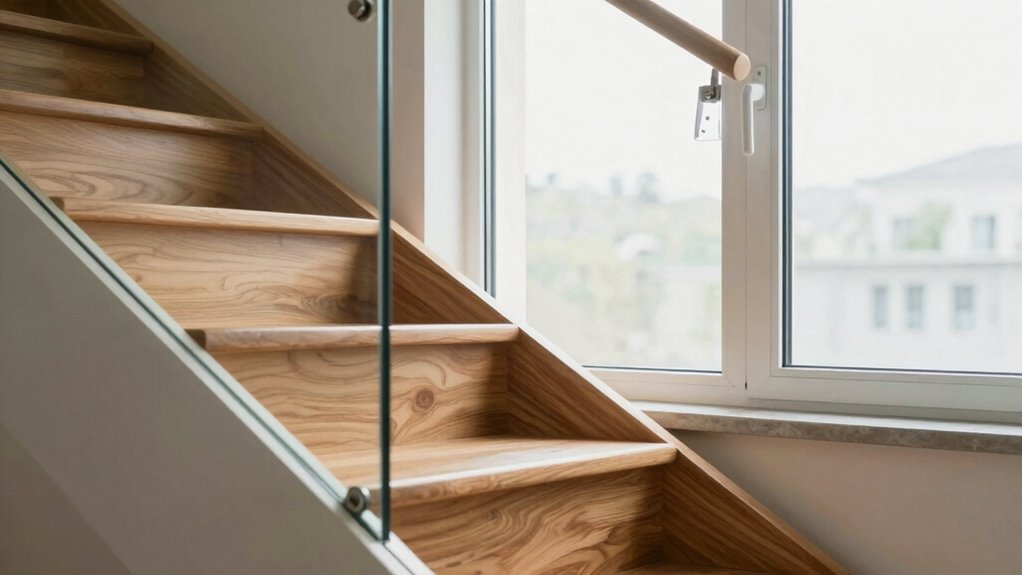

You should give equal attention to stair and window safety because overlooking either can cause serious accidents, especially for children. Stairs are common fall spots, and open windows can lead to falls or escapes during emergencies. Using childproof devices, sturdy barriers, and regular maintenance can prevent these hazards. By addressing both areas, you create a safer home environment. Keep going to discover practical safety tips that can protect your loved ones even further.

Get the latest gadgets delivered free with Prime
- Fast, free delivery on millions of items
- Prime Video, Amazon Music and more included
- Member-only deals all year
Key Takeaways
- Both stairs and windows are common fall hazards, especially for children, requiring equal safety measures.
- Unsecured windows and unsafe stairs can lead to severe injuries or fatalities.
- Implementing childproof devices on both features creates comprehensive home safety.
- Regular maintenance of stairs and windows prevents deterioration and potential accidents.
- Treating stair and window safety equally fosters a safer, more secure living environment for all.
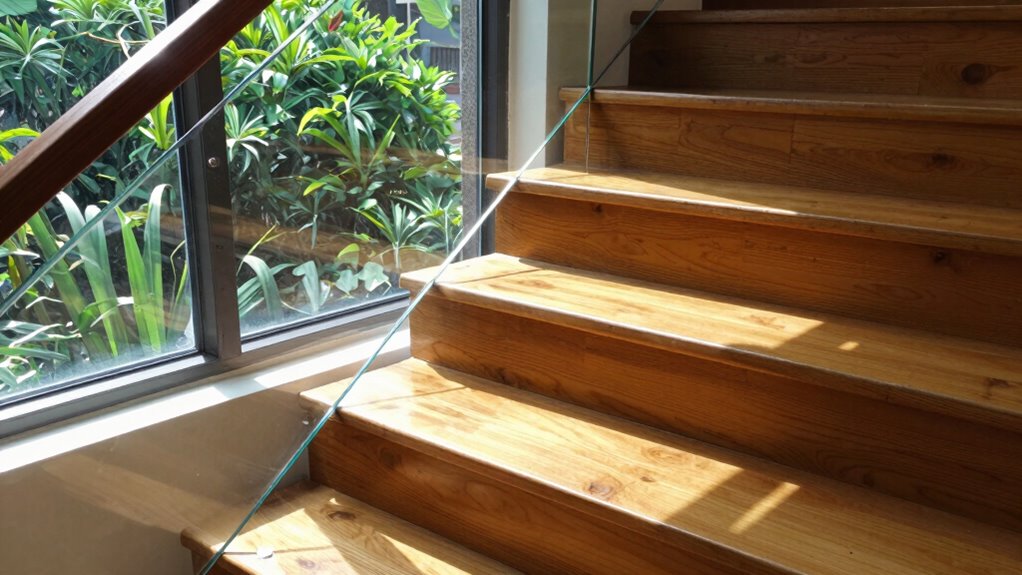
Have you ever considered how much safety hinges on simple precautions around stairs and windows? It’s easy to overlook these everyday features until an accident occurs. Stairs are common spots for falls, especially when little ones are involved. Similarly, windows can be a hazard if they’re left unsecured or open at the wrong height. To protect your family, you need to treat stair and window safety with equal importance, making certain both areas are secure and child-friendly.
Childproof locks are indispensable for preventing children from accessing unsafe areas. Installing these locks on windows keeps curious kids from opening them too wide or climbing out. They’re simple to use but provide an effective barrier against accidental falls. On stairs, childproof gates at the top and bottom create a physical barrier that stops children from tumbling down. Be sure to choose sturdy, well-installed gates that latch securely. These safety devices are your first line of defense and give you peace of mind, knowing your child can’t accidentally wander into danger.
Childproof locks and gates are essential for safe, secure home environments.
Windows, in particular, need more than just locks. Consider installing window guards or stops that limit how far windows can open. This prevents children from falling out, especially in multi-story homes. When windows are secure, you eliminate one of the most overlooked escape routes during emergencies like fires. An emergency escape plan involving windows is essential—if your main exits are blocked, a window can be your family’s saving grace. That’s why making certain windows are both secure and accessible for escape is crucial. Keep in mind that locks should be easy for adults to manipulate quickly in an emergency but difficult for children to open on their own. Additionally, proper ventilation and air quality can help maintain a safe indoor environment, reducing risks associated with poor air circulation during emergencies. Regular maintenance of stair and window safety features ensures they remain effective over time, preventing deterioration that could compromise safety. It’s also beneficial to educate family members about emergency procedures so everyone knows how to respond swiftly if needed. Moreover, choosing childproof safety devices that are tested and certified can further enhance your home’s security measures. To maximize safety, consider integrating safety education into your family routine so children learn to recognize hazards and respond appropriately.
Stairs, meanwhile, demand regular maintenance. Keep them free of clutter, ensure handrails are sturdy, and use non-slip treads. Children often stumble or trip on stairs, making these precautions imperative. When you combine good physical safety measures with childproof locks and window guards, you create a full safety net for your home. Remember, the goal isn’t just to prevent accidents but also to create a space where your family can feel secure and confident. Both stairs and windows are key points of safety, and giving them equal attention makes your home a safer place for everyone. Ultimately, simple precautions like childproof locks and thoughtful design can make all the difference in safeguarding your loved ones.
As an affiliate, we earn on qualifying purchases.
Frequently Asked Questions
How Can I Assess My Home’s Overall Safety Risks?
To assess your home’s overall safety risks, start with a thorough safety checklist, inspecting every room for potential home hazards. Check stairs for loose handrails, uneven steps, or slippery surfaces, and examine windows for secure locks and proper screens. Look for tripping hazards, fire risks, and electrical issues. Regularly evaluating these areas helps you identify hazards early, ensuring your home remains safe for everyone.
Are There Specific Safety Standards for Different Age Groups?
Yes, there are age-specific guidelines to guarantee safety compliance for different age groups. For children, safety standards focus on childproof locks, soft-edged furniture, and window guards, while for seniors, they emphasize non-slip flooring, sturdy handrails, and easy-to-reach controls. You should regularly review these guidelines to adapt your home for each age group’s needs, helping prevent accidents and promote a safer environment for everyone.
How Often Should Safety Features Be Inspected or Replaced?
You should check safety gear and safety features regularly—at least once a month—and replace worn-out parts promptly. Consistent inspections help catch concerns early, preventing potential problems. Keep emergency plans updated and accessible, ensuring everyone knows safety procedures. By maintaining your safety gear and reviewing your emergency plans, you create a secure space, reducing risks and reinforcing readiness for any unexpected situations. Regular upkeep keeps safety simple, swift, and secure.
What Are Cost-Effective Safety Improvements for Renters?
You can enhance safety with affordable upgrades and DIY solutions. Install non-slip treads on stairs to prevent falls, and add window locks or stops to secure windows. Regularly check these features for wear and tear, replacing or repairing as needed. These simple, cost-effective measures don’t require professional help and substantially boost safety, giving you peace of mind without breaking the bank.
How Can I Involve Children in Safety Education?
Think of involving children in safety education as planting a seed that grows into awareness. You can encourage child participation by making safety lessons fun through safety games, which turn learning into an engaging activity. Use interactive stories or role-playing to teach them about hazards. These methods help children internalize safety habits, making them more likely to remember and apply what they learn in real life, fostering a safer environment for everyone.
As an affiliate, we earn on qualifying purchases.
Conclusion
Remember, both stairs and windows pose risks that can be easily overlooked. Did you know that falls from windows account for nearly 3,300 injuries annually in the U.S.? By giving equal attention to stair and window safety, you can markedly reduce your family’s risk of accidents. Stay vigilant—install sturdy handrails, secure windows, and keep an eye on children. A small effort today can prevent a heartbreaking accident tomorrow. Safety starts with you.
As an affiliate, we earn on qualifying purchases.
childproof door and window locks
As an affiliate, we earn on qualifying purchases.
As an affiliate, we earn on qualifying purchases.
Halloween Picks
halloween
As an affiliate, we earn on qualifying purchases.