

To build a safer after-school routine, set clear boundaries on device use and social interactions, and plan activities in advance including homework, chores, and physical activity. Check in regularly with your teen about their plans and friends to show you care and build trust. Encourage open conversations about peer pressure and online behavior. Creating a structured routine and a supportive environment helps your teen stay safe, responsible, and independent—keep exploring ways to support their well-being.

Get the latest gadgets delivered free with Prime
- Fast, free delivery on millions of items
- Prime Video, Amazon Music and more included
- Member-only deals all year
Key Takeaways
- Establish a structured daily schedule including homework, chores, physical activity, and relaxation to reduce unsupervised time.
- Set clear boundaries for technology use, including designated times for devices and online activities.
- Maintain open communication about plans, friends, and online behavior to foster trust and awareness.
- Supervise and check-in regularly on teens’ activities and social interactions to ensure safety.
- Encourage teens to choose friends with positive values who support healthy decisions and boundaries.
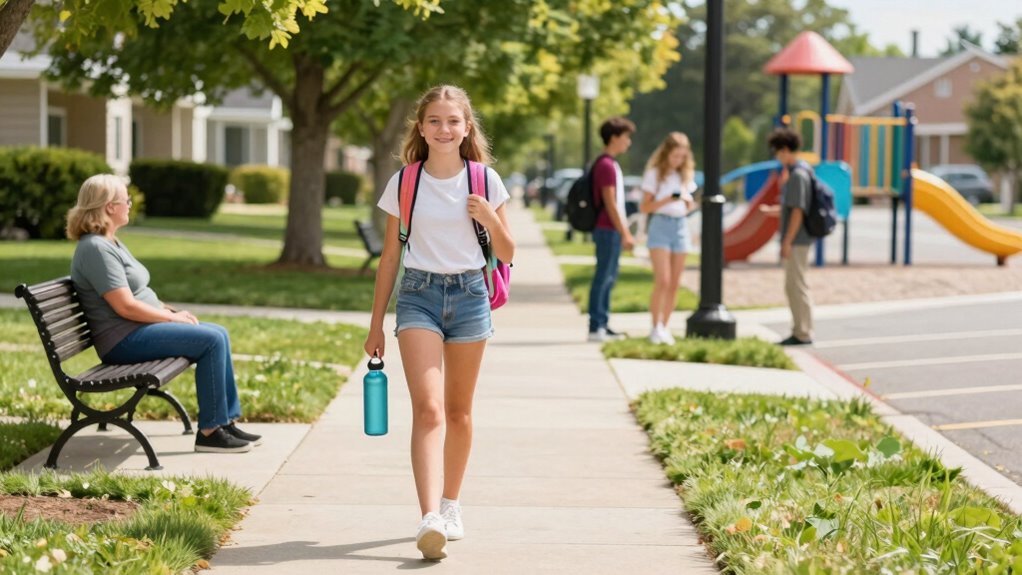
After school is an essential time for teens to unwind, complete homework, and socialize, but it can also pose safety risks if not managed properly. As a parent or guardian, you need to be aware of how peer influence can shape your teen’s choices during this period. Friends can motivate positive activities or, unfortunately, encourage risky behavior. Encouraging your teen to spend time with friends who share their values helps steer them toward safer options. Open conversations about peer pressure can empower your teen to make independent decisions. Remind them that true friends respect boundaries and support their well-being.
Technology safety is another significant aspect of a safer after-school routine. Many teens spend hours on their phones, social media, or online gaming, which can expose them to cyberbullying, inappropriate content, or online predators. Setting clear boundaries around device use helps protect your teen. Establishing designated times for homework and leisure ensures they don’t get lost in endless scrolling or gaming marathons. Use parental controls and monitoring apps to keep track of online activity without invading their privacy. Teach your teen about the importance of privacy and responsible digital behavior, such as not sharing personal information or engaging in harmful conversations. Understanding the online environment can help them navigate social media safely. Additionally, discussing digital citizenship with your teen can foster respectful and responsible online interactions. Building awareness about online safety is crucial for helping your teen recognize potential risks and respond appropriately.
Creating a structured after-school routine is key to minimizing safety risks. When your teen knows what to expect, they’re less likely to wander into potentially dangerous situations. Encourage them to plan their afternoons ahead of time, including time for homework, chores, physical activity, and relaxation. This structure reduces the likelihood of them spending excessive time unsupervised or in unsafe environments. Additionally, providing a safe, welcoming space at home for your teen fosters open communication. When they feel comfortable sharing their experiences, you can better guide them through peer influence challenges and technology use.
Supervision and trust go hand in hand. While it’s important to give your teen independence, staying involved in their after-school activities demonstrates your concern and support. Check in regularly about their plans and who they’ll be with. Show genuine interest in their friends and activities, which helps you stay informed and build trust. Empower your teen to make safe choices by discussing hypothetical situations and emphasizing their ability to say no. By combining supervision, open dialogue, and clear boundaries, you help your teen develop a responsible, safe after-school routine that prepares them for future challenges.
As an affiliate, we earn on qualifying purchases.
Frequently Asked Questions
How Can Parents Monitor Teens’ Online Activity Safely?
You can monitor your teen’s online activity safely by setting clear online boundaries and using parental control tools. Talk openly about digital literacy, helping them understand responsible internet use. Encourage regular check-ins and foster trust, so they feel comfortable sharing their online experiences. Avoid invasive monitoring; instead, focus on guiding them and establishing mutual respect, which makes it easier to keep their online activities safe and responsible.
What Signs Indicate a Teen Needs Additional Emotional Support?
You’ll notice signs like withdrawal from friends or activities, drastic mood swings, or declining grades, which may indicate your teen needs extra emotional support. If they struggle with emotional resilience or seem overwhelmed by peer pressure, it’s important to step in. Open conversations, offer reassurance, and consider seeking help from a counselor if you see persistent signs of distress. Your support can help them build confidence and better manage their emotions.
How Do I Encourage Teens to Communicate Openly About Their Routines?
Respecting teen privacy can sometimes feel like walking a tightrope, but it’s essential for fostering open dialogue. You encourage teens to share by creating a trusting environment where they feel safe and heard. Show genuine interest without prying, ask open-ended questions, and listen actively. When they see you value their privacy and opinions, they’ll become more comfortable discussing their routines honestly, strengthening your connection and guiding them towards safer habits.
What Community Resources Are Available for After-School Safety?
You can explore community centers and local mentors as valuable resources for after-school safety. Community centers often offer supervised activities, clubs, and programs that keep teens engaged and protected. Local mentors provide guidance, support, and a positive role model, helping teens navigate challenges. Connecting teens with these resources encourages safe, constructive environments after school, fostering their development while reducing risky behaviors.
How Can Teens Develop Independence While Staying Safe?
You can develop independence and stay safe by setting clear personal boundaries, knowing what you’re comfortable with, and communicating them confidently. Practice good time management to balance school, activities, and leisure, ensuring you’re not rushed or distracted. Stay aware of your surroundings and trust your instincts. By managing your time wisely and respecting your boundaries, you build confidence while maintaining safety in your after-school routines.
online safety monitoring app for teenagers
As an affiliate, we earn on qualifying purchases.
As an affiliate, we earn on qualifying purchases.
Conclusion
So, while you carefully craft a safer after-school routine, remember—sometimes the biggest danger is thinking you’ve got everything under control. Ironically, in trying to keep your teen safe, you might accidentally make them feel overly restricted. The key is finding that sweet spot where they’re protected but still free to grow. After all, the best safety net is trust, not rules—so don’t forget to loosen up just enough to let them fly a little.
digital citizenship educational kit for teens
As an affiliate, we earn on qualifying purchases.
As an affiliate, we earn on qualifying purchases.
As an affiliate, we earn on qualifying purchases.
Halloween Picks
halloween
As an affiliate, we earn on qualifying purchases.