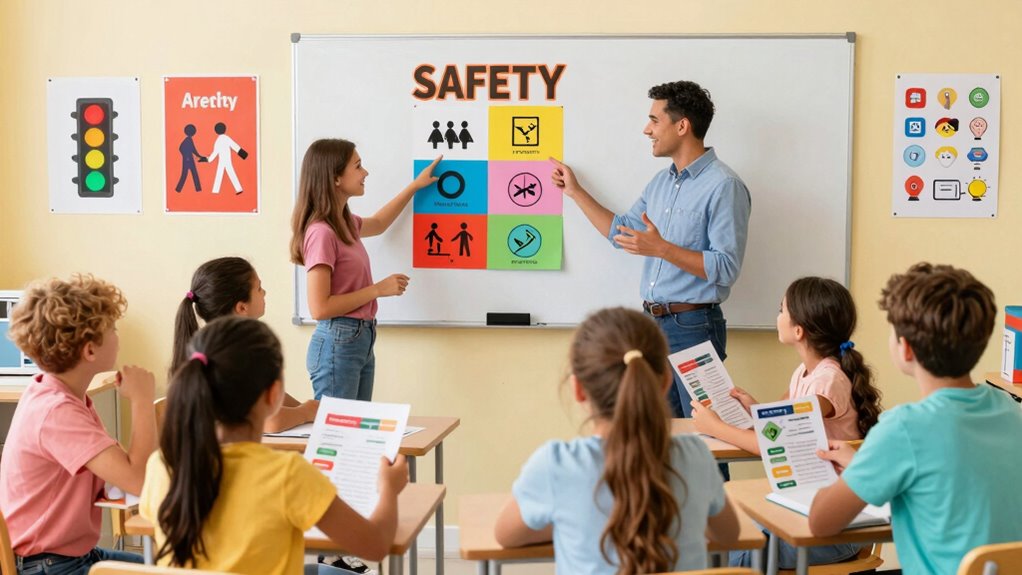

To create better safety scripts for kids and teens, focus on clear, relatable language that builds trust and encourages open dialogue. Incorporate current digital literacy skills like recognizing scams, managing privacy settings, and understanding online risks. Use real-life scenarios to teach emotional resilience and foster critical thinking. Keep your scripts flexible and updated as online threats evolve. If you want to guarantee your messages resonate and empower youth to stay safe, explore more effective strategies here.

Get the latest gadgets delivered free with Prime
- Fast, free delivery on millions of items
- Prime Video, Amazon Music and more included
- Member-only deals all year
Key Takeaways
- Incorporate current digital risks and platforms to ensure relevance and comprehensiveness.
- Use clear, relatable language and interactive questions to engage kids and teens effectively.
- Embed digital literacy skills like recognizing scams and managing privacy settings.
- Foster emotional resilience by normalizing feelings and teaching calm, confident responses.
- Regularly update scripts to reflect evolving online threats and technology trends.
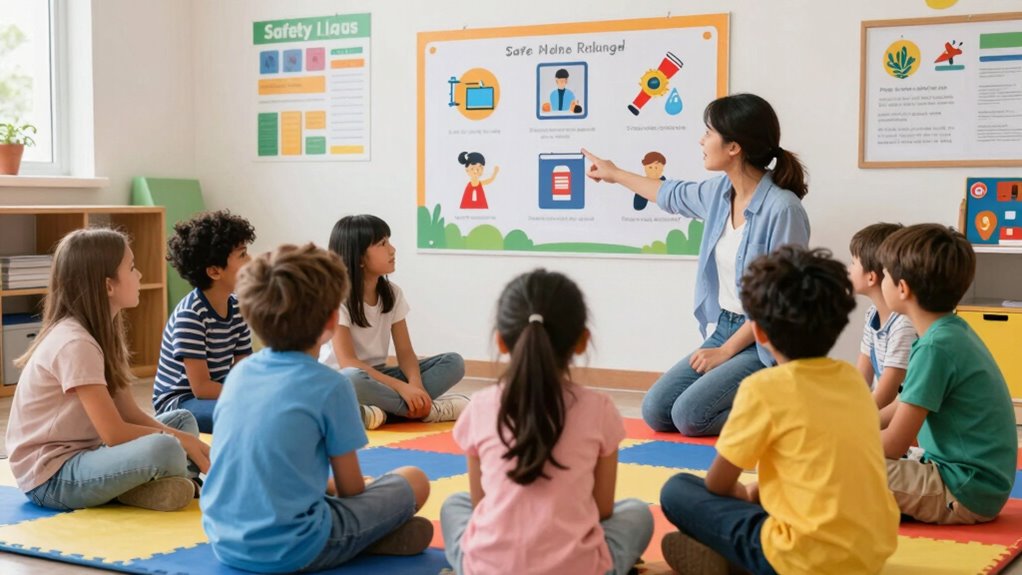
Have you ever wondered how to make safety conversations with kids and teens more effective? It’s a vital skill, especially as they navigate a world increasingly shaped by digital literacy. When you craft safety scripts, you want your message to resonate and stick, which means understanding what matters most to your young audience. Kids and teens are growing up in a digital age where their online experiences can pose both risks and learning opportunities. By integrating digital literacy into your safety discussions, you empower them to identify scams, recognize inappropriate content, and understand privacy settings. This knowledge builds their confidence and helps them make smarter choices online.
But simply talking about rules isn’t enough. To truly connect, you need to reflect on their emotional resilience—their ability to cope with challenging or threatening situations. When you design safety scripts, focus on fostering resilience by encouraging open dialogue and emotional awareness. Help them understand that feeling scared or unsure is normal, and teach them ways to manage those feelings effectively. Use real-life scenarios to illustrate how they can stay calm and respond appropriately, reinforcing their ability to handle unexpected or uncomfortable moments. This approach transforms safety conversations from mere warnings into empowering tools that boost their self-assurance. Incorporating emotional resilience into your scripts helps prepare kids and teens to face various challenges confidently.
In your safety scripts, be clear and direct, but also relatable. Use language that kids and teens understand, avoiding jargon or overly formal tones. Incorporate questions that prompt reflection, like “What would you do if…?” or “How would you feel if…?” These questions encourage critical thinking and engagement, making the conversation more interactive. Remember, the goal isn’t just to lecture but to build trust and understanding. When they see you as approachable and supportive, they’re more likely to share concerns and ask questions.
Another key to creating better safety scripts is to keep them adaptable. No two kids or teens are the same, so your scripts should be flexible enough to suit different personalities and maturity levels. Revisit and update your conversations regularly, especially as digital platforms evolve and new risks emerge. This ongoing process helps make sure your safety messages stay relevant and effective. Incorporating digital literacy into your scripts ensures that your safety messages are aligned with their online experiences and challenges. By combining digital literacy, emotional resilience, and clear communication, you give kids and teens the tools they need to protect themselves confidently. Ultimately, your goal is to prepare them not just to follow safety rules but to understand why they matter, fostering independence and self-reliance in their journey toward responsible digital and personal behavior. Additionally, emphasizing digital safety awareness within your scripts can help them recognize and respond to emerging online threats more effectively.
kids online safety training books
As an affiliate, we earn on qualifying purchases.
As an affiliate, we earn on qualifying purchases.
Frequently Asked Questions
How Do I Ensure Safety Scripts Are Age-Appropriate?
To guarantee safety scripts are age-appropriate, use age-appropriate language that kids and teens can understand easily. Incorporate cultural sensitivity to respect diverse backgrounds and avoid misunderstandings. You should also tailor the content to match their developmental levels, making it engaging without being intimidating. Test your scripts with a small group and gather feedback to refine language and tone, ensuring your message is clear, respectful, and effective for all age groups.
What Are Common Mistakes to Avoid When Creating Safety Scripts?
Avoid common mistakes like neglecting role-playing scenarios, which help kids practice responses, and skipping visual aids that reinforce understanding. Don’t make scripts too complex or lengthy, as kids may tune out. Also, steer clear of overly scary language, which can cause fear rather than learning. Instead, keep your scripts engaging, interactive, and tailored to your child’s age, ensuring they grasp safety concepts effectively.
How Often Should Safety Scripts Be Reviewed or Updated?
Your safety scripts should be reviewed and updated regularly, ideally every six months, to stay current like a well-tended garden. This guarantees your script customization reflects any new safety protocols or changing circumstances. Consistent updates help kids and teens stay engaged and prepared, preventing outdated information from becoming a safety blind spot. Regular reviews make sure your safety measures evolve alongside their needs, creating a safer environment for everyone involved.
How Can I Make Safety Scripts More Engaging for Teens?
To make safety scripts more engaging for teens, you should include interactive scenarios and real-life examples that resonate with their experiences. Encourage participation by asking questions and creating role-play activities. Use relatable stories that highlight common situations teens face, making the content more memorable. This approach keeps their attention, fosters understanding, and helps them apply safety principles confidently in real-life situations.
What Tools or Resources Can Help Develop Effective Safety Scripts?
Did you know that 85% of teens learn best through interactive methods? To develop effective safety scripts, use tools like interactive role play and storytelling techniques. These resources make scripts more engaging and relatable. You can incorporate digital platforms, scenario-based exercises, and multimedia storytelling to enhance understanding. These methods help teens internalize safety messages, making your scripts more impactful and memorable.
As an affiliate, we earn on qualifying purchases.
Conclusion
By crafting safety scripts that are clear, respectful, and engaging, you can create a trusting environment for kids and teens—like a sturdy bridge they can confidently cross. Remember to keep your language simple, listen to their concerns, and adapt your scripts as they grow. When you do, you’ll foster open communication and help them navigate risks safely. With these tips, your safety conversations will become as natural and comforting as a favorite song.
online scam recognition tools for kids
As an affiliate, we earn on qualifying purchases.
As an affiliate, we earn on qualifying purchases.
privacy settings guide for teenagers
As an affiliate, we earn on qualifying purchases.
As an affiliate, we earn on qualifying purchases.
Fall Picks
fall essentials
As an affiliate, we earn on qualifying purchases.