Trauma kits and first aid kits differ mainly in their purpose and contents. A first aid kit handles minor injuries like cuts, scrapes, and burns, while a trauma kit is designed for severe injuries such as heavy bleeding, broken bones, or airway emergencies. Trauma kits include advanced tools like tourniquets and hemostatic dressings, whereas first aid kits focus on basic supplies. Understanding these differences helps you respond effectively in an emergency—exploring further will give you more insights.
Key Takeaways
- Trauma kits contain advanced tools like tourniquets and hemostatic dressings for severe injuries, unlike basic first aid kits.
- First aid kits are designed for minor injuries, providing supplies like bandages and antiseptics, not specialized trauma equipment.
- Trauma kits are used in emergencies involving heavy bleeding, airway obstruction, or fractures, requiring advanced intervention.
- First aid kits address surface-level injuries and are suitable for everyday minor health issues.
- Proper selection depends on environment and risk; trauma kits are essential for high-risk or outdoor scenarios.

MARBERO 88.8Wh Solar Generator with 21W Solar Panel Included Portable Power Station 80W 110V 120W Max for Camping Outdoor Hiking Fishing Emergency
EXCELLENT COMBINATION: The combination of MARBERO solar panel 21W and MARBERO power station M82 is ideal for overnight...
As an affiliate, we earn on qualifying purchases.
What Are Trauma Kits and How Do They Differ From First Aid Kits?
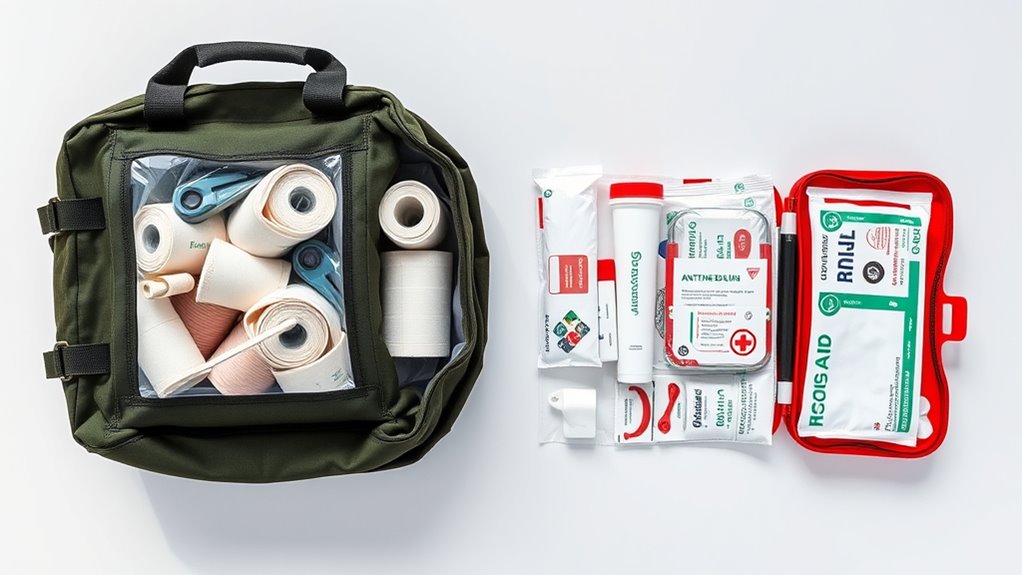
Trauma kits are specialized emergency supplies designed to handle severe injuries, such as heavy bleeding or airway obstructions, that require immediate, advanced intervention. They are an indispensable part of emergency preparedness, especially in situations where quick, effective medical equipment is needed. Unlike basic first aid kits, trauma kits include advanced medical equipment like tourniquets, hemostatic dressings, and airway management tools. These supplies help you control life-threatening bleeding and stabilize critical injuries until professional help arrives. Emergency medical equipment plays a crucial role in these kits, ensuring you’re ready to respond effectively in critical moments. Having the right trauma supplies can make a significant difference in survival and recovery outcomes during emergencies. Trauma kits are essential for first responders, outdoor enthusiasts, or anyone wanting to be prepared for serious emergencies. Their purpose is to provide immediate, effective treatment for severe injuries, making them a necessary addition to your emergency preparedness plan. Proper trauma management techniques are vital for maximizing the effectiveness of these kits and ensuring the best possible outcomes. Additionally, understanding trauma response principles enhances your ability to utilize the kit effectively during critical situations. Investing in trauma training can further improve your confidence and competence in emergency scenarios.

Portable Solar Generator, 300W Portable Power Station with Foldable 60W Solar Panel,110V Pure Sine Wave 280Wh Battery Power Pack with USB DC AC Outlet for Camping Smart Devices RV Van Outdoor-Orange
Portable Generator with 60W Solar Panel Included: with a big battery pack, ZeroKor 300W power stations Generator are...
As an affiliate, we earn on qualifying purchases.
When Should You Use a Trauma Kit Instead of a First Aid Kit?
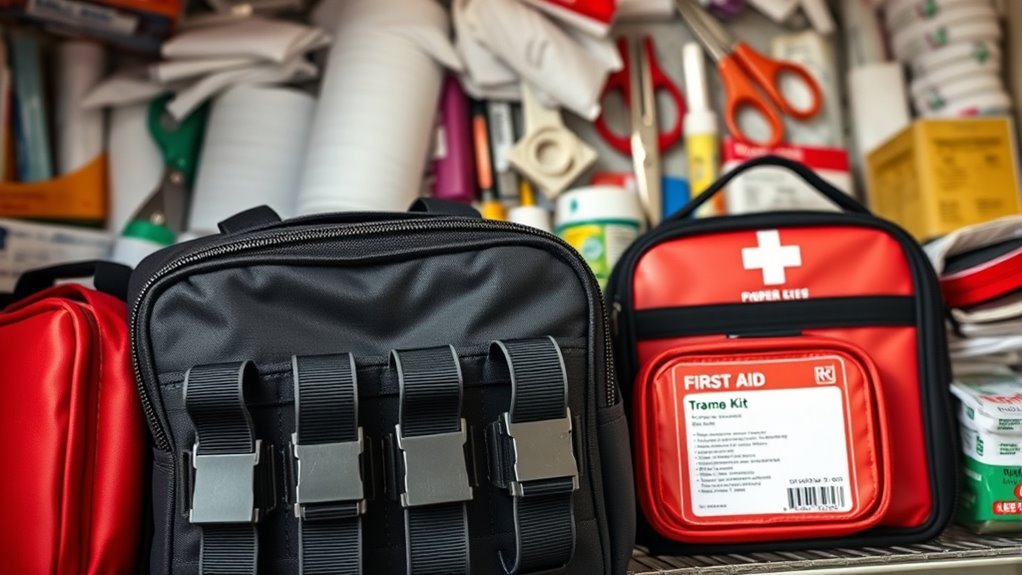
Knowing when to reach for a trauma kit instead of a basic first aid kit can make all the difference in an emergency. If the situation involves severe bleeding, broken bones, or potential life-threatening injuries, a trauma kit is essential. As a first responder, your priority is rapid, effective action, and trauma kits provide specialized tools like tourniquets and hemostatic agents. Use a trauma kit when injuries require advanced interventions beyond simple bandages. The following table helps clarify:
| Situation | Injury Type | Recommended Kit |
|---|---|---|
| Severe bleeding | Heavy bleeding | Trauma kit |
| Fractures or dislocations | Broken bones | Trauma kit |
| Uncontrolled bleeding | Life-threatening | Trauma kit |
| Minor cuts | Small wounds | First aid kit |
| Mild burns | Surface burns | First aid kit |
In emergency preparedness, knowing when to escalate to a trauma kit guarantees you’re ready for critical moments. Additionally, understanding the contrast ratio in imaging can be crucial for accurate assessment and treatment. Being familiar with Free Floating concepts can aid in recognizing various injury patterns and appropriate responses. Recognizing the total‑cost clarity of your emergency supplies ensures you’re prepared without unnecessary expenditure. Moreover, being aware of the ownership tips for your emergency kits can help maintain their readiness and effectiveness over time. Proper maintenance and supply management of your kits are vital for ensuring all equipment functions correctly when needed.

Wensha AED Cabinet Wall Mount: Steel Defibrillator Storage Case with Snap Lock and Universal AED Compatibility - for Home/Hospitals/Schools (14.2" W x 7.9" D x 15.7" H)
Sturdy and Durable: Our AED cabinets are made of high-quality steel, which is corrosion-resistant, sturdy and durable. The...
As an affiliate, we earn on qualifying purchases.
What’s Inside a Trauma Kit Compared to a Basic First Aid Kit?
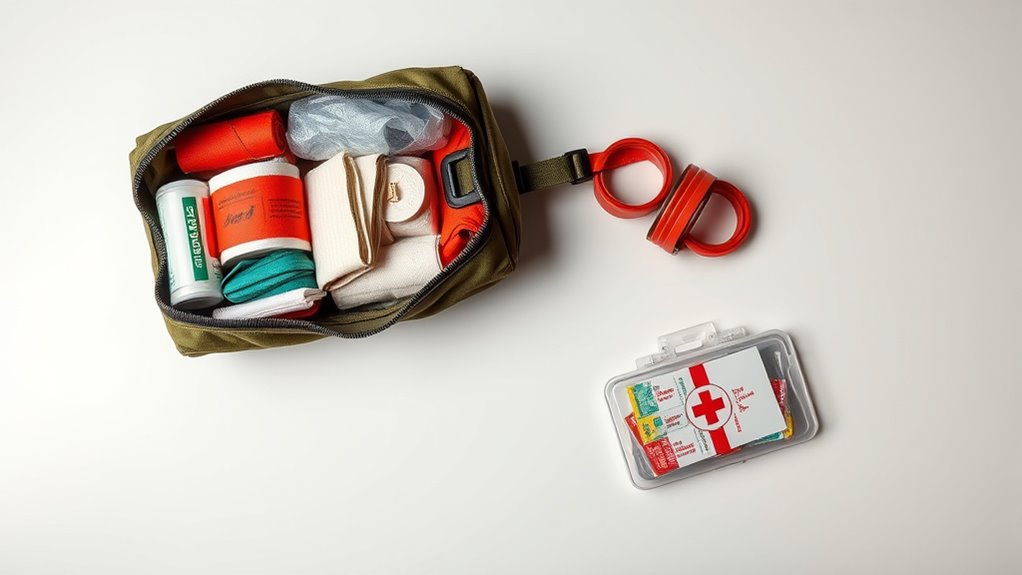
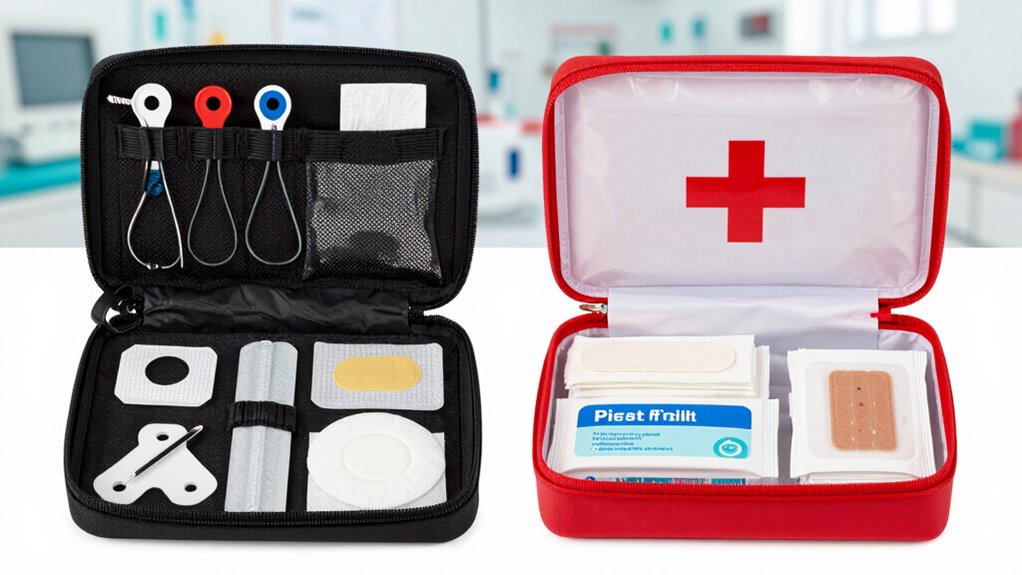
While both trauma kits and basic first aid kits are essential for emergency situations, they differ markedly in the supplies they contain. A trauma kit is designed for severe injuries, including items like tourniquets, hemostatic dressings, and chest seals to control bleeding and prevent shock. It also contains more advanced tools such as trauma shears and airway management supplies. Connected technology can enhance the effectiveness of trauma response by providing real-time guidance and monitoring. In contrast, a basic first aid kit offers bandages, antiseptic wipes, and pain relievers for minor injuries. When considering emergency preparedness, it’s imperative to understand these differences. Regular kit maintenance guarantees all supplies are current and functional, which is critical for effective response. Knowing what’s inside each kit helps you respond appropriately and maintain readiness for various emergencies.

Automated External Defibrillator AED Cabinet with Alarm (9V Battery Not Included) & First Aid Kit Storage | Wall Mount Compatible, Steel | for Home, School, Business, Gym | AED Not Included
𝗦𝗘𝗖𝗨𝗥𝗘 𝗗𝗨𝗔𝗟 𝗦𝗧𝗢𝗥𝗔𝗚𝗘: Secure both your AED & First Aid Kit in this wall mount compatible storage with...
As an affiliate, we earn on qualifying purchases.
How to Pick the Right Emergency Kit for Your Needs
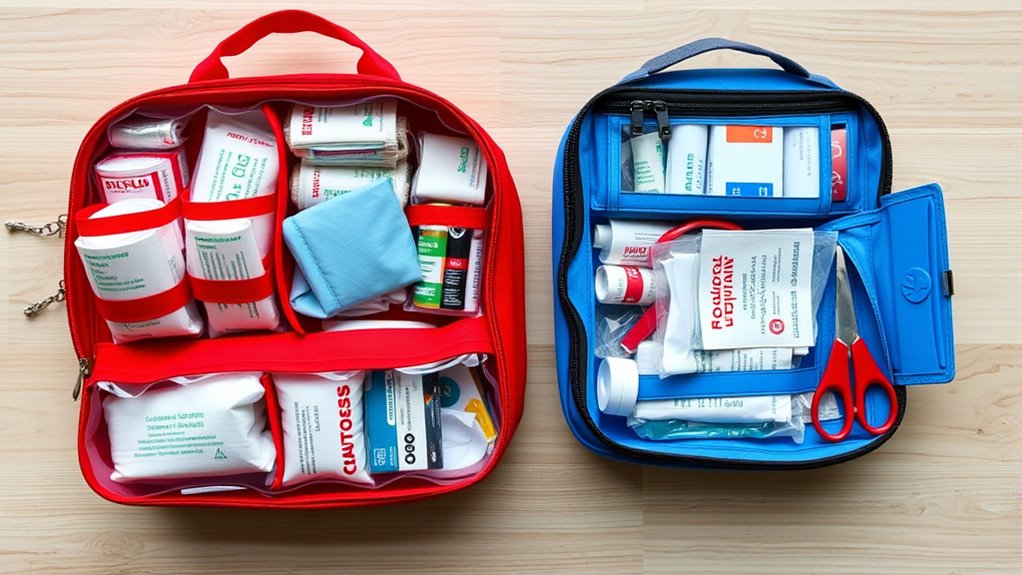
Choosing the right emergency kit depends on evaluating your specific needs and potential risks. Consider your environment, activities, and who might need assistance. For example, if you’re outdoors often, a trauma kit with advanced bleeding control items is smart. On the other hand, for home use, a well-stocked first aid kit may suffice. Focus on kit customization by adding items tailored to your situation, like medications or specialized supplies. Think about emergency preparedness scenarios you might face—natural disasters, accidents, or medical emergencies—and select a kit that covers those risks. Remember, a well-channed kit boosts confidence and readiness. Regularly review and update your kit to ensure supplies are current and complete. This proactive approach helps you respond effectively when every second counts. Additionally, selecting a security system or camera that is reliable and suited to your environment can further enhance your safety preparedness. Incorporating emergency communication devices into your kit can also improve coordination during crises. Understanding your specific emergency risks can help you assemble a more effective and comprehensive kit, especially considering the importance of having the right first aid supplies for different situations. Conducting periodic safety drills can further prepare you and your family for actual emergencies, ensuring everyone knows how to use the kit efficiently.
Common Mistakes to Avoid When Using Trauma & First Aid Kits

Using trauma and first aid kits correctly is vital, but many people make simple mistakes that can compromise their effectiveness. One common error is neglecting equipment safety, such as using expired supplies or contaminated items, which can worsen injuries. Always check expiration dates and replace used or outdated components promptly. Proper storage is also essential; kits should be kept in accessible, cool, and dry locations to prevent damage and ensure readiness. Failing to organize supplies properly can lead to delays during emergencies. Avoid rummaging through a disorganized kit, which wastes precious time. Regularly inspect and maintain your kit, ensuring all items are safe and ready for use. Staying vigilant about equipment safety and proper storage helps you respond effectively when it matters most. Additionally, being aware of environmental safety practices can help ensure your environment remains safe and clean, especially in emergency situations. Maintaining piercing hygiene and avoiding contamination are crucial, particularly in situations involving open wounds or piercings. Consistently practicing these precautions promotes overall safety and readiness in emergencies.
Frequently Asked Questions
Can a First Aid Kit Effectively Treat Severe Injuries?
A first aid kit isn’t designed to treat severe injuries effectively, especially those from DIY injuries or major incidents. For serious wounds, heavy bleeding, or broken bones, you need specialized trauma supplies and professional medical help. While a first aid kit can handle minor incidents, it’s not sufficient for severe injuries. Always have a trauma kit ready for emergencies involving significant trauma, and seek urgent medical attention immediately.
Are Trauma Kits Suitable for Everyday Minor Emergencies?
Think of a trauma kit like a Swiss Army knife—designed for serious situations, not everyday tasks. While it’s great for severe injuries, it’s not the best choice for minor injuries or daily preparedness. For common scrapes, cuts, and bruises, a well-stocked first aid kit will serve you better. Keep a trauma kit handy for emergencies that require advanced care, but rely on a first aid kit for your daily minor injuries.
How Often Should Trauma Kits Be Restocked or Replaced?
You should restock or replace your trauma kit regularly, ideally every 1 to 2 years, to make certain kit maintenance and that supplies stay within their shelf life. Check your kit periodically—every 6 months—and replace expired or used items promptly. Properly maintaining your trauma kit guarantees you’re prepared for emergencies, keeping all supplies effective and reliable when you need them most.
Do Different Professions Require Specialized Trauma or First Aid Kits?
Did you know that over 60% of workplaces need specialized first aid kits? You should customize your trauma or first aid kit based on your professional requirements. Different jobs, like construction or healthcare, demand specialized supplies to handle specific injuries. By tailoring your kit, you make sure you’re prepared for the unique risks you face daily. This proactive approach helps you respond effectively and stay compliant with safety regulations.
Is Training Necessary to Properly Use a Trauma Kit?
Yes, training is essential to properly use a trauma kit. You need to meet specific training requirements to develop the skills needed for effective use, especially in emergency situations. Proper training ensures you understand how to handle severe injuries safely and efficiently. Skill development through courses or hands-on practice helps you respond confidently, minimizing harm and increasing the chances of positive outcomes during critical moments.
Conclusion
Choosing between a trauma kit and a first aid kit depends on your needs. For example, if you’re hiking in remote areas, a trauma kit with advanced tools can be lifesaving during severe injuries. Always assess your environment and risks to select the right kit. Remember, knowing how and when to use each kit can make all the difference in an emergency. Stay prepared, stay safe, and make certain you have the right tools at hand.