To store medical supplies for long-term readiness, choose a secure, climate-controlled location away from flood zones and direct sunlight. Use durable, compatible packaging with tamper-evident features and organize supplies in clearly labeled, stackable containers. Regularly monitor storage conditions, inspect supplies, and track expiration dates. Replenish stock promptly and rotate items to prevent waste. Staying organized and vigilant guarantees your supplies remain effective—continue exploring to discover more ways to keep your stockpile ready.
Key Takeaways
- Choose secure, climate-controlled storage areas away from flood zones, sunlight, and high traffic to preserve supply integrity.
- Use durable, compatible packaging with tamper-evident and water-resistant features to maintain sterility and prevent contamination.
- Organize supplies with clearly labeled, stackable containers grouped by category for quick access and efficient management.
- Conduct regular monitoring, inspections, and temperature checks to detect deterioration and ensure proper storage conditions.
- Implement inventory tracking, rotation, and scheduled replenishments to maintain stock levels and prevent expiration of supplies.
Why Proper Storage Is Essential for Medical Supplies
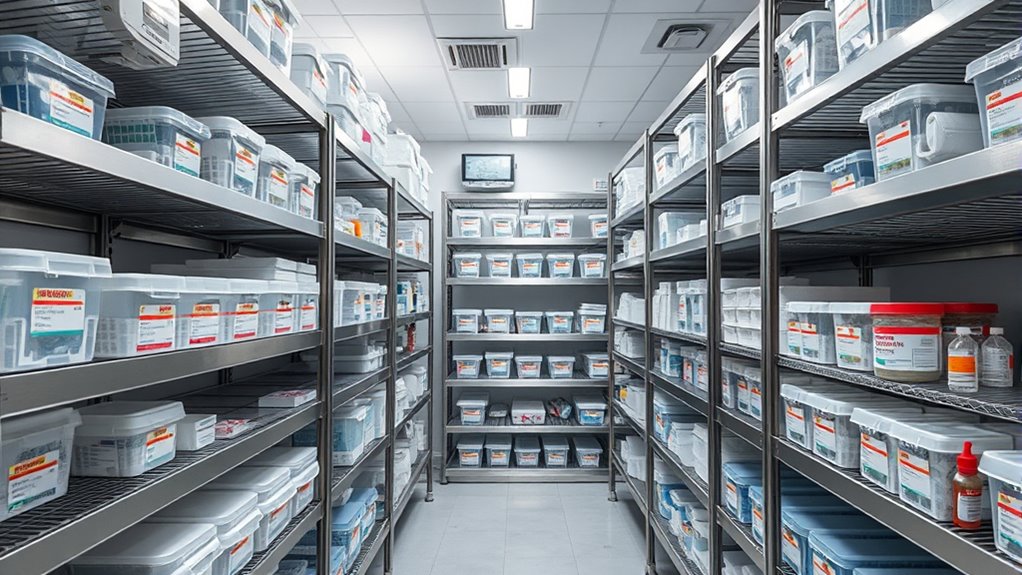
Proper storage is crucial because it directly impacts the safety, effectiveness, and longevity of medical supplies. If you don’t maintain appropriate storage temperature, your supplies could become compromised, reducing their efficacy when needed. Incorrect storage can also lead to the buildup of medical waste, which poses health and environmental risks. Keeping supplies at the right temperature prevents contamination and degradation, ensuring they remain safe for use. Proper storage practices help you avoid unnecessary waste and costly replacements. Additionally, managing storage conditions minimizes the risk of exposure to hazardous materials, protecting your team and environment. In short, paying attention to storage temperature and waste management ensures your medical supplies stay safe, effective, and ready for use when emergencies arise. Understanding storage conditions is essential for maintaining the quality of medical supplies over time. Regular temperature monitoring is also vital to ensure storage environments stay within safe parameters. Implementing proper shelving can further reduce the risk of damage and contamination. Maintaining consistent conditions is key to preventing spoilage and ensuring supplies remain viable. Moreover, understanding the importance of storage environment can help in selecting the appropriate storage location to optimize supply preservation.
How to Choose the Best Storage Locations for Your Supplies

Choosing the right storage locations for your medical supplies is essential to guarantee their safety and effectiveness. Look for areas with proper climate control to prevent damage caused by humidity, heat, or cold. A stable environment helps preserve the integrity of temperature-sensitive items like vaccines or medications. Security measures are equally important; select locations that limit access to authorized personnel only, reducing the risk of theft or tampering. Avoid storage areas prone to flooding, direct sunlight, or high traffic, which can compromise supplies. Consider locking cabinets or rooms with surveillance to enhance security. Additionally, maintaining proper storage practices can help prevent contamination and spoilage, ensuring your supplies remain safe and effective over time. Implementing storage best practices can further extend the longevity of your supplies and safeguard your investment. Proper inventory management can also prevent overstocking or shortages, supporting long-term readiness. By prioritizing climate control and security measures, you ensure your supplies stay in ideal condition and remain accessible when needed, supporting long-term readiness. Regularly reviewing and updating your storage plan based on environmental conditions can help adapt to changing circumstances and maintain optimal storage conditions.
Selecting Packaging That Keeps Medical Supplies Effective
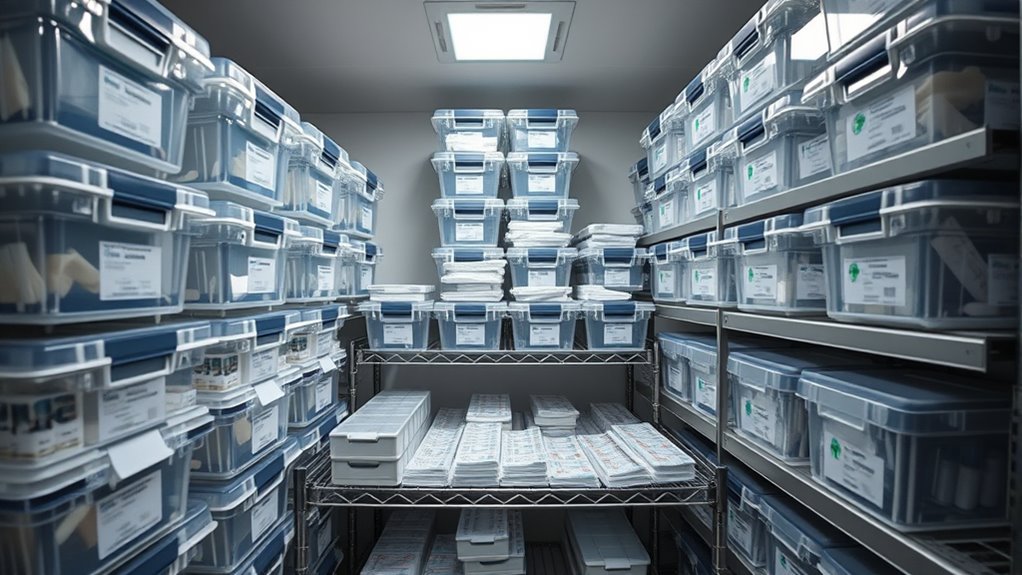
When selecting packaging for medical supplies, you need to consider material compatibility and durability to prevent damage or contamination. Barrier protection is vital to keep supplies sterile and effective over time. Additionally, choose packaging that allows easy access and handling to guarantee quick, safe retrieval when needed. Incorporating water-resistant materials can enhance protection against moisture, which is crucial for maintaining the integrity of certain supplies. Proper packaging also involves considering storage conditions, which directly impact the longevity and safety of the supplies. Using appropriate sealing techniques can further ensure that the supplies remain uncontaminated and preserved during long-term storage. Additionally, selecting packaging with tamper-evident features can provide extra security and confidence in the integrity of the supplies over extended periods. Being aware of Gold IRA markets can also be beneficial for planning the long-term security of your assets, similar to how proper storage safeguards medical supplies.
Material Compatibility and Durability
Selecting packaging materials that are compatible with medical supplies is essential to maintaining their effectiveness. You need to verify the materials won’t cause material degradation over time, which can compromise the integrity of the supplies. Compatibility testing helps identify which packaging options are suitable, preventing reactions that could weaken or contaminate the contents. Durable materials resist wear and tear during storage, handling, and transportation, extending the shelf life of your supplies. Proper testing ensures the material stability of packaging options, preventing unexpected failures. Avoid packaging that might degrade or react negatively with your items, as this could render them unsafe or ineffective. Regularly review the European cloud standards for material safety to ensure compliance and optimal protection. Properly selected materials safeguard your supplies, ensuring they remain effective and ready when needed.
Barrier Protection Effectiveness
How well your packaging shields medical supplies from external factors determines their effectiveness over time. Using high-quality anti microbial barriers minimizes the risk of contamination, ensuring supplies stay sterile and safe. These barriers prevent microbes, dust, moisture, and airborne pollutants from penetrating the packaging, preserving the integrity of the contents. Proper packaging also guards against physical damage that could compromise the supplies’ effectiveness. When selecting packaging, consider materials with proven contamination prevention properties, such as sealed blister packs or vacuum-sealed pouches. Consistent use of reliable barrier protection extends shelf life and maintains the reliability of medical supplies during long-term storage. Additionally, material durability plays a crucial role in ensuring the packaging withstands environmental stresses over time. Incorporating holistic SEO strategies can help ensure that your storage solutions are effectively communicated and accessible to those seeking long-term storage options. Implementing architectural solutions can further enhance protective measures by providing controlled environments for storage. Moreover, selecting packaging with antimicrobial properties can significantly reduce the risk of microbial growth during storage. Ensuring proper storage conditions such as temperature and humidity control also contributes to maintaining the supplies’ effectiveness over extended periods. Ultimately, choosing packaging that offers strong anti microbial barriers is essential to keep your supplies effective and ready for use when needed.
Ease of Access and Handling
Ensuring medical supplies are easy to access and handle is essential for maintaining their effectiveness during storage and use. Choosing the right storage containers helps protect supplies from damage and contamination while allowing easy retrieval. Use clearly labeled containers so you can quickly identify contents without unnecessary handling. When handling supplies, follow proper techniques such as gentle lifting and avoiding unnecessary movements that could cause damage. Keep supplies organized in ways that minimize handling time and reduce the risk of spills or breakage. Consider stackable containers for efficient storage and easy access. Regularly inspect containers for wear or damage, replacing them as needed. Proper handling techniques and suitable storage containers ensure your supplies remain effective and ready when you need them most. Additionally, understanding affiliate disclosures and privacy policies can help you make informed decisions about the storage solutions and products you choose for your preparedness needs. Maintaining storage organization is crucial for quick and efficient access during emergencies. Incorporating smart storage solutions with automated alerts can further enhance your readiness by notifying you of any issues or needed replacements. Implementing these inventory tracking methods can help keep your supplies up-to-date and readily available.
Organizing and Labeling Supplies for Easy Access

Organizing and labeling your medical supplies is essential for quick and efficient access during emergencies or routine needs. Proper labeling systems help you identify items instantly, saving valuable time. Use clear, consistent labels on each storage container to specify contents, expiration dates, and usage instructions. Consider different storage containers for categories like bandages, medications, and tools to streamline retrieval. Here are some tips:
- Use color-coded labels for quick visual identification.
- Group similar items together within labeled containers.
- Keep frequently used supplies in easily accessible spots.
This approach minimizes confusion and ensures you always know where everything is. Effective organization reduces stress and enhances readiness, especially during critical moments. Invest time in labeling and arranging your supplies now, so you’re prepared when it counts.
How to Monitor and Maintain Your Medical Supplies Over Time
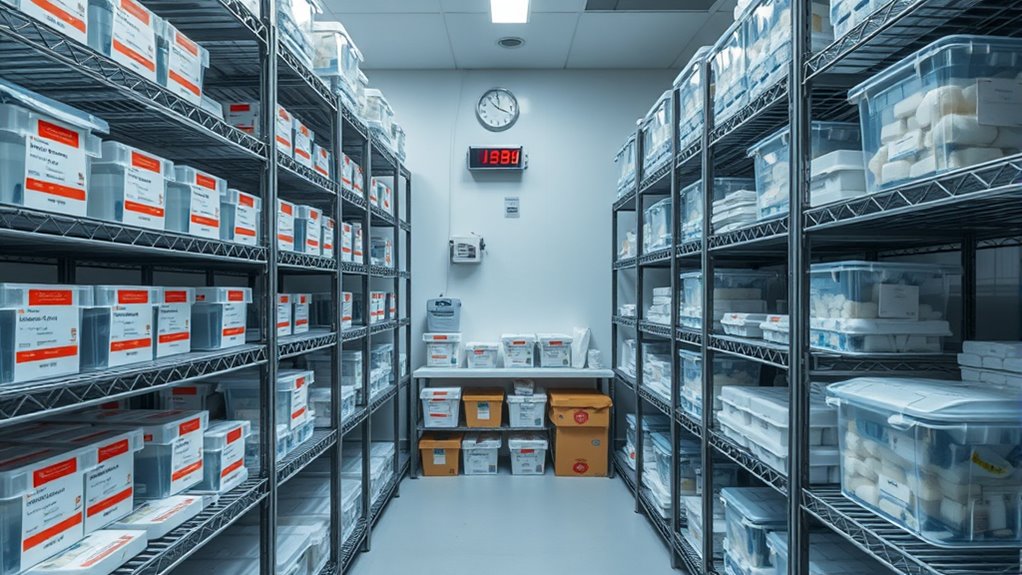
To keep your medical supplies reliable and ready for use, you need to regularly oversee their condition and inventory. Implement a consistent inventory tracking system to record quantities and expiration dates, so you know when to reorder or replace items. Conduct periodic inspections to check for damage, leaks, or deterioration. Temperature monitoring is essential, especially for items like vaccines or medications sensitive to heat or cold; use digital thermometers or data loggers to ensure storage conditions stay within recommended ranges. Keep detailed records of inspections, temperature logs, and supply levels to identify patterns or issues early. Regular monitoring helps prevent stockpiles from becoming outdated or compromised, ensuring your supplies remain effective and safe for use in emergencies.
Reassessing and Replenishing Your Medical Stockpile
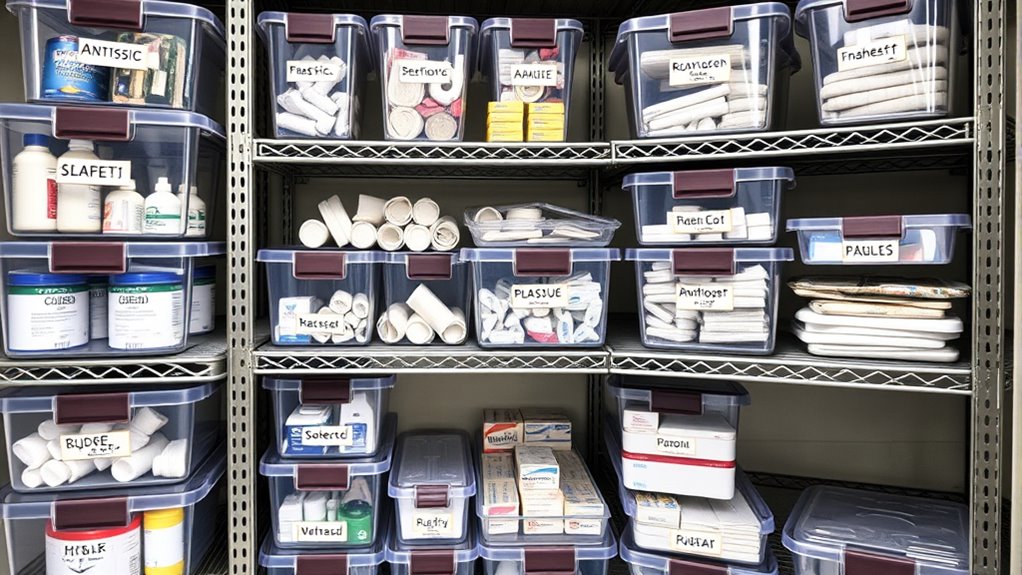
Regularly reassess your stock levels to guarantee you have enough supplies for emergencies. Use proper replenishment strategies to keep your stock fresh and organized. This way, you’ll be ready when you need it most.
Stock Level Evaluation
Have you ever wondered if your medical supplies are enough to handle an emergency? Regularly evaluating your stock levels is vital. Start with inventory audits to identify what’s available and what’s missing. Use supply forecasting to project future needs based on past usage patterns and potential scenarios. This helps prevent shortages or overstocking. To keep your stockpile ideal, consider these steps:
- Track expiration dates and rotate supplies accordingly
- Adjust quantities based on changing risk assessments
- Keep detailed records of stock movements for accurate audits
Proper Replenishment Strategies
Reassessing and replenishing your medical stockpile is essential to guarantee you’re always prepared for emergencies. Regular inventory rotation guarantees that your supplies remain effective and ready to use, preventing waste and expired items from accumulating. You should schedule periodic reviews to check stock levels and identify items nearing their expiration date. Expiration tracking helps you prioritize the use of older supplies and avoid using expired materials during emergencies. When replenishing, replace used or expired items promptly, maintaining a balanced stock that reflects your current needs. Keep detailed records of inventory changes and expiration dates to streamline future assessments. By actively managing your stockpile with consistent inventory rotation and expiration tracking, you’ll ensure your supplies stay fresh, reliable, and ready whenever you need them.
Frequently Asked Questions
How Long Can Medical Supplies Be Stored Safely?
You can typically store medical supplies safely for 1 to 5 years, depending on the item. To guarantee safety, regularly check supply expiration dates and monitor for any signs of deterioration. Use proper storage containers that protect against moisture, light, and extreme temperatures. Keep supplies organized and in a cool, dry place, and rotate stock to use items before their expiration, maintaining readiness for emergencies.
What Temperature Ranges Are Ideal for Long-Term Storage?
You need to keep your medical supplies in a temperature range of 59-77°F (15-25°C). Proper temperature control is essential, as fluctuations can compromise their effectiveness. Watch humidity levels too—ideally below 60%—to prevent mold or deterioration. If the environment isn’t carefully monitored, your supplies might become unusable when you need them most. Don’t leave this to chance—maintain consistent conditions for long-term safety.
Are There Specific Storage Standards for Different Types of Supplies?
Yes, there are specific storage standards for different supplies. You should use appropriate packaging materials to protect items from moisture, light, and contamination. Choose suitable storage equipment, such as climate-controlled cabinets and shelves, to maintain ideal conditions. Label everything clearly to guarantee proper organization and easy access. Following these standards helps preserve the integrity of your supplies, ensuring they remain effective and ready for use when needed.
How Do Environmental Factors Affect Supply Longevity?
Environmental factors critically impact your supply longevity. You should maintain proper humidity control to prevent mold and deterioration, which can compromise supplies. Pest prevention is equally vital; pests can contaminate or damage your inventory, reducing its effectiveness. Keep storage areas cool, dry, and clean, regularly inspect for pests, and guarantee proper ventilation. By managing these factors, you extend the shelf life of your medical supplies and make sure they remain safe and effective when needed.
What Are Common Mistakes to Avoid in Storage Practices?
Did you know that improper storage can ruin up to 30% of medical supplies? To avoid this, never neglect pest control; pests can contaminate your supplies quickly. Always use airtight storage containers to prevent spoilage and pests from getting in. Avoid stacking supplies too high, which can cause damage. Regularly check your storage area for signs of pests or moisture, ensuring your supplies stay safe and effective for long-term use.
Conclusion
Remember, keeping your medical supplies properly stored can mean the difference between life and death in emergencies. Did you know that over 70% of stored supplies can become ineffective if not stored properly? By choosing the right locations, packaging, and organization, you guarantee they’re ready when you need them most. Stay vigilant, regularly check your stock, and replenish as needed—your preparedness could save lives when every second counts.