
To think about apartment backup power without overdoing it, focus on safety and essentials rather than expensive, high-powered systems. Identify critical devices like your fridge, chargers, or a small space heater, and choose simple, reliable options like portable power stations or batteries. Always prioritize proper use and maintenance, never run generators indoors, and keep safety supplies handy. A balanced approach guarantees you’re prepared without unnecessary costs—continue to explore for key tips to get started safely and effectively.
Listen free for 30 days with Audible
Thousands of audiobooks and originals — cancel anytime.
As an affiliate, we earn on qualifying purchases.
Key Takeaways
- Prioritize essential appliances like chargers, lights, and a small heater; avoid over-investing in high-capacity systems.
- Choose portable, easy-to-use backup options such as battery packs or small generators suitable for apartment spaces.
- Ensure all backup devices are properly maintained and operated safely according to manufacturer instructions.
- Have a clear plan for communication, charging devices in advance, and storing safety supplies like flashlights.
- Balance safety and practicality by developing a simple, manageable backup plan aligned with your needs and budget.
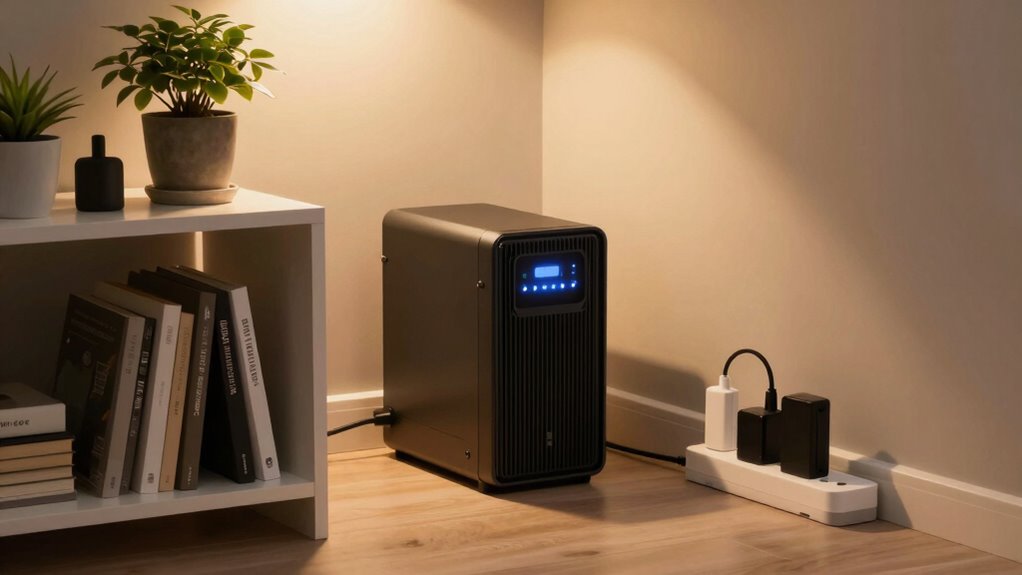
When the power goes out in your apartment, it can quickly turn into a stressful situation. Suddenly, you’re left in the dark, unsure of how long the outage will last or how to keep your essentials running. That’s where thinking about backup power becomes useful, but it’s important not to overdo it. The key is to strike a balance between preparedness and safety, ensuring you’re equipped without unnecessary expense or risk. You want to prepare enough to stay safe and comfortable without going overboard or risking safety hazards. Focusing on power outage preparedness means understanding your options and what makes sense for your living situation. A generator can be a good solution, but only if you prioritize generator safety and use it correctly. Many people jump into buying a generator without considering how to operate it safely, which can lead to dangerous situations like carbon monoxide poisoning or fire hazards. Always read the manufacturer’s instructions and make sure your generator is properly maintained. Never run a generator indoors or in enclosed spaces, even if you think you’re ventilating it well—exhaust fumes are deadly, and safety should always come first. Proper generator use is crucial to prevent accidents and ensure reliable backup power.
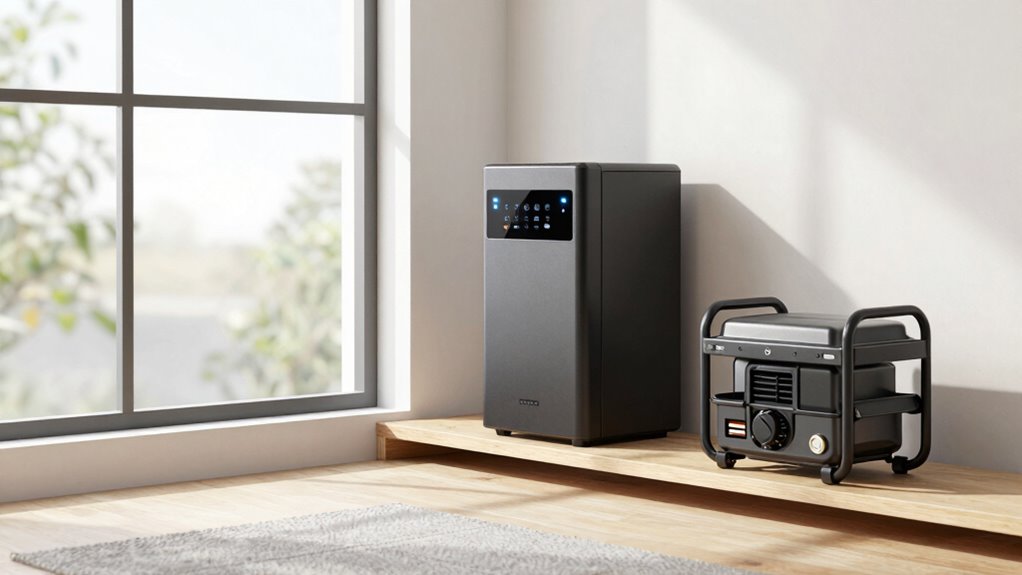
It’s smart to think about what appliances or devices you’d want to keep running during an outage, such as your fridge, phone chargers, or a space heater. But avoid the temptation to buy the most powerful or expensive generator you see. Instead, focus on a model that fits your needs and space, and that you can operate confidently. Power outage preparedness also means having a plan for communication, charging your devices, and keeping flashlights and batteries handy. Having a backup power source that is simple and reliable can make a big difference in managing short outages without added stress. It’s about small, manageable steps that keep you safe without creating unnecessary stress or expense. Remember, a backup power source doesn’t have to be complex or costly to be effective. Sometimes, a simple battery pack or a portable power station can do the trick for short outages. Additionally, understanding the risks of improper generator use can help you avoid potentially deadly accidents. Being aware of the safety considerations associated with backup power solutions is essential to prevent accidents and ensure peace of mind. Incorporating proper safety measures can further reduce the risk of hazards during power outages.
In the end, thinking about apartment backup power means balancing safety with practicality. You want to ensure your safety during outages while avoiding over-investing or creating new hazards. Properly understanding generator safety and having a clear plan will help you stay prepared without overdoing it. Keep it simple, stay informed, and always prioritize safety first. That way, you’ll be ready to handle power outages calmly and confidently, without unnecessary worry or risk.
portable power station for apartment backup
As an affiliate, we earn on qualifying purchases.
As an affiliate, we earn on qualifying purchases.
Frequently Asked Questions
What Is the Average Cost of Apartment Backup Power Solutions?
The average cost of apartment backup power solutions varies based on battery lifespan and power capacity. You might spend anywhere from $300 to $1,500, depending on the system’s size and features. Smaller, portable options cost less, while larger, more reliable systems with longer battery lifespan and higher power capacity are pricier. Consider your needs carefully to balance cost with performance, ensuring you get enough backup without overspending.
How Long Can Backup Power Typically Last During Outages?
During a power outage, backup power typically lasts between 4 to 24 hours, depending on your system. Notably, most batteries have a lifespan of about 3 to 5 years, affecting how long your backup can sustain you. The power outage duration influences how much backup power you need. To maximize efficiency, choose a system aligned with your typical outage length and consider battery lifespan for long-term reliability.
Are Portable Generators Safe for Apartment Use?
Portable generators can be safe for apartment use if you choose the right model and follow safety guidelines. Look for generators with low noise levels to minimize disturbance, and always store and handle fuel safely to prevent leaks or fires. Keep the generator outdoors in a well-ventilated area, away from windows and doors. Regular maintenance and proper operation help guarantee safety and reliable backup power during outages.
What Are the Best Silent Backup Power Options?
The best silent backup power options include silent inverters and battery storage systems. Silent inverters operate quietly, making them perfect for apartments where noise is a concern. Battery storage units provide reliable power during outages and are low-maintenance. You should consider a combination of these, like a quiet inverter paired with a battery backup, to guarantee you have silent, efficient power without disturbing neighbors or overdoing it.
How Do I Comply With Apartment Building Regulations?
To comply with apartment building regulations, you need to prioritize building safety and understand legal considerations. Check your local codes and your building’s rules before installing backup power solutions. Obtain necessary permits if required, and verify your setup doesn’t compromise fire safety or electrical standards. Communicate with building management to stay aligned with safety policies. Staying informed and proactive helps you avoid legal issues while maintaining a safe, compliant backup power system.
small generator for apartment use
As an affiliate, we earn on qualifying purchases.
As an affiliate, we earn on qualifying purchases.
Conclusion
Thinking about backup power for your apartment doesn’t mean you need to go all-in with expensive, complex systems. Focus on what’s essential—like a small generator or portable charger—to keep you safe and comfortable during outages. If you’re worried about costs or noise, start small and scale as needed. Remember, even simple solutions can make a big difference, giving you peace of mind without overdoing it. It’s about being prepared, not over-preparing.
battery pack for emergency power
As an affiliate, we earn on qualifying purchases.
As an affiliate, we earn on qualifying purchases.
compact backup power for apartment
As an affiliate, we earn on qualifying purchases.
As an affiliate, we earn on qualifying purchases.
Flea & tick season Picks
flea and tick prevention
As an affiliate, we earn on qualifying purchases.