
If your digital and physical safety start overlapping, act quickly by changing passwords on critical accounts and enabling two-factor authentication. Monitor your accounts for suspicious activity and update your devices with the latest security patches. Be discreet about your whereabouts, install security cameras, and watch for signs of surveillance or threats nearby. Protect personal info online and report any identity theft immediately. Staying proactive and alert can help prevent real-world dangers; discover more ways to stay safe.

Get the latest gadgets delivered free — and shop member deals
- Fast, free delivery on millions of items
- Access to Prime Big Deal Days deals on October 6–7
- Prime Video, Amazon Music and more included
Key Takeaways
- Immediately change passwords on critical accounts and enable two-factor authentication.
- Review recent online activity for suspicious behavior and report any breaches.
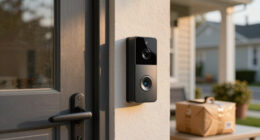
- Increase physical security measures, such as installing or checking security cameras.
- Limit sharing personal details online and monitor your digital footprint carefully.
- Stay alert to signs of physical surveillance or harassment linked to digital breaches.
When your digital and physical safety begin to overlap, it’s a clear sign that your personal security is at risk. You might notice strange activities online, like unfamiliar login alerts or unexpected account changes. These surveillance concerns aren’t just digital nuisances—they can be precursors to real-world threats. Cybercriminals often use digital access to gather personal details that can be exploited physically, making you vulnerable to theft, harassment, or worse. If your online accounts are compromised, thieves can piece together enough information to locate you, increase the chances of identity theft, or even physically target you. Recognizing the signs early is crucial to prevent a full-blown security breach.
Your first step should be to tighten your digital defenses. Change passwords immediately on all critical accounts, especially banking, email, and social media. Use strong, unique passwords for each account, and enable two-factor authentication wherever possible. This layer of security can prevent unauthorized access even if your login details are leaked. Regularly review your account activity to spot suspicious logins or changes. Consider using a password manager to keep track of complex passwords securely. These measures help safeguard your digital identity and make it harder for someone to turn digital breaches into physical threats. Cybersecurity awareness and understanding how digital vulnerabilities can be exploited are essential for proactive defense.
Next, pay attention to your physical surroundings. If you notice someone loitering near your home or repeatedly watching your routines, don’t dismiss it as coincidence. Surveillance concerns can escalate when someone is gathering information about your habits or possessions. Be discreet about your whereabouts, and avoid sharing your location or plans publicly. Install security cameras at your home and ensure they’re functioning properly. These cameras not only deter potential threats but can also provide critical evidence if you’re targeted. Don’t forget to keep your personal devices updated with the latest security patches to prevent vulnerabilities that could be exploited remotely. Being aware of cybersecurity and how digital vulnerabilities can translate into physical risks is essential for comprehensive safety. Developing an understanding of digital footprints can help you minimize risks and better protect your personal space.
Finally, stay vigilant about your personal information. Shred documents containing sensitive data, like your social security number or bank statements, before disposing of them. Limit the amount of personal info you share online, especially on social media platforms. The more details you reveal publicly, the easier it becomes for someone to piece together your identity and locate you physically. If you suspect your identity has been stolen, act swiftly—report it to authorities and credit bureaus to freeze your accounts and monitor for fraudulent activity. By proactively managing both your digital and physical security, you reduce the risk of your personal safety being compromised and ensure you’re prepared to respond if the overlap begins to threaten your well-being.
security cameras for home surveillance
As an affiliate, we earn on qualifying purchases.
As an affiliate, we earn on qualifying purchases.
Frequently Asked Questions
How Can I Identify if My Digital Safety Has Been Compromised Physically?
You can tell if your digital safety has been compromised physically by noticing unauthorized access to your devices or accounts. Check for unusual activity, like unexpected password changes or unfamiliar login locations. Make sure data encryption is intact and access controls haven’t been bypassed. If you find suspicious activity, consider updating your security settings, changing passwords, and enabling two-factor authentication to protect your data and regain control.
What Are Signs That My Physical Safety Is at Risk Due to Digital Threats?
You notice shadows lurking near your home or strange vehicles idling outside, signs that your physical safety might be at risk from digital threats. Poor cyber hygiene, like weak passwords or unsecured devices, can lead to real-world dangers, breaching your personal boundaries. Stay alert to unusual activity, maintain strong security habits, and trust your instincts—if something feels off, it’s time to act and protect yourself from potential harm.
Are There Specific Tools to Monitor Overlapping Digital and Physical Security?
Yes, there are specific tools that help you monitor overlapping digital and physical security. Digital surveillance systems like smart cameras and alarm apps allow real-time monitoring of your environment. Physical monitoring devices, such as personal safety alarms and GPS trackers, keep you aware of your location. Combining these tools gives you a thorough view, enabling you to respond quickly if digital threats threaten your physical safety. Always choose reliable, secure options to protect yourself effectively.
How Do I Coordinate Between Cybersecurity and Physical Security Teams?
You should establish clear communication channels between your cybersecurity and physical security teams, ensuring they share real-time threat data. Regular joint training and incident response drills help coordinate efforts. When a cyber threat or security breach occurs, both teams can respond swiftly, minimizing overlap risks. Collaboration prevents gaps, allowing you to address the evolving nature of threats that span digital and physical domains effectively.
What Legal Steps Can I Take if My Safety Overlaps Digitally and Physically?
You can seek a restraining order or an emergency protective order if your safety overlaps digitally and physically due to cyber harassment or digital stalking. Report incidents to law enforcement, and document everything meticulously. Consider consulting a lawyer experienced in digital safety laws to explore additional legal options. These steps help guarantee authorities recognize your threat level and act swiftly to protect you from harm, no matter where the danger originates.
As an affiliate, we earn on qualifying purchases.
Conclusion
Remember, staying safe means staying vigilant both online and offline. When your digital and physical worlds collide, don’t hesitate to take action—change passwords, tighten security, and trust your instincts. Think of it like donning armor before facing a dragon in a quest; better safe than sorry. Keep your wits about you, and you’ll navigate these overlapping threats with the same courage as a knight of old, ready to face any challenge that comes your way.
two-factor authentication device
As an affiliate, we earn on qualifying purchases.
As an affiliate, we earn on qualifying purchases.
As an affiliate, we earn on qualifying purchases.
Fall Picks
fall essentials
As an affiliate, we earn on qualifying purchases.