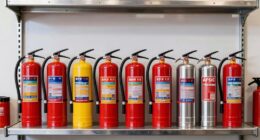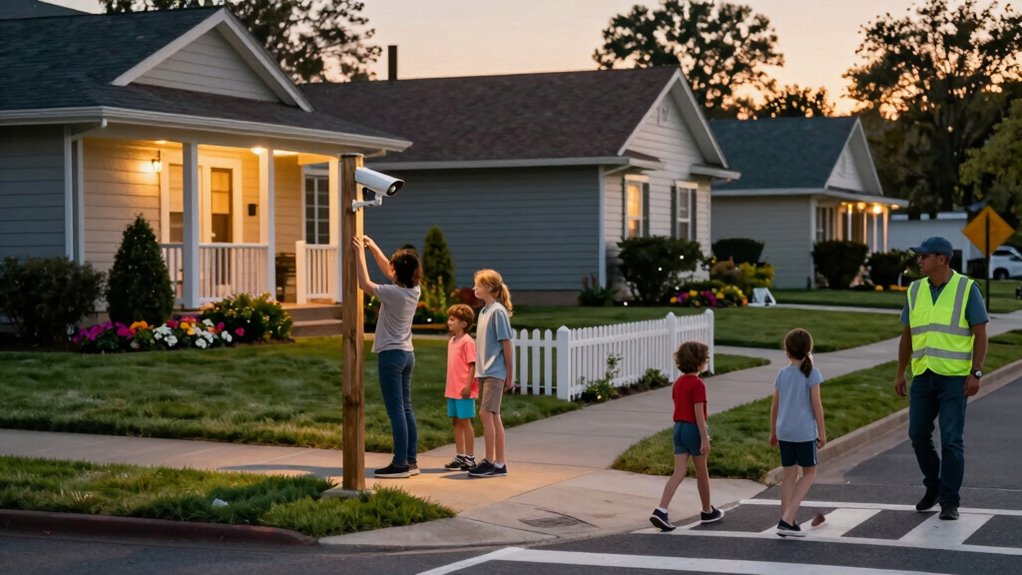

Your neighbors can teach you valuable safety lessons through their proactive habits, like forming neighborhood watch groups, staying vigilant for suspicious activity, and sharing safety tips. They often participate in community patrols and emergency preparedness efforts, which strengthen everyone’s safety. Observing how neighbors organize evacuation drills or maintain emergency supplies can inspire you to build a more resilient home. Keep exploring these strategies to reveal more insights on creating a safer community for all.
Key Takeaways
- Neighborly vigilance and shared observations help prevent crimes and enhance overall community security.
- Participating in neighborhood watch and patrols fosters collective responsibility for safety.
- Learning emergency response plans and practicing evacuation routes from neighbors improves preparedness.
- Sharing safety tips and scam alerts raises awareness and reduces risks for everyone.
- Building social bonds through safety initiatives creates a resilient, proactive community ready for emergencies.
When it comes to staying safe in everyday life, your neighbors often have the most practical lessons to share. They’re the ones watching out for your street, noticing when something’s off, and taking steps to keep everyone secure. Community vigilance isn’t just about keeping an eye on each other’s homes; it’s about creating a network where everyone feels responsible for safety. You can learn a lot by paying attention to how your neighbors respond to minor issues, like suspicious activity or unlocked doors. They might set up neighborhood watch groups or share useful tips on how to spot potential threats. This collective awareness helps prevent crimes before they happen and makes everyone feel more secure. The more engaged you are, the better you’ll understand the importance of community vigilance—staying alert and proactive rather than reactive. Building a strong sense of Community vigilance can significantly boost overall safety and deter criminal activity. Additionally, observing how neighbors coordinate with local law enforcement can provide valuable insights into effective safety strategies.
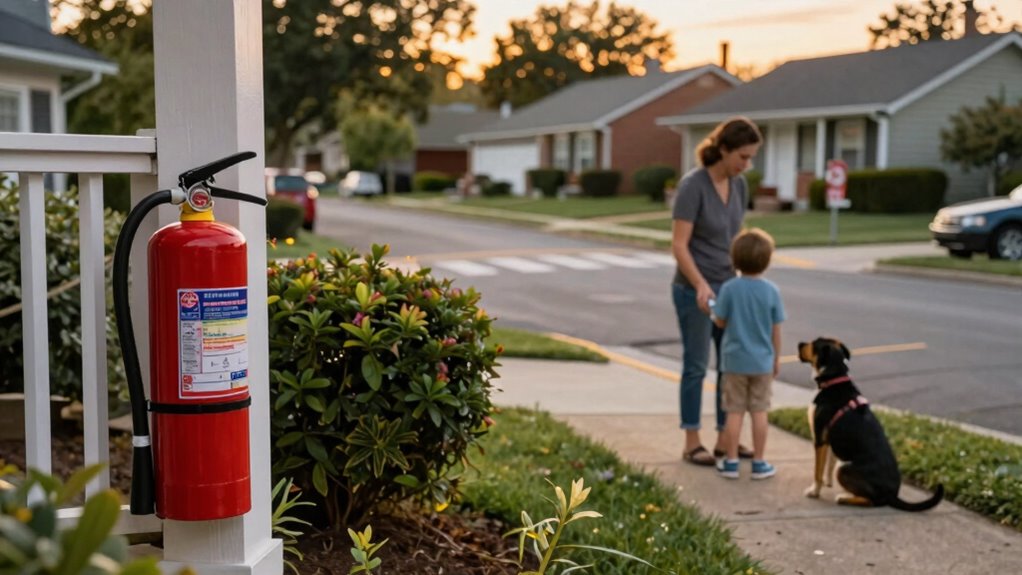
Emergency preparedness is another lesson your neighbors can teach you. Many folks in your community have plans in place for natural disasters, power outages, or other emergencies. They keep emergency kits stocked with essentials like water, non-perishable food, flashlights, and first aid supplies. Some even know basic first aid or CPR, which can be lifesaving in critical situations. By observing their routines, you’ll see that being prepared isn’t about paranoia; it’s about peace of mind. Furthermore, practicing disaster response procedures ensures that everyone understands their roles during an emergency. They also understand the importance of effective communication during crises, ensuring that everyone stays informed and coordinated. Incorporating community-based safety strategies from neighbors’ experiences can further strengthen your preparedness. Your neighbors might also share how they’ve practiced evacuation routes or coordinated with local authorities. These small steps can make a big difference during an actual crisis. You don’t need to become an expert overnight, but adopting some of their habits can help you feel more confident when trouble strikes.
Most importantly, your neighbors demonstrate that safety is a community effort. When you participate in neighborhood patrols or attend safety meetings, you’re contributing to a culture where everyone looks out for one another. Sharing information about recent scams or suspicious activities helps everyone stay alert. Emergency preparedness isn’t just about individual readiness; it’s about creating a resilient neighborhood that can handle whatever comes its way. By observing and adopting your neighbors’ practices, you reinforce the idea that safety isn’t just a personal responsibility—it’s a collective one. Your community becomes stronger, more aware, and better equipped to face emergencies, simply because everyone is engaged and vigilant. Moreover, understanding community resilience can help you develop a proactive mindset towards safety. That’s the real lesson your neighbors teach: together, you’re safer, stronger, and more prepared for whatever the future holds.

Survival Kit, 262Pcs Survival Gear and Supplies with First Aid Kit Pouch and Crossbody Bag, Emergency Kit with Tent, Camping Axe Hammer, Survival Shovel w/Pick, Bug Out Bag Gifts for Men Women
[Preparedness for the Unknown]: While no one can predict when or how severe a disaster or accident will…
As an affiliate, we earn on qualifying purchases.
As an affiliate, we earn on qualifying purchases.
Frequently Asked Questions
How Can Neighbors Help During Emergencies Beyond Safety Tips?
Neighbors can strengthen community resilience during emergencies by actively participating in emergency preparedness efforts. They can organize neighborhood watch groups, share resources, and establish communication plans to stay connected. By working together, you create a support system that responds quickly and efficiently when disaster strikes. Their involvement fosters trust and cooperation, making your neighborhood more resilient and better prepared to handle crises effectively and safely.
What Are Common Neighborhood Safety Misconceptions?
Many people believe neighborhood safety is solely about property security, but community vigilance is equally essential. You might think that locking doors and installing cameras is enough, yet active neighbor watchfulness can prevent crimes before they happen. Don’t assume everyone is watching out; instead, foster communication and trust. Building a vigilant community enhances property security and creates a safer environment for everyone, reducing risks and encouraging collective responsibility.
How Do Neighbors Coordinate for Neighborhood Watch Programs?
You coordinate a neighborhood watch by establishing clear community communication channels, like group chats or meetings, where everyone shares updates and concerns. You organize patrol collaboration by assigning roles and schedules, ensuring coverage during peak hours or absences. Visualize neighbors patrolling together, like a united front, sharing information swiftly. This teamwork creates a sense of security, making your neighborhood feel safer, and deters potential threats effectively.
What Privacy Concerns Arise With Neighbor Safety Initiatives?
You might worry about privacy breaches and surveillance concerns when neighbors organize safety initiatives. These programs often involve monitoring and sharing information, which could unintentionally infringe on personal privacy. You should guarantee clear boundaries and consent are established to prevent misuse of data. Open communication helps balance safety with privacy, so everyone feels secure without feeling watched or exposed. Being mindful of these concerns maintains trust and effectiveness in neighborhood safety efforts.
How Can Neighbors Teach Children About Personal Safety?
You can teach children about personal safety by emphasizing child supervision and stranger awareness. Encourage them to stay close to trusted adults and never wander off alone. Role-play scenarios where they practice saying no to strangers or seeking help from a safe adult. Reinforce the importance of alertness and trust their instincts. Your active involvement helps children understand risks and develop confidence in handling unfamiliar situations safely.
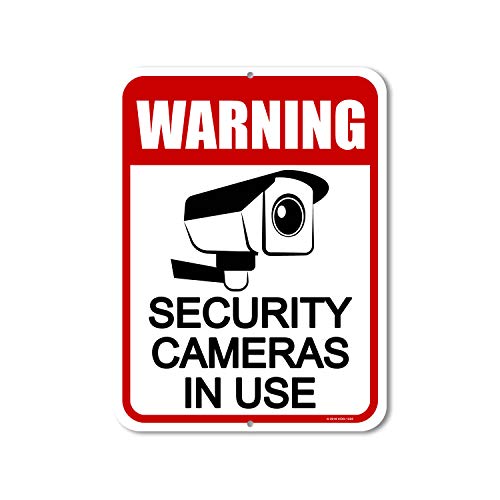
Honey Dew Gifts Security Signs for Yard, Warning Security Cameras in Use 9 inch by 12 Inch Metal Neighborhood Watch Signs, Warning Sign, Made in USA, HDG-1222
Message: Honey Dew Gifts, “Warning Security Cameras In Use”, warning signs for property will keep uninvited guests away…
As an affiliate, we earn on qualifying purchases.
As an affiliate, we earn on qualifying purchases.
Conclusion
By paying attention to your neighbors and their safety habits, you can learn valuable lessons that keep you and your community protected. Sometimes, the best advice comes from those right next door. Remember, it’s all about looking out for each other and sharing what you know. Don’t wait until it’s too late—chip in and stay alert. After all, safety isn’t just a solo act; it’s a team effort, so keep your eyes peeled!

First Aid Only 91248 OSHA-Compliant First Aid Kit, All-Purpose 50-Person Emergency First Aid Kit for Business, Worksite, Home, and Car, 260 Pieces
OSHA-Compliant Emergency Kit: Includes supplies including bandages, gauze, butterfly closures, burn cream packets, antibiotic ointment, BZK antiseptic towelettes,…
As an affiliate, we earn on qualifying purchases.
As an affiliate, we earn on qualifying purchases.

Fire Evacuation Plan Safety Metal Sign for Home, Business, or Public Use – 8×12 Inch
Weather-Resistant and Long-Lasting – Made from durable materials that resist fading, cracking, and corrosion for reliable indoor and…
As an affiliate, we earn on qualifying purchases.
As an affiliate, we earn on qualifying purchases.