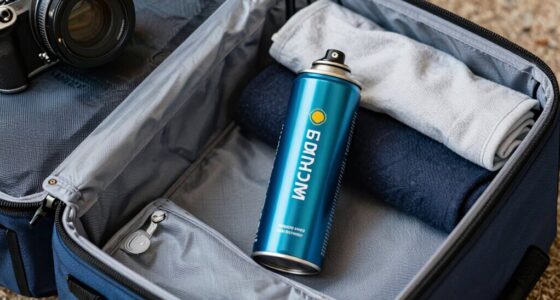
When flying with pepper spray, TSA rules prohibit carrying it in your carry-on luggage but allow it in checked bags if it’s under 4 ounces and properly packed. Most airlines restrict or ban pepper spray altogether, so always check their policies beforehand. For safer alternatives, consider personal alarms or compact flashlights. If your pepper spray is confiscated, there are legal options to stay prepared. Continue exploring to learn how to travel confidently and avoid issues at security checkpoints.

Get the latest gadgets delivered free with Prime
- Fast, free delivery on millions of items
- Prime Video, Amazon Music and more included
- Member-only deals all year
Key Takeaways
- Pepper spray is prohibited in carry-on luggage but may be allowed in checked bags if compliant with TSA size and packaging rules.
- TSA may confiscate pepper spray during security screening; always check current TSA and airline policies before packing.
- Many airlines restrict or ban pepper spray in checked luggage; verify airline policies to avoid delays or confiscation.
- Consider TSA-friendly self-defense alternatives like personal alarms, whistles, or compact flashlights that are legal and effective.
- Be aware of local laws regarding self-defense sprays in your travel destination to prevent legal issues or confiscation.
As an affiliate, we earn on qualifying purchases.
What Are TSA Rules for Flying With Pepper Spray?
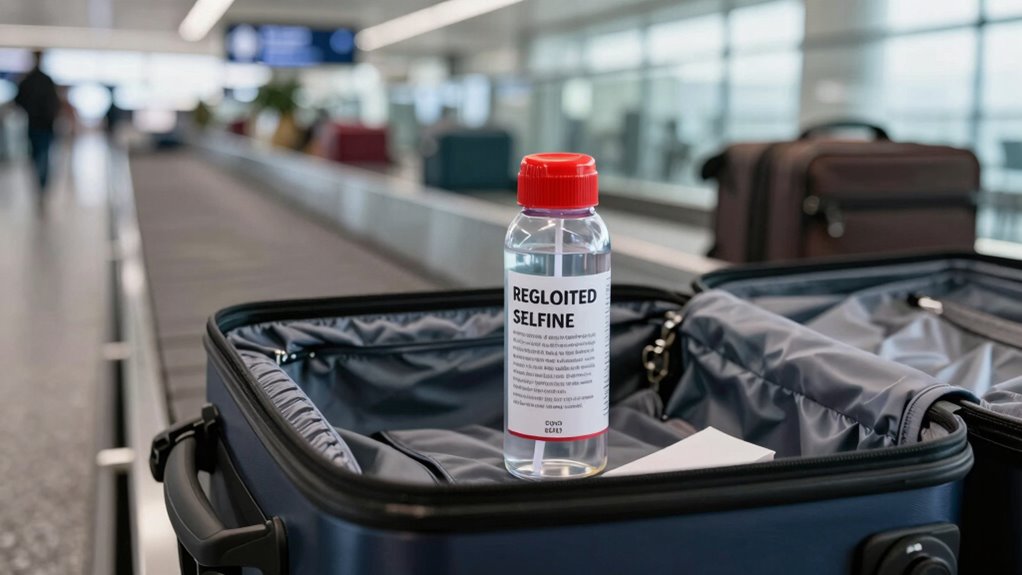
Flying with pepper spray is generally not allowed through TSA security checkpoints. The TSA’s pepper spray regulations strictly prohibit carrying aerosol defense sprays in your carry-on luggage due to safety concerns. Airport security considers pepper spray a prohibited item because it can be used as a weapon, posing a risk to travelers and staff. However, you’re permitted to pack pepper spray in your checked baggage, provided it complies with airline-specific rules and quantity limits. Always check the TSA’s guidelines before packing as regulations can vary. Keep in mind that security officers may confiscate any pepper spray found during screening. To avoid delays, it’s best to leave your pepper spray at home or ensure it’s packed correctly in checked luggage, following all airport security requirements. Additionally, understanding contrast ratio and other projector specifications can be essential when setting up a home theater system. When traveling, it’s also important to be aware of airline policies regarding the transportation of self-defense sprays, as these can differ between airlines. Being familiar with regulations on self-defense sprays can help travelers avoid potential issues at security checkpoints. For added safety, travelers should also verify local laws at their destination regarding pepper spray possession, as regulations may vary significantly. Moreover, researching state-specific restrictions can prevent unintentional violations upon arrival.
As an affiliate, we earn on qualifying purchases.
Can Airlines Allow Pepper Spray on Board?
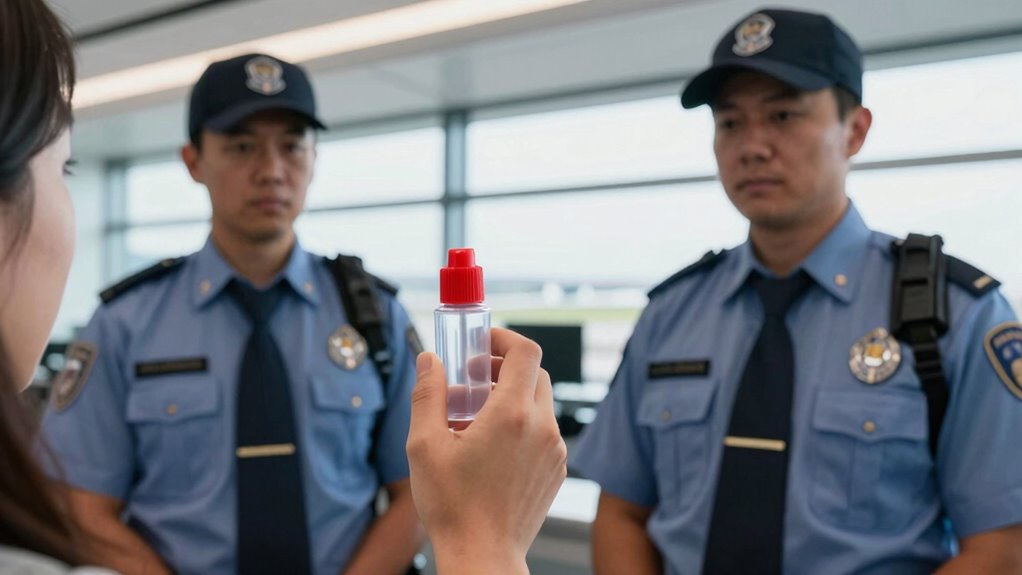
Can airlines allow pepper spray on board? Generally, the answer is no. Most airlines follow strict travel restrictions that prohibit carrying pepper spray in carry-on luggage due to safety concerns. Even if TSA permits it in checked bags, airlines may have their own policies that restrict or ban such items altogether. This is primarily for emergency preparedness, ensuring passengers and crew stay safe during travel. Airlines prioritize security and often limit items that could be used as weapons or pose a risk in-flight. Before packing pepper spray, check your airline’s policies and the latest travel restrictions. Staying informed helps prevent surprises at the airport and ensures your safety and compliance with all regulations. Additionally, understanding security regulations helps travelers navigate complex airport policies more effectively. Being aware of airport security measures can also be useful for handling unforeseen situations during travel.
As an affiliate, we earn on qualifying purchases.
How to Pack Pepper Spray Legally When Flying
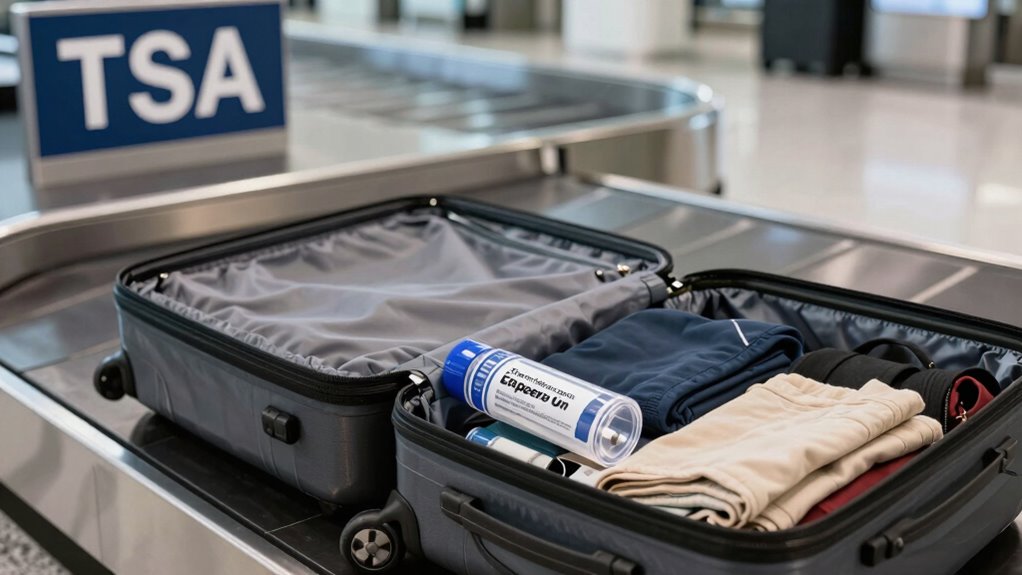
To pack pepper spray legally, you need to understand packaging rules and limits set by airlines and authorities. Policies can vary widely, so checking with your airline beforehand is essential. If restrictions are too strict, consider alternative self-defense options to stay safe while traveling. Additionally, researching reconditioning techniques can help ensure your self-defense products are in optimal condition and compliant with safety standards. Being aware of travel safety regulations can also help you avoid unexpected issues at security checkpoints, especially when understanding airline-specific policies related to carrying self-defense items. Familiarizing yourself with airline cargo policies can further prevent mishandling or confiscation of your pepper spray during transit, and understanding regulatory compliance can assist in adhering to legal requirements across different jurisdictions.
Packaging Requirements and Limits
When packing pepper spray for a flight, it’s vital to follow specific packaging requirements to guarantee legality and safety. Travel container regulations often limit the size of spray bottles you can bring, typically capping them at 4 ounces (118 milliliters). Make sure your pepper spray is in a durable, transparent container that allows TSA officers to inspect easily. The container should be securely capped to prevent leaks or accidental discharge. Avoid using bulky or unusual packaging that might raise suspicion. Check that the spray size restrictions are met, as exceeding limits can result in confiscation or legal issues. Proper packaging safeguards both your belongings and fellow travelers while complying with airline and TSA regulations. Additionally, understanding European cloud server innovations can inspire safer and more sustainable storage options for your personal items during travel. For added security, consider using tamper-evident seals to ensure the integrity of your pepper spray during transit. Incorporating secure packaging methods can further enhance safety and compliance during travel.
Airline Policy Variations
Airline policies regarding pepper spray vary widely, so it’s essential to check with your specific airline before packing. Many airlines have strict restrictions due to passenger safety concerns, and some outright ban pepper spray on all flights. To navigate these variations, consider these key points:
- Check airline restrictions—some airlines allow small, self-defense sprays in checked luggage but prohibit them in carry-on bags.
- Review packaging rules—certain airlines require pepper spray to be in original, unopened packaging if permitted.
- Confirm security policies—even if allowed, TSA and airline rules may differ, affecting how and where you can pack pepper spray. Being aware of airport security regulations can help you avoid unintended violations.
- Additionally, understanding the smartphone and accessory guidelines can help you stay informed about safety regulations and packing tips for travel.
- It is also advisable to familiarize yourself with the legality of pepper spray in your destination to ensure compliance with local laws.
- Knowing how herbal remedies are handled in security checks can sometimes be useful, especially if you prefer natural self-defense options or alternative safety tools.
Always verify policies beforehand to avoid delays or confiscation, ensuring passenger safety remains a priority.
Alternative Self-Defense Options
If carrying pepper spray isn’t feasible or allowed on your flight, consider exploring alternative self-defense options that are easier to pack and more likely to meet airline and security rules. Participating in pepper spray training can boost your confidence and teach effective use if you’re ever threatened. Alternatively, self-defense workshops focus on practical techniques that don’t require carrying any devices. These classes often cover situational awareness, escape tactics, and physical self-defense skills that can be invaluable in emergencies. Compact personal alarms or stun devices are also worth considering, as they are generally more travel-friendly and comply with regulations. Additionally, understanding airline policies regarding self-defense tools can help you avoid complications at security checkpoints. Being aware of vetted security measures like waves and wind can help you choose safer and more compliant self-defense options. By investing in these safer alternatives, you equip yourself with effective tools and skills without risking security issues or violating airline policies. Incorporating travel safety strategies can further enhance your preparedness and peace of mind while on the road.
As an affiliate, we earn on qualifying purchases.
What Are the Legal Risks of Traveling With Pepper Spray?
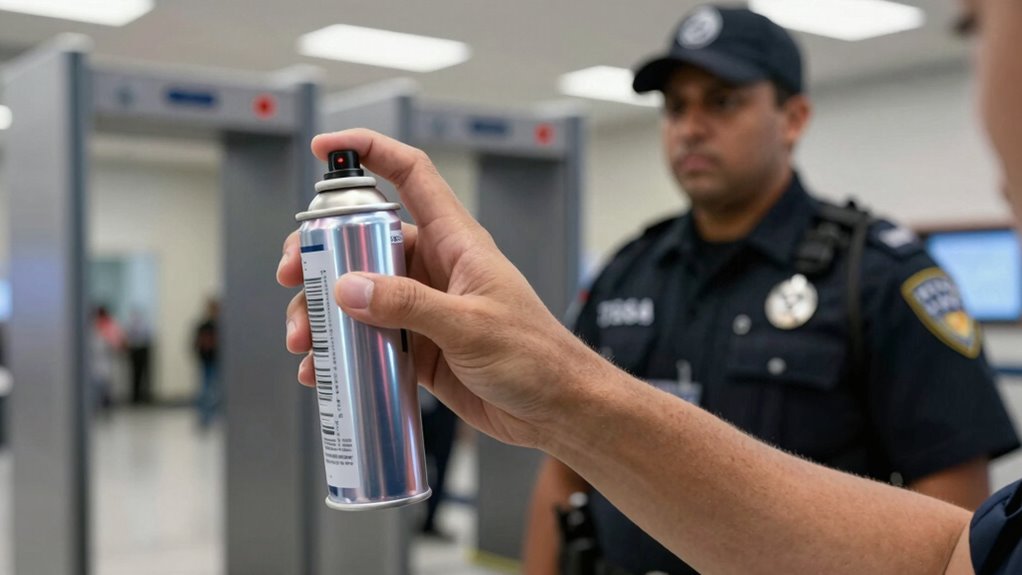
Traveling with pepper spray can pose significant legal risks, as regulations vary widely between jurisdictions and transportation providers. You might face legal implications if you’re caught with it in restricted areas or countries where pepper spray is illegal. Additionally, carrying it on flights could lead to liability concerns if authorities perceive it as a weapon.
Consider these points:
- Violating local or airline regulations may result in fines or confiscation.
- Possessing pepper spray in certain states or countries could be considered a criminal offense.
- Failure to comply might lead to arrest or criminal charges, especially if authorities interpret it as a weapon.
Understanding these risks helps you avoid legal trouble and ensures safer travel.
Safer Self-Defense Alternatives for Travelers
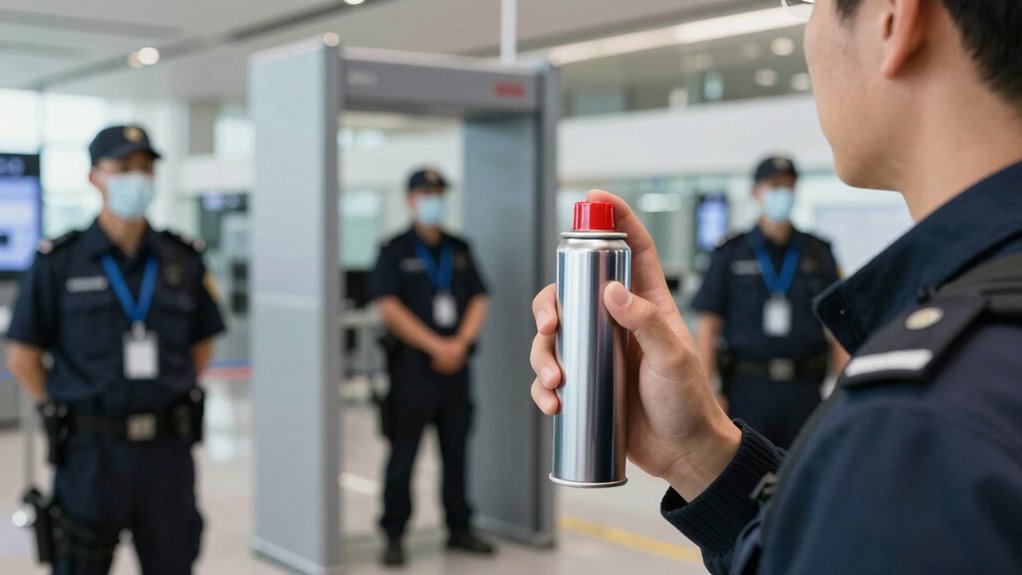
Given the legal risks associated with carrying pepper spray, exploring safer self-defense options can help you stay protected without risking legal trouble. Consider personal safety tools like a whistle or personal alarm, which draw attention without legal complications. Self-defense classes are also effective, teaching you techniques to defend yourself confidently. A compact flashlight can temporarily disorient an attacker, providing a chance to escape. Many travelers find that situational awareness and avoiding risky areas boost their travel security. Non-lethal options like a tactical pen or a sturdy keychain can serve as discreet self-defense tools. These alternatives prioritize your safety while respecting airline and TSA regulations, helping you travel confidently without the risks associated with pepper spray.
Tips for Traveling Confidently Without Pepper Spray
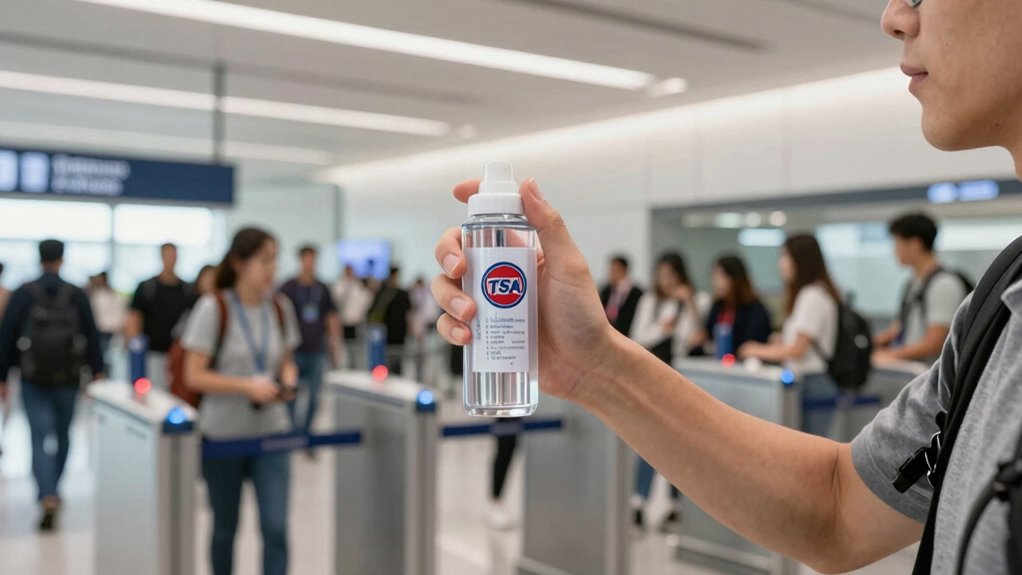
You can travel confidently without pepper spray by choosing safer self-defense tools that suit your needs. Packing wisely and understanding legal restrictions guarantees a smooth journey and peace of mind. Building your confidence through preparation helps you feel secure wherever you go.
Choose Safer Self-Defense Tools
While pepper spray is a common self-defense tool, many travelers prefer safer alternatives that are less likely to cause accidental harm or legal issues. You can explore other self defense gadgets and personal safety gear designed for travel. These options are discreet, easy to carry, and often TSA-friendly.
Consider these safer tools:
- Personal alarm devices that emit loud sounds to attract attention.
- Compact stun guns or tasers, if legal in your destination.
- Keychain whistles or flashing lights for quick alerts.
These alternatives help you stay confident and prepared without risking legal complications or accidental injury. Choosing safer self-defense gadgets ensures you feel secure while traveling, giving you peace of mind on your journeys.
Pack Wisely and Legally
Choosing safer self-defense tools helps you stay confident and prepared, but packing wisely and legally guarantees you won’t face issues at security checkpoints. Before traveling, check your airline’s policies and TSA regulations regarding what you can bring in carry-on and checked luggage. Avoid packing pepper spray or other prohibited items, as they can be confiscated or cause delays at airport security. Instead, consider investing in travel insurance that covers personal safety and emergencies. Keep important documents and valuables accessible, and pack essential items in an organized manner to streamline security checks. Being aware of the rules and packing accordingly helps reduce stress, ensures compliance, and allows you to focus on enjoying your trip without unnecessary worries about security issues.
Build Travel Confidence
Building travel confidence without pepper spray involves developing practical skills and mental preparedness that guarantee you feel secure in unfamiliar environments. Confidence in travel safety comes from knowing how to handle unexpected situations and relying on effective self defense gear. To boost your confidence:
- Learn basic self defense techniques to respond quickly if needed.
- Research your destination’s safety tips and local customs beforehand.
- Carry discreet self defense tools like personal alarms or compact flashlights.
Practicing these steps helps you stay alert, reduces anxiety, and empowers you to navigate new places confidently. Remember, mental preparedness and practical skills are your best tools for staying safe. Building this confidence ensures you enjoy your trip without unnecessary worries, even without pepper spray.
What to Do If Your Pepper Spray Is Confiscated at the Airport
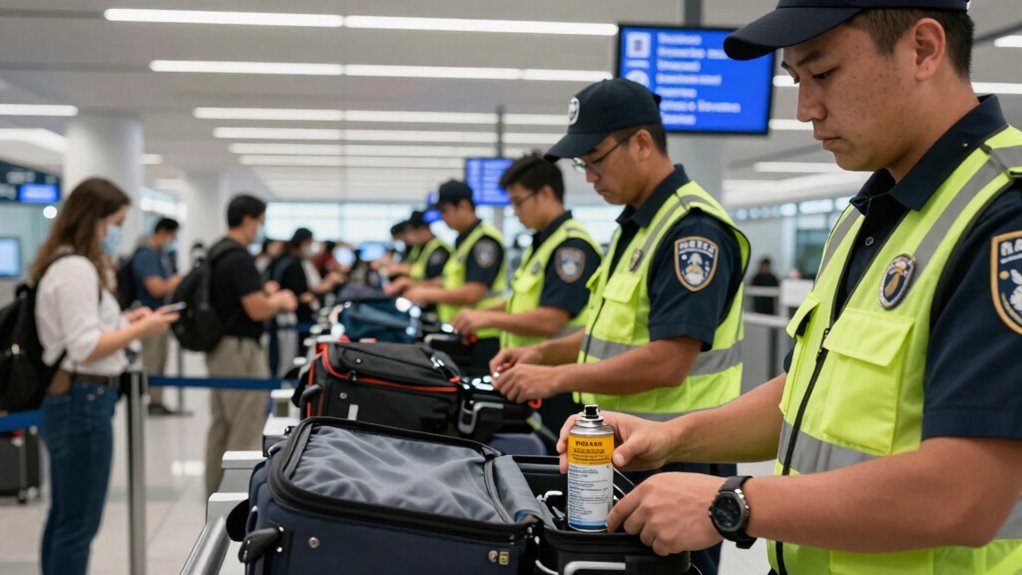
If your pepper spray gets confiscated at the airport, don’t panic. First, consider cultural considerations—some countries have strict laws against carrying self-defense sprays, so be aware of local regulations if you’re traveling internationally. Check the spray expiration date; expired pepper spray may be more likely to be confiscated because it’s less effective, and TSA might see it as a safety concern. If it’s confiscated, politely ask the agents if you can retrieve it later or if they’ll dispose of it safely. Remember, TSA policies prioritize safety, and understanding these rules helps prevent frustration. In the future, opt for TSA-compliant alternatives or check your local laws to avoid similar issues and ensure smoother airport experiences.
FAQs About Flying With Pepper Spray and Self-Defense Sprays
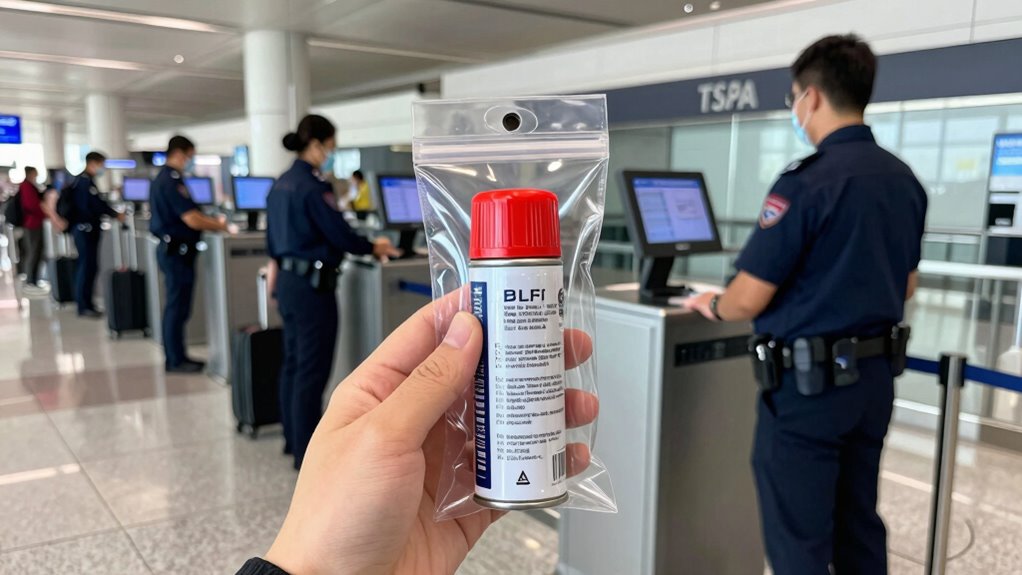
Many travelers have questions about flying with pepper spray and other self-defense sprays, and it’s important to comprehend the rules to avoid issues at security. Common pepper spray myths can lead to confusion, so knowing the facts helps ensure self defense safety. Here are some FAQs to clarify your concerns:
- Is pepper spray allowed in carry-on luggage? Usually not, as TSA bans it in cabin bags but permits it in checked bags if it meets size and spray limits.
- Can I bring pepper spray through security? Generally, no, unless it’s a permitted size and checked luggage.
- What are safer alternatives? Consider personal alarms or self-defense classes for effective, legal protection.
Understanding these points keeps you prepared and ensures a smoother travel experience.
Frequently Asked Questions
Can I Carry Pepper Spray in Checked Luggage Internationally?
You can’t carry pepper spray in checked luggage internationally, as most countries and airlines prohibit it due to safety concerns. Before you travel, check your destination’s regulations and consider travel insurance for emergencies. Make sure to have your emergency contacts accessible in case you need assistance. Always research local laws and airline policies to avoid confiscation or legal issues, ensuring a safer and stress-free journey.
Are There Specific Tsa-Approved Brands of Pepper Spray?
There aren’t specific TSA-approved brands of pepper spray, but you should look for products that meet safety standards and are labeled for self-defense. To guarantee pepper spray safety during travel, always check your airline’s policies and consider travel insurance coverage for any potential issues. Keep in mind that even approved brands may be restricted in some locations, so research local laws before packing.
How Do Airport Security Screen for Pepper Spray in Baggage?
They keep their eyes peeled for pepper spray during security checks. Airport security uses metal detectors to flag metal items, and X-ray scanners examine baggage for concealed items. Pepper spray, often in metallic containers, shows up on X-ray scans, so agents look for suspicious shapes or densities. If detected, they’ll open your bag to inspect further, so it’s best to leave it at home to avoid delays or confiscation.
Are There Any Restrictions on Size or Volume of Pepper Spray?
Yes, there are restrictions on pepper spray size and volume. You typically can’t carry pepper spray with a volume exceeding 2 ounces (59 milliliters) in your carry-on luggage. Larger pepper spray containers are usually only permitted in checked baggage, and even then, some airlines or regulations may restrict the size. Always check specific airline policies and TSA rules to verify your pepper spray complies with size and volume limits before traveling.
What’s the Process if My Pepper Spray Is Mistakenly Confiscated?
If TSA mistakenly confiscates your pepper spray, don’t panic. About 20% of lost and retrieved items are recovered, so you can file a complaint with TSA. Contact the TSA customer service, provide proof of ownership, and follow their process for lost item claims. Keep copies of your submission, and stay patient—most issues are resolved within a few weeks, and you might get your spray back.
Conclusion
Think of traveling with pepper spray as steering a busy river—you need to know the currents to avoid capsizing your plans. By understanding TSA rules, airline policies, and safer alternatives, you become the skilled captain of your journey. Stay informed, pack wisely, and steer clear of legal storms. With preparation and caution, you’ll sail smoothly through your travels, confident and secure, turning potential hazards into calm waters on your adventure.
Fall Picks
fall essentials
As an affiliate, we earn on qualifying purchases.