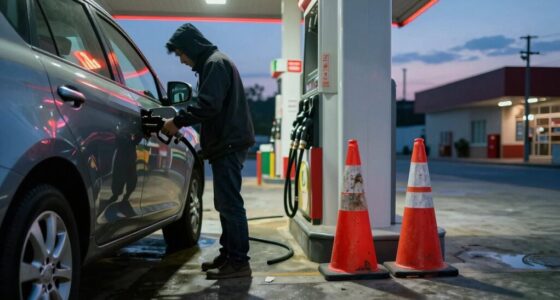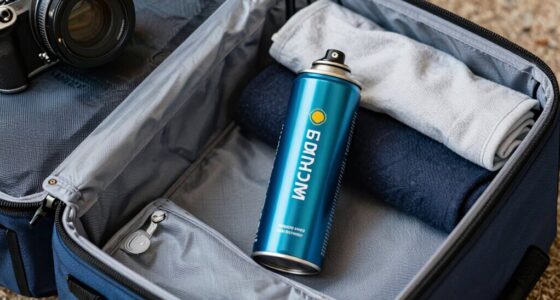

Extreme temperatures can harm your pepper spray by weakening its canister and reducing the potency of its active ingredients, especially if exposed to heat or freezing cold for extended periods. Hot conditions may cause leaks or damage the spray mechanism, while cold can make the canister brittle. Fluctuating temperatures accelerate deterioration and can make it less effective when you need it most. If you want to keep your spray reliable in any weather, learn how proper storage can help.
Key Takeaways
- Extreme heat can accelerate chemical breakdown, reducing pepper spray’s effectiveness and increasing safety risks from leaks or discharges.
- Cold temperatures may cause container brittleness or cracks, risking leaks and impairing spray performance.
- Repeated temperature fluctuations weaken canisters, leading to leaks, corrosion, or inconsistent spray patterns.
- Visible signs of damage or chemical changes indicate the pepper spray may no longer be effective or safe to use.
- Proper storage in a cool, dry environment prevents deterioration, maintaining safety, potency, and reliability over time.
Does Hot or Cold Weather Change What’s Inside Your Pepper Spray?
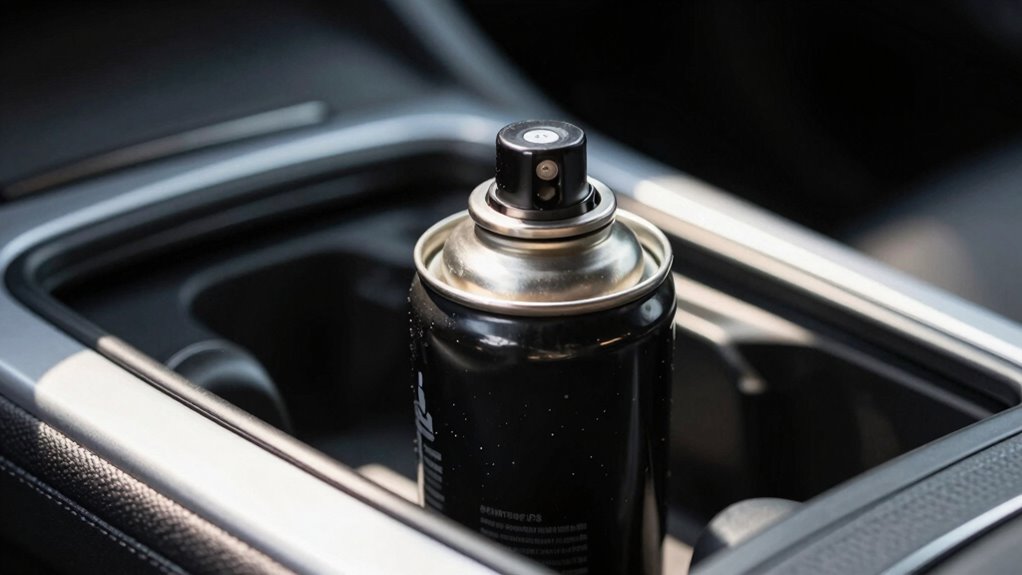
Hot or cold weather can considerably affect what’s inside your pepper spray. Extreme temperatures can impact its pepper spray shelf life and chemical stability. When exposed to heat, the propellant and active ingredients may break down faster, reducing effectiveness over time. Cold temperatures can cause the container to become brittle or crack, risking leaks or damage. While the chemical stability of the active capsaicin compound is generally resilient, temperature fluctuations can accelerate degradation or alter the spray’s potency. Proper storage is essential to ensure it functions correctly when needed, preventing premature deterioration that could compromise your safety. Temperature effects can significantly influence the chemical stability and overall performance of pepper spray. Understanding storage considerations is crucial for maintaining its chemical integrity, especially since improper storage can lead to degradation of active ingredients. Properly storing pepper spray in a stable environment, away from direct sunlight and extreme temperatures, can help preserve its potency and effectiveness. Always consider temperature effects to preserve your pepper spray’s effectiveness.
How Temperature Extremes Can Reduce Pepper Spray’s Effectiveness Over Time

Extreme temperatures can substantially diminish your pepper spray’s effectiveness over time. When exposed to heat or cold, the chemical stability of the active ingredients can degrade, reducing its ability to incapacitate an attacker. This degradation often occurs before the expiration date, making your spray less reliable. To understand the risks, consider these points: 1. Heat accelerates chemical breakdown, weakening the spray’s potency. 2. Cold can cause the canister’s components to contract, affecting spray delivery. 3. Both extremes can lead to a false sense of security if you rely on an outdated expiration date. Additionally, temperature fluctuations can cause the chemical composition to change unpredictably, further compromising effectiveness. Proper storage conditions are crucial for maintaining chemical stability and ensuring your pepper spray remains effective when needed. Storing your pepper spray within recommended temperature ranges helps maintain its chemical integrity, ensuring it works when you need it most. Additionally, proper storage can prevent the canister from becoming damaged or compromised, which could render it useless in an emergency. Exposure to extreme temperatures can also impact the canister’s structural integrity, increasing the risk of leaks or rupture. Always check the expiration date and avoid exposing your spray to temperature extremes.
Do Temperature Fluctuations Damage Your Pepper Spray Canister’s Safety?
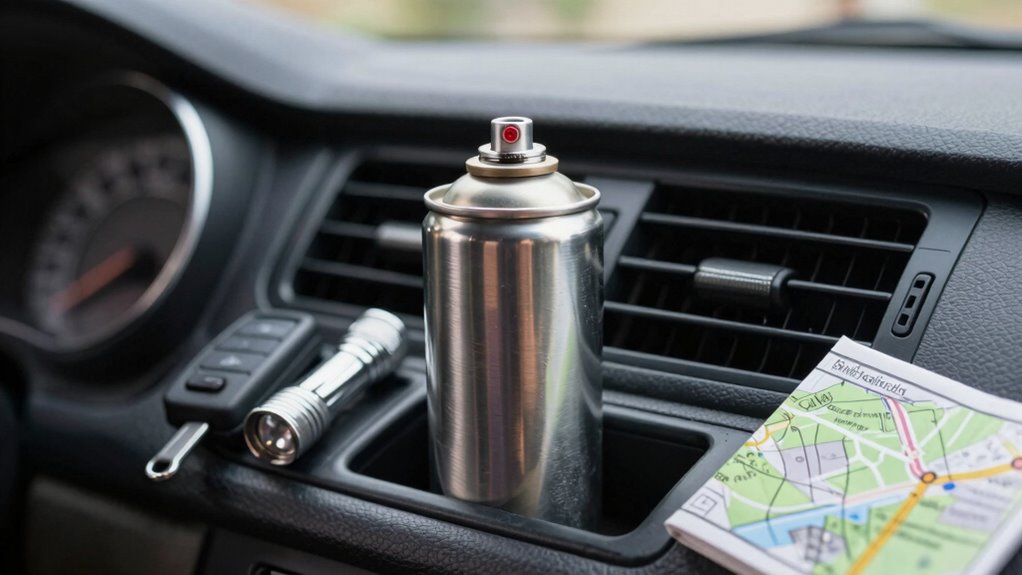
Fluctuations in temperature can compromise the safety of your pepper spray canister, even if they don’t cause visible damage. Repeated hot and cold cycles can lead to canister corrosion, weakening its structural integrity over time. This process can be accelerated by temperature-related material expansion, which stresses the canister’s components. This can increase the risk of leaks or accidental discharge, which can be dangerous. Additionally, extreme temperature shifts may cause label deterioration, making important safety instructions or expiration dates unreadable. When labels become illegible, you might not notice if the spray has expired or if the canister is compromised. Proper storage in a stable environment minimizes the risk of canister corrosion and label deterioration, ensuring your pepper spray remains safe and effective when you need it most. Protecting your pepper spray canister’s integrity by avoiding temperature extremes is essential for maintaining its readiness and safety. Maintaining proper storage conditions helps preserve both the safety and the longevity of your pepper spray. Additionally, understanding the effects of temperature on aerosol contents can help you choose optimal storage spots.
Best Ways to Store Your Pepper Spray in Your Car’s Glove Box

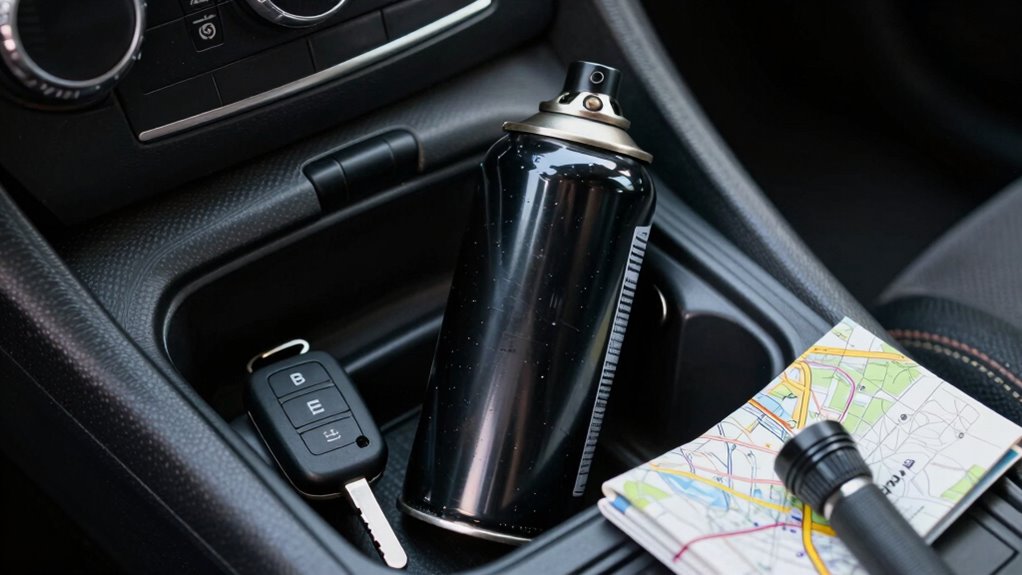
Storing your pepper spray in your car’s glove box requires careful attention to guarantee it stays safe and effective. Proper storage supports vehicle maintenance and helps you stay compliant with legal considerations. To do this effectively:
- Keep it away from direct sunlight and extreme temperatures, which can degrade the canister. Heat and Cold Effects on chemical compounds can reduce the potency of pepper spray.
- Ensure it’s securely placed to prevent accidental discharge or damage during sudden stops.
- Check local laws about carrying pepper spray in vehicles to avoid legal issues.
- Be mindful of the Free Floating nature of certain chemical compounds, which can be affected by temperature fluctuations.
- Understanding chemical stability is essential for maintaining the integrity and effectiveness of your pepper spray over time. Additionally, storing it in a temperature-controlled environment can further preserve its potency and safety.
- Awareness of environmental factors can help prevent accidental deterioration of the chemical components, ensuring your pepper spray remains reliable when needed.
How to Tell if Your Pepper Spray Has Been Damaged by Heat or Cold

You should check your pepper spray for signs of damage after exposure to extreme temperatures. Look for changes in spray pressure, color, or clarity that indicate it may no longer be effective. Additionally, inspect for any leaks or physical damage that could compromise its safety and performance. Proper storage in the car glove box can help maintain its effectiveness by avoiding water exposure, which may degrade the contents. Ensuring your pepper spray is stored in a controlled environment can prolong its shelf life and reliability. Storing it away from direct sunlight and extreme temperatures is essential to prevent chemical degradation that diminishes its potency.
Changes in Spray Pressure
Extreme temperatures can profoundly impact the pressure inside your pepper spray canister, making it less effective or even unusable. When exposed to heat, the canister pressure may increase, causing the spray to come out too forcefully or leak. Cold temperatures can reduce the pressure, leading to weak or inconsistent spray. To assess if your pepper spray has been damaged by temperature changes, consider these signs:
- Canister pressure feels unusually high or low when you shake it gently.
- Spray comes out uneven, dribbling or splattering rather than a steady stream.
- The spray seems weaker or less forceful than when it was new.
Monitoring these signs helps you understand if your pepper spray’s spray consistency has been compromised.
Color and Clarity Shifts
Changes in temperature can also cause visible signs in your pepper spray, such as alterations in color or clarity. These visual indicators suggest that the chemical stability of the solution has been compromised. If your spray turns a different shade or becomes cloudy, it’s a sign that cold or heat exposure may have affected its effectiveness. Pepper spray relies on a stable mixture; when it’s damaged, its ability to spray correctly and deliver the irritating agent may diminish. Always inspect your canister regularly for such color or clarity shifts. If you notice any changes, it’s best to replace the spray to ensure safety and proper function. Visual indicators like these are easy ways to determine if your pepper spray has been compromised by temperature extremes.
Leakage or Damage Signs
Damage from heat or cold can often be spotted by looking for signs of leakage or physical deformities on your pepper spray canister. If you notice any fluid leaks, it’s a clear sign the seal or valve may be compromised. Additionally, examine the canister for corrosion, which can occur when the container’s integrity is affected by temperature extremes. Container cracking is another warning—look for visible splits or fractures in the metal or plastic body. These issues indicate the canister has been damaged and may pose safety risks. Always check for these signs before using your pepper spray. Restoring a damaged canister isn’t recommended; replacing it is the safest option to ensure proper functioning and your protection.
Tips to Keep Your Pepper Spray Reliable in Any Weather
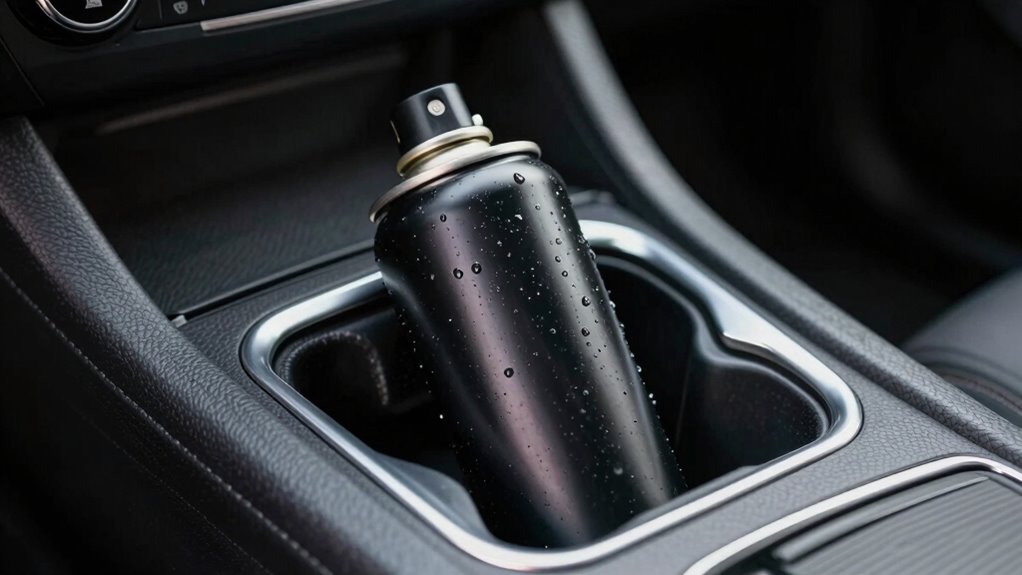
To guarantee your pepper spray works reliably in any weather, you need to take proactive steps to protect it from the elements. First, check the pepper spray expiration date regularly, as expired canisters may lose effectiveness. Store your pepper spray in a cool, dry place to prevent it from overheating or freezing, which can compromise canister material durability. If you carry it in your car, keep it out of direct sunlight and avoid extreme temperatures. Using a protective case or glovebox compartment can help shield it from harsh conditions. Also, test the canister periodically to ensure it still functions properly. Proper storage and maintenance will ensure your pepper spray remains reliable when you need it most, regardless of weather conditions.
Frequently Asked Questions
How Long Does Pepper Spray Typically Last Before Expiration?
Pepper spray typically lasts around 2 to 4 years before expiration. Its shelf life depends on proper storage, maintaining chemical stability. Over time, the propellant and active ingredients can degrade, reducing effectiveness. You should regularly check the expiration date on the canister and store it in a cool, dry place. After expiration, it’s best to replace the spray to ensure it works properly when you need it.
Can Exposure to Sunlight Affect Pepper Spray’s Potency?
Coincidentally, sunlight can weaken your pepper spray’s potency through UV degradation. When exposed to direct sunlight, the UV rays break down its active chemicals, compromising chemical stability. This means the spray might not work effectively when you need it most. To keep your pepper spray reliable, store it in a cool, dark place, avoiding prolonged sun exposure. Proper storage maintains its strength and ensures it’s ready if needed.
Is There a Way to Test if Pepper Spray Still Works?
You can test if your pepper spray still works by carefully spraying a small amount outdoors, away from yourself or others, to check the spray pattern and spray duration. Follow safety precautions, like wearing protective gear and testing in a safe area. Store your pepper spray in a cool, dry place, away from sunlight and extreme temperatures, to preserve its effectiveness. Regular testing and proper storage ensure it’s ready when you need it most.
Does Reusing or Refilling Pepper Spray Affect Its Safety?
Reusing or refilling pepper spray can pose safety concerns because of refilling risks. If you don’t do it properly, you might accidentally cause leaks or misfire the spray, reducing its effectiveness and risking injury. It’s safer to replace the canister altogether instead of refilling it yourself. Always follow manufacturer instructions, and consider buying a new can if you suspect the current one has expired or been compromised.
Are There Specific Brands More Resistant to Temperature Changes?
Some brands shine brighter in resisting temperature swings thanks to better container materials and thoughtful design, making them more durable in your car’s glovebox. You’ll find that brands prioritizing high-quality plastics and sealed caps tend to offer greater brand durability, protecting the spray from heat and cold. Look for labels noting heat resistance or cold tolerance, so you’re better prepared no matter the weather, ensuring your safety tool remains effective when you need it most.
Conclusion
To keep your pepper spray effective, store it properly and avoid extreme temperatures. Did you know that exposure to heat above 120°F can diminish the spray’s potency in just a few months? Regularly check your canister for damage or leaks, especially after hot or cold spells. By taking these simple steps, you’ll ensure your pepper spray stays reliable when you need it most, giving you peace of mind wherever you keep it.