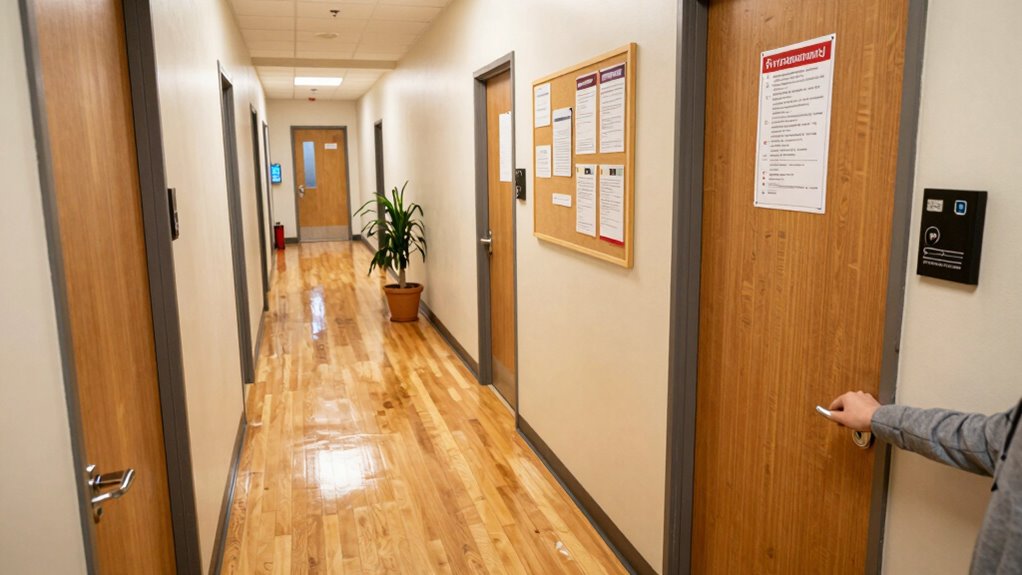

To stay safe in shared dorm entryways and common areas, always be aware of your surroundings and follow security protocols. Don’t let anyone tailgate behind you or hold the door open for strangers you don’t recognize. Report suspicious activity immediately and guarantee visitors check in. Cultivating a community of vigilance helps protect everyone. Staying informed about security measures and practicing good habits can make a big difference, and you’ll find even more tips if you continue exploring this topic.

Get the latest gadgets delivered free — and shop member deals
- Fast, free delivery on millions of items
- Access to Prime Big Deal Days deals on October 6–7
- Prime Video, Amazon Music and more included
Key Takeaways
- Ensure all entry points are secured and monitor who enters, preventing tailgating and unauthorized access.
- Establish clear visitor check-in procedures and limit access to authorized residents and staff.
- Keep shared spaces well-lit, clutter-free, and regularly inspected for safety hazards.
- Promote a culture of vigilance by encouraging residents to report suspicious activity promptly.
- Educate residents on emergency exits, protocols, and the importance of respecting others’ privacy and belongings.
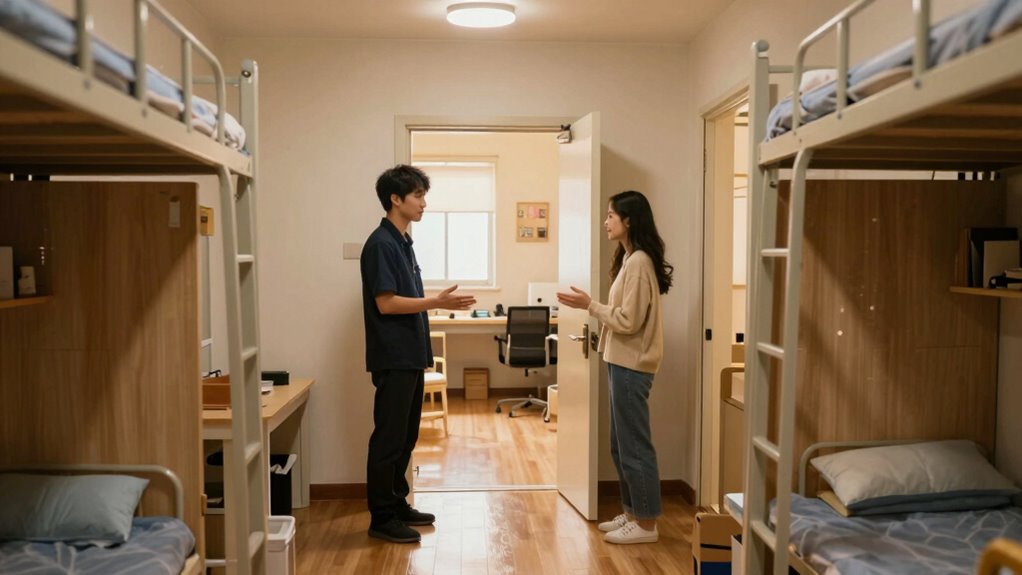
Living in a dorm means sharing spaces and entry points with others, which can pose safety challenges if not managed properly. You need to be proactive about security protocols to guarantee your safety and that of your neighbors. Always familiarize yourself with the building’s security measures, such as key card access, visitor policies, and secure entry points. If there are security cameras, know where they are located and how they function. Never let anyone tailgate you into the building; be vigilant and ask visitors to check in at the front desk or security station. Your awareness and adherence to these protocols help maintain a safe environment for everyone.
It’s equally important to understand emergency procedures and your role in them. Know the location of fire exits, fire extinguishers, and emergency alarms. Practice fire drills if they’re held, so you’re prepared to respond swiftly if an emergency arises. Keep a mental map of escape routes from your room and common areas, and always keep pathways clear of clutter, which can hinder quick evacuations. When an alarm sounds, don’t hesitate—exit calmly and quickly, following the designated routes. Stay informed about emergency contacts and procedures, so you’re ready to act without hesitation. Additionally, understanding the importance of security protocols can help you better respond to unexpected situations and prevent emergencies from occurring.
In addition to formal protocols, use everyday safety practices to reinforce shared space security. Always lock your door when you leave your room, even for a short period. Do not share keys or access codes with anyone who isn’t authorized, and report lost keys immediately to dorm staff. Respect others’ privacy and personal belongings; avoid entering rooms without permission. These small actions contribute to a culture of respect and safety within your dorm community. Moreover, cultivating a security-conscious attitude helps everyone stay alert and prepared for potential risks. Staying informed about security measures in your dorm can help you identify vulnerabilities before they become problems.
Communication plays a key role too. If you notice suspicious activity or security concerns, report them promptly to dorm authorities or security personnel. Staying alert and aware of your surroundings helps prevent potential problems before they escalate. Also, participate in safety programs or workshops offered by your residence; they often provide valuable tips and updates on security protocols and emergency procedures.
Finally, fostering a culture of security awareness among residents encourages everyone to take responsibility for maintaining a safe environment. Ultimately, shared entry and space safety depend on your vigilance and cooperation. By understanding and following security protocols, preparing for emergencies, and practicing good safety habits, you can help create a safe living environment for yourself and your neighbors. It’s not just about personal safety—it’s about fostering a community where everyone feels secure and respected.
As an affiliate, we earn on qualifying purchases.
Frequently Asked Questions
How Can Residents Report Safety Concerns Anonymously?
You can report safety concerns anonymously by using your dorm’s anonymous reporting system or hotline. Many campuses provide online forms or dedicated apps that let you submit safety concerns without revealing your identity. Just access the platform, describe your concern clearly, and submit it. This way, you can guarantee your safety concerns are heard while maintaining your privacy, helping staff address issues promptly and effectively.
What Are the Consequences of Violating Shared Space Rules?
Breaking shared space rules can lead to serious consequences, disrupting everyone’s safety. You’re responsible for maintaining a shared space, and violations threaten that balance. If you ignore rules, you risk conflicts escalating or facing disciplinary actions. Remember, shared responsibility involves respecting boundaries and resolving conflicts calmly. Stay alert, follow guidelines, and foster trust—because a safe, harmonious dorm depends on your commitment to shared space safety.
How Often Are Safety Drills Conducted in Dorms?
Safety drills in dorms are typically conducted at least once a semester to guarantee emergency preparedness. During these drills, you’ll learn and practice security protocols, such as evacuation procedures and shelter-in-place actions. Regular drills help you stay alert and prepared for unexpected situations. Keep an eye out for announcements from dorm staff, and take these exercises seriously to protect yourself and your fellow residents effectively.
Can Residents Customize or Personalize Shared Entry Areas?
You might wonder if you can personalize the shared entryway decor, and the answer varies. Some dorms have strict personalization policies, limiting changes for safety reasons, while others encourage residents to add their touch. Check your dorm’s rules carefully, but often, small touches like welcome mats or photos are allowed. Just make sure your choices don’t compromise shared space safety, keeping entryways welcoming yet secure for everyone.
What Support Is Available for Students Experiencing Safety Issues?
If you’re facing safety issues, you can access mental health support and conflict resolution resources through your campus. Reach out to resident advisors or campus security for immediate help, and consider counseling services for ongoing concerns. These resources are there to support your well-being, help you navigate conflicts, and guarantee your safety in shared dorm spaces. Don’t hesitate to seek assistance—your safety and mental health matter.
As an affiliate, we earn on qualifying purchases.
Conclusion
Remember, your dorm is like a garden—each of you tends to it with care. Shared entry and space safety aren’t just locks or rules; they’re the roots that keep your community thriving. When you respect boundaries and communicate openly, you nurture a safe environment where everyone can flourish. Protecting your shared space isn’t just about security—it’s about cultivating trust and growth, ensuring your dorm remains a sanctuary where all can feel secure and supported.
As an affiliate, we earn on qualifying purchases.
As an affiliate, we earn on qualifying purchases.
Halloween Picks
halloween
As an affiliate, we earn on qualifying purchases.