
To build a layered safety setup without spending everything at once, start by prioritizing the most critical vulnerabilities and addressing them first. Use your existing resources, like staff expertise and current infrastructure, to implement simple safety measures. Incorporate policies and training alongside physical equipment to strengthen safety habits. Gradually expand your system as your resources grow, regularly reviewing and updating your plans. Keep exploring to discover more practical tips for creating an all-encompassing safety system over time.
Key Takeaways
- Prioritize critical vulnerabilities and implement essential safety measures first to establish a strong foundational layer.
- Leverage existing resources and gradually add new safety equipment as budget allows.
- Integrate policies and training to reinforce safe behaviors alongside physical safety measures.
- Involve staff and stakeholders in identifying gaps and developing phased safety improvements.
- Regularly review and update safety plans to adapt and expand layers over time.
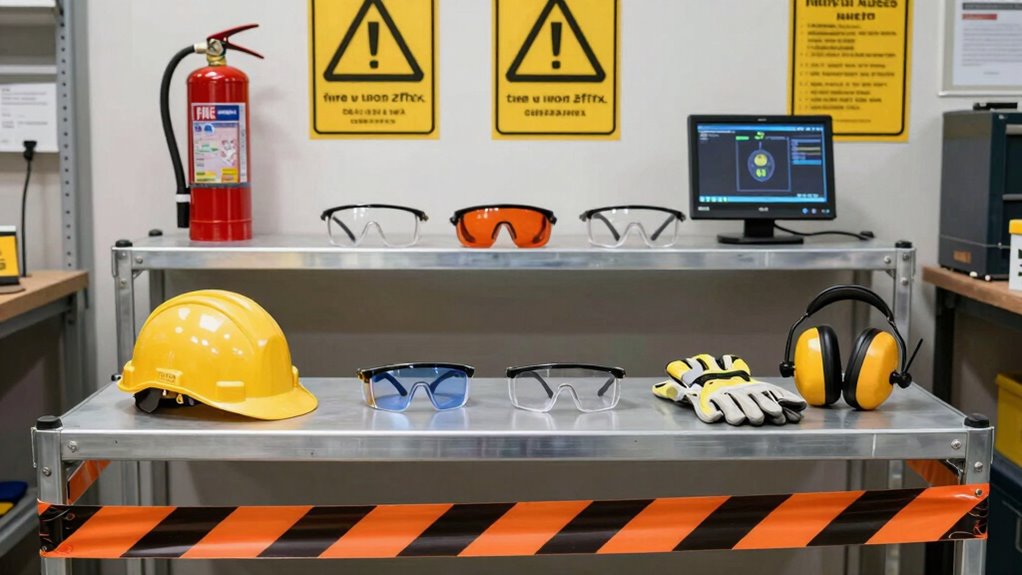
Start with a solid foundation by establishing emergency preparedness protocols. This involves creating clear procedures for fire drills, evacuation plans, and first aid responses. Training your team in safety protocols is just as important as installing safety equipment. Conduct regular safety training sessions that emphasize practical skills and knowledge, so everyone understands their role during emergencies. When your employees are well-prepared, you reduce the risk of injury and confusion during real incidents. Emergency preparedness isn’t a one-time effort; it’s an ongoing process that should be integrated into your safety culture. Incorporating risk assessment into your planning can help identify potential hazards before they become emergencies. Conducting a comprehensive hazard analysis can further strengthen your safety strategy by pinpointing less obvious vulnerabilities.
Establish ongoing emergency preparedness protocols and regular safety training to build a resilient safety culture.
Next, assess your current safety risks and identify gaps in your setup. For example, if your workplace has fire hazards, start with installing fire alarms and extinguishers. If there’s a risk of slips and falls, invest in non-slip flooring and proper signage. As your budget allows, add more advanced measures like security cameras, access controls, or environmental monitoring systems. Remember, safety isn’t just about physical equipment; it also involves policies and procedures that reinforce safe behavior. Incorporate safety training into your routine, so your team remains aware of new hazards and best practices. Utilizing technology solutions can help streamline safety management and improve response times. Conducting regular safety audits can further help in identifying overlooked vulnerabilities.
Building a layered safety setup also means leveraging existing resources. Use your staff’s expertise to identify safety concerns and involve them in implementing solutions. Consider partnering with safety consultants or local agencies for guidance on best practices and affordable options. As you expand your safety measures, always keep communication clear and transparent, so everyone understands the purpose of each layer. Regularly reviewing and updating your safety plan ensures it stays relevant and effective over time. Incorporate feedback from your team to continuously improve your safety measures and adapt to new challenges.
Finally, regularly review and update your safety plan. Conduct audits, gather feedback, and adjust your strategy accordingly. Building a layered safety setup isn’t a one-and-done task; it’s an ongoing process that evolves with your organization. By focusing on emergency preparedness and safety training from the start, you create a strong foundation that safeguards your assets and personnel, even as you grow your safety measures over time.

Safety and Trauma Supplies DOT OSHA Compliant Kit with 2lb 5BC Fire Extinguisher
- Bag Color May Vary: Color may differ
- Fire Extinguisher Type: 5BC Fire Extinguisher
- Electrical Fuses Included: Set of 12 Fuses (6 standard, 6 mini)
As an affiliate, we earn on qualifying purchases.
As an affiliate, we earn on qualifying purchases.
Frequently Asked Questions
How Do I Prioritize Safety Measures for Different Risk Levels?
You should start with a thorough risk assessment to identify the highest danger areas first. Prioritize safety measures that address these critical risks, fostering a strong safety culture that encourages vigilance and proactive behavior. By focusing on the most significant hazards initially, you create a safer environment and build momentum for adding layered safety measures over time, ensuring your safety setup evolves effectively without overwhelming your resources.
What Are Cost-Effective Ways to Start a Layered Safety System?
Starting a layered safety system is like planting seeds for growth—you begin small and expand. Focus on cost-effective steps like implementing clear emergency protocols and installing safety signage. These are inexpensive yet crucial. Use community resources, DIY signage, and free training programs to keep costs low. As you grow, add more layers, but these basic measures set a strong foundation for safety without breaking the bank.
How Often Should Safety Equipment Be Inspected and Updated?
You should inspect your safety equipment regularly, following recommended safety standards and inspection schedules. For most gear, inspect monthly and after any incident or heavy use. Update or replace equipment immediately if it shows signs of wear, damage, or fails inspection. Staying diligent guarantees your safety setup remains reliable, effective, and compliant with safety standards, reducing risks and maintaining a safe environment.
Can I Customize Safety Layers for Specific Work Environments?
Yes, you can definitely customize safety layers for specific work environments. Personal protective equipment should be tailored to the hazards present, and emergency protocols should be adapted accordingly. Assess the risks unique to each environment, then select appropriate safety measures like specialized PPE, signage, or alarms. Regularly review and update these safety layers to guarantee they effectively protect workers and align with evolving work conditions.
What Training Is Necessary for Effective Safety Setup Implementation?
You need to train yourself in Personal Protective Equipment, emergency preparedness, and safety protocols. You’ll learn to identify hazards, properly use safety gear, and respond to emergencies effectively. Practice safety drills regularly, stay updated on new procedures, and understand your organization’s safety policies. This ongoing training guarantees you can implement a layered safety setup confidently, reducing risks and protecting everyone on your team.
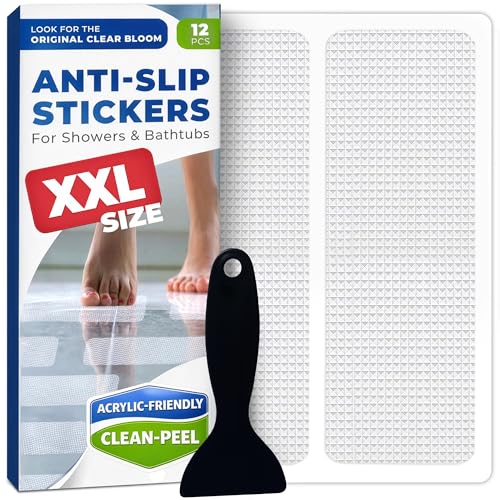
XXL Anti Slip Shower Stickers 12 PCS, Non-Slip Bath Tub Strips, Clear
- Material: Premium PEVA, non-toxic and durable
- Safety: Anti-slip protection for various surfaces
- Design & Application: Easy to install with ecological glue
As an affiliate, we earn on qualifying purchases.
As an affiliate, we earn on qualifying purchases.
Conclusion
By gradually building your layered safety setup, you create a more resilient and adaptable system without feeling overwhelmed or overspent. For example, start with basic fire alarms, then add security cameras and smart locks over time. This approach allows you to identify what works best for your home and budget, ensuring you’re protected at every layer. Remember, safety isn’t about buying everything at once but thoughtfully stacking protections to keep you secure.
security camera system for small business
As an affiliate, we earn on qualifying purchases.
As an affiliate, we earn on qualifying purchases.
emergency preparedness first aid kit
As an affiliate, we earn on qualifying purchases.
As an affiliate, we earn on qualifying purchases.