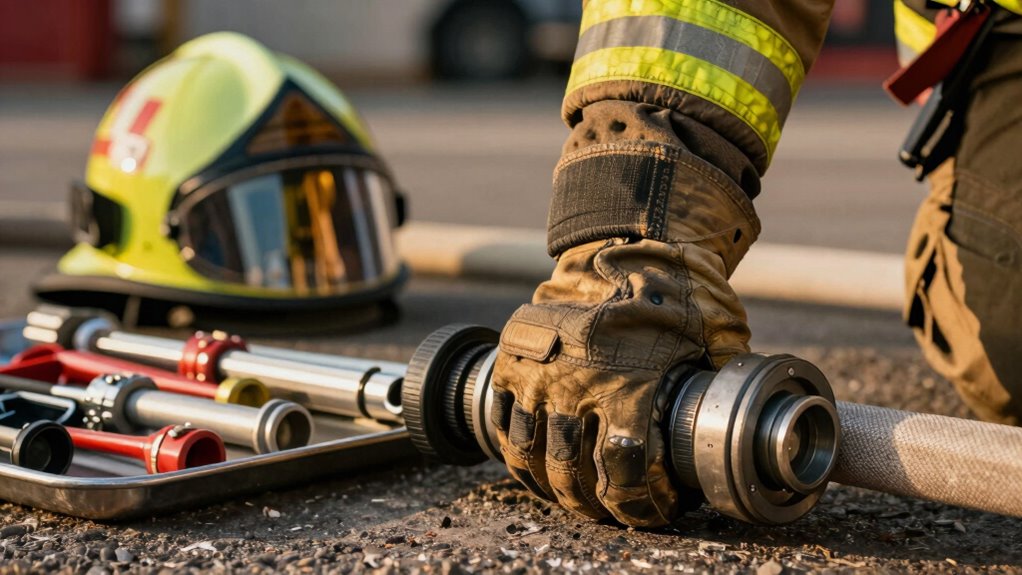
Knowing where help usually comes from boosts your sense of safety in emergencies and helps you stay calm. When you understand community resources like local responders, volunteers, and emergency shelters, you can act quickly and confidently. This knowledge reduces panic and confusion, making it easier to follow protocols and cooperate with responders. Staying informed about these systems can make a big difference when seconds matter—exploring further reveals how you can strengthen your safety network.
Key Takeaways
- Knowing help sources reduces panic and enables swift, confident responses during emergencies.
- Awareness of local responders and resources improves cooperation and accelerates assistance.
- Understanding community protocols and systems enhances emergency preparedness and reduces chaos.
- Familiarity with help sources fosters a sense of safety and belonging in uncertain situations.
- Recognizing roles of responders ensures effective collaboration and trust during crises.
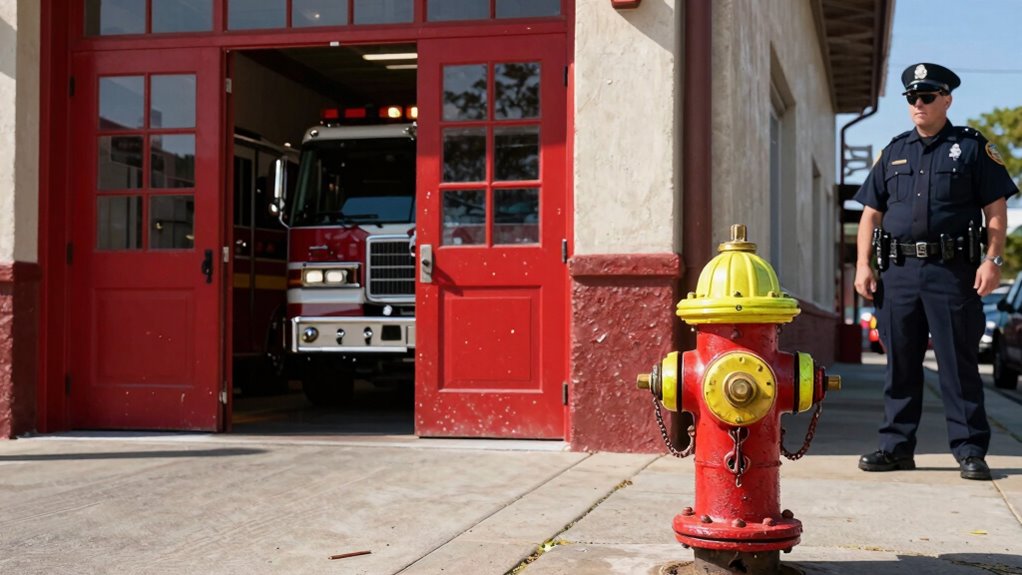
Knowing where help usually comes from can considerably boost your sense of safety in uncertain situations. When you understand the usual sources of assistance, you’re less likely to panic and more likely to respond calmly. Emergency preparedness becomes more effective when you know who to call or where to go in a crisis. Whether it’s knowing the emergency services number, identifying the nearest hospital, or understanding how to contact local authorities, this knowledge can be lifesaving. It removes the guesswork during critical moments, allowing you to act swiftly and confidently. Building familiarity with community resources, such as local volunteers or neighborhood organizations, enhances your overall safety network. Community support plays a vital role in your safety net. When you’re aware of neighborhood resources—such as local volunteers, community centers, or neighborhood watch groups—you feel more connected and prepared. Building relationships with neighbors and local organizations means help can arrive faster if needed. These community networks often know the local terrain, hazards, and resources better than anyone else, making them invaluable during emergencies. Knowing who to turn to within your community not only improves your safety but also strengthens your sense of belonging and resilience. Emergency preparedness isn’t just about having supplies; it’s about understanding the systems in place to assist you. For example, knowing the location of emergency shelters or how to activate community alert systems can make a significant difference. It’s also crucial to familiarize yourself with how your community responds to different crises—be it natural disasters, accidents, or health emergencies. When you understand these protocols, you’re more likely to follow them effectively, reducing chaos and confusion. This proactive approach keeps you safer and helps ensure that help reaches you and others quickly. Being aware of where help usually comes from also means knowing the roles of various responders. Police, fire departments, medical teams, and community volunteers all have specific functions. Recognizing their roles allows you to cooperate better during emergencies, which can accelerate assistance and reduce risks. You can also prepare by learning what kind of support each provides and how to access it. This knowledge diminishes fear, replacing it with a sense of control, and encourages you to be proactive rather than reactive. Additionally, understanding emergency response systems can help you navigate complex situations more effectively. Developing a basic understanding of local emergency protocols can also empower you to follow instructions more confidently during crises. Gaining familiarity with response procedures ensures you can act swiftly and correctly when seconds count. It’s important to remember that community knowledge plays a vital role in effective emergency response, as local insight can often make a difference in outcomes. Furthermore, understanding the roles of emergency responders can help you better cooperate with those providing aid. Ultimately, understanding the sources of help—be it emergency services or community support—empowers you to act decisively when it matters most. It reduces uncertainty, fosters trust in local systems, and encourages you to participate in community safety efforts. The more you know about where help usually comes from, the more confident you’ll feel in your ability to protect yourself and others. This awareness is a vital aspect of personal and communal resilience, making your environment safer and more prepared for whatever challenges may arise.
emergency responder contact information
As an affiliate, we earn on qualifying purchases.
As an affiliate, we earn on qualifying purchases.
Frequently Asked Questions
How Does Knowing Help Sources Reduce Panic During Emergencies?
Knowing help sources reduces panic during emergencies because it boosts your emergency preparedness and helps you act quickly. When you understand where help is accessible, you avoid confusion and hesitation, making rescue efforts more effective. This familiarity gives you confidence, so you stay calm and focused. As a result, you’ll respond faster, ensuring your safety and that of others, even in chaotic situations.
Can Understanding Help Origins Improve Community Safety Plans?
Understanding help origins acts like a lighthouse guiding your community through foggy safety waters. By exploring cultural perceptions and how trust develops, you can craft safety plans that resonate and feel reliable. This insight fosters stronger bonds and a shared sense of security, making everyone more prepared. When people know where help typically comes from, they’re more likely to act calmly and confidently, transforming chaos into coordinated effort.
What Psychological Benefits Come From Recognizing Familiar Help Sources?
Recognizing familiar help sources boosts your trust reinforcement and confidence building, making you feel more secure during emergencies. When you know where help usually comes from, you’re more likely to act calmly and decisively, reducing panic. This familiarity reassures you that assistance is accessible and reliable, which strengthens your sense of safety. Ultimately, it fosters a proactive mindset, empowering you to respond effectively when help is needed most.
How Does Awareness of Help Channels Influence Decision-Making Under Stress?
Knowing your help channels is like having a compass in a storm, guiding your decisions under stress. It boosts emergency preparedness and mental resilience, making you more confident to act swiftly. When you recognize trusted sources, you’re less likely to freeze or panic, enabling clear choices. This awareness creates a mental safety net, helping you stay calm and focused, even when chaos surrounds you.
Are There Risks in Overly Relying on Certain Help Sources?
Relying heavily on certain help sources can create trust dynamics that limit your help accessibility in emergencies. If those sources are unavailable or slow to respond, you might feel vulnerable or panicked. Overdependence may also weaken your ability to adapt to new situations or seek alternative support. To stay safe, diversify your help channels and recognize that other options might be necessary when your primary source isn’t accessible.
community emergency shelter locator
As an affiliate, we earn on qualifying purchases.
As an affiliate, we earn on qualifying purchases.
Conclusion
Knowing where help usually comes from is like having a safety net woven from familiarity and trust. It’s your secret weapon in times of trouble, turning chaos into calm. When you understand your support system, you’re not just waiting for help—you’re confidently reaching out, knowing someone’s there. This awareness transforms uncertainty into empowerment, making your safety net stronger than ever. Trust in this knowledge, and you’ll always have a lifeline when you need it most.

Fauxomor 140dB Personal Safety Alarm for Women 3pack Self Defense Keychain
- High-Decibel Siren: 140dB loud alarm to deter attackers
- Bright Strobe Light: High-intensity LED light for visibility
- Easy Activation: Pull pin to activate alarm and light
As an affiliate, we earn on qualifying purchases.
As an affiliate, we earn on qualifying purchases.
As an affiliate, we earn on qualifying purchases.





![A Walkable ASCII Cyberpunk City In One HTML File [Video]](https://peppereyes.com/wp-content/uploads/2026/09/a-walkable-ascii-cyberpunk-city-in-one-html-file-video-featured-260x140.jpg)